
Free tools Windows power users keep installed
One-click scans. No signup required.
Some links on this page are affiliate links: if you buy through them we may earn a commission, at no extra cost to you.
For a first horse, buy the equipment that supports safe handling, daily care, feeding and watering first. A fitted halter and lead rope, grooming tools, hoof pick, first-aid supplies, feed and water containers, and certified rider safety gear form the practical starting set. Add a saddle, bridle, blankets, leg protection and property equipment only after you know the individual horse, discipline, climate and whether your boarding facility supplies them.
Start with the horse’s management plan, not a shopping cart
Equipment requirements change substantially depending on where the horse lives, who provides daily care and how you intend to ride. Before buying, confirm the horse’s feeding schedule, turnout routine, hoof-care interval, riding discipline, tack history and any health or handling issues with the current owner, trainer or veterinarian. Ask the boarding stable exactly what it supplies and what it expects owners to bring.
As an Amazon Associate I earn from qualifying purchases.
A professional boarding facility may already provide stalls, water tubs, feed pans, manure tools, hoses and basic maintenance. A horse kept at home needs a safe place to live and the tools to maintain it every day. The British Horse Society describes daily care as feeding, providing fresh water, grooming, picking out hooves, housing care, turnout and exercise. Your equipment list should make those tasks possible; no item replaces a realistic care plan.
The core starter equipment
The following items cover the tasks most new owners perform from the first day. Quantities depend on your routine and whether a barn supplies shared equipment.
Popular on Amazon

- 7-Piece Grooming Kit: Weaver Equine’s grooming horse supplies meet all your equine grooming needs; the horse care kit includes a comb, hoof pick, palm-held curry comb, face brush, mane and tail brush, dandy brush, and sweat scraper/coarse curry combo
- Organizer Storage Bag: Assorted horse brushes for grooming come in a sturdy nylon tote bag with six outer pockets; the plastic feet of this horse grooming bag protect the bottom from wear and tear, making it a reliable choice for every equestrian
- Convenient Design: This horse grooming tote features a top drawstring closure and flexible retaining strap to safely secure and hold all sorts of tools - use the wide pockets and spacious interior to easily organize your horse accessories
- Comfortable and Portable: Designed for easy use, the grooming bag for horses includes comfortable webbing handles and a soft padded shoulder strap with an on and off snap; effortlessly carry this lightweight horse tack room equipment wherever you go
- Ideal Equine Accessory: Crafted for both functionality and comfort, this horse grooming brushes kit is, with a wire-reinforced top that maintains shape, while the plastic feet keep the horse grooming caddy upright - ideal for both occasional and everyday grooming
| Category | Buy first | Purpose and buying notes |
|---|---|---|
| Handling | Properly fitted halter and lead rope | For leading, turnout and routine handling. Choose a breakaway halter if the horse may be left haltered; use a nylon halter only while supervising. |
| Grooming | Curry comb, dandy brush, body brush, mane-and-tail comb, hoof pick | These tools loosen dirt, remove loosened debris, lift fine dust, detangle hair and clear hooves. |
| First aid | Accessible barn or tack-room kit; small ride kit | Stock basic dressings, bandaging materials, antiseptic supplies, thermometer, sterile water and veterinarian contact details. |
| Rider safety | Correctly fitted certified helmet and suitable boots | Use a helmet carrying the certification applicable where you ride. Boots should protect the foot and have a defined heel for riding. |
| Feeding and water | Feed bucket or pan and water bucket or pan, if not supplied | Match containers to the barn’s feeding plan and cleaning system. |
| Home care | Manure pick, muck bucket or wheelbarrow, hose, fencing and shelter where needed | Required when the property does not already provide safe facilities and maintenance tools. |
Handling equipment: halter, lead and safe tying
Choose a halter for the supervision level
Measure or borrow a halter that sits correctly on your horse rather than assuming an advertised size will fit. The noseband should not press into the nostrils, the cheek pieces should clear the eye and the throat latch should allow normal movement without slipping over the ears. If a horse is left haltered in a stall or turnout, a breakaway design is the safer choice because it is intended to release under extreme force. A standard nylon halter should be used only when an attentive person is present.
Buy a lead rope long enough for controlled leading and tying, with a sound snap and a grip that remains manageable when wet. Inspect stitching, hardware and areas that rub before every use. Never wrap the rope around your hand; hold it near the halter and manage the excess in loose folds.
The Tool Desk
Outbyte PC Repair FREERepair Windows errors before they cause bigger problemsFix Now →Outbyte Driver Updater FREEFix the driver behind crashes, sound loss and screen glitchesFind Drivers →Tie only with a planned escape
Mississippi State University Extension recommends a sturdy tie point, a quick-release knot, eye-level attachment and no more than about an arm’s length of slack. Tie where the horse cannot become trapped against a gate, bucket or sharp edge. Learn the knot from an instructor and practice releasing it quickly. A lead rope is not a substitute for supervision: remain close enough to intervene, especially with a newly arrived horse.
Grooming tools and what each one does
Build a simple, complete kit
- Curry comb: loosens dried mud, dirt and shedding hair on suitable body areas. Avoid bony prominences and sensitive skin.
- Dandy brush: sweeps away the material the curry has loosened.
- Body brush: removes fine dust and leaves the coat cleaner after the stiffer brush.
- Mane-and-tail comb: separates and detangles hair. Work from the ends upward to reduce pulling and breakage.
- Hoof pick: clears stones, packed mud and manure from each hoof so you can inspect the sole and frog.
Keep grooming tools clean and identify them for one horse if possible; sharing brushes can spread skin conditions. Store the kit where it stays dry and where a frightened horse cannot step on or chew it. Grooming is also a daily inspection: note heat, swelling, cuts, unusual sensitivity or a change in hoof odor and report concerns promptly.
Also popular on Amazon

- 7-Piece Grooming Kit: Weaver Equine’s grooming horse supplies meet all your equine grooming needs; the horse care kit includes a comb, hoof pick, palm-held curry comb, face brush, mane and tail brush, dandy brush, and sweat scraper/coarse curry combo
- Organizer Storage Bag: Assorted horse brushes for grooming come in a sturdy nylon tote bag with six outer pockets; the plastic feet of this horse grooming bag protect the bottom from wear and tear, making it a reliable choice for every equestrian
- Convenient Design: This horse grooming tote features a top drawstring closure and flexible retaining strap to safely secure and hold all sorts of tools - use the wide pockets and spacious interior to easily organize your horse accessories
- Comfortable and Portable: Designed for easy use, the grooming bag for horses includes comfortable webbing handles and a soft padded shoulder strap with an on and off snap; effortlessly carry this lightweight horse tack room equipment wherever you go
- Ideal Equine Accessory: Crafted for both functionality and comfort, this horse grooming brushes kit is, with a wire-reinforced top that maintains shape, while the plastic feet keep the horse grooming caddy upright - ideal for both occasional and everyday grooming
First-aid equipment without turning it into a treatment plan
Keep the main kit in an accessible barn or tack-room location and carry a smaller version on trail rides or away-from-home outings. A waterproof box with a contents list helps other caretakers find supplies and shows what needs replacing after use.
Useful basic contents
- Cotton, sterile gauze, wound dressings and self-adhesive bandaging tape
- Antiseptic items selected with veterinary guidance
- Petroleum jelly, blunt dressing scissors and sterile water
- A digital thermometer and cooling packs
- A halter and lead for safe restraint when appropriate
- The veterinarian’s phone number, emergency clinic details and the horse’s identification information
The eXtension first-aid guidance recommends replacing materials after use. Ask your own veterinarian what additional items fit the horse’s history and your local risks. A first-aid kit is for preparedness and communication, not permission to give medication, perform invasive treatment or use a twitch without veterinary or qualified professional direction. When an injury, illness or vital-sign change concerns you, call the veterinarian and follow the instructions you receive.
What’s actually slowing this PC down?
Pick the symptom - the matching free tool is one click away.
Rider safety equipment if you will ride
Helmet
Buy a new, properly fitted riding helmet carrying the safety certification required or recognized in your location. Mississippi State University Extension specifically recommends a properly fitted helmet certified by the American Society for Testing and Materials (ASTM). Certification systems and labeling can change by region, so verify the current mark at purchase rather than relying on a generic “equestrian” label. Replace a helmet after a significant impact and follow the maker’s replacement guidance.
Boots
For leading and handling, Dr. Clay Cavinder of Mississippi State University states that wearing proper shoes is essential. For riding, choose boots with a pronounced heel; the heel helps keep the foot from sliding through the stirrup and becoming trapped. The sole should be firm and the boot should stay securely on your foot. Smooth-soled fashion shoes, running shoes and loose footwear do not provide the same protection.
Also popular on Amazon
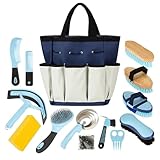
- 14-Piece All-In-One Horse Grooming Kit: Our all-in-one horse brush set covers daily care and show preparation to avoid separate purchases. This full horse brush set includes a soft face brush, flexible finish brush, hard dandy brush, soft body brush, grooming sponge, hoof pick with brush, sweat scraper, 2 straight combs, mane and tail detangler brush, braiding comb, rubber bands, and a waterproof storage tote — the ultimate equine grooming kit for all needs
- Deep Grooming for Healthy Shiny Coat: This horse care kit delivers gentle yet thorough care from head to hoof. The curry comb loosens caked mud, sweat and shedding hair, while the brushes boost skin blood circulation and the detangler brush smooths manes without pulling. Regular grooming leaves coats glossy and healthy, turning routine care into a relaxing bonding experience for you and your horse
- Premium Durable & Ergonomic Build: Built for long-term stable and pasture use, every piece in our horse grooming tools set uses high-grade materials. The rust-resistant stainless steel hoof pick ensures lasting reliability, and all brushes are ergonomically designed which reduce hand fatigue during extended sessions. Gentle on sensitive skin, tough on heavy dirt, suitable for year-round daily use
- 900D Waterproof Oxford Storage Tote: Keep all your tack room accessories neatly organized and ready to go. This waterproof horse grooming bag is made of heavy-duty 900D Oxford cloth, with dedicated compartments and elastic straps to secure each tool. It's for use in horse tack rooms or for on the go, ensuring you have quick access to your essentials
- Fits Riders of All Skill Levels: Ideal for beginners, seasoned equestrians, stable owners and professional caretakers alike, this horse grooming kit fits all usage scenarios. Whether for daily coat upkeep, thorough pre-show grooming, or casual bonding time with your horse, the intuitive tools deliver professional results without a steep learning curve
Wear your helmet and riding boots for lessons as well as independent rides. A calm horse can still react to pain, noise, another animal or an unfamiliar environment, and safety equipment is most useful before an emergency begins.
Feeding and watering equipment
Start with the containers required by the horse’s established feeding plan and the barn’s rules. A feed pan that is easy to clean and difficult to tip may be suitable for meals; a separate water bucket or tub must hold enough water for the horse’s schedule and be checked for cleanliness. Some facilities provide fixed buckets or automatic waterers, while others expect owners to supply and scrub containers.
Do not change feed, supplements or feeding frequency simply because you bought new equipment. Transition diets under advice from the horse’s caretaker or veterinarian, and label any personal feed container with the horse’s name. Check water at each required visit, remove algae or debris and report a sudden change in drinking or appetite.
Boarding stable versus keeping the horse at home
| Situation | Usually supplied or managed by the facility | What you may still need |
|---|---|---|
| Professionally staffed boarding | Daily husbandry, stalls or turnout areas, manure handling, water systems and some feed equipment; exact inclusions vary by contract. | Personal halter and lead, grooming kit, hoof pick, first-aid supplies, riding helmet and boots, and any tack the horse requires. |
| Self-care or partial-care boarding | Basic structures and possibly shared tools; labor and supply responsibilities are divided by the agreement. | Feed pans, water buckets, cleaning tools and storage items not expressly included, plus a schedule for completing every assigned task. |
| Horse kept at home | Nothing unless your property already has suitable infrastructure. | Safe fencing, shelter, manure pick, muck bucket or wheelbarrow, hose and tub, feed and water containers, storage and a plan for daily inspections. |
USU Extension notes that boarding can give a first-time owner daily professional care, lessons and help with feed and service providers. If you keep the horse at home, arrange reliable backup care for illness, travel and emergencies before the horse arrives. Fencing and shelter are safety infrastructure, not optional accessories: inspect them routinely for gaps, protruding wire, loose boards and weather damage.
Also popular on Amazon

- 【Horse Grooming Kit 13-piece Includes】1x soft horse brush, 1x hard horse brush, 1x grooming sponge, 1x oval massage curry, 1x hoof pick with brush, 1x sweat scraper, 1x curry comb, 2x portable metal comb, 1x mane and tail brush,1x horse braiding comb, 1x rubber band, 1x storage tote bage
- 【All-round Horse Grooming Kit】Making horse grooming simple and efficient. It includes a range of professional-grade tools for effective comb, unhair, bathe or massage your horses, from hoof picks to horse brushes and other horse accessories, easily cope with various grooming needs.
- 【High-Quality Materials】Each tool in this horse supplies set is crafted from premium materials, ensuring durability and reliability. This allows for effective dirt removal and muscle massage, providing a comfortable grooming experience for your beloved horse.
- 【Convenient Storage & Carrying】 The horse grooming tools come housed in a practical storage bag, making it easy to keep your supplies organized and portable. The mesh bag design is also effective in draining away excess water and dirt after grooming. It's for use in horse tack rooms or for on the go, ensuring you have quick access to your essentials.
- 【User-Friendly for All Horse Riders】 Whether you are a beginner or an experienced rider, this set of horse grooming brushes can meet the needs of different users. It's perfect for daily maintenance, show preparations, or simply bonding with your horse, offering ergonomic tools for hassle-free grooming sessions.
Tack that should wait until the horse is home
Saddle, girth or cinch and pad
Do not buy a universal saddle package in advance. A saddle must fit the horse’s back, the rider and the intended discipline; the girth or cinch must suit the saddle and horse; and a pad cannot correct a fundamentally poor fit. My Right Horse advises buying the saddle and girth after bringing the horse home and getting help from a saddle-fit professional or instructor. Schedule a fit check when the horse’s condition, workload or saddle changes.
Bridle and bit
Choose a bridle that fits the horse’s head and a bit appropriate to the horse’s training, mouth and the rider’s hands. More severe hardware is not a substitute for instruction. An instructor should check adjustment, noseband tension and rein setup while observing the horse’s way of going. Ill-fitting or poorly designed equipment can contribute to discomfort and inappropriate behavior, as Mississippi State Extension warns.
Specialized protection and training items
Leg boots, wraps, martingales, training aids and show-grooming products depend on the horse, discipline, footing and circumstances. Buy them only for a defined purpose after an instructor, veterinarian or other qualified professional explains selection, fit, use and cleaning. Multiple spare tack sets are convenient later but are not first-day necessities.
Independent reader supportYour contribution helps us test, update, and keep practical guides available for everyone.Blankets and seasonal equipment are conditional
A waterproof turnout sheet or blanket may help a clipped, elderly, underweight or otherwise vulnerable horse, or a horse exposed to particular weather without adequate shelter. Many healthy horses stay comfortable with their natural coat and suitable shelter. Climate, body condition, coat, workload, turnout and the horse’s own tolerance all matter.
Also popular on Amazon
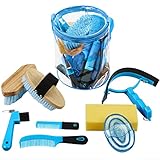
- Product Information: the horse grooming kit, includes a horse grooming tote bag, a oval massage curry, a hard brush, a soft brush, a sweat scraper, bathing sponge, a hoof pick with brush, a mane comb and a tail comb, a total of 9 pieces
- Suitable for Most Kinds of People: our horse tack and supplies are rich in style, which can comb, unhair, bathe or massage your horses, very suitable for riders and stable owners, whether you are a beginner or experienced, they can meet your needs
- Reliable Beauty Handbag: the horse grooming bag is designed with zipper and handle, which can bring your horse brush kit together, make it easy to take and store, and keep your beauty tools in good order
- Providing a Comfortable Experience: the horse grooming supplies are made of quality materials, not easy to break or wear, providing a more comfortable experience for your beloved horses, and you can rest assured to wash their bodies
- Intimate Gift: if there are horse lovers around you, you can send them our horse grooming set, they will be very happy to receive this thoughtful gift; You can also take care of the horses with your friends, bringing you a different experience
If you use a blanket, check the fit at the chest, shoulders, withers, belly and hindquarters; look for rubs, tears and wetness beneath it; and remove it often enough to inspect the horse. Never buy a blanket solely because temperatures are falling. Ask the caretaker or veterinarian whether this individual horse needs one and what weight and waterproofing are appropriate.
A practical buying sequence
- Confirm the management contract. List what the boarding stable supplies, who cleans containers, who handles emergencies and where personal equipment may be stored.
- Prepare safe handling gear. Fit the halter, obtain a sound lead rope and practice leading and the quick-release tie with an experienced person.
- Assemble daily-care tools. Label a grooming kit, hoof pick, feed and water containers and a first-aid box before arrival.
- Get personal safety gear fitted. Select the certified helmet and heeled riding boots before your first lesson or ride.
- Have a professional assess tack. After the horse settles in, arrange saddle, girth, pad and bridle fitting for the intended discipline.
- Add seasonal or specialized items only when justified. Base blankets, leg protection and training aids on observed need and qualified advice.
- Recheck equipment on a schedule. Clean, dry and inspect every item; replace damaged ropes, cracked hardware, worn stitching and contaminated first-aid supplies.
Common first-owner mistakes and fixes
- Buying tack before meeting the horse: wait for a fit assessment after arrival.
- Assuming the barn supplies everything: obtain a written inventory of included equipment and services.
- Leaving a non-breakaway halter on unattended: remove it or use a suitable breakaway design according to the facility’s policy.
- Using casual shoes around horses: wear firm protective footwear for handling and heeled riding boots when mounted.
- Tying to a weak rail or with excess rope: use a sturdy point, quick-release knot, eye-level tie and about an arm’s length of slack.
- Treating a first-aid box as a diagnosis kit: contact the veterinarian before giving medication or attempting invasive care.
- Blanketing or booting automatically: decide from the horse’s condition, environment and work, not a generic checklist.
What the equipment budget really means
Utah State University Extension gives an older estimate of at least $1,000 to $2,000 per horse per year above boarding and other miscellaneous expenses. That figure includes feed, health care, equipment, farrier and veterinary services; the page does not establish the estimate’s year, and USU says costs vary by location and situation. It is therefore not a current price quote or an equipment-only budget. Use your boarding contract, local service rates and the horse’s care plan to build a realistic budget, with a reserve for urgent veterinary or facility needs.
Recommended Free Tools
The most economical approach is not buying the cheapest item in every category. Spend first on correct fit, safe construction, competent instruction and reliable daily care. Borrow or rent discipline-specific equipment while you learn what suits the horse, but inspect borrowed items and confirm that they fit before use.
Final readiness check
- The horse has a correctly fitted halter and a serviceable lead rope.
- Your grooming kit includes the five basic tools and a hoof pick.
- A labeled first-aid kit is accessible, stocked and paired with veterinarian contact information.
- You have a current, correctly fitted certified helmet and protective, heeled riding boots if riding.
- Feed and water containers match the barn or home-care plan.
- Home facilities, if applicable, include secure fencing, shelter, manure handling, hose and water access.
- Saddle, girth, pad, bridle and any protection have been selected for this horse and use, preferably with qualified help.
- Everyone who handles the horse knows the leading, tying, grooming and emergency procedures.
Once these fundamentals are in place, add equipment in response to the horse’s actual needs rather than to a generic shopping list. That approach keeps the first setup safer, less wasteful and easier for a new owner to manage.





Leave a Reply