
Recommended Free Tools
Animal shelters and rescues need more than dog walkers. The four volunteer stories in Best Friends Animal Society’s April 5, 2022 feature show how fostering, video production, careful observation, communication practice, sewing and community-cat support can meet very different needs. The right role depends on what a local organization needs and which skills, time and comfort level you can offer.
These are individual examples, not a ranking or a promise that every shelter offers the same assignments. Use them as ideas when you contact a nearby shelter or rescue and ask how your abilities could support its animals.


As an Amazon Associate I earn from qualifying purchases.
Four volunteer approaches at a glance
The examples cover work at home, work inside a lifesaving center and behind-the-scenes projects. Some involve direct animal handling; others use communication or practical craft skills.
| Volunteer example | Main contribution | Typical setting in the feature | Direct animal handling | Hours, training and outcomes established by the feature |
|---|---|---|---|---|
| Nathan and Sarah Shaw | Fostering cats and dogs; producing social-media videos | Home fostering and Best Friends in Houston outreach | Yes, for foster care | Specific requirements and hours: not stated; their first placement of five cats was adopted |
| Tana Hunter and Ciel | Weekly weighing and visual observation of cats and kittens | Best Friends’ Salt Lake City lifesaving center | Yes | Specific training and hours beyond weekly visits: not stated; observations alerted staff to possible concerns |
| Monesia Green | Fostering and practicing simple button-based requests with a shy cat | Home fostering in Atlanta | Yes | Not a quantified program; one anecdotal cat-and-foster account |
| Maggie Schroeder and April Bowerman | Sewing trap covers and comforters for community cats | Houston spay/neuter and trap-neuter-vaccinate-return support | Usually no | 27 trap covers and four comforters reported in April 2022; not current totals |
The source does not measure which approach saves more lives, requires fewer hours or produces better adoption outcomes. Those comparisons would go beyond what the feature documents.
1. Nathan and Sarah Shaw: combine fostering with video outreach
How they began
Nathan and Sarah Shaw were looking for another cat when they encountered a Best Friends adoption event in Houston. Learning that the organization needed foster homes changed their plan: they signed up and took in a mother cat and her four kittens. The feature says all five were adopted. The couple later fostered dogs overnight, showing how a household can help with different species and short stays as its experience develops.
Why the combination matters
Fostering gives an animal a temporary home while a shelter or rescue arranges adoption, medical care or another placement. A home can reveal behavior that is difficult to see in a busy kennel, provide a calmer recovery space and create photographs or stories that help potential adopters understand the animal. The Shaws’ example also demonstrates that volunteering does not have to stay within one task.
Nathan is a videographer, so he also creates Best Friends in Houston social-media videos that promote events and encourage people to participate. His professional skill extends the organization’s reach beyond the animals in his home. As he put it, “I like that my content (spreads) awareness because at the end of the day, that is how we were able to learn about and find Best Friends.”
Sarah described the temporary nature of fostering as a reason to act: “Once we learned about Best Friends’ foster program and how important it is to give animals a loving home, even if it’s just a temporary situation, we immediately jumped on board to help out.”
Rank #2

- INSPIRING MESSAGE: Features the bold phrase 'Symbols Make Animal Shelter Volunteers Easier To See,' celebrating the vital work of animal shelter volunteers.
- VIBRANT ARTWORK: Combines friendly animal silhouettes of a dog and cat with warm colors and clear typography that is easy to read from a distance.
- PRINT DETAILS: Printed on glossy paper in a portrait orientation, measuring 13 x 19 inches, and supplied unframed for flexible display options.
- VERSATILE DISPLAY: Perfect for animal shelters, volunteer spaces, classrooms, offices, and hobby rooms, adding a meaningful decorative touch.
- GREAT GIFT IDEA: An ideal choice for animal lovers, families, and appreciation events honoring the dedication of pet rescue volunteers.
What to ask before accepting a foster placement
- Which animals are currently suited to your household, and can the organization match by species, size, medical needs or behavior?
- Who supplies food, medication, crates, litter and veterinary care, and whom do you call after hours?
- How long might a placement last, and what happens if your work, travel or resident pets make the arrangement impossible?
- What photos, videos or updates may be shared publicly, and who approves adoption information?
A shelter’s answers will vary. Do not assume that the support or timeline described by one organization applies everywhere.
2. Tana Hunter and Ciel: weigh cats and notice small changes
A simple task with an observation role
Tana Hunter and her daughter, Ciel, visit Best Friends’ Salt Lake City lifesaving center weekly to weigh cats and kittens. The task is more than recording a number. Each cat is handled individually, and the feature describes Tana supporting a larger cat’s hind legs while placing it on the scale. That careful, repeatable contact gives volunteers a chance to notice changes that may not be obvious during routine cleaning or feeding.
They might see a runny nose, a change in condition or possible weight loss and bring it to staff attention. Best Friends senior coordinator Rhoney Richens explained why this matters: “Sometimes it’s hard to notice if an animal is losing weight and there can be many reasons why. Tana and Ciel’s help can alert us to knowing when an animal may need further attention.” The volunteer’s job is to observe and report, not diagnose or prescribe treatment.
How a weighing shift should be approached
- Follow the center’s handling briefing. Ask staff how to approach each cat, sanitize equipment and protect yourself from scratches or bites.
- Use the approved scale and recording method. Record the animal’s identity and weight exactly as the organization requests; do not keep a separate informal chart that could conflict with medical records.
- Support the animal’s body. Larger cats may need hind-leg support, and any cat that struggles should be returned safely rather than forced onto the scale.
- Report observations promptly. Mention symptoms, appetite changes, unusual behavior or a concerning trend to staff. Leave interpretation and follow-up to the trained team.
The feature does not state how many hours the pair spends there, what certification is required or how often a particular finding leads to treatment. Their value is the consistent extra set of eyes and a reliable measurement routine.
3. Monesia Green: use patient, low-pressure communication practice with a foster cat
Ripley’s individual story
Atlanta foster volunteer Monesia Green began using recording buttons with Ripley, a shy two-year-old tabby. After seeing a video about teaching dogs to communicate with buttons, Green adapted the idea for simple requests such as “treat,” “play” and “pick up.” The feature says the practice helped Ripley gain confidence and find a home, and Green said, “It really sparked a passion in me.”
This is an anecdotal account of one cat and one foster volunteer. It does not establish that button training works for all cats, prove that a button conveys a human-like sentence or make the activity a clinical intervention. A cat may touch a button because of curiosity, conditioning or the reward that follows; the foster should describe what happened accurately rather than promise a particular result to adopters.
Keeping the activity welfare-focused
- Start with a quiet room, a cat who can disengage and a reward the foster already knows is safe.
- Introduce one simple association at a time, such as pressing a button immediately before play.
- Keep sessions brief and stop if the cat hides, becomes agitated or loses interest.
- Track the surrounding context instead of treating every press as a confirmed request.
- Ask the rescue whether recording devices, treats or public videos fit the cat’s care plan.
If you want to try the same category of tool, look for recordable buttons for cat communication training. The feature names no brand, model, price or required program, so the buttons are optional equipment rather than a standard shelter supply.
What’s actually slowing this PC down?
Pick the symptom - the matching free tool is one click away.
4. Maggie Schroeder and April Bowerman: sew practical equipment for community cats
From donated fabric to trap covers
Maggie Schroeder supports Best Friends’ Houston spay/neuter program and is especially interested in trap-neuter-vaccinate-return, commonly called TNVR. Community cats are humanely trapped, sterilized and vaccinated, then returned to their outdoor territory. When the program needed covers for traps, Schroeder used a Best Friends pattern and donated sheets and fabric to get started.
She and fellow volunteer April Bowerman then began monthly “sewcial” gatherings to make additional items. By the time the feature was published in 2022, the group had made 27 trap covers and four comforters. Those are historical counts for that publication period, not a current production total.
Trap covers can reduce visual stimulation and help a confined cat remain calmer during transport or recovery. Comforters provide a softer surface. The organization’s specifications, cleaning rules and fabric preferences should control the design; a homemade item that cannot be disinfected or fit a trap safely should not be used.
Why this role is accessible to more people
Sewing lets volunteers contribute without entering a kennel or handling a frightened animal. People can work at a gathering or, if the organization permits it, at home. The project also turns donated materials into equipment, reducing the need for a shelter to purchase every item. Schroeder said, “The best part is so many people donated sheets and fabric for the covers.” She also captured the wider appeal: “I can’t decide if it’s the animals, the people or the difference we are making for the benefit of all.”
Outdated Drivers Are Slowing You Down
One free scan finds every outdated or missing driver and matches the right update for your exact hardware.Free scan · exact hardware matchWindows Errors? Fix Them Before They Spread
Repair common Windows errors and clear accumulated junk for a smoother, more stable PC - no reinstall needed.Free scan · no reinstallBefore cutting fabric, ask for the current pattern, dimensions, closure method, acceptable materials and laundering instructions. Do not assume a pattern from one program is suitable for another shelter’s traps.
Best Value
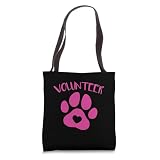
- Animal Shelter Volunteer design that reads: Volunteer.
- Perfect for proud animal shelter volunteers. Ideal for showing commitment to animal welfare. Great for wearing at the shelter or community events to inspire others to volunteer.
- 16” x 16” bag with two 14” long and 1” wide black cotton webbing strap handles.
- Made of a lightweight, spun polyester canvas-like fabric.
- All seams and stress points are double-stitched for durability, and the reinforced bottom flattens to fit more items and hold larger objects.
How to turn a personal skill into a shelter role
The four examples suggest a practical conversation rather than a one-size-fits-all volunteer application. A shelter may need a role that is not listed on its general volunteer page, especially when a person can describe a concrete solution.
- List what you can reliably offer. Include skills such as video editing, sewing, transport, data entry, photography, translation, animal handling or event planning, plus your available location and schedule.
- Contact the shelter or rescue directly. Ask, “What recurring problem could a volunteer with this skill help solve?” Mention whether you prefer home-based work, facility shifts or occasional projects.
- Clarify boundaries and supervision. Confirm training, age rules, insurance, background checks, equipment, emergency contacts and who approves public communications.
- Start with a defined trial. Agree on one foster stay, one weighing shift, one approved video or one batch of items. A small assignment lets both sides check fit without overpromising.
- Document what the organization needs. Use its animal IDs, measurement system, templates and reporting channels. Consistency is more useful than an impressive but incompatible personal system.
- Review and adjust. After the trial, ask whether the work solved the intended problem, what should change and whether the organization wants you to continue.
Other flexible shelter jobs exist, but programs differ
A separate Best Friends feature about Pasco County Animal Services in Florida illustrates how broad a volunteer program can become. At the time of its August 3, 2022 publication, that shelter described 21 volunteer job descriptions, had 328 volunteers on its roster and averaged 124 volunteers working at the shelter each month. Its roles included clinic assistance, social-media posts, greeting visitors, transporting animals and driving animal-protection officers.
Those figures belong to that Florida shelter and that date. They do not describe the Houston, Salt Lake City or Atlanta examples above, and they are not a current national benchmark. The feature quotes Best Friends’ national mentorship program manager Kimberly Elman: “More and more shelters are coming up with creative ways to match people’s skills and interests in a way that fulfills organizational needs and keeps volunteers coming back.”
Quick wins for a faster PC:
Scan for outdated or missing drivers - takes under a minuteDriver Scan →Clear out junk files and repair common Windows errorsFree Scan →Safety and accuracy rules for unusual volunteer projects
- Let staff set the animal-care standard. Volunteers can notice, record and communicate; medical diagnosis, behavior assessment and treatment decisions belong to qualified personnel.
- Protect privacy. Obtain permission before filming people, sharing an animal’s history or posting a foster’s location.
- Use approved equipment. Scales, traps, fabrics, buttons, food and cleaning products should meet the organization’s specifications.
- Plan for consent and escape prevention. Cats must be able to retreat, and doors, carriers and traps must be secured before handling begins.
- Report limitations honestly. A single cat’s response to buttons, one adoption outcome or one batch of sewn goods is an example, not proof of universal effectiveness.
What these four stories establish—and what they do not
Together, the profiles show four kinds of contribution: public communication, direct observation, foster-home support and practical equipment for community-cat work. They also show that a volunteer can combine roles, as Nathan Shaw did by fostering and making videos, or build a group around a recurring need, as Schroeder and Bowerman did with their sewing gatherings.
The feature does not provide comparative impact measurements, required hour totals, standardized training levels or current volunteer openings. It also does not show that button practice is suitable for every cat or that the 2022 sewing totals have continued. Treat each story as a prompt for a specific conversation with a local organization, then follow that organization’s current policies.
Quick Recap
Product prices and availability are accurate as of the date/time indicated and are subject to change. Any price and availability information displayed on Amazon at the time of purchase will apply.





Leave a Reply