
A dog with mange can become a comfortable, adoptable companion, but recovery is not a one-product fix. Mange describes several mite diseases—most importantly sarcoptic mange and demodicosis—and each requires a veterinarian to confirm the diagnosis, select safe medication, check for infection and decide whether other dogs need treatment.
Cornell University’s 2021 account of Milo, a stray with two types of mange and a secondary skin infection, says it took approximately two months of treatment and care before he was in adoptable condition. That is one documented rescue timeline, not a promise for every dog. The practical lesson is consistent care, follow-up examinations and patience.
As an Amazon Associate I earn from qualifying purchases.
What “mange” means in dogs
Mange is an umbrella term for skin disease caused by mites. The two conditions owners most often hear about are sarcoptic mange (canine scabies) and demodicosis. They can both cause itching, crusts, redness and hair loss, but they differ in transmission, diagnostic challenges and treatment decisions.
A dog’s appearance cannot establish the cause. Allergies, bacterial or fungal infections, ringworm and other skin disorders can produce the same bald, scabby or inflamed patches. Treating a dog solely from a photograph or symptom list can delay the right care or expose the dog to an unsafe medicine.
#1 Best Overall

- HELPS SUPPORT HEALTHY SKIN - With a wash and soaking of the coat for 5-10 minutes, our powerful ingredients work to help soothe red, scaly, greasy, or smelly skin that may cause your pet discomfort
- FAST ACTING – Works fast to soothe your pet's sensitive skin that may be affected by environmental stressors
- VET-RECOMMENDED – This pet shampoo is pH balanced for your pet's skin and is paraben and soap-free to promote overall skin and coat health without damaging detergents
- FOR DOGS AND CATS – Our cat and dog shampoo is intended for pets over 12 weeks of age. Use twice weekly until skin clears up, then once a week to help maintain skin health
- APPLICATION: This product is intended for topical use only. Read directions carefully before applying to your pet's coat. Test on a small area to avoid further sensitivity before using
| Condition | Typical concern | What confirmation and care involve |
|---|---|---|
| Sarcoptic mange | Very itchy skin; can spread between dogs and may cause temporary itch or rash in people | Veterinary examination, skin-scraping attempts and sometimes a treatment trial; contact dogs and the environment may need attention |
| Demodicosis | Localized or generalized hair loss and skin inflammation; generalized disease can be prolonged | Diagnosis and monitoring by a veterinarian; treatment depends on extent, the individual dog and any secondary infection |
| Other skin disease | Allergy, infection, ringworm or another disorder can look similar | Testing and examination are needed before choosing a mite treatment |
The table is a decision aid, not a self-diagnosis tool. A veterinarian must determine which row fits the dog.
Milo’s rescue: what the case actually shows
Cornell University College of Veterinary Medicine’s Riney Canine Health Center described Milo as a stray affected by two types of mange plus a secondary skin infection. His rescuers provided treatment, nursing care and follow-up until he was healthy enough to be adopted. Cornell reported an approximately two-month journey to adoptable condition.
Milo’s story is useful because it shows the workload behind a “before and after” photograph: more than parasite control was required, and the calendar depended on the individual dog’s disease burden and response. It does not establish a universal cure time, a treatment-success percentage or a guarantee that another dog will recover on the same schedule.
Signs to watch for in a dog
Itching and self-trauma
Intense scratching, chewing or rubbing can be prominent in sarcoptic mange. Broken skin from scratching can then become infected, making the dog more painful and the original problem harder to recognize.
Rank #2
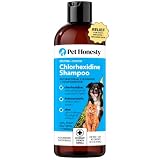
- A HEALING CLEAN : Yes, it’s shampoo for dogs! Yes, it’s shampoo for cats! And yes, it’s shampoo that cleans & heals! It soothes irritated skin, providing itch relief for cats, & dogs. An effective shampoo for dogs with allergies & cats, it promotes a shiny coat, reduces inflammation, & helps heal hot spots. This cat & dog antibacterial shampoo also reduces smelly odors associated with bacteria & fungus. Basically, our cat & dog shampoo for yeast & itching is 16 ounces of a better clean routine.
- FROM THE INSIDE OUT: Made with a veterinary strength formula, our shampoo for dogs with itchy skin & cats is made with soothing aloe & without sulfates, parabens, phthalates, alcohol, & artificial colors. Our shampoo with chlorhexidine & ketoconazole for dogs & cats is a gentle, safe & effective way to help heal skin issues while keeping your pet comfortable & clean.
- THE PET, PET WASH: You know our cat & dog shampoo for sensitive skin provides relief for itchy skin, soothes irritated & inflamed skin, targets smelly odors, & promotes a shiny coat. But did you know that’s it’s the #1 chlorhexidine shampoo on Amazon*? Don’t wait to give your pet the healing wash they deserve. *Based on Stackline Atlas data (had to combine all grooming & other pet health supplies to capture entire market*L52W as of December 2024
- ON THE RIGHT SCENT: Not only does our medicated dog shampoo for itchy skin soothe irritation, promote a health coat & leave your pet feeling fresh & clean, it also has a light cucumber melon scent that helps with unpleasant odors from fungus & bacteria.
- THE HONEST DIFFERENCE: Our products are made with clean, science-backed ingredients for results you can trust, & with no fillers, artificial preservatives, colors, or flavors, you'll have no doubt your dog is getting the best. Proudly supporting pets in need nationwide & using recycled plastic in our packaging, there's also no doubt that we're committed to doing our best. -- All products are made in the U.S.A. | NASC Member Company
Hair loss, crusts and inflamed skin
Patchy or widespread hair loss, thick crusts, redness, scaling and a rough coat warrant veterinary attention. The location and pattern may help a clinician form a differential diagnosis, but they do not identify a mite species on their own.
Signs that the dog is systemically unwell
Arrange prompt veterinary care if skin disease is accompanied by marked lethargy, poor appetite, fever, severe pain, rapidly spreading lesions, a strong odor, pus or weakness. These signs can indicate extensive inflammation or a secondary infection requiring additional treatment.
People or other dogs becoming itchy
When sarcoptic mange is possible, people in contact with the dog may develop temporary itching or a rash, and other dogs may be exposed. Human symptoms still need medical advice; they do not prove the dog has scabies. Tell the veterinarian about symptoms in people and animals in the household.
Outdated Drivers Are Slowing You Down
One free scan finds every outdated or missing driver and matches the right update for your exact hardware.Free scan · exact hardware matchWindows Errors? Fix Them Before They Spread
Repair common Windows errors and clear accumulated junk for a smoother, more stable PC - no reinstall needed.Free scan · no reinstallHow a veterinarian diagnoses mange
The appointment normally begins with history and a full skin examination. Tell the clinician when the itching or hair loss began, whether the dog is a stray or recently adopted, which animals share the home, what products or medicines have already been used and whether anyone else is itchy.
Rank #3

- CLINICALLY PROVEN RESULTS: DOUXO S3 is proven to show results in as soon as 7 days.
- ANTISEPTIC CHLORHEXIDINE DOG SHAMPOO FOR YEAST AND BACTERIAL SKIN INFECTIONS: Formulated for dogs with bacterial or yeast skin infections – DOUXO S3 PYO chlorhexidine dog shampoo provides an antiseptic cleansing while hydrating the skin.
- #1 TOPICAL BRAND RECOMMENDED BY VETS: Confirmed by veterinary and scientific expertise. DOUXO provides the best and the safest care for your pet.
- ENRICHED WITH OPHYTRIUM: Contains 0.5% Ophytrium, a purified, natural ingredient that helps soothe irritated skin and support skin hydration.
- FREE FROM soaps, sulphates, parabens, colorants, nanoparticles, and phthalates.
Skin scrapings and their limits
Skin scrapings are commonly used to look for mites. A negative scraping does not always rule out sarcoptic mange because mites may be difficult to find. If the history and examination keep suspicion high, a veterinarian may recommend a carefully monitored therapeutic trial or additional tests.
Checking for secondary disease
Damaged skin can support bacterial or fungal infection. The clinician may evaluate those complications and address them alongside the mite problem. A dog that remains itchy after mite treatment may need reassessment for infection, allergy or another diagnosis rather than an automatic repeat of the same medicine.
Treatment depends on the confirmed or suspected diagnosis
Sarcoptic mange
Veterinary references describe antiparasitic medicines selected for the individual dog, along with treatment of contact animals when indicated. The route and schedule may vary. Follow the prescribed label exactly and keep every recommended recheck; stopping when itching first improves can leave the problem unresolved.
What’s actually slowing this PC down?
Pick the symptom - the matching free tool is one click away.
Some antiparasitic drugs have breed-related safety concerns, age or health restrictions, or veterinary use that is off-label. Never substitute livestock products, another pet’s prescription or a retail “mange cure” without veterinary direction. The safe choice depends on weight, age, breed or genetic sensitivity, pregnancy status, other medicines and overall health.
Rank #4
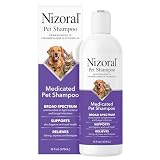
- Powerful Chlorhexidine Formula: Advanced ketoconazole shampoo with 1% ketoconazole and 2% chlorhexidine gluconate supports pets with stubborn skin concerns, offering effective antifungal dog shampoo and antimicrobial benefits.
- Antimicrobial Support: Nizoral's antimicrobial medicated dog shampoo for smelly dogs helps reduce irritation, itch, and odor while supporting healthier skin and coat comfort. Use 2-3 times per week as needed or as directed by your veterinarian.
- Medicated Relief for Irritated Skin: Nizoral s dog and cat shampoo with its soothing medicated formula helps calm itchy, irritated skin and ease discomfort without harsh additives. Gentle enough for regular use, it provides comforting relief.
- Ideal for Hot Spots, Odor, and Persistent Irritation: Targets problem areas as a hot spot shampoo for dogs, reducing odor and buildup while promoting cleaner, healthier skin perfect for pets needing a stronger medicated shampoo for dogs
- Gentle Care for Dogs and Cats: This gentle Nizoral chlorhexidine shampoo for dogs and cats is safe for multi-pet homes and works well as a cat wash or shampoo for dogs with itchy skin, providing a versatile option for overall coat maintenance.
Demodicosis
Demodicosis may be localized or generalized. Generalized cases can require several months of treatment and monitoring. The veterinarian may schedule repeated examinations or tests to document that mites and clinical disease are resolving before treatment is stopped.
Because demodicosis has different considerations from sarcoptic mange, a plan that is appropriate for one condition should not be copied for the other. Ask what diagnosis is being treated, how success will be measured and when the dog should return.
Secondary bacterial or fungal infection
If infection is present, the dog may need additional prescription therapy and skin care. A medicated antiseborrheic shampoo has appeared in older topical protocols to remove crusts and dirt, but it is an adjunct under veterinary direction, not a stand-alone cure for mange. Use only the product, dilution, contact time and frequency your veterinarian specifies.
Free tools Windows power users keep installed
One-click scans. No signup required.
Protecting other dogs and the household
Contact dogs
Sarcoptic mites can pass through direct contact and contaminated environments. Tell the veterinarian about every dog that has shared bedding, rooms, transport or outdoor space with the affected animal. Even dogs without obvious lesions may need an examination or preventive treatment based on the exposure.
Best Value

- FAST ACTING – Our veterinary-recommended dog shampoo with oatmeal and aloe vera quickly calms and soothes irritated skin, offering rapid relief from compulsive licking and scratching
- HEALTHY SKIN & COAT – Designed specifically for pets who may be suffering from hot spots and skin irritations, our dog itch shampoo promotes a healthy, lustrous coat
- VET-RECOMMENDED FORMULA – Free from parabens, soaps, and dyes, this pH-balanced cat & dog shampoo deeply nourishes and moisturizes, ensuring your pet's skin stays healthy and hydrated
- SAFE FOR DOGS & CATS – Suitable for pets over 12 weeks old, our non-irritating shampoo is perfect for both dogs and cats. The pleasant mild scent leaves their coat smelling fresh and clean
- SIMPLE APPLICATION – Specifically designed for topical use on hot spots, our shampoo is easy to apply. Follow the simple directions and always test on a small area prior to first use
People in the home
People can develop temporary itch or rash after exposure to sarcoptic mange. Contact a physician or other qualified health professional for personal medical advice, and explain that a dog may have sarcoptic mange. Do not apply a dog’s medication to a person.
Cleaning and laundry
Ask the veterinarian what environmental measures fit the household. Follow directions for washing or replacing bedding, cleaning resting areas and limiting contact while treatment begins. Environmental steps are part of a broader plan; they do not replace medication and follow-up. The required precautions can differ with the diagnosis and the home’s animals, surfaces and ability to isolate.
A practical treatment-and-recovery checklist
- Book a veterinary examination. Bring the dog’s history, a list of products already used and information about other animals or itchy people.
- Get the working diagnosis in writing. Ask whether the veterinarian suspects sarcoptic mange, demodicosis, infection or another condition, and which findings support that conclusion.
- Administer only the prescribed medicine. Confirm the dose, route, schedule, duration, missed-dose instructions and warning signs before leaving the clinic.
- Ask about safety for this dog. Discuss breed-related sensitivities, age, pregnancy, neurologic history, liver or kidney disease and interactions with other medicines.
- Address exposed animals. Find out whether contact dogs need examination or treatment and how long to limit close contact.
- Follow environmental instructions. Clean or launder items as directed and provide a comfortable, low-irritation resting area.
- Attend rechecks. Improvement in itching is encouraging but does not prove mites are gone. Keep appointments and complete testing or monitoring requested by the veterinarian.
- Report deterioration promptly. Worsening pain, spreading lesions, pus, weakness, loss of appetite or a suspected medication reaction should trigger a call to the clinic.
How long does recovery take?
For sarcoptic mange, Cornell’s owner guidance says most dogs show improvement within about two weeks, while full resolution can take six to eight weeks. Those figures apply to sarcoptic mange guidance and should not be extended to every mite condition.
Quick wins for a faster PC:
Clear out junk files and repair common Windows errorsFree Scan →Scan for outdated or missing drivers - takes under a minuteDriver Scan →Generalized demodicosis may take several months and requires monitoring. The coat can also take time to regrow after the skin is controlled. A dog may look better before the disease is fully resolved, so the veterinarian’s follow-up assessment—not appearance alone—determines when treatment can end.
Milo’s approximately two-month route to adoptable condition fits within the range of a demanding individual rescue case, but it remains Milo’s timeline. Age, extent of disease, infection, nutrition, stress, immune health and adherence to treatment can all affect another dog’s course.
What owners should not do
- Do not diagnose mange from bald or crusted skin alone.
- Do not use human scabies medicine, livestock pesticides, essential oils or another animal’s prescription unless a veterinarian specifically directs it.
- Do not stop treatment when scratching improves unless the clinician says to stop.
- Do not assume a negative skin scraping rules out sarcoptic mange.
- Do not expose untreated contact dogs to the affected dog without veterinary advice.
- Do not treat shampoo, bedding changes or bathing as substitutes for a diagnosis and antiparasitic plan.
When a rescue dog is ready to become a snuggle buddy
Adoption readiness is more than having hair grow back. The dog should have a veterinary plan, improving or resolved skin disease, controlled secondary infection and caregivers who can continue any remaining treatment. Ask the rescue or veterinarian what follow-up is still due, whether contact animals were addressed and which symptoms should prompt a return visit.
With that structure, a dog can move from painful, neglected skin to safe physical contact and ordinary family life. The transformation comes from an accurate diagnosis, correctly administered medicine, household cooperation and enough time for the skin to heal.
The Tool Desk
Outbyte PC Repair FREEClear out junk files and repair common Windows errorsFree Scan →Outbyte Driver Updater FREEFix the driver behind crashes, sound loss and screen glitchesFind Drivers →Quick Recap
Product prices and availability are accurate as of the date/time indicated and are subject to change. Any price and availability information displayed on Amazon at the time of purchase will apply.





Leave a Reply