Outdated Drivers Are Slowing You Down
One free scan finds every outdated or missing driver and matches the right update for your exact hardware.Free scan · exact hardware matchPC Slower Than It Used to Be?
A free scan shows the junk files, broken settings and background clutter dragging Windows down - then fixes them in one click.Free scan · Windows 10 & 11Hepatic encephalopathy (HE) is a brain and nervous system disorder caused by severe liver dysfunction or blood bypassing the liver. In cats, a congenital portosystemic shunt is an important cause, but HE can also occur with acute liver failure or other serious liver disease. Signs such as head pressing or seizures need prompt veterinary attention; a veterinarian must identify the cause and direct treatment.
What hepatic encephalopathy means in cats
HE is a metabolic neurologic syndrome, not a diagnosis that can be made from one behavior or symptom. The liver normally processes substances carried in blood from the digestive system. If liver function is severely impaired—or blood bypasses the liver—those substances can build up and affect brain function. Cornell explains that a portosystemic shunt allows portal blood to bypass normal liver detoxification (Cornell Feline Health Center).
As an Amazon Associate I earn from qualifying purchases.
A cat with a shunt is not necessarily in liver failure: the bypass itself can contribute to HE. The condition may be acute with fulminant liver failure or chronic with a shunt. Severity and course vary with the cause and the individual cat.
Do these 3 things before closing this tab:
1Clear out junk files and repair common Windows errors2Fix the driver behind crashes, sound loss and screen glitches3Repair Windows errors before they cause bigger problemsWhat causes HE in cats?
Portosystemic shunts
A portosystemic shunt is an abnormal vessel that diverts blood around the liver. Congenital shunts are a major feline cause of HE. Because the blood does not pass through the liver normally, substances that would ordinarily be processed can circulate and affect the nervous system.
#1 Best Overall

- COMPLETE LIVER SUPPORT FOR CATS: Formulated by feline health experts, Doctor By Cat Liver Guard combines science-backed ingredients with a pet-friendly format to support optimal liver function. Whether your cat is aging, recovering, or simply in need of daily liver maintenance, this gentle yet effective supplement helps promote detox, energy, and overall well-being—without the stress of pills or powders.
- EASY, TASTY SQUEEZE-AND-SERVE FORMAT: Half the battle with any supplement is palatability. If they won't eat it, it won't matter how good a product is. Just squeeze up and serve! A specialized formula designed for liver support, yet as easy and enjoyable as a treat. Helps support healthy liver function, antioxidant protection, and overall vitality in a way your cat will love!
- POWERED BY ARTEMISIA ANNUA (SPB-201) – NATURE’S ANTIOXIDANT HERO: Our formula features SPB-201, a premium extract of Artemisia annua (Sweet Wormwood), known for its powerful antioxidant and hepatoprotective properties. SPB-201 helps defend liver cells from oxidative stress and supports the body’s natural detoxification process, making it a key ingredient for long-term liver health.
- WITH MILK THISTLE – TRUSTED HERBAL SUPPORT FOR LIVER REGENERATION: Milk Thistle (Silymarin) has been used for centuries to promote liver cell regeneration and protect against toxin-related damage. Included in Doctor By Cat Liver Guard for its clinically supported benefits, this ingredient helps maintain normal liver enzyme levels and supports healthy bile flow for better digestion and nutrient absorption.
- PRINCIPLES FOR DEVELOPING NUTRITION FOR OUR BELOVED PETS: The key to developing Doctor By’s nutritional supplements is to support simple, consistent feeding while minimizing stress for both pets and caregivers. Build better daily health through a happy and delicious routine! Doctor By Cat Liver Guard is a gentle formula that can be given to cats from kittenhood through their senior years.
Other liver-related causes
Acute liver failure and hepatic lipidosis (fatty liver disease) are other important contexts. A 2025 feline-focused ANZCVS proceedings paper also identifies arginine deficiency secondary to hepatic lipidosis as a common cause. It discusses acute liver injury associated with oral benzodiazepines or stanozolol and liver fluke infection in endemic areas; these are possibilities for a veterinarian to assess, not diagnoses an owner can infer from an exposure or symptom alone.
What symptoms should you watch for?
Signs can be episodic or persistent and range from subtle changes to severe neurologic impairment. Possible signs include:
Rank #2

- Liver Support for Dogs & Cats: Denamarin is the #1 veterinarian recommended liver support supplement for dogs and cats. This supplement contains s-adenosylmethionine (SAMe) to help increase levels of the antioxidant glutathione - one of the liver’s main detoxifying agents
- High-Quality Ingredients: The Silybin found in Denamarin has shown better absorption by dogs and cats than the standardized milk thistle extract found in many other products
- Support Your Dog and Cat's Liver Health: The liver is one of the most vital organs in your pet and is responsible for removing toxins, storing energy, aiding digestion, and supporting the immune system
- From the #1 Veterinarian Recommended Supplement Company*: Nutramax Laboratories Veterinary Sciences has been a leader in pet health for over 30 years, and provides supplements to support joint health, digestive health, and overall wellness
- Backed by Science: Nutramax Laboratories Veterinary Sciences supplements are veterinarian formulated with high-quality ingredients to ensure your pet is receiving a safe supplement
- Dullness, lethargy, anxiety, or a change in usual behavior
- Disorientation, aimless wandering, or circling
- Drooling, weakness, or unsteady movement (ataxia)
- Head pressing or temporary or unexplained blindness
- Reduced appetite
- Collapse, seizures, or coma
These signs are not unique to HE. Low blood sugar, thiamine deficiency, uremia, high blood pressure affecting the brain, and other neurologic diseases can look similar.
Free tools Windows power users keep installed
One-click scans. No signup required.
When to seek emergency care
Seek emergency veterinary care for a seizure, collapse, marked disorientation, inability to stand, reduced responsiveness, or coma. Do not wait for a scheduled appointment if neurologic signs are severe or rapidly worsening. New or milder neurologic changes still warrant prompt veterinary advice, especially in a cat known to have liver disease or a shunt.
Rank #3

- 🍃NATURAL INGREDIENTS: We crafted this herbal supplement completely pure. Here is only Milk Thistle (333 mg) as a main ingredient: no GMOs, artificial colorants, or components.
- 💫CAT LIVER SUPPORT: This natural supplement may be helpful with liver moments in cats, supporting their well-being and providing gentle and herbal action.
- 💚KIDNEY SUPPORT FOR CATS: Our product may support the kidney system in cats, allowing proper urination. Care for your cat’s bladder and urinary tract.
- 🐈FOR ALL CAT BREEDS: Sphynx cat, British Shorthair, Abyssinian, or other breeds. This liquid supplement is a solution for different cat breeds, ages, and sizes.
- 🍗APPROPRIATE FLAVOR FOR CATS: We know cats like the chicken taste, so we provide this supplement with this taste to give our beloved cat the best feeling.
How veterinarians investigate the cause
The veterinarian considers the neurologic signs alongside the cat’s history and evidence of liver dysfunction or shunting, while also evaluating other possible causes. Blood chemistry is central to shunt evaluation. Depending on the case, abdominal ultrasound and X-rays may help identify liver or vascular abnormalities; further imaging, liver sampling, or exploratory surgery may be considered.
Neurologic status may be assessed repeatedly by an experienced clinician. A single blood ammonia result does not establish the diagnosis or reliably show whether HE is worsening: ammonia testing can be affected by sample instability, and serial ammonia measurements are not a dependable monitoring strategy.
Rank #4

- Comprehensive liver support Designed to help promote healthy liver function, supporting its metabolic activity and aiding in its crucial role in overall health.
- Aids natural detoxification Supports the body's normal waste elimination and detoxification processes, helping to protect the liver from environmental toxins.
- Enhances kidney health Contributes to the maintenance of normal kidney functions, essential for filtering waste and maintaining internal balance in your cat.
- Supports cognitive function Features S-Adenosylmethionine (SAMe), which aids in supporting normal nerve conduction, memory recall, and overall brain function.
- Promotes hepatic cleansing Assists with the normal cleansing of the liver from impurities, contributing to its proper functioning and health.
How hepatic encephalopathy is treated
Treatment depends on the cause, severity, and the cat’s stability. A severely affected cat may need hospitalization. The immediate priorities can include supportive care and correction of dehydration or electrolyte problems; clinicians may also use selected enemas to clear intestinal contents or deliver nutrients.
Medical management
Once the cat is stabilized, treatment may include lactulose, which acts in the gut to reduce ammonia absorption and promote its removal in stool. A veterinarian adjusts the dose and monitors the response. Too much can cause painful cramping and severe diarrhea, so do not start or adjust lactulose at home without veterinary direction.
Best Value
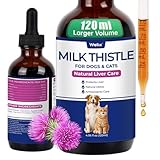
- ADVANCED & NATURAL FORMULA - Wellix High-potency cat & dog milk thistle with dandelion, astaxanthin, and vitamins E & C supports liver health and provides antioxidant protection. Safe, effective, and free from additives and artificial flavors, making it a trusted milk thistle supplement for dogs and cats
- LIVER CARE - Wellix Milk Thistle Liquid promotes liver detoxification, eliminates toxins, and enhances cellular antioxidant capacity, providing cat liver support as well as serving as one of the trusted liver supplements for dogs. Ideal for daily liver care and for pets with diabetes or obesity
- EASY TO USE - Wellix milk thistle for dog and cat is flavored with chicken, making it irresistible even for picky pets. Simply add the liquid milk thistle directly to food or water for clean, stress-free daily supplementation
- PRECISE SUPPORT - Veterinarian-recommended Wellix milk thistle drops provide professional feeding guidelines. Use the marked dropper for precise nutritional support, delivering reliable liver support for dogs and cats of all sizes and ages
- LARGE CAPACITY - Each 120ml bottle of Wellix liquid milk thistle provides ample supply for daily and long-term liver care. Perfect for multi-pet households, it lasts several months even for large dogs, allowing you to easily support your pets’ liver health continuously and making daily care more reassuring
A veterinarian may select an antimicrobial in some cases. These medicines are not owner-directed treatment: inappropriate dosing can cause harm, and some options carry specific kidney, ear, or neurologic risks. Follow the prescribing veterinarian’s instructions rather than using leftover or human medication.
Surgery for a confirmed shunt
If testing identifies a surgically correctable shunt, a veterinary surgeon may consider attenuating or closing the abnormal vessel, often after medical stabilization. Whether surgery is suitable depends on the shunt’s anatomy, imaging findings, neurologic severity, response to stabilization, and the cat’s operative risks and follow-up needs. Cornell describes surgical redirection of portal blood flow as a preferred approach in appropriate cases, but outcome is individual and a cure cannot be promised.
What should a cat with a shunt or HE eat?
Do not put every cat with liver disease on a low-protein diet. Cats need a complete, balanced feline diet, and protein restriction may be inappropriate or harmful in hepatic lipidosis. Veterinary guidance limits protein restriction to particular circumstances, such as clinical HE or ammonium biurate crystalluria; a protein-modified diet may be prescribed after stabilization in some cases.
The Tool Desk
Outbyte Driver Updater FREEFix the driver behind crashes, sound loss and screen glitchesFind Drivers →Outbyte PC Repair FREEClear out junk files and repair common Windows errorsFree Scan →The veterinarian should tailor food to whether the cat has HE, hepatic lipidosis, or other conditions, while considering nutritional adequacy, calories, palatability, and how much the cat actually eats. Do not make abrupt food changes, use generic “liver support” supplements, or force-feed without veterinary direction. Contact a veterinarian promptly if the cat stops eating, becomes jaundiced, vomits repeatedly, or develops neurologic changes.
What is known about treatment evidence and outlook?
Veterinary clinicians use stabilization, gut-directed medicines, nutrition management, and—in selected shunt cases—surgery to address HE and its underlying cause. A 2016 veterinary review noted limited clinical-trial evidence for routinely used HE drugs and a lack of evidence defining optimal management strategies. That limitation does not replace case-specific veterinary care; it means treatment choices and expected outcomes must be discussed for the individual cat rather than reduced to a universal protocol or a population success rate.
Quick Recap
Product prices and availability are accurate as of the date/time indicated and are subject to change. Any price and availability information displayed on Amazon at the time of purchase will apply.




