Recommended Free Tools
Hepatic lipidosis, also called fatty liver syndrome, can develop when a cat stops eating for a period of time. It can be fatal if untreated, so a cat that has stopped eating or has turned yellow should be seen by a veterinarian promptly. This is not a condition to manage at home.
What hepatic lipidosis is and why it happens
Hepatic lipidosis is the buildup of triglycerides (stored fat) inside liver cells, which can impair how the liver works. Cornell Feline Health Center explains the mechanism this way: when a cat stops eating, fat is mobilized from the body’s stores and sent to the liver, and the liver can become overwhelmed by the volume it has to process.
In most cases the fatty liver is a consequence of something else. Cornell describes hepatic lipidosis as usually secondary to an underlying condition, and VCA Animal Hospitals reports that more than 90% of cats with this problem have an underlying disease that caused them to stop eating. These are figures from veterinary educational sources, not results from a population study, so they describe how veterinarians typically see the condition rather than a measured incidence.
Conditions that Cornell and VCA name as possible triggers include:
#1 Best Overall

- COMPLETE LIVER SUPPORT FOR CATS: Formulated by feline health experts, Doctor By Cat Liver Guard combines science-backed ingredients with a pet-friendly format to support optimal liver function. Whether your cat is aging, recovering, or simply in need of daily liver maintenance, this gentle yet effective supplement helps promote detox, energy, and overall well-being—without the stress of pills or powders.
- EASY, TASTY SQUEEZE-AND-SERVE FORMAT: Half the battle with any supplement is palatability. If they won't eat it, it won't matter how good a product is. Just squeeze up and serve! A specialized formula designed for liver support, yet as easy and enjoyable as a treat. Helps support healthy liver function, antioxidant protection, and overall vitality in a way your cat will love!
- POWERED BY ARTEMISIA ANNUA (SPB-201) – NATURE’S ANTIOXIDANT HERO: Our formula features SPB-201, a premium extract of Artemisia annua (Sweet Wormwood), known for its powerful antioxidant and hepatoprotective properties. SPB-201 helps defend liver cells from oxidative stress and supports the body’s natural detoxification process, making it a key ingredient for long-term liver health.
- WITH MILK THISTLE – TRUSTED HERBAL SUPPORT FOR LIVER REGENERATION: Milk Thistle (Silymarin) has been used for centuries to promote liver cell regeneration and protect against toxin-related damage. Included in Doctor By Cat Liver Guard for its clinically supported benefits, this ingredient helps maintain normal liver enzyme levels and supports healthy bile flow for better digestion and nutrient absorption.
- PRINCIPLES FOR DEVELOPING NUTRITION FOR OUR BELOVED PETS: The key to developing Doctor By’s nutritional supplements is to support simple, consistent feeding while minimizing stress for both pets and caregivers. Build better daily health through a happy and delicious routine! Doctor By Cat Liver Guard is a gentle formula that can be given to cats from kittenhood through their senior years.
- Diabetes
- Pancreatitis
- Cancer
- Kidney disease or other liver disease
- Inflammatory bowel disease
- Hyperthyroidism
- Anxiety
- Respiratory disease
These are possibilities, not a checklist. A veterinarian identifies which, if any, applies to a specific cat, and treating that underlying cause is part of recovery.
Symptoms and when they are urgent
The signs most often described are:
- Reduced or absent appetite, including turning away from the food bowl
- Excess salivation (drooling)
- Weight loss
- Lethargy, weakness, or hiding
- Jaundice: a yellow tint to the skin, gums, or whites of the eyes
Cornell emphasizes food avoidance and salivation, while VCA highlights anorexia and jaundice. Loss of appetite alone is enough reason to call a veterinarian, and the need is more urgent when it is accompanied by yellowing, weakness, vomiting, or marked weight loss.
Timing matters. VCA describes hepatic lipidosis developing after several consecutive days without eating. Its tube-feeding guidance also warns that cats that do not eat for even 48 hours can develop potentially life-threatening liver malfunction. Treat these figures as warnings about how quickly the situation can become serious, not as a safe waiting period.
Rank #2

- Liver Support for Dogs & Cats: Denamarin is the #1 veterinarian recommended liver support supplement for dogs and cats. This supplement contains s-adenosylmethionine (SAMe) to help increase levels of the antioxidant glutathione - one of the liver’s main detoxifying agents
- High-Quality Ingredients: The Silybin found in Denamarin has shown better absorption by dogs and cats than the standardized milk thistle extract found in many other products
- Support Your Dog and Cat's Liver Health: The liver is one of the most vital organs in your pet and is responsible for removing toxins, storing energy, aiding digestion, and supporting the immune system
- From the #1 Veterinarian Recommended Supplement Company*: Nutramax Laboratories Veterinary Sciences has been a leader in pet health for over 30 years, and provides supplements to support joint health, digestive health, and overall wellness
- Backed by Science: Nutramax Laboratories Veterinary Sciences supplements are veterinarian formulated with high-quality ingredients to ensure your pet is receiving a safe supplement
How veterinarians diagnose it
Diagnosis begins with the history and a physical examination. Depending on the cat, the workup can include:
- Blood tests to assess liver changes and other organ function, which also help look for the underlying cause.
- Abdominal ultrasound to view the liver and surrounding organs.
- Liver-cell sampling by fine-needle aspiration or biopsy, which confirms fat accumulation in the liver tissue.
Cornell’s internal medicine service describes routine laboratory tests, ultrasound, and fine-needle aspiration as the core tools. If the cat is too unstable for a biopsy, VCA notes that a veterinarian may proceed on a presumptive diagnosis when the clinical signs, history, and bloodwork strongly point to the disease. Further testing may still be needed to find the cause of the appetite loss, or if the cat does not recover as expected.
Treatment: nutrition comes first
The central treatment is sustained nutritional support until appetite and liver function recover. Cornell’s Feline Health Center quotes Sharon Center, DVM, professor of medicine at Cornell University’s College of Veterinary Medicine, as saying: “Most important in veterinary care, says Dr. Center, is to nourish an affected cat immediately by means of intravenous nutrients, give it vitamins, and get food into it by means of a stomach tube.” That sentence is from Cornell’s “Hepatic Lipidosis” page and describes the priority of early nutrition in veterinary care.
Rank #3

- 🍃NATURAL INGREDIENTS: We crafted this herbal supplement completely pure. Here is only Milk Thistle (333 mg) as a main ingredient: no GMOs, artificial colorants, or components.
- 💫CAT LIVER SUPPORT: This natural supplement may be helpful with liver moments in cats, supporting their well-being and providing gentle and herbal action.
- 💚KIDNEY SUPPORT FOR CATS: Our product may support the kidney system in cats, allowing proper urination. Care for your cat’s bladder and urinary tract.
- 🐈FOR ALL CAT BREEDS: Sphynx cat, British Shorthair, Abyssinian, or other breeds. This liquid supplement is a solution for different cat breeds, ages, and sizes.
- 🍗APPROPRIATE FLAVOR FOR CATS: We know cats like the chicken taste, so we provide this supplement with this taste to give our beloved cat the best feeling.
Depending on the cat, veterinary care may also include:
- Fluids to correct dehydration
- Vitamins
- Medication for nausea or to support the liver
- Correction of electrolyte imbalances
- Investigation and treatment of the underlying condition
Which combination applies depends on the individual cat, and the veterinarian sets the plan.
Free tools Windows power users keep installed
One-click scans. No signup required.
Feeding tubes and home care
A feeding tube is commonly used when a cat cannot eat enough on its own. According to VCA, the veterinarian provides a special diet and the tube is placed under veterinary direction; caregivers then give feedings with a syringe at home several times a day, following the veterinarian’s instructions for amount and schedule. Do not choose a tube, diet, volume, or timing without that guidance, and do not remove a tube on your own.
Rank #4

- Comprehensive liver support Designed to help promote healthy liver function, supporting its metabolic activity and aiding in its crucial role in overall health.
- Aids natural detoxification Supports the body's normal waste elimination and detoxification processes, helping to protect the liver from environmental toxins.
- Enhances kidney health Contributes to the maintenance of normal kidney functions, essential for filtering waste and maintaining internal balance in your cat.
- Supports cognitive function Features S-Adenosylmethionine (SAMe), which aids in supporting normal nerve conduction, memory recall, and overall brain function.
- Promotes hepatic cleansing Assists with the normal cleansing of the liver from impurities, contributing to its proper functioning and health.
VCA reports that the average period of tube feeding before a cat begins eating independently after an episode is six to seven weeks (VCA Animal Hospitals, last updated 2023). This is an average across cases, not a predicted timeline for your cat. Feeding is tapered as the cat’s own intake improves, and the veterinarian decides when the tube can come out. Cornell notes that home tube feeding may continue for about a month or more.
No tube type or commercial diet can be ranked from these sources. The factors a veterinarian weighs include the cat’s stability and tolerance for placement, whether feeding and medication can be managed at home, the nutritional plan, and the underlying condition. Equipment and instructions for home use should come from the veterinary team.
Independent reader supportYour contribution helps us test, update, and keep practical guides available for everyone.Recovery and prognosis
Prognosis depends partly on whether the cat survives the acute illness and whether the trigger can be treated. Cornell and VCA describe recovery as possible with prompt, sustained nutritional support and management of the underlying problem. Neither source gives a cohort-specific survival percentage, so no survival rate is quoted here, and no individual outcome or recovery timeline can be promised in advance. Regular rechecks with the veterinarian show whether appetite and liver values are improving.
Do these 3 things before closing this tab:
1Fix the driver behind crashes, sound loss and screen glitches2Repair Windows errors before they cause bigger problems3Scan for outdated or missing drivers - takes under a minuteBest Value
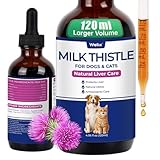
- ADVANCED & NATURAL FORMULA - Wellix High-potency cat & dog milk thistle with dandelion, astaxanthin, and vitamins E & C supports liver health and provides antioxidant protection. Safe, effective, and free from additives and artificial flavors, making it a trusted milk thistle supplement for dogs and cats
- LIVER CARE - Wellix Milk Thistle Liquid promotes liver detoxification, eliminates toxins, and enhances cellular antioxidant capacity, providing cat liver support as well as serving as one of the trusted liver supplements for dogs. Ideal for daily liver care and for pets with diabetes or obesity
- EASY TO USE - Wellix milk thistle for dog and cat is flavored with chicken, making it irresistible even for picky pets. Simply add the liquid milk thistle directly to food or water for clean, stress-free daily supplementation
- PRECISE SUPPORT - Veterinarian-recommended Wellix milk thistle drops provide professional feeding guidelines. Use the marked dropper for precise nutritional support, delivering reliable liver support for dogs and cats of all sizes and ages
- LARGE CAPACITY - Each 120ml bottle of Wellix liquid milk thistle provides ample supply for daily and long-term liver care. Perfect for multi-pet households, it lasts several months even for large dogs, allowing you to easily support your pets’ liver health continuously and making daily care more reassuring
What to do now
- If your cat has stopped eating, or has yellowing of the skin, gums, or eyes, contact a veterinarian the same day.
- Tell the clinic about any vomiting, weakness, drooling, or weight loss.
- Do not attempt force-feeding, dosing, or home tube placement without veterinary instruction.
- Ask the veterinarian what underlying cause they suspect and what the next diagnostic step is.
This article is general educational information. It describes warning signs and the usual veterinary workup, but it does not replace an examination of your cat.
Sources: Cornell Feline Health Center, “Hepatic Lipidosis” (reviewed October 2026); Cornell University College of Veterinary Medicine Hospital, “Internal Medicine” (reviewed October 2026); VCA Animal Hospitals, “Hepatic Lipidosis in Cats (Fatty Liver Syndrome in Cats),” last updated 13 February 2023; VCA Animal Hospitals, “Tube Feeding in Cats” (reviewed October 2026).
Quick Recap
Product prices and availability are accurate as of the date/time indicated and are subject to change. Any price and availability information displayed on Amazon at the time of purchase will apply.




