Recommended Free Tools
When a horse develops red, itchy, peeling or crusted skin in warm weather, the first step is to work out what may be causing it: ordinary sunburn, photosensitization or an allergic reaction to biting insects. These problems can look alike at first, but they need different responses. Provide shade and reduce exposure while you arrange veterinary care for substantial, persistent or worsening lesions.
How to tell the main summer skin problems apart
Look at where lesions occur, what the skin looks like and whether the horse is intensely itchy. These clues can guide your next steps, but they do not replace a veterinary diagnosis.
As an Amazon Associate I earn from qualifying purchases.
Sunburn: damage on exposed, lightly pigmented skin
Sunburn is more likely on pink or lightly pigmented skin, especially where hair is sparse. The muzzle, eyelids and white markings are common vulnerable areas. Skin may become red, swollen or sore to the touch, then peel, crust or develop sores. A dark coat does not rule out sun-related damage on exposed areas. Shade and UV-protective equipment can limit further exposure. Merck Veterinary Manual’s photosensitization entry explains the related light sensitivity condition, while PetMD’s guide to horse sun protection covers exposed skin and protective measures.
Photosensitization: sunlight reacting with compounds in the skin
Photosensitization is not simply a more severe sunburn. As Merck Veterinary Manual puts it, “Photosensitization is a condition in which skin becomes overly sensitive to ultraviolet light (sunlight).” UV-activated compounds can damage skin. A hepatogenous form is associated with impaired liver function; toxic grazing plants, blue-green algae (cyanobacteria) and fungal toxins are also recognized causes.
#1 Best Overall
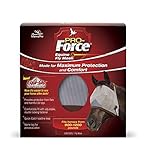
- MAXIMUM PROTECTION: Provides protection from flies and harmful UV rays
- DESIGNED FOR COMFORT: Comfortable fit with adjustable, double locking fastener and fleece-lined trim to prevent undesirable friction or rubbing
- MADE TO LAST: Made with strong, Clear View Vision mesh for durability
- EQUI-GLO NITE REFLECTOR: Makes it easy to see your horse in the dark
- HORSE SIZED: Fits horses from 900-1200 pounds
Early lesions can resemble sunburn, but photosensitization may affect exposed, lightly pigmented skin and can also occur in dark-coated horses. Severe damage may include fluid discharge, scabs and death of skin tissue, and can be life-threatening. A veterinarian may investigate liver enzymes and possible toxin exposure. Merck advises fully shading affected horses, housing them and allowing them out only at night while photosensitivity continues.
Insect bite hypersensitivity: intense itch and rubbing
Insect bite hypersensitivity—often called sweet itch, summer eczema or Queensland itch—is an allergic response in susceptible horses. Bites from Culicoides midges are a common trigger, though other biting flies can also be involved. Warm-season recurrence is common, but timing varies with climate and local insects.
Rank #2
- Bug Eye Fly Mask Design with Plush Fleece Trim and Clear See-Through Mesh: Soft trim prevents rubbing while structured mesh of this fly and mosquito net mask delivers reliable eye protection for horses without obstructing vision
- Protect Your Horse's Eyes and Face from Flies, Debris, and UV: SuperMask II fly masks for horses without ears deliver extended face coverage, blocking flies, gnats, dust, dirt, debris, and harmful UV rays for reliable all-day protection
- Best Insect Netting for Daily Outdoor Use, Pasture Turnout, and Wet Conditions: Durable equine fly mask construction stands up to season-long wear in barns, pastures, and wet weather without compromising eye protection for horses
- Bug Netting for Horses in 5 Sizes without ears (Foal, Yearling, Small, Average Horse, and XL): Trim is available in 3 colors (Green, Maroon and Blue)
- Adjustable Throat Latch and Double-Latch Closure for a Secure Equine Fly Mask Fit: Sits under the jaw to deliver twice the staying power of ordinary horse fly masks' closures, even during pasture play with stablemates
Signs can include intense itching, papules or wheals, rubbing, broken or lost hair, crusting and thickened skin. Rubbing can damage the skin, and secondary bacterial infection may complicate the problem. The World Association for Veterinary Dermatology consensus guideline and UC Davis School of Veterinary Medicine’s overview describe the condition and its management.
When to call a veterinarian
Arrange veterinary assessment for substantial, persistent or worsening skin lesions. Seek prompt advice for peeling or sore lesions on white or hairless areas, suspected photosensitivity, or signs of eye discomfort. Photosensitization may require investigation of underlying liver dysfunction or exposure to harmful plants or toxins; severe cases can cause extensive tissue damage. Damaged skin also needs protection from flies and wound care as directed by the veterinarian.
Rank #3
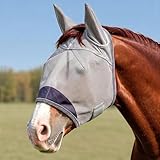
- Perfect horse protection: The masks offer superior protection against horse flies and other insects that can irritate horses and cause them to behave erratically. With these masks, horse owners can rest easy knowing their animals are protected.
- High-quality fabric: These masks are made using top-of-the-line materials that are designed for durability and long-lasting use. Even with daily wear, the masks will last for a long time.
- Perfect fit and adjustable: The masks are tailored to fit snugly around the horse's head for maximum comfort. Adjustable buckles make it easy to customize the fit for horses of different sizes.
- Breathable, cool, and lightweight: The masks are designed to keep horses cool and comfortable, even on hot summer days. They are also lightweight and won't weigh horses down as they move.
- Easy to clean and maintain: The masks are easy to clean and maintain, making them a convenient option for busy horse owners. Plus, they don't impair horses' vision, so they can see everything clearly while wearing them.
For suspected insect bite hypersensitivity, diagnosis usually draws on the horse’s history, seasonal pattern, examination, exclusion of other itchy conditions and response to insect avoidance. Tests for allergen-specific IgE have limitations: results may be positive in horses without clinical disease or negative in horses with compatible signs. A veterinarian needs to interpret them in context; the consensus guideline discusses these limits.
Build a prevention plan around the likely trigger
Exposure reduction works best as a set of measures tailored to the horse, local insects and weather. No mask, sheet, fan or repellent by itself diagnoses or cures photosensitization or allergy.
Rank #4

- Ultra Lightweight Design: This innovative, super-fit fly mask features stretchy ear mesh covers, crafted from ultra-soft, lightweight material. This ensures that the mask is gentle on your horse’s skin, providing comfort for prolonged wear.
- Enhanced Eye Space & Safety: The mask is expertly designed with large eye openings, coupled with a safe distance from the eyes, ensuring unobstructed vision and preventing any irritation. This feature allows your horse to see clearly without compromising on comfort or safety.
- Comfortable Fit: The soft, elastic fabric of this mask guarantees a snug fit and maximum comfort, making it ideal for extended use.
- Protection from UV Rays: Equip your horse with this premium-quality face cover to shield them from harsh sunlight and UV rays during the hot summer months.
- Elegant and Functional: This mask features a seamless, one-piece design without any hook-and-loop fasteners, making it easy to put on and remove, blending elegance with practicality.
Reduce ultraviolet exposure
- Provide shade and, when feasible, adjust turnout to avoid periods of intense direct sun.
- For a pink muzzle, consider a mask with nose coverage, but verify that the product is explicitly labeled for UV protection; not every fly mask blocks UV.
- Use horse-formulated sunscreen on exposed areas when protective gear is impractical. Some human sunscreens may contain ingredients unsafe for horses. Follow the product label: PetMD notes that repeat application is needed, more often with sweat or wetness.
Reduce biting-insect exposure
- Adjust turnout and stabling to avoid peak activity for local biting insects. Dusk and dawn can matter, but timing depends on the insect and region.
- Use stable screens or fans where practical. Air movement may help reduce midge exposure as one part of a broader plan.
- Remove manure and standing water where practical to reduce potential breeding sites.
- Ask a veterinarian or local extension or insect specialist which repellents are approved for your horse and location. Follow the label, especially around damaged skin.
The Merck Veterinary Manual guide to flies and mosquitoes of horses, the UC Davis overview and the consensus guideline discuss insect avoidance measures.
Free tools Windows power users keep installed
One-click scans. No signup required.
Choose protective gear with heat and skin condition in mind
Protective equipment can reduce exposure, but fit, coverage and the horse’s comfort matter. Heat and moisture trapped beneath fly sheets or masks can complicate skin care in hot, humid weather. Check the horse’s skin and comfort routinely, and remove or adjust gear if it rubs, becomes damp or causes overheating.
Quick Recap
Best Value

- Comfortable Material: Soft, coated nylon micromesh provides breathable protection, ensuring your horse stays comfortable and irritation-free throughout extended wear, even in warm weather
- Clear Vision: Patented three-hole cap design ensures an unobstructed view, allowing your horse to see clearly and naturally while being protected from flies and insects
- UV Protection: Blocks up to 70% of the sun's harmful ultraviolet rays, protecting your horse's sensitive eyes and skin from sunburn during sunny days
- Secure Fit: Designed to protect sensitive areas like eyes, lashes, and temples without causing discomfort or damaging the forelock, ensuring a snug and reliable fit
- Size Variety: Available in a full range of sizes to ensure a tailored fit
| Option | Useful for | What to check |
|---|---|---|
| UV-protective fly mask with nose coverage | Covering exposed facial skin, including a pink muzzle | Verify an explicit UV-protection claim on the label; check fit, nose coverage, airflow and the horse’s tolerance. |
| Fly sheet or sweet-itch rug, with hood if appropriate | Creating a physical barrier against biting insects over the body | Check fit, temperature, sweating and skin moisture, particularly in hot, humid conditions. |
| Horse-formulated sunscreen | Protecting exposed areas when gear is impractical | Use a product intended for horses and follow its application directions; sweat or wetness can mean more frequent reapplication. |
| Stable fan | Adding air movement as part of insect-exposure reduction | Use alongside other avoidance measures; it is not a cure or a substitute for veterinary care. |
Product prices and availability are accurate as of the date/time indicated and are subject to change. Any price and availability information displayed on Amazon at the time of purchase will apply.




