The Tool Desk
Outbyte PC Repair FREEClear out junk files and repair common Windows errorsFree Scan →Outbyte Driver Updater FREEFix the driver behind crashes, sound loss and screen glitchesFind Drivers →There is no single treatment that is best for every cat with chronic kidney disease (CKD): each option addresses a different need. A veterinary renal diet is the main nutritional treatment; medicines, fluids, and symptom support are added when a cat’s test results or clinical signs call for them.
The right plan depends on a confirmed CKD diagnosis, the cat’s stage and overall condition, and follow-up testing—not one isolated lab result. Treatments can complement one another, but a cat does not automatically need every option.
How the treatments differ
| Treatment | What it addresses | When it may be considered |
|---|---|---|
| Veterinary therapeutic renal diet | Dietary phosphorus and nutritional support | IRIS suggests considering one for Stage 2 CKD and recommends one for Stages 3 and 4; the Stage 1 recommendation remains unclear. IRIS diet guidance |
| Phosphate binder | Absorption of phosphorus in food | If diet alone has not reached the stage-appropriate serum phosphate target after 4–6 weeks. 2026 iCatCare consensus guideline |
| Blood-pressure medicine | Elevated systemic blood pressure | When blood-pressure assessment shows elevation; the choice and follow-up depend on the cat’s findings. 2026 iCatCare consensus guideline |
| Proteinuria medicine | Persistent urinary protein loss | For a stable, non-dehydrated cat with persistent urine protein-to-creatinine ratio (UPC) above 0.4, as assessed by a veterinarian. 2026 iCatCare consensus guideline |
| Subcutaneous fluids | Ongoing dehydration | May be considered for selected cats if dehydration persists despite other measures; not a routine requirement for every CKD cat. 2026 iCatCare consensus guideline |
| Nausea or appetite medicine | Nausea, vomiting, reduced appetite, or resulting nutritional decline | When symptoms are interfering with eating or maintaining body condition; the underlying contributors also need assessment. 2026 iCatCare consensus guideline |
| Other targeted treatment | Specific abnormalities, such as anaemia, low potassium, or metabolic acidosis | Only when testing and the cat’s condition support treating that abnormality. 2026 iCatCare consensus guideline |
Why staging and monitoring come first
CKD stage is assigned after diagnosis using a stable patient’s results. A veterinarian interprets lab values alongside the cat’s hydration and overall condition; treatment should not be chosen from a single result in isolation. The IRIS Guidelines state that using both serum creatinine and SDMA helps evaluate renal excretory function.
Blood pressure should be measured when CKD is diagnosed and checked during routine monitoring. Urine testing, blood tests, clinical signs, and rechecks help determine whether a treatment is needed and whether it is working. IRIS says its guidelines are regularly updated and announces 2026 revisions; consult the current guidance and your veterinarian for decisions about an individual cat.
Quick wins for a faster PC:
Clear out junk files and repair common Windows errorsFree Scan →Fix the driver behind crashes, sound loss and screen glitchesFind Drivers →Repair Windows errors before they cause bigger problemsFix Now →#1 Best Overall
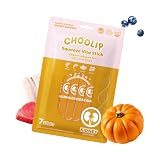
- VET-FORMULATED URINARY SUPPORT – Created by Korean vet Dr. Eric DVM for kidney and urinary health in cats and dogs of all ages.
- REAL TUNA & POLLACK PUREE – High-protein, low-sodium formula with pumpkin, blueberry and Omega-3 for renal and urinary support.
- DAILY WELLNESS BOOST – Enriched with Coenzyme Q10, Cranberry, and Omega-3 to promote kidney cell health and energy metabolism.
- EASY TO FEED – Squeeze directly, serve over food, or freeze into a refreshing snack. Great for picky eaters and hydration support.
- CLEAN & GRAIN-FREE – No carrageenan, gums, or preservatives. Safe for sensitive digestion and long-term use.
Renal diets: the nutritional foundation
Renal diets are formulated to reduce phosphorus intake while supporting nutrition. The 2026 iCatCare guideline reports that typical renal diets provide approximately 80–130 mg phosphorus per 100 kcal, compared with as much as 400–600 mg per 100 kcal in non-renal diets. These are reported ranges, not a guarantee about a particular product; ask your veterinarian to select an appropriate food for your cat.
The same guideline’s cited evidence suggests that a renal diet providing at least half of a cat’s calories may still have a beneficial survival effect. That matters when a cat will not eat the prescribed food exclusively: maintaining adequate calories and body condition is important, so discuss food acceptance and alternatives with the care team rather than allowing intake to collapse.
Rank #2
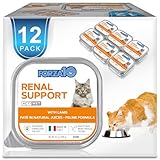
- TRUSTED ITALIAN NUTRITION: Pet food brand for dogs and cats, offering a wide range of recipes crafted with high-quality ingredients and veterinary expertise. Forza10 products are designed to support overall health and well-being, helping pets thrive at every stage of life.
- SUPPORTS HEALTHY KIDNEYS: Specially formulated pet food helps maintain kidney function and supports overall renal and cardiac health. Made with high-quality protein and essential nutrients to promote well-being while providing a taste pets enjoy.
- INGREDIENTS: Formulated with hydrolyzed protein and potato protein for controlled phosphorus and adapted protein content. Enriched with cranberries, dried dandelion, and dried clover extract to support kidney health. Free from GMOs, by-products, wheat, soy, artificial colors, or preservatives.
- WHAT'S INCLUDED: Each pack contains 12 cans of adult wet cat food, 3.5 oz each, in a savory lamb flavor that cats love. Perfect for daily feeding or to mix with dry food for a complete mealtime experience.
- EXPLORE MORE: Discover our full range of premium cat and dog food recipes, crafted with veterinary expertise and high-quality ingredients. Visit the Forza10 store to find the perfect meals to support your pet’s health and well-being
IRIS recommends renal diets for Stage 3 and Stage 4 CKD and suggests considering one at Stage 2; it says the recommendation for Stage 1 is unclear. The choice should account for stage, appetite, body condition, and relevant lab findings. A lower-phosphorus food is not automatically equivalent to a veterinary therapeutic renal diet.
When a phosphate binder is added
A binder is an add-on, not a general replacement for a renal diet. If serum phosphate remains above the stage-specific target after 4–6 weeks on a renal diet, a veterinarian may consider a binder. It must be mixed with food and given with all meals so it can bind phosphorus in the gut. The vet should monitor results and select the product with the cat’s health in mind; calcium-containing binders should be avoided in hypercalcaemic cats.
Rank #3

- Purina ONE +Plus Urinary Tract Health cat food made with real chicken to help provide the protein she needs for strong muscles, including a healthy heart
- Urinary care cat food provides low magnesium and supports urinary tract health by reducing urinary pH
- Easily digestible SmartBlend of high-quality ingredients in Purina ONE urinary tract cat food includes four antioxidant sources for a strong immune system
- Deliciously crunchy cat food bites deliver great taste with no artificial flavors or colors
- Urinary health cat food crafted in Purina-owned, U.S. facilities
Phosphate is clinically important, but an association should not be mistaken for a prediction or proof of treatment benefit: one study cited in the 2026 iCatCare guideline found an 11.8% higher risk of death for each 0.32 mmol/l (1 mg/dl) increase in serum phosphate. That finding describes an association across the study population, not an individual cat’s prognosis.
Blood pressure and proteinuria need different responses
Elevated blood pressure
Blood-pressure treatment is aimed at reducing systemic pressure and the risk of damage to target organs. The veterinarian selects treatment based on measured pressure and other findings, including whether proteinuria is also present. Follow-up is needed to assess response and watch for hypotension.
Rank #4
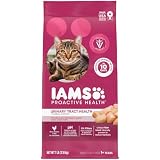
- Urinary Tract Health: IAMS Proactive Health Hairball & Urinary Tract Health dry cat food features clinically proven technology to promote urinary health in 10 days
- Cat Dry Food Reduces Hairballs: This cat food dry recipe includes a unique fiber blend clinically proven to reduce hairballs
- #1 Ingredient Is Real Chicken: IAMS Proactive Health Hairball & Urinary Tract Health cat food is made with real chicken as the #1 ingredient
- Quality Recipe: This recipe provides 100% complete and balanced nutrition for adult cats, delivering the nutrition they need
- Supports A Healthy Heart: IAMS Proactive Health Hairball & Urinary Tract Health dry cat food is crafted with essential nutrients including calcium and potassium to help nourish a healthy heart
Persistent proteinuria
Proteinuria is assessed with urine testing, including the UPC ratio. For persistent UPC above 0.4, the 2026 iCatCare guideline describes renal diet and inhibition of the renin–angiotensin–aldosterone system (RAAS) for stable, non-dehydrated cats. If hypertension is present, it should be treated and proteinuria reassessed. These medicines need monitoring because of possible hypotension, high potassium, or worsening azotaemia.
Independent reader supportYour contribution helps us test, update, and keep practical guides available for everyone.Fluids and symptom relief are patient-specific
Subcutaneous fluids
Fluids are not an automatic treatment for every cat with CKD. A veterinarian may consider home subcutaneous fluids when a cat remains dehydrated despite other measures. The amount and schedule should be prescribed for that cat, and a caregiver should be shown how to administer them safely.
Best Value

- Hill's Prescription Diet k/d Kidney Care with Chicken Dry Cat Food is specially formulated by Hill’s nutritionists and veterinarians to help protect your cat's vital kidney function.
- This dry cat kibble has clinically proven nutrition to improve and lengthen quality of life
- Formulated with ActivBiome+ Kidney Defense, a proprietary blend of prebiotics shown to activate the gut microbiome to help protect kidney function
- Contains wholesome ingredients with more essential amino acids than daily requirements* supports your cat’s natural ability to build lean muscle (*compared to AAFCO minimum)
- Developed with Enhanced Appetite Trigger (E.A.T), which is clinically tested to stimulate appetite & increase food intake. Prescription Diet k/d Kidney Care with Chicken Dry Cat Food is made with chicken and has an irresistible taste that cats love.
Nausea, vomiting, and poor appetite
Medicines that reduce nausea or support appetite may help when symptoms are undermining food intake or body weight. They do not replace investigating why the cat feels unwell: dehydration, constipation, low potassium, metabolic acidosis, and anaemia may contribute to poor appetite and require their own assessment.
What to discuss with your veterinarian
- Which findings establish the diagnosis and stage, and whether the cat was stable and adequately hydrated when they were measured.
- Whether a renal diet is appropriate now, how to transition to it, and what to do if the cat eats too little of it.
- Which targets or symptoms would prompt an added treatment, and what tests will be used to monitor it.
- How to maintain hydration and calorie intake, and whether any home care needs training or a written schedule.
The IRIS 2023 treatment recommendations provide older supporting background; for current treatment decisions, use updated guidance and the veterinarian’s assessment of the individual cat.
Quick Recap
Product prices and availability are accurate as of the date/time indicated and are subject to change. Any price and availability information displayed on Amazon at the time of purchase will apply.




