
Do these 3 things before closing this tab:
1Scan for outdated or missing drivers - takes under a minute2Repair Windows errors before they cause bigger problems3Fix the driver behind crashes, sound loss and screen glitchesSome links on this page are affiliate links: if you buy through them we may earn a commission, at no extra cost to you.
Core vaccines are the baseline protection a veterinarian recommends for a species, while risk-based (noncore) vaccines are added when an animal’s lifestyle, location or likely exposure makes a disease more relevant. Vaccinating your dog or cat reduces its chance of severe illness and, for infections that can spread between animals and people, contributes to community protection. That is the practical One Health connection: human, animal and environmental health are linked, but routine household pet vaccination should not be described as a proven, quantified cleanup or ecosystem benefit.
What “core” means—and why it is not a universal schedule
“Core” is a risk category, not a single worldwide timetable. The American Animal Hospital Association (AAHA) defines core vaccines in its United States canine guidance as those recommended for all dogs unless a specific medical reason argues against vaccination. Risk-based vaccines may be added when geography, lifestyle, travel, boarding, wildlife contact or other exposures raise the likelihood of disease. The American Veterinary Medical Association (AVMA) likewise advises making an individualized plan with a veterinarian rather than choosing injections from a generic calendar.

As an Amazon Associate I earn from qualifying purchases.
Free tools Windows power users keep installed
One-click scans. No signup required.
AAHA’s canine guideline was published in 2022 and its guideline page notes an update in 2024. It is United States clinical guidance; vaccine labels, local disease patterns and local law still govern an individual case. The feline page cited here reflects AAHA/AAFP guidance from 2020, not a globally uniform rule. A veterinarian also weighs age, previous records, health status, pregnancy, immune-suppressing treatment and the product’s licensed schedule.
Read the current dog recommendations at AAHA’s canine vaccination guideline and the explanation of core and noncore categories at AAHA’s core/noncore page. AVMA’s owner guidance is available in its vaccination brochure.
Popular on Amazon

- "COMPLETE MEDICAL RECORDS FOR DOGS & PUPPIES: Comprehensive health record booklets designed to track vaccinations, deworming, exams, and treatments. Ideal for maintaining organized, accurate medical histories for individual dogs or entire litters."
- 25 INDIVIDUAL BOOKLETS PER PACK: Includes 25 separate health records, making it easy for breeders, shelters, rescues, or clinics to document care for multiple pets. A convenient, cost-effective option for professional use."
- CLEAR, CUSTOMIZABLE FORMAT FOR EASY RECORDING: Each booklet includes clearly labeled sections for vaccines, dates, and notes. Simple, organized design allows pet owners and professionals to record information quickly and legibly at home or during vet visits."
- PORTABLE & DURABLE DESIGN: Compact size fits easily into travel folders, puppy packets, or veterinary files. Sturdy paper stock ensures each record withstands handling over time, ideal for breeders and adopters."
- IDEAL FOR PET OWNERS, BREEDERS & CLINICS: A must-have tool for dog owners, shelters, veterinarians, and groomers to track a pet’s complete health history. Simplifies communication between caregivers, adopters, and clinics."
Core vaccines for dogs
Under the current AAHA guidance, the canine core list includes protection against distemper, adenovirus, parvovirus, leptospirosis and rabies. Products may combine several components, but the disease targets are what matter when your veterinarian reviews a record.
| Core target | Why it matters | What determines timing |
|---|---|---|
| Canine distemper virus | A serious, highly contagious infection that can affect respiratory, gastrointestinal and nervous systems. | Age, prior doses, product label and the dog’s health history. |
| Canine adenovirus | Protection against adenoviral disease, including forms associated with infectious canine hepatitis. | Combination product used, previous vaccination and veterinary assessment. |
| Canine parvovirus | A potentially fatal intestinal infection, especially dangerous for puppies and inadequately vaccinated dogs. | Puppy series timing, documented history and local clinical advice. |
| Leptospirosis | A bacterial disease that can cause severe illness in dogs and can infect people; exposure can occur around contaminated soil or water and wildlife. | Local prevalence, lifestyle and the specific vaccine’s licensed schedule. |
| Rabies | A fatal viral disease that can infect mammals, including people, and is subject to legal requirements. | Jurisdictional law, vaccine label, age at first dose and documented history. |
This list does not tell you to buy or administer a product yourself. A clinic selects an authorized vaccine, checks whether a dog is medically fit to receive it and records the product, lot and date. Rabies requirements can differ by state, province, country or municipality, so a schedule that is lawful in one place may not satisfy another jurisdiction.
Quick wins for a faster PC:
Clear out junk files and repair common Windows errorsFree Scan →Scan for outdated or missing drivers - takes under a minuteDriver Scan →Core vaccines for cats
AAHA/AAFP feline guidance identifies feline herpesvirus type 1 (FHV-1), feline calicivirus (FCV), feline panleukopenia virus (FPV) and rabies as core vaccines for pet cats. FHV-1 and FCV are major causes of feline respiratory disease; FPV is a severe, highly contagious parvovirus infection. Feline leukemia virus (FeLV) is listed as core for cats younger than one year. For older cats, FeLV decisions are risk-based and depend on contact with other cats, household circumstances and testing discussions.
| Cat vaccine target | Abbreviation explained | How context changes the recommendation |
|---|---|---|
| Feline herpesvirus type 1 | FHV-1 | Part of the core combination for pet cats; timing follows age, history and product directions. |
| Feline calicivirus | FCV | Core protection; exposure risk can rise in multi-cat, shelter or boarding settings. |
| Feline panleukopenia virus | FPV | Core protection against a serious parvovirus disease that can persist in the environment. |
| Rabies | No abbreviation needed | Core in the cited guidance and governed by applicable law and the licensed product. |
| Feline leukemia virus | FeLV | Core for cats under one year in the cited guidance; older cats are assessed according to exposure and household risk. |
An indoor-only label does not automatically remove the need for core vaccination. Cats can escape, visit a clinic, encounter another animal, or share a home with a cat whose status changes. The veterinarian can adjust the plan if a cat has a documented adverse reaction, an illness that affects vaccine timing or an unusually low exposure risk for a noncore component.
Also popular on Amazon
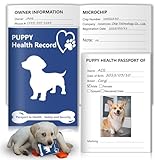
- Product Include:When you choose our dog vaccines records tracker, you'll receive one notebook.This 12-page puppy health journal has 8 dedicated pages for tracking your pup’s health, vet visits, and key details, with 4 blank pages at the end for jotting down extra notes, pet-related info, or anything else you want to record.
- Ideal Size for Record Keeping:Each dog vaccine record book measures 5x3.5 inches folded; 5x7 inches unfolded, allowing for easy portability and storage.These handy health records notebook for dogs with double sided printing, featuring enough space for all your pets important information,plus, it has dedicated spots for sticking on vaccine stickers and adding cute puppy photos.They offer a stylish and organized approach to pet health documentation, a must have addition to your pet supplies.
- Premium Quality: The puppy health record tracker’s cover features 300gsm coated paper with vibrant full-color printing and a protective laminate finish. Inside, 100gsm high-quality offset paper pages are durable and ink-resistant, ensuring no bleeding from pens or markers—so your records stay neat and easy to read.
- Effortlessly Track Vaccinations and More:The canine health record booklets pages include:owner and puppy information,medical history and hospitalizations,vaccination record and sticker,dog service providers,fecal examinations and de-worming,heartworm screening, prevention and treatment etc.This record keeping tool will ensure every important detail is accounted for and make this task easy, organized, and straightforward.Add this essential tool to your pet supplies for a happier, healthier pet.
- Essential for Pet Owners:Designed for veterinary clinics and pet owners, these puppy vaccination record books make tracking key health details—like shots, checkups—simple and organized. When you’re away and leave your pup with a sitter or family, the dog medical record and vaccine book serves as a quick reference for their medical history. Plus, dedicated sections for photos, physical markings, and ID info prepare you for emergencies, helping you recover your friend quickly if they get lost.
How veterinarians build an individual plan
Bring the animal’s complete history to the appointment and expect a conversation rather than a one-size-fits-all order. The following factors are considered together:
- Age and life stage: Puppies and kittens have different schedules from adults, and young animals may need a series of doses because maternal antibodies can interfere with early immune responses.
- Documented history: A dated clinic record is more useful than memory. If records are missing, the veterinarian decides whether revaccination, testing or another approach is safer.
- Geography and law: Rabies rules and disease prevalence vary by jurisdiction. Moving or travelling can change what is required.
- Exposure: Dog parks, day care, boarding, grooming, shows, hunting, farm visits, wildlife contact and multi-cat households alter risk. An indoor pet still has some pathways to exposure, but the relevant risk should be discussed rather than assumed.
- Health status: Fever, acute illness, immune-mediated disease, pregnancy or immunosuppressive medication may change timing or product selection. Never delay urgent care to follow a remembered vaccine date.
- Product and interval: Licensed products specify minimum ages, number of doses and revaccination intervals. A clinic follows those instructions and applicable professional guidance.
Ask the veterinarian to write down which components are core, which are risk-based, the reason each is included and the next due date. This makes later decisions transparent when your pet’s lifestyle or location changes.
Rabies is the clearest One Health example
Rabies shows why an animal-health decision can also be a public-health intervention. Vaccinating a dog or cat lowers that animal’s chance of becoming infected and transmitting virus through a bite or saliva exposure. High vaccination coverage creates fewer susceptible animals, which helps interrupt transmission and reduces opportunities for human exposure. It also protects veterinary staff, animal-control workers and families who may otherwise face costly post-exposure evaluation.
The World Health Organization states that campaigns require more than 70% dog-population vaccination coverage to prevent transmission. This figure is attributed to WHO; the publication year is not stated on the source page. See WHO’s veterinary-vaccines information. The World Organisation for Animal Health (WOAH) provides additional disease context at its rabies page.
Also popular on Amazon

- [Measurement] Unfolded Size: 10.5 x 8 Inch. Folded Size: 3.6 x 7.8 Inch. Health Record for All of the Important Information: Pet’s Weight, Recording Immunizations, Deworming Schedule, Fecal Exams, Vet appointments, and Medical History, etc.
- Anzon Mories 24 Bulk Pack is suitable for Vet’s Offices and Pet’s Owner Who Need to Supply Patients with a Shot and Keeping Canine’s Health Information.
- The 47lb/175gsm Heavy Weight Cardstock Material is suitable to Prevent Bleeding and Ghosting.
- Convenient Pocket Design to Keep Your Receipts, Cards, Memo Notes, Microchips and Accessories.
Coverage is a population measure, not a reason to ignore an individual animal’s legal requirement. A jurisdiction may require rabies vaccination at a specified age and at specified intervals, and may recognize only particular licensed products. If a vaccinated pet bites someone, officials still follow local protocols; vaccination reduces risk but does not replace immediate medical and veterinary assessment.
What One Health includes—and what it does not prove
AVMA describes One Health in two connected ways: “One Health refers to two related ideas: First, it is the concept that humans, animals, and the world we live in are inextricably linked. Second, it refers to the collaborative effort of multiple disciplines working locally, nationally, and globally to attain optimal health for people, animals, and the environment.” The approach brings together human medicine, veterinary medicine, environmental science and public health. Read the full explanation at AVMA’s One Health page.
That framework explains why preventing a zoonotic infection in pets can matter to people and why surveillance often crosses professional boundaries. It does not establish that a routine household vaccination directly cleans waterways, restores habitat or produces a measured reduction in environmental pollution. The sources cited here establish the shared-health framework and the public-health importance of rabies vaccination; they do not provide a quantified environmental benefit from vaccinating an individual pet. Keep the environmental claim at that level of precision.
Indirect environmental relevance
Environmental conditions still influence vaccination decisions. Contaminated water or soil, wildlife reservoirs, animal movement and population density can change disease exposure. Veterinarians and public-health agencies may therefore use environmental and wildlife information when setting policy. That is different from claiming that an injection itself has a demonstrated ecosystem effect.
Also popular on Amazon
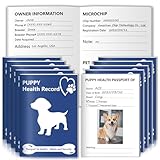
- Sufficient Quantity:When you choose our dog vaccines records, you'll receive 10 notebook.Whether you're a breeder, veterinary practice, or multi pet household, this will ensure you have enough documentation on hand for managing each pet's health history。Every puppy vaccination record book has 12-page puppy health journal has 8 dedicated pages for tracking your pup’s health, vet visits, and key details, with 4 blank pages at the end for jotting down extra notes, pet-related info, or anything else you want to record.
- .Ideal Size for Record Keeping:Each dog vaccine record book measures 5x3.5 inches folded; 5x7 inches unfolded, allowing for easy portability and storage.These handy health records notebook for dogs with double sided printing, featuring enough space and columns for all your pets important information,plus, it has dedicated spots for sticking on vaccine stickers and adding cute puppy photos.They offer a stylish and organized approach to pet health documentation, a must have addition to your pet supplies.
- Premium Quality: The puppy health record tracker’s cover features 300gsm coated paper with vibrant full-color printing and a protective laminate finish. Inside, 100gsm high-quality offset paper pages are durable and ink-resistant, ensuring no bleeding from pens or markers—so your records stay neat and easy to read.
- .Effortlessly Track Vaccinations and More:The canine health record booklets pages include:owner and puppy information,medical history and hospitalizations,vaccination record and sticker,dog service providers,fecal examinations and de-worming,heartworm screening, prevention and treatment etc.This record keeping tool will ensure every important detail is accounted for and make this task easy, organized, and straightforward.Add this essential tool to your pet supplies for a happier, healthier pet.
- Essential for Pet Owners:Designed for veterinary clinics and pet owners, these puppy vaccination record books make tracking key health details—like shots, checkups, and treatments—simple and organized. When you’re away and leave your pup with a sitter or family, the dog medical record and vaccine book serves as a quick reference for their medical history, ensuring care stays on track even in your absence. Plus, dedicated sections for photos, physical markings, and ID info prepare you for emergencies, helping you recover your friend quickly if they ever get lost.
Preparing for a vaccination appointment
- Collect records: Bring clinic certificates, adoption paperwork, previous invoices and dates of travel or boarding. A vaccination record book can help you organize dates and questions, but it does not establish which vaccines are appropriate and never replaces the veterinary clinic’s official record.
- List exposures: Note indoor/outdoor access, dog parks, day care, boarding, grooming, hunting, farm visits, contact with wildlife and other animals in the home.
- Report health changes: Tell the clinic about current illness, prior reactions, chronic disease, pregnancy, allergies and all medications or supplements.
- Ask for a written plan: Request the vaccine components, the reason each is recommended, the next due date, legal requirements and what signs should prompt a call.
- Observe aftercare instructions: Follow the clinic’s guidance on activity, monitoring and when to seek help. Do not give human medicines unless a veterinarian specifically directs you.
Normal reactions, warning signs and missed doses
Mild soreness, tiredness or a temporary decrease in appetite can occur after vaccination. Your clinic should tell you what is expected for the product used and how long it should last. Seek urgent veterinary advice for trouble breathing, facial swelling, collapse, repeated vomiting, widespread hives or other sudden severe signs. Keep the invoice or certificate so a suspected reaction can be documented before a future dose is planned.
If a dose is late, do not restart or double a series on your own. Contact the veterinary practice with the pet’s age and records. The veterinarian determines whether an interval can simply be adjusted, whether a series needs repeating and how rabies law affects the animal’s status. A missed appointment is a reason to obtain tailored advice, not to abandon protection.
Core versus risk-based: a practical decision guide
| Question | If the answer is yes | If the answer is no or unknown |
|---|---|---|
| Is this vaccine designated core for the species in the applicable guidance? | Discuss it at every preventive-care visit unless a veterinarian identifies a specific contraindication. | Continue to the exposure and legal questions. |
| Does local law require it? | Follow the jurisdiction’s recognized product and interval; keep proof of vaccination. | Risk still may justify vaccination, but the veterinarian evaluates it. |
| Could the pet encounter the pathogen through travel, boarding, wildlife, water, soil or other animals? | A risk-based vaccine may be appropriate. | A lower exposure probability may support omitting a noncore component, subject to professional advice. |
| Is the pet ill, immunocompromised or known to have reacted severely? | Tell the veterinarian before vaccination; timing or formulation may need adjustment. | Proceed with the individualized plan and normal monitoring instructions. |
Questions owners commonly ask
Does an indoor cat still need core vaccines?
Indoor status lowers some exposures but does not erase escape, clinic, household or future-contact pathways. Core recommendations remain a veterinary decision based on the cat’s history, health and local requirements.
Can I use a friend’s schedule for my puppy or kitten?
No. Age, product, previous doses, health and jurisdiction can differ. Use the schedule written for your own animal by its veterinarian.
Also popular on Amazon
What if I cannot find any vaccination records?
Tell the clinic exactly what is known. The veterinarian may recommend a documented catch-up approach or other evaluation; guessing at dates can leave the pet or the community unprotected.
Does vaccination make my pet unable to carry any infection?
No vaccine guarantees complete prevention of every infection or transmission event. Vaccination lowers disease risk for the targeted pathogens, while hygiene, avoiding risky contact and prompt care remain important.
Frequently Asked Questions
Are core vaccines the same in every country?
No. Core designations are guidance categories that vary by species, jurisdiction and date. Local law, licensed products, disease prevalence and a veterinarian’s assessment determine an individual schedule.
Is rabies vaccination only about protecting my pet?
No. It protects the vaccinated animal and helps reduce opportunities for transmission to other animals and people. WHO says more than 70% dog-population vaccination coverage is needed in campaigns to prevent transmission.
Does One Health mean pet vaccination has a measured environmental benefit?
Not on the evidence summarized here. One Health recognizes links among people, animals and the environment; the cited sources do not quantify a direct ecosystem benefit from routine household pet vaccination.





Leave a Reply