What’s actually slowing this PC down?
Pick the symptom - the matching free tool is one click away.
Fish adapt to their environments through changes in anatomy, physiology, behavior, and life-cycle stage. These adaptations help them obtain oxygen, balance water and salts, avoid predators, tolerate temperature and pressure, and move between habitats—but what works for one species may not work for another.
Gills, body shape, color, and sensory systems each address different challenges. Examples such as migrating salmon, bottom-living flounder, deep-sea fish, and opah show how adaptations fit particular habitats rather than creating one universal design.

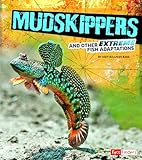


What does adaptation mean in biology?
In evolutionary biology, an adaptation is an inherited trait that helps an organism survive and reproduce in its environment. National Geographic Education defines an adaptation as “any heritable trait that helps an organism, such as a plant or animal, survive and reproduce in its environment.”
Adaptations become more common in populations over generations through natural selection. An individual fish does not consciously develop a new inherited trait because it needs one. This differs from acclimation, a physiological adjustment an individual makes during its lifetime. For example, Atlantic salmon change the function of their gills and other organs before entering seawater.
The Tool Desk
Outbyte Driver Updater FREEScan for outdated or missing drivers - takes under a minuteDriver Scan →Outbyte PC Repair FREERepair Windows errors before they cause bigger problemsFix Now →#1 Best Overall
How do fish use gills to breathe and regulate their bodies?
Fish extract dissolved oxygen from water as it flows over thin gill tissues. Oxygen enters the blood and carbon dioxide leaves it. Gills also help regulate ions, acid-base balance, and nitrogenous wastes, so they play a role in more than gas exchange.
Freshwater fish tend to gain water and lose ions to their surroundings. They replace salts and release large volumes of dilute urine. Marine bony fish tend to lose water, drink seawater, and remove excess salts. Exact strategies vary by species and fish group. OpenStax explains osmoregulation and osmotic balance.
Oxygen availability also varies with habitat conditions. Fish responses and tolerance differ by species; no single adaptation lets all fish function normally in low-oxygen water.
How do body shape and fins help fish move and feed?
Fins and body shape support propulsion, steering, stability, and maneuvering. Their usefulness depends on the habitat and the fish’s way of life.
Do these 3 things before closing this tab:
1Fix the driver behind crashes, sound loss and screen glitches2Repair Windows errors before they cause bigger problems3Scan for outdated or missing drivers - takes under a minuteRank #2
| Habitat or challenge | Example adaptation | How it helps |
|---|---|---|
| Open water | Streamlined body and efficient propulsion | Supports movement through the water |
| Seafloor | Flattened body | Fits a bottom-living way of life |
| Complex reef or vegetation | Fins suited to precise maneuvering | Helps a fish turn around obstacles and shelter |
Winter flounder provide a seafloor example. As they develop into bottom-living fish, their bodies flatten and both eyes come to lie on one side. They can also blend with their surroundings. These traits suit their habitat; they are not general features of all fish. NOAA Fisheries describes winter flounder.
How do fish adapt to cold water and depth?
Cold and pressure pose different challenges, and fish species have different responses. NOAA reports that below about 200 meters, ocean water averages about 4°C, and pressure increases by about one atmosphere for every 10 meters of depth. These are descriptions of deep-ocean conditions, not a claim that every fish responds in the same way. NOAA Ocean Exploration explains deep-ocean pressure and conditions.
Some fish have specialized cold-water adaptations. Winter flounder have an antifreeze protein that helps them tolerate very cold seawater. Opah have blood vessels near the gills that rewarm blood and fatty tissue that insulates organs and muscles, helping maintain a warm core in cold water. NOAA Fisheries describes opah.
How do fish use color and camouflage?
Camouflage depends on light and background. Color patterns may help a fish blend into its surroundings, and the useful pattern can change with depth and local conditions. In deep water, faint light from above can make an animal visible in silhouette, while bioluminescence can also reveal it.
Quick wins for a faster PC:
Repair Windows errors before they cause bigger problemsFix Now →Fix the driver behind crashes, sound loss and screen glitchesFind Drivers →Clear out junk files and repair common Windows errorsFree Scan →Rank #3
Some deep-sea fish have ultra-black skin. A 2020 study by Davis and colleagues reported reflectance below 0.5% in 16 deep-sea fish species spanning seven distantly related orders. The authors proposed that absorbing bioluminescent light can reduce visibility. This finding applies to the studied species, not to all deep-sea fish. Davis et al. reported the findings in Current Biology.
Some deep-sea animals also use counterillumination, producing light underneath the body to blend with light from above. Smithsonian Ocean describes counterillumination.
How do salmon adapt when they move between habitats?
Atlantic salmon show how adaptation can involve a life cycle and physiological change, not just a fixed body feature. Before moving from freshwater to the sea, young salmon undergo smoltification: their gills and other organs functionally change to prepare for marine life.
- Freshwater development: Young salmon grow in rivers and streams.
- Smoltification: Their gills and other organs change function to help them regulate salts in seawater.
- Ocean migration: The fish move to the sea, where they continue growing.
- Return: Adults return to freshwater to reproduce.
These changes help salmon cope with different habitats over their life cycle. NOAA Fisheries explains Atlantic salmon science.
Rank #4
Why do fish adaptations differ by species?
Fish face different combinations of salinity, oxygen availability, light, temperature, pressure, food, shelter, and movement between habitats. A trait that helps a bottom-living flounder may not help a fish in open water, and a salmon’s salt-regulation changes address a different challenge from an opah’s cold-water adaptations.
Adaptation is a fit between a species and its environment, not a guarantee of survival under every condition. The most useful explanation connects a trait to the particular challenge it helps address.
Independent reader supportYour contribution helps us test, update, and keep practical guides available for everyone.FAQ
How do fish adapt to their environment?
Fish adapt through anatomy, physiology, behavior, and life-cycle changes suited to particular habitats. Gills, salt regulation, camouflage, body shape, and migration are examples.
How do freshwater and marine fish regulate water and salts?
Freshwater fish tend to gain water and lose ions, so they replace salts and release dilute urine. Marine bony fish tend to lose water, drink seawater, and remove excess salts. Strategies vary among fish.
Best Value
How do fish adapt to deep-sea conditions?
Adaptations vary by species. Some deep-sea fish have ultra-black skin that may reduce visibility by absorbing bioluminescent light; deep-sea conditions also include cold water and increasing pressure.
How do Atlantic salmon adapt to seawater?
Before moving from freshwater to the sea, young salmon undergo smoltification, during which their gills and other organs functionally change to prepare for marine life.
The bottom line
Fish adapt to their environments through combinations of anatomy, physiology, behavior, and development. Gills help with oxygen exchange and salt regulation, while camouflage, body form, cold tolerance, and life-cycle changes suit other challenges. The relevant adaptation depends on the fish and its habitat.
Quick Recap
Product prices and availability are accurate as of the date/time indicated and are subject to change. Any price and availability information displayed on Amazon at the time of purchase will apply.




