
What’s actually slowing this PC down?
Pick the symptom - the matching free tool is one click away.
Yes, you can adopt a cat from Florida while living in another eastern state, but a responsible move is more than putting a cat on a truck. The Florida shelter or rescue, the receiving organization, a veterinarian, and the adopter must coordinate placement, medical records, humane transport, and the destination state’s current entry rules.
There is no single “eastern U.S.” rule. The state or territory receiving the cat sets its own requirements. Identify the destination first, then verify documents, vaccinations, tests, treatments, and timing with that authority and your veterinarian.
As an Amazon Associate I earn from qualifying purchases.
What an interstate cat placement involves
Interstate relocation works best as a placement partnership. A source shelter in Florida transfers a cat to a destination shelter or rescue that has appropriate space and adoption demand. The destination organization then matches the cat with a screened family and remains responsible for records and support after arrival. The ASPCA describes this source-to-destination model as a way to move animals from communities with high homeless-pet populations to organizations better positioned to find adopters. Programs may use ground or air transport and coordinate safety and disease-prevention measures with partner shelters.
Do these 3 things before closing this tab:
1Fix the driver behind crashes, sound loss and screen glitches2Repair Windows errors before they cause bigger problems3Scan for outdated or missing drivers - takes under a minuteFor an individual adopter, that usually means you do not arrange every legal and welfare detail alone. Ask which Florida organization owns the placement, which receiving organization accepts the cat, who is transporting it, and who will answer questions after adoption. A direct private trip can also be appropriate, but the same health, containment, and destination-rule checks still apply.
#1 Best Overall
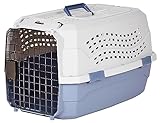
- Hard sided pet carrier with 2 doors for front and top entry; suitable for cat or medium size dog weighing 12 - 20 pounds
- Durable plastic construction with steel wire doors; screws keep the top and bottom sections securely connected
- Spring load latches ensure easy one-handed door opening and closing; top door swings open to the left or right and includes a top carry handle
- Plenty of air ventilation on the sides, top, and back of the carrier
- Note: Be sure to measure the size of the pet when choosing carrier size
Why destination matters more than distance
Florida’s Department of Agriculture and Consumer Services (FDACS) tells people moving cats out of Florida to contact the destination State Animal Health Official. USDA APHIS likewise says the receiving state or territory determines domestic movement requirements. A trip to Georgia, New York, Ohio, or Minnesota may therefore involve different paperwork or medical conditions. Do not treat Florida’s rules for animals entering Florida as the rules for leaving Florida, and do not assume one state’s requirements apply to its neighbors.
Check the receiving state before reserving transport
Start this process as soon as a destination is known. APHIS recommends involving a veterinarian early, because some requirements depend on examination dates, vaccination timing, laboratory turnaround, or treatments that must occur within a specified window. The state authority, not a transporter’s informal advice, is the controlling source.
- Name the destination. Record the state or territory where the cat will physically enter, and whether the final stop is a private home, shelter, foster placement, or another facility.
- Find the State Animal Health Official. Use the receiving state’s official animal-health channel and ask for the current rules for a cat originating in Florida. Request the requirements in writing or save the agency’s current guidance.
- Ask what documents are required. Depending on the destination, officials may require a certificate of veterinary inspection (often called a health certificate), vaccination updates, diagnostic testing, parasite treatment, or other records. The exact list is state-specific and can change.
- Give the rules to the veterinarian. The examining veterinarian should know the destination, travel date, transport method, and any timing limits before issuing paperwork.
- Recheck shortly before departure. FDACS notes that additional New World screwworm requirements can apply to warm-blooded animals originating in affected zones. Check current notices and origin-specific conditions close to travel rather than relying on an old certificate or a prior trip’s checklist.
Do not book a nonrefundable trip until the shelter or rescue confirms that the required examination and documents can be completed within the destination’s validity period. Keep copies with the cat’s records and with the receiving organization.
Free tools Windows power users keep installed
One-click scans. No signup required.
Veterinary preparation and records to request
A responsible relocation begins with an assessment that the cat is fit to travel and suitable for the planned journey. ASPCA transport guidance calls for veterinary evaluation, appropriate vaccination and parasite treatment, and lawful certificates for interstate movement. “Healthy enough to travel” is not the same as “has a vaccination record”; the veterinarian must consider illness, injury, pregnancy, age, stress tolerance, and the length and conditions of the trip.
Rank #2
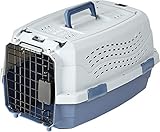
- Hard sided pet carrier with 2 doors for front and top entry; suitable for cat or extra-small dog breeds, such as chihuahuas and toy poodles (up to 11 pounds)
- Durable plastic construction with steel wire front door; screws keep the top and bottom sections securely connected
- Top door can swing open to the left or right for easy access and convenience
- Plenty of ventilation on sides, top, and back of the carrier
- Note: Be sure to measure the size of the pet when choosing carrier size
Ask for a complete handoff record
- Certificate of veterinary inspection or other health certificate required by the receiving state.
- Vaccination history, including product and administration date where recorded.
- Recent examination findings and any restrictions on activity or travel.
- Medication names, doses, schedules, and instructions for missed doses.
- Parasite-prevention and treatment history.
- Diagnostic results and a clear explanation of ongoing conditions.
- Microchip number and registration information, if the cat is chipped.
- Sterilization status and the date of surgery, if already altered.
- Emergency contact details for the source organization, destination organization, and veterinarian.
Ask who physically carries the original certificate, who keeps digital copies, and how records will reach you at adoption. A transporter should not be the only person with medical information.
Florida sterilization and shelter records
Section 823.15 of the 2025 Florida Statutes requires covered agencies to maintain monthly intake and outcome records, including out-of-state transfers. The statute also provides for sterilization before an animal is released for adoption, or an agreement to complete sterilization within 30 days or before sexual maturity. This is a statewide record-and-sterilization framework; it does not reveal how many cats any particular shelter transfers. If transfer volume matters to your decision, ask that organization for its own records rather than inferring a number from the statute.
Design a humane journey
Transport welfare is part of the placement decision, not an afterthought. ASPCA guidance calls for visible, secure enclosures; adequate ventilation; climate control; observation; and schedules that protect animals and people. Ask for a plan that covers loading, stops, handoffs, overnight arrangements, and emergencies.
Questions about the carrier and vehicle
- Is the enclosure escape-resistant, sized so the cat can stand, turn, and lie down, and easy for staff to inspect?
- Can staff see the cat without opening the enclosure in an unsafe location?
- How are airflow and temperature maintained in the vehicle or aircraft?
- Are carriers secured against sliding, tipping, or contact with cargo?
- How are litter, water, bedding, cleaning supplies, and spare enclosures handled?
- Who checks each cat during the trip, and how often are observations recorded?
- What happens if a cat vomits, stops eating, becomes distressed, escapes, or shows breathing trouble?
A secure consumer carrier may be useful for an adopter collecting a cat or making an individual trip, but no carrier should be assumed to satisfy a shelter, airline, or vehicle standard without checking its specifications and the transporter’s rules. The relevant test is whether the entire setup is secure, observable, ventilated, climate-controlled, and appropriate for that cat.
Rank #3

- SECURE AND COZY DEN: The Petmate Two-Door portable dog crate provides easy access with top or front-loading doors, offering a safe and comfortable space for your pet's natural denning instincts
- AIRLINE-APPROVED: This small dog carrier airline approved meets most airline cargo specs. Ventilation holes provide fresh air and 360-degree visibility for your pet
- IDEAL FOR SMALL PETS: Designed as a puppy carrier for small dogs 0-15 lbs, the 24-inch crate offers room for pets to stand, turn, and lie comfortably; with space for a cushion to enhance comfort
- EASY ASSEMBLY AND MAINTENANCE: The plastic dog crate shell is simple to clean; a stay-dry moat directs fluids away from pets
- CONVENIENT: Featuring steel doors with easy-squeeze latches and a foldable handle, this USA-made pet carrier for dogs & cats provides a less stressful travel experience
Plan the journey, not just the departure
Long-distance trips need a written itinerary. Ask for the estimated total duration, rest stops, meal and water arrangements, overnight locations, weather contingencies, and every handoff. A route that looks direct on a map can become much longer through delays, transfers, or an overnight stop. The destination organization should know when to expect the cat and who has authority to change the plan if conditions become unsafe.
For a group transfer—such as a proposed trip carrying more than 10 cats from Florida to Minnesota—the number of animals does not by itself tell you which rules apply. Ask the receiving state and the veterinarian about the requirements for each cat, then require the transporter to explain how animals will be identified, separated when necessary, monitored, and reunited with the correct records.
Compare placement and transport arrangements
When a shelter offers several routes or transport partners, compare them using the same questions. These are practical decision criteria derived from APHIS destination guidance and ASPCA relocation and transport policies, not a published rating system.
Recommended Free Tools
| Decision area | What to verify | Warning sign |
|---|---|---|
| Destination compliance | Named person confirms the receiving state’s current rules and obtains the required certificate or records. | “Our standard paperwork works everywhere” without destination confirmation. |
| Health and disclosure | Veterinary examination, vaccination and parasite history, test results, medications, and known conditions travel with the cat. | Records are promised later or medical questions have no accountable contact. |
| Transport welfare | Secure visible enclosures, ventilation, temperature control, observation logs, supplies, and an emergency response plan. | No explanation of monitoring, climate control, or what happens during illness. |
| Journey burden | Realistic duration, stops, overnight arrangements, weather contingencies, and documented handoffs. | Only a departure time is given, with no plan for delays or overnight care. |
| Placement responsibility | Receiving shelter or rescue is identified, adoption terms are clear, and post-arrival support is available. | No named organization accepts responsibility after the vehicle arrives. |
How an adopter can arrange a Florida-to-eastern-state adoption
- Choose an accountable source. Confirm the Florida shelter or rescue’s legal name, adoption contact, and policy for interstate placements. Ask whether the cat is being transferred to a partner organization or directly to you.
- Confirm the receiving organization. Get the destination shelter, rescue, foster, or veterinary contact and ask who approves the placement, receives the records, and handles emergencies.
- Verify destination rules. Contact the receiving state’s animal-health authority before the travel date. Ask specifically about certificates, vaccination timing, tests, treatments, microchip identification, and any special origin conditions.
- Schedule the veterinary work. Give the veterinarian the destination instructions and planned itinerary. Build in time for examination, laboratory results, certificates, and corrections if a form is incomplete.
- Review the cat’s individual needs. Discuss age, illness, medications, behavior, motion sickness, separation from bonded companions, and whether the proposed journey is appropriate.
- Read the transport plan. Obtain the route, duration, stops, overnight arrangements, enclosure method, monitoring schedule, climate controls, and emergency contacts in writing.
- Prepare your home and pickup. Have a quiet room, litter, food approved by the shelter, water, and a secure carrier ready. Ask whether the cat should go directly home or first be examined by a local veterinarian.
- Receive and reconcile records. At handoff, match the cat’s identification to the certificate and medical file. Confirm medication instructions, follow-up appointments, sterilization status, and the contact for post-adoption support.
Costs, timing, and responsibilities to clarify
There is no universal adoption fee, transport charge, certificate price, laboratory fee, or required timeline. Those amounts vary by organization, veterinarian, destination, and transport method. Request an itemized estimate instead of assuming that an advertised adoption fee covers interstate preparation.
Rank #4

- Hard sided pet carrier with 1 door for front entry; suitable for a cat, dog, or other small pet
- Durable molded plastic construction; locking door mechanism for secure closure
- Top handle for easy carrying
- Metal wire door and side panels provide ventilation
- Product Dimensions: 23.6 x 15.7 x 13 inches (LxWxH)
Ask who pays for the examination, certificate, tests, parasite treatment, carrier, transport, overnight care, and any veterinary attention caused by a delay. Also ask what happens if the destination authority rejects a document, a flight or vehicle is canceled, or the cat is found unfit to travel. A written cancellation and contingency policy protects both the adopter and the animal.
Independent reader supportYour contribution helps us test, update, and keep practical guides available for everyone.How national shelter figures fit the Florida question
ASPCA’s 2026 release, using full-year 2025 Shelter Animals Count data, estimates that 5.8 million dogs and cats entered U.S. shelters and rescues in 2025, including 3 million cats. It also reports 4.2 million shelter animals adopted in 2025; that adoption figure combines dogs and cats. ASPCA cautions that national estimates can vary from state to state, so these numbers provide context rather than evidence of the need in a specific Florida county or receiving state.
ASPCA president and CEO Matt Bershadker said, “Keeping pets in loving homes, removing barriers to adoption and helping lost pets return to their families are some of the most effective ways to support animals and reduce pressure on shelters that are already operating at or beyond capacity.” Relocation can be one part of that broader effort when the destination has real capacity and the move is planned around the cat’s welfare.
Outdated Drivers Are Slowing You Down
One free scan finds every outdated or missing driver and matches the right update for your exact hardware.Free scan · exact hardware matchWindows Errors? Fix Them Before They Spread
Repair common Windows errors and clear accumulated junk for a smoother, more stable PC - no reinstall needed.Free scan · no reinstallCommon mistakes and how to avoid them
Assuming one checklist covers every state
Fix this by naming the destination and contacting its animal-health authority. Requirements can differ even among neighboring states and can change after you have made an earlier trip.
Best Value

- Pet Carrier: 17.5” L x 11” W x 11” H, Recommended max load of 16 lbs cats small dogs. Please do not choose your carrier based on weight--please reference your pet's length and height in selecting a pet carrier size.
- Fits for under-seat dimensions of most airlines. Every airline has a specific set of rules and regulations, please contact with airline before flying with your cats small dogs.
- Mesh windows for ventilation, top and side entry with locking zippers for safety. Carrying handles, adjustable shoulder strap which can also be used as seatbelt, and back strap can fasten the pet carrier to your luggage.
- Pet carrier comes with a removable base insert, which creates a solid surface for your pet to stand on, along with a removable & hand washable cozy fleece pet bed, which offers a cozy sleeping space for your traveling cats small dogs.
- "Toys for pets, of textile materials". Mostly used as a Toy of Fabric Pet Home for pets playing and relaxing.
Leaving paperwork until departure week
Fix this by involving the veterinarian when travel details are known. Certificates, tests, and treatment windows may require appointments or laboratory time.
Treating transport as a delivery service
Fix this by asking how the cat is observed, ventilated, temperature-controlled, fed, watered, cleaned, and protected during stops and handoffs.
Accepting incomplete medical disclosure
Fix this by requesting the examination, vaccination, parasite, medication, diagnostic, microchip, and sterilization records before committing to adoption.
Using national statistics to justify a local claim
Fix this by describing the figures as national context. Obtain local intake, outcome, and transfer records when a Florida shelter’s scale matters.
Quick Recap
A final pre-departure checklist
- Destination state or territory is identified.
- Receiving animal-health authority has been contacted and current requirements saved.
- Veterinarian has the destination rules and travel itinerary.
- Required examination, certificate, vaccination updates, tests, and treatments are complete within the allowed timing.
- Medical records, microchip information, sterilization status, and emergency contacts are copied for every cat.
- Source and destination organizations have named responsibilities.
- Carrier, ventilation, temperature control, observation, cleaning, and emergency procedures are documented.
- Route, stops, overnight care, weather contingencies, and handoffs are understood.
- Adopter has a quiet arrival space, supplies, and a local veterinary plan.
- Current FDACS notices, including any New World screwworm conditions affecting the origin, have been rechecked.
Product prices and availability are accurate as of the date/time indicated and are subject to change. Any price and availability information displayed on Amazon at the time of purchase will apply.





Leave a Reply