There is no single cold-weather exercise quota that fits every dog. On a chilly day when your dog is comfortable and willing to move, its usual activity may still be appropriate. As conditions become colder, wetter, windier, or more slippery—or your dog shows signs of discomfort—make outdoor outings shorter and use indoor activity to fill the gap. The right amount depends on your dog’s normal needs, individual cold tolerance, the conditions, and its response.
Veterinary guidance from Cornell University and the American Animal Hospital Association (AAHA) does not establish a universal number of daily minutes or a temperature at which every dog should stay inside. Use your dog’s behavior, rather than a fixed weather formula, to decide when to adjust.
As an Amazon Associate I earn from qualifying purchases.
Why cooler weather does not change every dog’s exercise needs in the same way
Exercise needs and cold tolerance are related, but they are not the same question. Your dog may still need regular movement when the weather cools, while being able to tolerate less time outdoors. Keeping its usual activity needs in mind helps you avoid treating a short, uncomfortable walk as an adequate substitute for the activity it normally gets. At the same time, a dog that is cold or distressed should not be kept outside just to meet a routine.
Cornell veterinarian Aly Cohen’s guidance is to watch a dog’s behavior in cold weather and adjust its exposure accordingly. That approach matters because dogs vary in how well they handle cold. Age, size, nutritional status, health, coat thickness, and acclimation all affect tolerance. A dog accustomed to cold weather may respond differently from one that rarely goes outside in it, even if both are otherwise healthy. Body condition matters, too: being underweight can leave a dog more vulnerable, while a dog’s overall nutritional and health status can affect how it handles cold.
#1 Best Overall

- Durable Protection For Active Dogs: Durable dog coat with iconic roots for the hardest working dogs. Fully insulated firm-hand duck canvas perfect for dogs who need a tough, reliable dog winter jacket in cold, windy conditions
- Built For Tough Conditions: Built with heavy duty firm-hand duck canvas the 12-Ounce exterior shell is crafted to handle the toughest outdoor conditions, offering durability and protection against wind and cold weather. The triple needle stitch on main seams ensures a long lasting product
- Insulated Interior For Cold Weather| Designed as a dog winter coat, this insulated dog jacket features a quilted liner and corduroy-lined collar for added warmth, keeping your dog comfortable even in cold temperatures. Warmer than a traitonal dog puffer jacket
- Easy To Adjust And Wear: The improved neck and chest tabs, along with loop-lined straps for chest and waist, ensure a secure, adjustable fit for small, medium, and large dogs
- Sizing: Offering dog jackets for small dogs(Chest Girth: 16"- 21"), dog jackets for medium dogs (Chest Girth 22"- 28"), dog jackets for large dogs (Chest Girth 25"- 38"), and dog jackets for extra large dogs (Chest Girth 30"- 45") See sizing chart in images
Dogs that may need extra caution
Pay particular attention to small dogs; puppies; older dogs; dogs with short or thin coats; underweight dogs; dogs with health conditions; and dogs not acclimated to cold. These are risk factors, not a guarantee that a particular dog will become uncomfortable at a specific temperature. Watch the individual animal and ask its veterinarian for advice if it has a medical condition or exercise requirements that make a generic plan unsuitable.
How to decide whether to keep the usual routine or shorten a walk
Think of the decision as a response to both the outing and the dog, rather than as a fixed number of minutes. An otherwise healthy, cold-acclimated dog that remains comfortable and eager to walk may be able to continue its normal activity on a chilly day. When cold becomes more severe, AAHA recommends short, frequent walks instead of long outings. Snow, ice, wetness, and wind can also make a route more challenging, so adjust the plan as conditions change. There is no single weather formula in the veterinary guidance that converts those conditions into a safe duration for every dog.
- Start with the dog’s normal needs. Use the amount and kinds of activity that suit your dog as the baseline, rather than assuming every dog needs the same daily duration.
- Consider who is going outside. Be more cautious with dogs that are small, young, older, thin-coated, underweight, medically vulnerable, or unaccustomed to cold.
- Look at the conditions and route. More difficult cold, snow, ice, or treated surfaces can be reasons to shorten the outing or choose another form of activity. A route with salt or deicer also calls for paw care afterward.
- Watch the dog throughout. If it is comfortable and willing, continue to monitor it. If it shows signs of cold discomfort, end the outdoor outing and move it somewhere warm and dry.
- Make up activity another way when needed. Use indoor enrichment or ask a veterinarian about a suitable plan if outdoor time is repeatedly restricted.
This is a decision framework, not a weather calculator: veterinary guidance does not provide a universal walk length or temperature cutoff. A forecast alone cannot tell you how long a specific dog can safely stay out. A dog’s response during the walk matters, and the plan may need to change as conditions or the dog’s comfort change.
Free tools Windows power users keep installed
One-click scans. No signup required.
Signs that mean the outing should end
Do not wait for a scheduled endpoint if your dog looks uncomfortable. Cornell identifies these signs as reasons to bring a dog to a warm, dry place:
- Shivering
- Whining or barking
- A tucked tail or hunched posture
- Lifting paws
- Reluctance to walk
- Sudden anxious behavior
Brian Collins, D.V.M. ’94, section chief of the community practice service at Cornell University Hospital for Animals, notes: “If a dog is picking up its feet or seems reluctant to walk this may be a sign that he/she is too cold.” Paw lifting can be easy to dismiss as a brief reaction to the ground, but together with reluctance or other discomfort it is a reason to stop and reassess rather than urge the dog onward. In practice, you do not need to wait for several signs to appear: a clear change in willingness or comfort is reason to head somewhere warm and dry.
Prolonged cold exposure can lead to frostbite or life-threatening hypothermia. If you suspect either, seek veterinary care promptly. Do not treat a coat, sweater, or boots as permission to continue an outing when the dog is signaling distress.
Ways to keep activity up when outdoor time is limited
When cold, ice, or other conditions make a walk impractical, shift some activity indoors instead of expecting one outdoor outing to do everything. AAHA suggests mental enrichment such as interactive games, puzzle toys, and training. These options can occupy a dog when it cannot comfortably spend as long outside; choose activities suited to the dog and the space available. They also give you alternatives for a day when the route itself—rather than the dog’s willingness to move—is the limiting factor.
Outdated Drivers Are Slowing You Down
One free scan finds every outdated or missing driver and matches the right update for your exact hardware.Free scan · exact hardware matchPC Slower Than It Used to Be?
A free scan shows the junk files, broken settings and background clutter dragging Windows down - then fixes them in one click.Free scan · Windows 10 & 11Rank #2
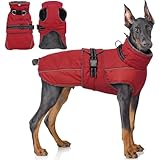
- SNOW & WATER RESISTANT DOG COAT: The dog winter coat is made of premium water-resistant fabric with fleece lining. The windproof dog jacket turtleneck design can keep the dog warm even in cold weather. Ideal for indoor and outdoor activities
- EASY TO WEAR: Quick release buckle and adjustable strap on back make the large dog coat easy to put on and take off. There are adjustable elastic straps on collar that can adjust the tightness and prevent wind and snow. QBLEEV dog clothes can machine washable
- REFLECTIVE DOG COAT WITH HARNESS BUILT IN: This dog winter jacket is designed with reflective strips, which ensuring your dog's safety in low-light conditions. There are two D-rings on the neck, which can be attached to a leash, making outdoor walking more convenient
- WATERPROOF THERMAL DOG JACKET FOR COLD DAYS: Our dog cold weather coats are great for walking, hiking, running, climbing, snow skiing, jogging, camping. Also provides optimal warmth and dryness in foggy, lightly rainy, and snowy conditions. QBLEEV warm dog coat is ideal for winter daily wear
- 6 SIZES AVAILABLE FOR SMALL MEDIUM LARGE DOGS: S, M, L, XL, XXL, XXXL. The fleece dog coat fits for nearly all kinds of breed furry friend. Such as Chihuahua, Beagle, Poodle, Bulldog, Schnauzer, Labrador, Golden Retriever, Teddy, Yorkshire Terrier, Maltese, Pekingese, Pomeranian, Cocker Spaniel, Jack Russel, Pug, Husky, Samoyed, Boston Terriers, etc
Use games and training as purposeful activity
Short training sessions and interactive games give you a way to engage your dog indoors. Puzzle toys can provide another form of enrichment. These are alternatives for days when outdoor exercise is restricted, not a claim that a particular toy or session replaces every dog’s usual exercise needs. If bad weather repeatedly changes the routine, build a mix of indoor and outdoor activities that works for your dog and discuss its overall needs with your veterinarian.
Consider a treadmill only with professional guidance
A dog treadmill may be an option for some dogs, but it is not automatically appropriate for every animal. Cornell advises consulting a veterinarian or veterinary sports-medicine specialist to assess whether the dog is a candidate and to establish safe protocols. That guidance is important before starting a treadmill routine; do not assume that an unsupervised session is suitable simply because outdoor exercise is difficult.
Coats, boots, and paw care: useful precautions, not a substitute for judgment
A coat or sweater may help dogs that are more sensitive to cold, including some smaller, older, or thin-coated dogs. Boots may protect paws on routes with snow, ice, salt, or chemical deicers. These items address particular exposure concerns; they do not make every cold or icy outing comfortable or safe. Neither item changes the need to observe the dog. If it shivers, lifts its paws, resists walking, or otherwise appears uncomfortable, end the walk even if it is wearing protective gear.
After a walk on surfaces treated with salt or chemical deicers, wash or wipe your dog’s paws. This is a practical route precaution identified in Cornell’s winter-weather guidance. If a route is icy or treated, factor that into whether to go out and how much time to spend on it; a walk need not continue just because the dog is dressed for the weather. Boots may be useful where salt is used, but paw inspection and cleanup remain sensible steps after exposure.
A practical plan for changing winter conditions
Instead of setting a new universal daily target for winter, use a flexible routine that preserves activity when conditions allow and changes course when they do not. These examples illustrate how to apply the guidance; they are not prescribed schedules.
| Situation | Reasonable adjustment | What to watch for |
|---|---|---|
| Chilly weather, and the dog is comfortable and willing to walk | Continue the dog’s usual activity while monitoring its behavior. | Any change in comfort, willingness, posture, or paw-lifting. |
| Extreme cold or a route made difficult by snow or ice | Choose shorter, more frequent walks rather than a long outing; use indoor enrichment when needed. | Cold discomfort, reluctance, or trouble continuing on the route. |
| The dog is among the groups more vulnerable to cold | Take extra care with exposure; consider a coat or sweater where appropriate, and ask the veterinarian for individualized advice if needed. | Shivering, tucked tail, hunched posture, vocalizing, paw lifting, or sudden anxiety. |
| The dog repeatedly cannot comfortably complete outdoor activity | Use games, puzzle toys, or training indoors; ask a veterinarian whether a treadmill plan is appropriate. | Whether the alternative fits this dog’s health and exercise needs. |
Cold tolerance can change with the dog’s condition and the outing itself, so a plan that works on one day may need to change on another. For example, a dog that is happy to walk in chilly, dry weather may respond differently on an outing with snow, ice, or more severe cold. If you are unsure how to balance exercise with a health condition, unusual exercise needs, or repeated cold discomfort, ask your veterinarian for a plan tailored to your dog.
Independent reader supportYour contribution helps us test, update, and keep practical guides available for everyone.What the evidence can—and cannot—tell you
Cornell’s winter-safety guidance describes individual risk factors, observable discomfort, and the dangers of prolonged exposure. AAHA’s cold-safety guidance, published December 17, 2024 and updated February 4, 2026, recommends short, frequent walks in extremely cold temperatures and points owners toward indoor enrichment. Cornell’s January 29, 2021 winter-weather article discusses coats, boots, salt, paw washing, and shorter walks; its treadmill guidance recommends professional input about suitability and safe protocols.
Rank #3

- 【Triple-Shield Protection】This dog coat features a windproof, waterproof, and dirt-resistant softshell, keeping your dog warm and dry in harsh winter weather.
- 【3-Layer Fabric】Built with durable 150D 4-way stretch outer layer, TPU waterproof breathable membrane, and soft thermal fleece lining for comfort and warmth.
- 【Functional Fit for All Dogs】Adjustable neck buckle, elastic belly band, rear leg straps, and tail-end buckle provide a secure fit for small, medium, and large dogs.
- 【Pet-Friendly Design】High collar blocks cold wind, U-shaped belly cut ensures no interference for male or female dogs, while dual zipper leash opening makes walks easier.
- 【Safety in Low Light】Reflective strips increase visibility during evening walks, ensuring your dog stays safe outdoors. Available in multiple sizes from S to 2XL for breeds like Pomeranian, Corgi, Labrador, and Golden Retriever.
These sources support practical adjustments based on the dog and conditions. They do not establish a recommended daily cold-weather exercise duration, a universal walk length, or a temperature threshold that applies to all dogs. If your dog has medical vulnerabilities or you need a specific target, a veterinarian can account for its individual circumstances.
What’s actually slowing this PC down?
Pick the symptom - the matching free tool is one click away.
Frequently Asked Questions
How many minutes of exercise does a dog need in cold weather?
There is no universal cold-weather minute target in the veterinary guidance. Start with your dog’s usual activity needs, then adjust for its cold tolerance, the conditions, and its behavior. In extreme cold, AAHA recommends shorter, more frequent walks rather than one long outing.
Is there a temperature that is too cold for every dog to walk?
The guidance does not set one temperature cutoff for all dogs. Age, size, coat, health, nutritional status, and acclimation affect cold tolerance, so use the dog’s response and the conditions rather than relying on a single number.
What are signs that my dog is too cold during a walk?
Shivering, whining or barking, a tucked tail or hunched posture, paw lifting, reluctance to walk, and sudden anxious behavior are signs to end the outing and move the dog somewhere warm and dry. Suspected frostbite or hypothermia warrants prompt veterinary care.
Can a coat or boots make a longer cold-weather walk safe?
Not by themselves. A coat or sweater may help some smaller, older, or thin-coated dogs, and boots can protect paws on snow, ice, salt, or deicer. Still end the walk if your dog shows discomfort, and wash or wipe paws after exposure to treated surfaces.
What can I do indoors if it is too cold or icy to walk?
AAHA suggests interactive games, puzzle toys, and training for indoor enrichment. A treadmill may suit some dogs, but consult a veterinarian or veterinary sports-medicine specialist first to assess suitability and establish safe protocols.
The Bottom Line
Keep your dog’s usual exercise needs in mind, but let its cold tolerance, the route, and its behavior guide the day’s plan. In severe cold, choose short, frequent outings; stop at signs of discomfort; and use indoor enrichment when outdoor activity is limited. There is no universal daily duration or temperature cutoff for every dog.
Quick Recap
Product prices and availability are accurate as of the date/time indicated and are subject to change. Any price and availability information displayed on Amazon at the time of purchase will apply.




