In the United States, a common cat policy, accident-and-illness coverage, has been reported at about $36 per month on average. That figure comes from NerdWallet, which cites 2025 average premiums from the North American Pet Health Insurance Association (NAPHIA). A separate reported average of about $435 per year comes from the American Animal Hospital Association, which cites NAPHIA’s 2026 report. Both are averages, not quotes for your cat, and they should not be merged into a single trend.
Whether the premium is worth paying depends less on the average than on one question: could you pay a large, unexpected veterinary bill without going into debt or delaying care? If the answer is no, insurance may be worth its cost. If you have enough savings to absorb those bills, you may be better off paying them yourself. The sections below explain how to test that for your own cat.


What cat insurance costs in the U.S.
Two reported benchmarks are useful, but they come from different reports and may use different methods, so read each with its own qualifications.
| Benchmark | Reported figure | Source and year | Plan basis |
|---|---|---|---|
| Most common cat policy type (accident-and-illness) | About $36 per month | NerdWallet, citing NAPHIA 2025 average premiums | A plan with $5,000 annual coverage, an 80% reimbursement rate, and a $250 to $500 deductible |
| Cat accident-and-illness coverage | About $435 per year | American Animal Hospital Association, citing NAPHIA’s 2026 report | Plan settings not stated in the reported figure |
The $36 figure describes a specific plan type and set of settings, so it is the better starting point if you want a sense of a typical monthly premium. The $435 figure is an annual average that does not state its plan settings. Do not treat the $435 as a later version of the $36, and do not assume the two numbers measure the same thing. Prices also move with insurer, location, and the age and breed of the cat, so use these numbers only to set expectations before you request quotes.
Recommended Free Tools
#1 Best Overall

- PET SAFETY REFERENCE FOR DOGS & CATS - Keep important pet safety information easy to find, including signs that may require emergency veterinary care, toxic foods and plants, and safer food options.
- TOXIC FOODS & PLANTS AT A GLANCE - Quickly check common foods and plants that may be harmful to dogs and cats, along with examples of foods pets can safely enjoy in moderation.
- WRITE-IN VET & EMERGENCY CONTACTS - A dry-erase section gives you space to record and update contact information for your veterinarian and local emergency animal hospital.
- PET CPR INSTRUCTIONS ON THE BACK - Flip the magnet over for step-by-step CPR instructions for dogs and cats based on Red Cross guidelines.
- LAMINATED, MAGNETIC & MADE IN THE USA - Durable 8.5 x 11-inch laminated chart includes four magnets on the back for refrigerator or metal-surface display, plus a pre-drilled hole for hanging.
Why your quote will differ
The Pet Insurance consumer page from the National Association of Insurance Commissioners (NAIC), last updated April 16, 2025, states:
“The actual monthly cost of the policy will depend on many variables, including the species of animal, breed, gender, age, location, and the coverages and deductible chosen.”
In practice, that means the following factors can change your quote:
Rank #2
- Species and breed: insurers price cats differently from other animals, and breed can change the price.
- Gender and age: these are rated inputs, so the same cat can quote differently as it ages.
- Location: the same profile can price differently by ZIP code.
- Coverage selected: annual limits, reimbursement rate, and the coverage category all shift the premium.
- Deductible: a higher deductible generally lowers the premium, but you pay more before the policy begins to share costs.
Because each insurer weighs these inputs differently, the only reliable comparison is to run the same cat profile and the same coverage settings through each company.
Quick wins for a faster PC:
Clear out junk files and repair common Windows errorsFree Scan →Fix the driver behind crashes, sound loss and screen glitchesFind Drivers →Repair Windows errors before they cause bigger problemsFix Now →What the coverage categories mean
NAIC identifies three broad categories. Each has different covered services and exclusions, and prices vary across them. Use the categories to orient your search, then confirm what each contract actually includes.
Accident-only
This category is designed around injuries from accidents. It generally does not pay for illnesses such as infections, urinary problems, or chronic disease. It is usually the cheapest option, but it leaves the most common causes of vet bills uncovered.
Accident-and-illness
This is the category behind the $36 benchmark. It adds illness treatment to accident coverage, so it is the category most owners consider when they are trying to protect against a large, unpredictable bill. Read the contract to see which conditions are excluded and whether there are caps for particular conditions.
Wellness
Wellness plans are aimed at routine preventive care, such as vaccinations, checkups, and dental cleanings. They are a separate product from accident and illness coverage, and they do not protect against the cost of a serious injury or illness. Many owners find that a wellness plan and an accident-and-illness plan do different jobs, so compare them separately.
Do these 3 things before closing this tab:
1Repair Windows errors before they cause bigger problems2Scan for outdated or missing drivers - takes under a minute3Clear out junk files and repair common Windows errorsIs cat insurance worth it?
There is no universal yes or no. The Illinois Department of Insurance states plainly:
Rank #4
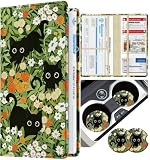
- Large Capacity Document Organizer Keep all your important vehicle documents in one place. This car registration and insurance holder features multiple compartments for registration, insurance cards, driver's license, business cards, receipts, service records, and emergency information
- Easy Access When You Need It Designed with clear organization and dedicated storage sections, allowing you to quickly locate registration, insurance documents, and other essential paperwork during traffic stops, inspections, or everyday use
- Secure Magnetic Closure Slim Design The built-in magnetic closure keeps documents securely stored while allowing quick access when needed. Its slim and lightweight design fits easily in glove compartments, center consoles, door pockets, seat backs, or bags
- Premium Textured Vegan Leather Crafted from durable PU leather with an elegant textured finish, this vehicle document holder is resistant to daily wear while helping protect important paperwork from damage, bending, and clutter
- Matching Car Coaster Included Includes a coordinating absorbent car coaster for a stylish and organized vehicle interior. This practical set combines functionality and appearance, making it a great accessory for cars, trucks, and SUVs
“As with other types of insurance, there is no guarantee that buying pet health insurance will save you money, and it is possible that you will pay more in premiums than you receive in benefits.”
The California Department of Insurance advises consumers to weigh the premium against the total benefit the policy would provide. Insurance transfers part of the financial risk from you to the insurer. It does not reduce your average annual spending on vet care. The value depends on how much risk you can carry yourself and what the policy actually covers.
When insurance is more likely to be worth its cost
- A large unexpected vet bill would force you to borrow, delay treatment, or make hard choices about your cat’s care.
- The policy covers the conditions that concern you most, with limits high enough to matter.
- You are buying coverage while your cat is young and healthy, before pre-existing conditions become a factor.
When self-funding may fit better
- You have savings that could cover plausible costs without strain, and you prefer to pay routine and emergency bills directly.
- You are comfortable going years without a claim, knowing that premiums will be paid during those years.
- The coverage you can find has high exclusions or limits that would leave the most likely expensive treatments unpaid.
Test it with a worked example
The following numbers are hypothetical and are not a prediction for any cat. They use the $36 monthly benchmark (about $432 per year), a $500 deductible, 80% reimbursement, and one covered vet bill of $3,000 in a year. This assumes the deductible applies first and the reimbursement rate applies to the remainder. Confirm that order in your own policy.
Best Value

- Personalized Design: The car insurance and registration card holder is designed with unique floral pattern, making your driving journey more personal and exclusive.
- Premium Material: The car registration and insurance holder are made of high quality eco-friendly PU leather. The material is long-lasting, wear-resistant, naturally beautiful, and looks decent.
- Hidden Magnetic Closure: The car registration and insurance holder are built with hidden magnetic closure, which will keep your car paperwork organizer neat and tidy and ensure the certifications stay closely and and completely protective within the registration pouch.
- Widely Use: The car registration insurance holder is great choice for car, motorcycle, truck, boat, trailer, bus, snowmobile, minivans, sedan.
- A Special Gift: Car registration and insurance card holder purchased as gifts for drivers, women, men, friends, families and colleagues at birthdays, weddings, anniversaries, Valentine's Day, Christmas, Mother's Day
- You pay the $500 deductible.
- The remaining $2,500 is reimbursed at 80%, so the insurer pays $2,000.
- Your share is $500 for the remainder, so your out-of-pocket cost is $1,000 plus the $432 premium, or $1,432 in total.
- Without insurance, you would pay the full $3,000. In that year, the policy would reduce your cost by about $1,568.
- In a year with no claims, you would have paid $432 for coverage you did not use.
Run the same exercise with your own quote and with the bills you think are realistic for your cat’s age and health. If a single bill you could not pay in cash would be a serious problem, the premium is buying that protection. If you could pay it, the premium is buying a smoother budget, which has its own value but is a different decision.
Independent reader supportYour contribution helps us test, update, and keep practical guides available for everyone.Pre-existing conditions and renewal
Most insurers exclude pre-existing conditions, meaning conditions that existed or showed symptoms before coverage began. Ask each insurer how it defines a pre-existing condition, because definitions vary. Ask also how waiting periods work, since some care may not be covered for a set time after you enroll.
Renewal is the less obvious risk. Ask whether a condition treated during the policy term can be classed as pre-existing at renewal, and whether that could lead to an exclusion or a higher premium. A policy that looks strong on day one may be less useful for a chronic condition if the insurer can exclude it later.
What to compare before buying
The Washington State Office of the Insurance Commissioner advises consumers to compare what a policy will and will not cover, and to ask about premiums, deductibles, copays, coverage limits, exclusions, pre-existing conditions, reimbursement, and vet networks. The table below lists the items that most often change what you actually pay.
| Item | Why it matters |
|---|---|
| Coverage category (accident-only, accident-and-illness, or wellness) | Sets the broad types of care that may be eligible, according to NAIC. |
| Annual premium | A recurring cost. Compare quotes only on the same coverage settings. |
| Deductible | The amount you must meet under the policy’s rules before it shares costs. NAIC notes that deductible choice affects cost. |
| Reimbursement, copay, or coinsurance | Determines your share of the bill after the policy’s rules are applied. |
| Coverage and payment limits | Caps or constrains what the policy pays, per condition or per year, as stated by NAIC, Washington, and California regulators. |
| Exclusions and pre-existing-condition definition | Can make a seemingly relevant condition ineligible for payment. |
| Waiting periods | Coverage may not begin immediately for all care, as noted by NAIC and California’s Department of Insurance. |
| Vet network and payment flow | Some plans limit which veterinarians you can use. Payment flow differs (see below). |
| Renewal terms | Whether a condition treated during the term can be treated as pre-existing at renewal. |
Payment flow is a question to verify for each plan. Washington’s Office of the Insurance Commissioner notes that some companies reimburse you after you pay the vet, while others pay the vet directly for covered services. The difference affects how much cash you need on hand at the time of treatment.
How to compare quotes like for like
- Write down your cat’s species, breed, gender, age, and ZIP code, and use the same details for every quote.
- Choose the same coverage category, deductible, reimbursement rate, and annual limit for each insurer. If an insurer cannot match a setting, note the difference rather than treating the quotes as equal.
- Request quotes from several insurers and record the annual premium for each, not only the monthly figure.
- Read the exclusions, waiting periods, and pre-existing-condition definition in the policy wording, not only the summary page.
- Ask how renewal treats conditions that were treated during the term.
- Ask which payment flow applies, whether the insurer reimburses you or pays the vet directly, and whether your preferred veterinarian is in the network.
- Estimate your annual cost under a realistic claim, as shown in the worked example above, and decide whether that trade-off suits your budget.
Current prices and policy wording vary by location, insurer, cat, and plan. Treat the benchmarks here as starting points, and verify every figure against an actual quote and the contract before you buy.
Quick Recap
Product prices and availability are accurate as of the date/time indicated and are subject to change. Any price and availability information displayed on Amazon at the time of purchase will apply.




