What’s actually slowing this PC down?
Pick the symptom - the matching free tool is one click away.
There is no single walking schedule that suits every dog: age, health, breed, body condition, fitness, and energy all matter. Puppies generally need short, frequent outings, adults need a comfortable routine built gradually, and senior dogs often do best with slower, shorter walks. Ask your veterinarian for an individualized plan if your dog has pain, a medical condition, or exercise limitations.
Use your dog’s response during and after walks to guide adjustments. Limping, repeated stopping, lying down, heavy panting, difficulty with curbs, or stiffness afterward are signs to scale back and seek veterinary advice if they persist or recur.
How often should you walk your dog?
Rather than aiming for a universal number of daily walks or minutes, build a routine around your dog’s needs and comfort. A healthy adult can gradually develop a consistent routine, while a puppy needs frequent opportunities to go outside and a senior dog may need gentler movement.
Breed and body shape, health, current fitness, and body condition can change what is appropriate. Short-muzzled dogs and dogs with heart, respiratory, orthopedic, or other health concerns may need a modified plan. Check with a veterinarian before starting a fitness plan for a dog with health concerns.
#1 Best Overall

- Engineered for Ultimate Strength: Constructed from 1/2 inch diameter rock climbing rope, this heavy duty dog leash is distinctively durable and strong. It is designed to withstand the strongest pulls from large and energetic dogs, giving you peace of mind that your pup won't break free during walks
- Comfortable Padded Handle: Say goodbye to rope burn. Our soft, cushioned foam handle provides an amazing grip and protects your hands from sudden tugs. Enjoy longer walks and extended training sessions with total comfort, even if your dog is a puller
- Maximum Nighttime Visibility: Highly reflective threads are woven through the entire length of the rope (not just painted on), keeping you and your fur baby visible to passing cars and cyclists during early morning jogs or late-night strolls. Perfect for urban streets and low-light environments
- Tangle-Free 360° Swivel: Featuring a heavy-duty metal clasp that rotates 360 degrees, this ensures the rope never gets twisted or tangled, no matter how much your dog moves around. The zinc alloy hook is rust-proof and easy to clip onto any dog collar or harness in seconds
- Versatile for Any Activity: Park walks, trail hikes, or yard training. Offers ideal balance of freedom and control. Comes in 4ft, 5ft, 6ft lengths and 12 colors. 3/8" diameter suits small to medium dogs – lightweight and non-bulky. For medium and large dogs, choose 1/2" diameter
How walking needs differ by age
| Life stage | General approach | What to watch |
|---|---|---|
| Puppy | Offer short, frequent, positive outings for bathroom needs and leash learning. Avoid strenuous exercise and long runs while bones and joints are developing. | Endurance, development, and signs of fatigue; ask your veterinarian about a plan suited to the puppy’s size and breed. |
| Adult | Build a sustainable routine based on health, breed, energy, and current fitness. Increase activity gradually if the dog is healthy and comfortable. | Pace, comfort, and how the dog responds during and after activity. |
| Senior | Continue gentle movement when the dog is willing and able. A slower pace and shorter walks may suit changing mobility. | Stiffness, discomfort, temperature, footing, and mobility during and after walks. |
How often should I walk a puppy?
Puppies need frequent chances to go outside, but those outings should be brief and appropriate to their development. Walks can also help puppies learn leash skills and encounter everyday surroundings in a positive, manageable way.
The American Kennel Club (AKC) gives a 10-minute walk two or three times a day for a 10-week-old puppy as an example, not a rule for every puppy. Size, breed, development, and veterinary advice matter. Avoid strenuous exercise and long runs while a puppy’s bones and joints are developing, and ask your veterinarian before strenuous activity for a puppy or adolescent dog.
Short play, training, and mental enrichment can complement walks. Keep activity positive and let the puppy’s comfort guide the pace.
Rank #2
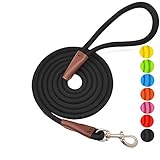
- Leather connector and strong stitches, let you say goodbye to the problem of connecting completely
- Vibrant Color Options: 7 classic colors (Black, Pink, Blue, ect) match any collar or outfit. Make our life returns to nature, let your dog stand out in nature or city
- Safety & Control: 360° rotating heavy-duty clasp prevents tangles, strong nylon rope withstands pulling and wear-resistant, big loop handle easy to grip and control your dogs
- Easy to Carry: Lightweight yet sturdy design, no bulky volume, easy to folds into your pocket or bag. This rope lead suitable for daily walks, outdoor hiking, beach trips, hunting, training exploring
- Rope Leash Size: The standard walking dog leash available in 4 length: 4 ft, 6 FT, 8 feet, 10 foot, Different length meet your different purpose, 1/2" thick rope leash for medium large dogs
How often should I walk an adult dog?
There is no fixed number of walks that is right for every adult dog. Breed, health, energy, and current fitness help determine a suitable routine. High-energy dogs may need more activity and mental stimulation than lower-energy dogs, but any increase should be gradual and guided by the dog’s response.
Do these 3 things before closing this tab:
1Clear out junk files and repair common Windows errors2Scan for outdated or missing drivers - takes under a minute3Repair Windows errors before they cause bigger problemsFor an inactive or out-of-shape dog, the AKC suggests a 10–15-minute walk as a possible starting point, followed by gradual increases if the dog is healthy and coping well. This is a starting suggestion, not a universal prescription. Keep the routine sustainable and let your dog set a comfortable pace.
How should I adjust walks for a senior dog?
Senior dogs can benefit from regular, gentle movement when they are willing and able. A slower pace and shorter walks may be more comfortable, especially when mobility is changing. Pay attention to temperature and footing, and choose surfaces that are comfortable for your dog.
Rank #3

- 【Strong & durable】This heavy duty dog leash is made of 1/2-inch diameter rock climbing rope which is reinforced with durable woven design, Remaining tough enough to hold back your pup.
- 【Comfortable to Hold】Special soft padded handle design provide extra comfort, which provides a firm grip. Enjoy the feeling walks with your dog and protects your hand from rope burn for amazing comfort and control.
- 【Reflective Rope Leashes】Highly reflective threads keep high visibility at night for safety. It will ensurethat your dog will be seen at night and in low light situations.
- 【Upgraded 360°Swivel Lockable Hook】The Nickel-plated zinc alloy clip swivels to resist twisting, So you can say goodbye to the eliminate the trouble of chain entanglement during outside walks, training, and play.
- 【4/5/6 FT Training Leash】2 Pack Pet Leashes comes in a variety of lengths and widths to accommodate all breeds. It's the best choice for training leashes for large dogs or medium dogs, give enough freedom to your dog and everythin.
If stiffness or discomfort appears, scale back the walk and ask your veterinarian how to adapt activity. Dr. Emily Wilson, DVM, quoted by the AKC, says, “If your dog has arthritis, slow and frequent movement is beneficial for them.” Your veterinarian can help tailor that approach to your dog’s condition and response.
What else can affect a dog’s walking routine?
- Health and fitness: Dogs with heart, respiratory, orthopedic, or other medical concerns may need an individualized plan. Build up gradually when returning to exercise.
- Body condition: Overweight dogs may be more prone to joint injury and may have more difficulty cooling off. Avoid sudden increases in exercise; ask your veterinarian before choosing activities with abrupt starts and stops.
- Breed and body shape: Needs differ across breeds. Short-muzzled dogs may need a different conditioning plan because of respiratory limitations.
- Weather and surface: Consider temperature and footing, especially for senior dogs. Protect paws from hot ground.
- Mental needs: Sniffing, training, and safe enrichment can complement physical activity, but should not be treated as a guaranteed replacement for walks.
When should I shorten a walk or contact a veterinarian?
Stop or shorten a walk if your dog is limping, repeatedly stopping, lying down, panting hard, or struggling with curbs. Notice whether stiffness or discomfort appears after the walk, too. These signs do not establish a diagnosis, but they are reasons to adjust activity.
The Tool Desk
Outbyte Driver Updater FREEFix the driver behind crashes, sound loss and screen glitchesFind Drivers →Outbyte PC Repair FREEClear out junk files and repair common Windows errorsFree Scan →Contact a veterinarian if signs persist or recur, if your dog has a known health condition, or if you are unsure how to set an appropriate routine. Get veterinary input before beginning a fitness plan for a dog with health concerns.
Rank #4

- Engineered for Ultimate Strength: Constructed from 1/2 inch diameter rock climbing rope, this heavy duty dog leash is distinctively durable and strong. It is designed to withstand the strongest pulls from large and energetic dogs, giving you peace of mind that your pup won't break free during walks
- Comfortable Padded Handle: Say goodbye to rope burn. Our soft, cushioned foam handle provides an amazing grip and protects your hands from sudden tugs. Enjoy longer walks and extended training sessions with total comfort, even if your dog is a puller
- Maximum Nighttime Visibility: Highly reflective threads are woven through the entire length of the rope (not just painted on), keeping you and your fur baby visible to passing cars and cyclists during early morning jogs or late-night strolls. Perfect for urban streets and low-light environments
- Tangle-Free 360° Swivel: Featuring a heavy-duty metal clasp that rotates 360 degrees, this ensures the rope never gets twisted or tangled, no matter how much your dog moves around. The zinc alloy hook is rust-proof and easy to clip onto any dog collar or harness in seconds
- Versatile for Any Activity: Park walks, trail hikes, or yard training. Offers ideal balance of freedom and control. Comes in 4ft, 5ft, 6ft lengths and 12 colors. 3/8" diameter suits small to medium dogs – lightweight and non-bulky. For medium and large dogs, choose 1/2" diameter
How can I build a walking routine?
- Start with your dog’s current ability. Consider age, health, body condition, breed, and fitness.
- Keep outings appropriate. Make puppy walks short and positive, build adult activity gradually, and adapt senior walks to comfort and mobility.
- Watch your dog’s response. Pay attention to pace, comfort, stopping, panting, gait, and stiffness afterward.
- Adjust gradually. If your dog is healthy and comfortable, increase activity step by step rather than making a sudden change.
- Ask for veterinary guidance. Get an individualized plan for a dog with pain, health concerns, exercise limitations, or persistent signs of discomfort.
FAQ
How many walks does my dog need each day?
There is no single number that fits every dog. Age, health, breed, body condition, energy, and fitness all matter; build a routine around your dog’s comfort and response.
How long should I walk a puppy?
Keep puppy outings short, frequent, positive, and appropriate to development. The AKC’s example of a 10-minute walk two or three times daily for a 10-week-old puppy is not a universal prescription. Ask your veterinarian what suits your puppy.
How should I exercise an inactive or out-of-shape dog?
The AKC suggests a 10–15-minute walk as a possible starting point, followed by gradual increases if the dog is healthy and coping well. Consult a veterinarian first if your dog has health concerns.
Crashes, No Sound, or Screen Glitches?
Random freezes, missing sound and display glitches usually trace back to one bad driver. Find and replace yours safely.Free scan · under a minuteWindows Errors? Fix Them Before They Spread
Repair common Windows errors and clear accumulated junk for a smoother, more stable PC - no reinstall needed.Free scan · no reinstallWhen should I stop walking my dog?
Stop or shorten the walk if your dog limps, repeatedly stops, lies down, pants hard, or struggles with curbs. If signs persist or recur, contact a veterinarian.
Can senior dogs still go for walks?
Yes, when they are willing and able. Gentle movement may suit them, but adjust pace and distance to comfort and mobility, and ask a veterinarian about stiffness or discomfort.
Quick Recap
Product prices and availability are accurate as of the date/time indicated and are subject to change. Any price and availability information displayed on Amazon at the time of purchase will apply.




