To adopt from a shelter, arrive with valid identification, a way to pay, and safe transport equipment that fits the animal. Be ready to provide household and housing details, discuss your lifestyle with adoption staff, complete an application and paperwork, and possibly take the pet home the same day. Requirements, fees, appointment rules and timing are set by each shelter, so check its current instructions before you travel.
Before you visit: confirm the shelter’s rules
There is no single U.S. adoption procedure. A municipal shelter, private humane society and rescue may use different forms, age rules, payment methods, pickup deadlines and introductions for resident pets. Use the shelter’s own website or phone line as the final authority for the animal’s availability and your eligibility.
As an Amazon Associate I earn from qualifying purchases.
- Ask whether visits are walk-in, appointment-based or a mixture of both.
- Confirm opening hours, application deadlines and whether all decision-makers in your household should attend.
- Ask which identification, address documents and payment methods are accepted.
- Find out whether the shelter expects you to take the animal home that day or allows a later pickup.
- Ask what carrier, collar, harness or leash is required for the particular species and size.
- Check your lease, landlord agreement and building rules before you apply.
The ASPCA’s general adoption guidance notes that some organizations complete adoptions the same day while others take longer. A shelter may need extra counseling, a reference check, a home-related clarification or a trial period before approving the adoption.
Quick wins for a faster PC:
Scan for outdated or missing drivers - takes under a minuteDriver Scan →Repair Windows errors before they cause bigger problemsFix Now →What to bring to the shelter
Pack for both the application and the journey home. The list below describes common requirements and examples from official shelter policies; your chosen organization may ask for more, less or different documents.
#1 Best Overall
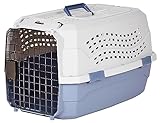
- Hard sided pet carrier with 2 doors for front and top entry; suitable for cat or medium size dog weighing 12 - 20 pounds
- Durable plastic construction with steel wire doors; screws keep the top and bottom sections securely connected
- Spring load latches ensure easy one-handed door opening and closing; top door swings open to the left or right and includes a top carry handle
- Plenty of air ventilation on the sides, top, and back of the carrier
- Note: Be sure to measure the size of the pet when choosing carrier size
| Bring or prepare | Why it matters | What to verify locally |
|---|---|---|
| Government-issued photo ID | Staff need to verify your identity. The ASPCA Adoption Center in New York City asks for photo ID showing date of birth, while Pasadena Humane asks for valid identification. | Accepted document types, age threshold and whether every adult applicant must show ID. |
| Proof of current address | Some shelters request a separate document. The ASPCA’s NYC guidance suggests a lease or a utility, telephone or cable bill as examples. | Whether it is required, how recent it must be and whether an electronic statement is accepted. |
| Payment method | You may need to pay an adoption fee and, in some places, a separate license charge. Pasadena Humane lists cash, credit card and check among its payment methods. | Current fee, taxes or licenses, accepted payment types and whether fees are refundable. |
| Secure transport equipment | A carrier protects a cat or small animal; a properly fitted collar or harness and leash can secure a dog. | Whether a hard-sided carrier, specific leash, harness or other equipment is mandatory. |
| Household information | Staff may ask who lives with you, your schedule, other animals, children and the type of housing you occupy. | Names of household members over 18, landlord approval, vaccination records for resident pets or other forms. |
| Time and flexibility | Browsing, counseling, an application review and introductions can take longer than expected. | Whether you need an appointment, how long applications remain valid and the latest same-day pickup time. |
The ASPCA’s NYC center specifically requires cats and kittens to leave in a secure carrier. Pasadena Humane lists a carrier or, for an animal suited to it, a collar or harness and leash as required equipment. Do not plan to carry a new pet in your arms or let it ride loose in a vehicle.
How the shelter adoption process works
1. Browse available animals
Start with the shelter’s current listings, but treat an online profile as a starting point rather than a complete history. Availability can change quickly, and a description may not include every medical or behavioral detail.
2. Complete the application or questionnaire
Expect questions about your home, daily routine, previous pet experience, household members, resident animals and plans for exercise, training and veterinary care. Answer accurately; the purpose is to identify a sustainable match, not to pass a test.
Recommended Free Tools
3. Meet the animal with staff
Many shelters arrange a supervised meeting after you select a potential pet. The SPCA of Texas describes searching its listings, meeting an animal with the adoption team and then completing the adoption with identification, contact information and payment. A counselor may ask follow-up questions or suggest another animal whose needs better fit your circumstances.
4. Discuss known history and daily needs
Ask what the shelter knows and does not know about the pet’s past, including medical conditions, medications, behavior around people or other animals, house-training, activity level, diet and triggers. Pasadena Humane says counselors share available medical and behavioral information. The SPCA of Texas explains its approach this way: “Our staff is transparent about each pet, where they came from, what we know about them, and what we don’t know so that you can feel confident when making your decision to adopt.”
5. Complete approval, paperwork and payment
Approved adopters normally sign an adoption agreement, receive records and pay the applicable fee. Ask for a copy of everything you sign and for written instructions on medication, diet, follow-up visits, microchip registration and any scheduled vaccines or surgery.
Rank #2
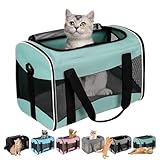
- [PRODUCT DIMENSIONS] Pet travel carrier size : 17x11x11 inches, recommended up to 15 lb pets, it is suitable for large, medium cats and small dogs. Please don't choose your airline cat carrying case based on weight, please refer to your pet's length and height when choosing a pet carrier size.
- [AIRLINE APPROVED] This cat carrier is designed with airline approved, it can fit comfortably under most flight seats, we can take our pets wherever we want. Dog travel carrier offers two attachment loop handles that can be used as a dual harness or as a luggage strap for balanced carry and secure transport.
- [EXCELLENT MATERIAL] Collapsible cat carrier is made of polyester fabric, supported by a steel ring, washable, wear-resistant and durable. The three sides and the top of this pet carrier are nylon mesh, scratch-resistant and not easy to damage, it can not only check your pet in real time, but also ensure enough air circulation.
- [SAFE AND COMFORTABLE] Dog travel bag has metal zippers on the top and side entrances, durable and not easy to deform, it allows your pets to enter and exit easily. The cat carrying case is equipped with an anti-escape safety buckle, which can effectively prevent pets from accidentally falling. It is suitable for car rides and vet rides.
- [PORTABLE AND FOLDABLE] Pet travel carrier comes with a detachable and hand washable wool pet bed, it can provide a comfortable sleeping space for your traveling pet. The cat travel case comes with an adjustable shoulder strap and handle for easy portability. When not in use, you can fold it up for storage.
6. Take the pet home—or follow the shelter’s next step
Same-day pickup is possible but not guaranteed. Some organizations use a later pickup date or a trial adoption when more information is needed. Pasadena Humane asks adopters to be prepared to take the pet home that day; the SPCA of Texas says a trial adoption may be part of the process. Bring your transport gear even if you are unsure, and ask what happens if approval is delayed.
Free tools Windows power users keep installed
One-click scans. No signup required.
Questions to ask before you commit
- What medical records, examination results, vaccines, parasite treatments and medications will I receive?
- Has the pet been spayed or neutered, microchipped or scheduled for either procedure?
- What behaviors have staff observed in the kennel, during handling and around dogs, cats, children or strangers?
- What routine, food, exercise and enrichment does the pet currently receive?
- What signs of stress, illness or pain should I watch for during the first week?
- Who should I contact if the pet has a medical or behavior problem after adoption?
- What is included in the adoption fee, and which future services will I pay for myself?
Ask staff to distinguish a documented observation from an unknown. A shelter cannot promise how an animal will behave in every home, but clear information helps you plan introductions, supervision and training.
Fees, included veterinary care and local charges
Adoption fees vary by organization, species, age, location and promotions. The ASPCA says fees commonly help cover veterinary care, spay or neuter surgery, vaccinations and food; promotions can reduce or waive a fee. The SPCA of Texas lists examinations, behavior assessments, microchipping, spay/neuter, age-appropriate vaccines and other services among its dog and cat adoption inclusions.
Those examples do not establish a national price or a universal package. Request the shelter’s current fee and an itemized list of completed, pending and excluded care. Confirm whether you must schedule a follow-up surgery, register a microchip or provide additional vaccines after adoption.
Local licensing can be a separate cost. For example, the ASPCA’s NYC adoption-center guidance, accessed October 13, 2026, says New York City residents pay applicable dog-license charges and lists a mandatory $8.50 license fee added to its dog adoptions. That is a dated New York City example, not a general adoption fee. Check your shelter and local government for the current amount and deadline.
What’s actually slowing this PC down?
Pick the symptom - the matching free tool is one click away.
Prepare the ride home
Use the equipment the shelter approves and secure it before leaving the parking area. A cat or kitten should remain inside a closed, escape-resistant carrier. A dog should travel with a properly fitted collar or harness and leash, and the leash should stay attached whenever the dog is outside the vehicle. Keep the vehicle quiet and avoid unnecessary stops on the first trip.
Rank #3

- High Quality Design:Sturdy steel cage structure and wooden support board maintain good spatial stability and shape. Breathable mesh windows on four sides,which can ensure good air circulation and views,make pets have a comfortable and safe travel.It can also be easy for you to check on your pets.There is a front pocket to store pet toys,treats,etc.
- Dimension and Weight:Made of durable tear-resistant fabric.Four easy entrances for pets. Dimensions: 17 inch x 11 inch x 11 inch (L*W*H), suitable for pets up to 16 lbs.Please don't choose your carrier based on weight only,consider your pet's length and height when choosing a carrier.
- Airline Approved & Safty:Can be placed under the seats of most airplanes(Four non-slip feet on the bottom to prevent movement), and comfortably on the seat next to you in a car or bus.It has a adjustable shoulder strap.Can also be fastened to the car seat with a safety belt or shoulder strap to keep your pet safe.
- Easy to Clean :You can clean the stains and dirt on the surface with a soft cloth.Soft mat inside the pet carrier is removable and washable.You can take it out and wash it easily to solve all stains.
- Easy to Collapsible & Lightweight:When not in use,fold it into a flat,space saving and easy to store.Only 2.2lbs,it's easier to carry around.It can also used as a toy of pet house,allowing pets to play in a safe space to relax and rest.
Do not transport a newly adopted animal loose in the car, in an open truck bed or held by a passenger. Frightened animals can bolt when a door opens, even if they were calm inside the shelter. If you have a long journey, ask the shelter about water, toileting and temperature precautions for that animal.
Set up a safe home before arrival
Create one quiet retreat rather than giving a nervous pet unrestricted access to the entire home. The ASPCA suggests a dedicated room, crate or bed and recommends removing hazards before the animal arrives.
- Secure electrical cords, windows, doors and balcony access.
- Remove medications, chemicals, small chewable objects and foods that could be dangerous.
- Research plants that may be poisonous to your species of pet.
- Use gates or closed doors to limit access while you learn the animal’s habits.
- Set out species-appropriate food and water bowls.
- For a cat, prepare a litter box, scratching surface and a place to hide or perch.
- For a dog, have a suitable leash, collar or harness, bed and safe chew or play items.
Ask what food, litter, medication or other supplies the shelter sends home so you can avoid an abrupt change. Choose sizes and products for the individual animal rather than buying a complete kit before you know its needs.
Resident pets and household introductions
Follow the shelter’s instructions for meeting resident animals; policies differ. Pasadena Humane recommends that household members attend when possible but says resident pets should be left at home for the adoption visit. A shelter may offer a controlled dog-to-dog introduction or advise a gradual separation plan instead.
At home, give the new pet its prepared retreat and keep early interactions calm and supervised. Do not force contact with people or animals. Separate food, beds, litter areas and high-value toys until you understand how everyone responds. Children should have an adult-led, hands-off introduction and a clear rule not to disturb the pet while it eats, sleeps or hides.
What the first days and weeks may look like
Adjustment is individual. The ASPCA’s “3-3-3 Guideline” is a flexible framework: the first three days may involve nervousness and a need for space; during roughly the next three weeks, the pet may decompress and begin settling into routines; across the first three months, it may continue adjusting and bonding. It is not a guaranteed timetable or a prediction of one animal’s behavior.
Rank #4

- Pet Carrier: 17.5” L x 11” W x 11” H, Recommended max load of 16 lbs cats small dogs. Please do not choose your carrier based on weight--please reference your pet's length and height in selecting a pet carrier size.
- Fits for under-seat dimensions of most airlines. Every airline has a specific set of rules and regulations, please contact with airline before flying with your cats small dogs.
- Mesh windows for ventilation, top and side entry with locking zippers for safety. Carrying handles, adjustable shoulder strap which can also be used as seatbelt, and back strap can fasten the pet carrier to your luggage.
- Pet carrier comes with a removable base insert, which creates a solid surface for your pet to stand on, along with a removable & hand washable cozy fleece pet bed, which offers a cozy sleeping space for your traveling cats small dogs.
- "Toys for pets, of textile materials". Mostly used as a Toy of Fabric Pet Home for pets playing and relaxing.
First three days
Keep the environment predictable, offer water and the familiar food recommended by the shelter, and allow the pet to retreat. Watch eating, drinking, urination, stool, breathing and energy without hovering. Call a veterinarian promptly for urgent symptoms such as breathing difficulty, collapse, repeated vomiting or severe injury.
The Tool Desk
Outbyte Driver Updater FREEFix the driver behind crashes, sound loss and screen glitchesFind Drivers →Outbyte PC Repair FREERepair Windows errors before they cause bigger problemsFix Now →First three weeks
Establish consistent meal, toilet, sleep and exercise routines. Use calm direction and reward-based training. Avoid crowded gatherings, forced handling and rapid introductions while the pet learns the household.
First three months
Continue building predictable routines and observe changes as confidence grows. A pet that seemed quiet in a kennel may become more active or show behaviors that were not visible in the shelter. Seek qualified veterinary or behavior help early rather than waiting for a problem to escalate.
Independent reader supportYour contribution helps us test, update, and keep practical guides available for everyone.Arrange veterinary care and keep the records
Establish care with a nearby veterinarian shortly after adoption and bring every record supplied by the shelter. Ask which vaccines, parasite treatments, tests, surgeries, medications and microchip steps are complete and which remain due. Your veterinarian can set a schedule based on the pet’s age, health, risk and prior documentation.
If you consider pet insurance, compare the policy’s waiting periods, exclusions and treatment definitions before enrolling. The ASPCA notes that plans may have waiting periods and exclude pre-existing conditions. Coverage terms are not a substitute for a veterinary plan; discuss likely care needs and financial priorities with your veterinarian.
How to compare shelters or adoption options
There is no universally best process. Compare the questions that affect your ability to complete the adoption and care for the pet:
Best Value

- AIRLINE APPROVED CARRIER - With airline-approved design, you can take your pet to go to everywhere. This pet carrier provides two connecting loop handles for balanced carrying as a dual seat belt or luggage strap to secure transport
- SAFETY DESIGN - The adjustable shoulder strap help you hands-free carrying and makes it more safe and convenient pet carrier bag for your travel
- DURABLE - This cat carrier is made of durable and lightweight polyester fabric. The four-side mesh will not only give a safe and comfortable travel for your pet, but also easy for you to check on your pet
- PORTABLE & FOLDABLE - This dog carrier is easy to carry and store, which has a padded shoulder strap and handles
- BOTH SIZES AND WEIGHTS - The mediun cat carrier is designed for small and medium pets within 15" x 9" x 9"(smaller than product) and 15 lbs. Please do not choose your carrier only based on weight. Reference your pets' length and height in selecting a carrier size.If carried on board, the maximum dimensions should not exceed 18IN*11IN*11IN.
| Decision point | Question to ask |
|---|---|
| Access | Is the process appointment-based, walk-in or both, and when are applications accepted? |
| Timing | Can an approved adopter leave the same day, or is later pickup or a trial period used? |
| Matching | Who discusses lifestyle fit, and what information is available about the animal? |
| Household | Must household members attend, and how are resident pets or landlord rules handled? |
| Transport | What carrier, collar, harness or leash must be present at pickup? |
| Cost and care | What does the fee include, what remains due, and are local license charges separate? |
| Support | Who provides medical or behavior guidance after adoption, and how are trial adoptions handled? |
Common problems and practical fixes
You arrived without the required carrier or leash
Do not improvise with an unsafe container or an unsecured ride. Ask whether the shelter sells or lends approved equipment, or reschedule pickup after obtaining the correct gear.
Your housing does not allow the animal
Pause the adoption and obtain written landlord or building approval before taking the pet. Returning an animal after an avoidable housing conflict can be stressful for everyone.
The fee or included care is unclear
Request an itemized receipt and a written list of completed and pending veterinary services. Confirm license costs separately with local government.
Do these 3 things before closing this tab:
1Repair Windows errors before they cause bigger problems2Fix the driver behind crashes, sound loss and screen glitches3Clear out junk files and repair common Windows errorsThe pet is hiding, not eating or acting differently at home
Provide the quiet retreat and predictable routine described above, then contact the shelter and your veterinarian for advice. A behavior change can reflect stress, illness or a newly visible need; do not assume it is simply stubbornness.
The adoption is not approved that day
Ask exactly what information or step is missing, whether the animal can be held, how long an application remains active and when you should follow up. A delay does not necessarily mean a rejection, and a same-day approval is not guaranteed.
The essential checklist
- Check the selected shelter’s current rules, hours and animal availability.
- Verify ID, proof-of-address, payment and household-document requirements.
- Confirm housing permission and plan for resident-pet introductions.
- Bring a secure carrier or approved collar, harness and leash.
- Prepare a quiet retreat, food, water and species-appropriate supplies.
- Ask what is known, unknown and included in the fee.
- Keep the first trip and first days calm and supervised.
- Book veterinary care and follow the shelter’s written medical instructions.
For general preparation, consult the ASPCA adoption tips. For examples of a shelter’s matching and transparency practices, see the SPCA of Texas adoption process, and for a local checklist and transport requirements, review Pasadena Humane’s adoption process. New York City applicants should also check the ASPCA Adoption Center in NYC page before visiting.
Quick Recap
Product prices and availability are accurate as of the date/time indicated and are subject to change. Any price and availability information displayed on Amazon at the time of purchase will apply.




