
What’s actually slowing this PC down?
Pick the symptom - the matching free tool is one click away.
Adopting a shelter cat goes best when you match the individual cat to your household, ask the shelter what it knows about that cat, and prepare a quiet, secure place for the first days at home. Before applying, consider everyone who will share responsibility, including resident pets, and confirm your home and schedule can meet a cat’s needs. Then gather the cat’s current food and litter details, a carrier, and the basics for a safe starter room.
Before you apply: is your household ready for a cat?
Readiness is more than wanting a pet. A cat will depend on the household for daily care, veterinary attention, and a safe home over the long term. Petfinder’s Cat Adoption Checklist, dated February 24, 2023, prompts adopters to consider household members, other pets, housing, work and travel routines, allergies or relevant health concerns, and which adult will ultimately be responsible.
As an Amazon Associate I earn from qualifying purchases.
- Household agreement: Make sure everyone who lives with the cat understands the commitment and is willing to follow household rules for handling, doors, and introductions. If a child is involved, plan for adult supervision and give the cat places where it can retreat undisturbed.
- Housing: Check your lease or other housing rules before applying. Think through how you will keep doors and windows secure, especially during arrival and while the cat is exploring.
- Time and travel: Decide who will provide food, water, litter-box care, play, and routine observation each day. Make a plan for care when you travel or work unusually long hours.
- Health and allergies: Consider whether anyone in the household has allergies or other health concerns that could affect living with a cat. If the answer is uncertain, resolve that question before bringing the cat home.
- Budget: Allow for the adoption fee, supplies, routine veterinary care, and the possibility of unexpected veterinary expenses. Fees and costs vary locally; the sources do not establish a universal current total.
- Adult responsibility: A responsible adult should be prepared to make care decisions and ensure the cat receives attention, even if children will help with chores.
Choose for fit, not a label
Think about the household’s schedule and the kind of interaction you hope for, then ask about the particular cat’s age, energy, and observed temperament. A kitten may suit a household ready for a more active young cat; an adult cat may have more observed behavior for the shelter or foster caregiver to describe. Neither age alone nor a breed label guarantees a particular personality. A good match depends on what is known about that cat and what your home can offer.
What to ask the shelter or rescue
There is no single required interview checklist that applies to every shelter or rescue. Ask questions about the individual cat, and distinguish what staff have observed from what is unknown. A shelter application helps an adoption program understand your home and commitment and may help identify cats that fit; Petfinder notes that response timing varies with each organization’s procedures and workload. Read its step-by-step cat adoption guide, then confirm the process directly with the organization you are considering.
#1 Best Overall
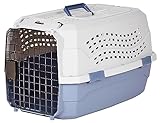
- Hard sided pet carrier with 2 doors for front and top entry; suitable for cat or medium size dog weighing 12 - 20 pounds
- Durable plastic construction with steel wire doors; screws keep the top and bottom sections securely connected
- Spring load latches ensure easy one-handed door opening and closing; top door swings open to the left or right and includes a top carry handle
- Plenty of air ventilation on the sides, top, and back of the carrier
- Note: Be sure to measure the size of the pet when choosing carrier size
Background, behavior, and household fit
- What is known about this cat’s age, history, and previous living situation? Which details are confirmed, and which are unknown?
- What behavior has staff or a foster caregiver actually observed: activity level, comfort with handling, sociability, or response to visitors?
- Has the cat been observed around children or other animals? In what setting, and what did the organization see? If it has not been observed, ask them to say so rather than infer how the cat will respond.
- Does the cat have a known routine or preferences that may help it settle, such as a favorite type of resting place or a preferred way to interact?
- Based on what the organization knows, are there particular household conditions or introduction steps it recommends for this cat?
Shelter behavior is useful information, not a guarantee of how a cat will act in a new home. Ask for concrete observations and context. A cat may need time to show its usual behavior after a move, so avoid treating a brief shelter interaction as a complete picture.
Medical care and records
- What veterinary care has this cat received, and what records will come with the adoption?
- What vaccinations, spay or neuter care, or microchip information are documented, and is any follow-up still needed?
- Has a veterinarian recommended monitoring, treatment, or an appointment after adoption?
- Who should you contact if a question about the cat’s medical history comes up after bringing it home?
Do not assume every adoption includes the same medical services or paperwork. Ask the organization to explain this cat’s records and any remaining recommendations. Bring the documents and follow-up guidance to the veterinarian who will care for the cat.
Rank #2
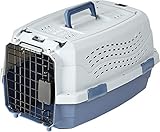
- Hard sided pet carrier with 2 doors for front and top entry; suitable for cat or extra-small dog breeds, such as chihuahuas and toy poodles (up to 11 pounds)
- Durable plastic construction with steel wire front door; screws keep the top and bottom sections securely connected
- Top door can swing open to the left or right for easy access and convenience
- Plenty of ventilation on sides, top, and back of the carrier
- Note: Be sure to measure the size of the pet when choosing carrier size
Food, litter, and the transition plan
- What food is the cat eating now, and what feeding routine is it used to?
- What type of litter and litter-box setup has the cat been using?
- What settling-in approach does the shelter recommend for this cat?
- How should you approach introductions to household members and resident pets?
Knowing the current routine makes it easier to prepare a familiar first room. Petfinder recommends offering the same diet at first and continuing it for a week or two while the cat adjusts. Ask your veterinarian about the cat’s nutritional needs and any later food changes rather than making a sudden switch on arrival. The ASPCA’s General Cat Care guidance says a veterinarian can assess diet needs in light of age, activity level, and health.
Windows Errors? Fix Them Before They Spread
Repair common Windows errors and clear accumulated junk for a smoother, more stable PC - no reinstall needed.Free scan · no reinstallCrashes, No Sound, or Screen Glitches?
Random freezes, missing sound and display glitches usually trace back to one bad driver. Find and replace yours safely.Free scan · under a minuteProcess, timing, and fee
Ask how to apply, what steps follow an application, how long the organization usually takes to respond, and what the fee is for this particular adoption. These are local, organization-specific details, not figures to assume from a general guide. Confirm the current fee, what it covers, and any requirements directly with the shelter or rescue. If you have a timing constraint, mention it early; the organization’s workload and procedures can affect response time.
Rank #3

- Hard sided pet carrier with 1 door for front entry; suitable for a cat, dog, or other small pet
- Durable molded plastic construction; locking door mechanism for secure closure
- Top handle for easy carrying
- Metal wire door and side panels provide ventilation
- Product Dimensions: 23.6 x 15.7 x 13 inches (LxWxH)
Prepare a safe starter space and essential supplies
Set up a quiet room or similarly secure retreat before arrival. A smaller, calm area gives the cat a manageable first place to explore, with access to necessities and somewhere to rest. The ASPCA’s Adoption Tips recommend a dedicated quiet space and pet-proofing, including securing cords, doors, and windows and removing items a cat might chew.
First-day checklist
- Quiet retreat: Choose a room with a door that can be closed, a comfortable resting place, and a hiding option. Keep the area calm and limit early traffic.
- Carrier: Have a secure carrier ready for transport and future veterinary visits. Petfinder includes a hard plastic carrier among potential essentials.
- Food and water: Provide clean bowls and, where possible, the food the cat is already eating. Ask the shelter about its feeding routine.
- Litter setup: Put a litter box, scoop, and the familiar litter type in an accessible location. Ask the organization what the cat currently uses.
- Scratching and play: Offer a suitable scratching surface and a few safe toys. A perch or other appropriate place to observe can also enrich the space.
- Cleaning and grooming basics: Keep suitable cleaning supplies and grooming items available for ordinary care and small messes.
- Identification: Ask about the cat’s microchip information and what identification the organization recommends. Petfinder’s supply list also includes a collar and ID tag.
- Care contacts: Save the shelter’s contact details, collect medical records and follow-up instructions, and identify a veterinarian for ongoing care.
Not every cat needs every item in the same form. Use the shelter’s knowledge of the individual cat to choose what is appropriate rather than buying a large set of supplies before you know its needs. Petfinder’s adoption checklist also lists litter, a scooper, toys, cleaning supplies, and first-aid supplies as possible necessities.
Rank #4
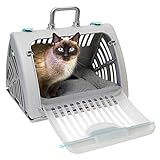
- DESIGNED SPECIFICALLY FOR CATS – PATENTED SIDE-OPENING DOOR - Original SportPet patented wide side-opening door allows cats to walk in naturally reducing fear, stress, and resistance. Ideal for anxious cats, vet visits, grooming, and everyday transport. Veterinarian recommended design for easier handling.
- HARD-SIDED CAT CARRIER WITH COMFORT BED INCLUDED - Includes 1 light gray hard-shell carrier with gray door plus an extra-comfy removable pet bed. Sturdy construction provides a safe, enclosed space cats prefer, while the soft bed adds comfort for travel or waiting rooms.
- TRAVEL-READY & VET VISIT ESSENTIAL - Perfect cat carrier for car travel, road trips, moving, and trips to the veterinarian. Smooth-closing secure door keeps pets safely contained while allowing fast, stress-free loading and unloading.
- EASY TO CLEAN & FOLD-FLAT STORAGE - Wide door opening makes cleaning quick after accidents. Carrier folds down flat for compact storage in closets, cabinets, or vehicles. Machine-washable & dryer-safe bed for hassle-free maintenance.
- IDEAL SIZE FOR LARGE CATS & SMALL PETS - Carrier dimensions: 18.5” L x 15.25” W x 14.25” H. Bed dimensions: 18” L x 13.75” W. Supports pets up to 25 lbs. Works great for large cats, small dogs, and small animals like rabbits, ferrets, and guinea pigs.
Cat-proof before opening the carrier
Inspect the starter room and any area the cat may access. Secure dangling cords and make sure windows and exterior doors cannot be pushed or slipped open. Put away medications and small chewable or swallowable items, and check household plants for safety. Keep the cat away from hazards while you are still preparing, rather than relying on supervision alone. The ASPCA recommends checking plants and removing chewable items as part of preparing a home for an adopted pet.
Free tools Windows power users keep installed
One-click scans. No signup required.
Bring the cat home and let it set the pace
For the first arrival, take the cat directly to the prepared retreat and open the carrier there. Give it the option to come out and explore when ready; do not pull it out, pass it around, or require it to meet everyone immediately. Keep the room predictable, with food, water, litter, and a resting place available. A quiet routine and patient observation allow the cat to learn the new surroundings without being overwhelmed.
Best Value

- Multi-Scenario Safe Travel: Measuring 22.8" L x 14.6" W x 13.4" H, this premium hard shell cat carrier is fully airline approved. It serves perfectly as a cat carrier, dog carrier, cat crate and small dog crate, comfortably holding small pets up to 22 lbs. Suitable for air travel, car rides, vet visits, house moving and daily outdoor outings.
- Full Surround Ventilation: This hard cat carrier is designed with four-sided hollow ventilation to achieve smooth 360° air circulation. The breathable cat carrier hard shell maintains a fresh and cool interior environment, effectively alleviating pets’ travel anxiety and stress during long trips
- Impact Resistant & Durable: Made of high-strength impact-resistant plastic material, this pet carrier features an integral sturdy frame that resists cracking and deformation. It can withstand frequent carrying and bumpy transit, supporting long-term daily and travel use.
- Dual Door & Comfort Handle: Comes with top and front dual-door design, making it convenient to load and unload pets. Equipped with a built-in foldable ergonomic handle for effortless carrying. This portable pet carrier can be stacked neatly to save storage space when not in use.
- Reinforced Secure Lock & Integrated Food Bowl: Adopts reinforced hardware buckles and thickened connection structure to ensure tight closure and prevent accidental separation. This airline approved cat carrier and dog carrier is equipped with an integrated food bowl, great for long-distance travel and outdoor feeding on the go.
The ASPCA’s adoption guidance puts the principle plainly: “Give them time and space to observe their new home and companions.” Some pets adjust quickly and confidently, while others need more time. Let the cat’s behavior guide the pace instead of setting an arbitrary deadline for full-house access or social interaction.
Introduce people and resident pets gradually
Let household members visit calmly and allow the cat to approach or retreat. Do not force touching or pick the cat up simply to make an introduction happen. For resident animals, follow the shelter’s advice for the specific pets and proceed gradually; keep interactions controlled and do not leave unfamiliar animals together unsupervised. A cat that retreats is communicating a need for space, not failing to settle on a schedule.
Keep the routine familiar and watch for questions
Use the food and litter details you gathered to maintain continuity at first. Notice whether the cat is eating, drinking, using the litter box, and becoming more comfortable with the room, and contact the shelter or veterinarian if you are unsure what you are seeing. Arrange recommended veterinary follow-up and bring the adoption records. Consult the veterinarian about nutrition and care decisions, including whether and how to change food.
Common adoption pitfalls to avoid
- Assuming unknown history is negative or positive: Ask what is documented and what has simply not been observed. Missing information is not evidence of a specific temperament or past experience.
- Expecting shelter behavior to predict everything: A shelter or foster setting provides observations, not a guarantee of behavior in a new home. Give the cat time to show how it responds.
- Changing food immediately: A sudden change can add another adjustment to the move. Start with the current food when possible and ask a veterinarian about later changes.
- Opening the whole home on arrival: A prepared quiet retreat gives the cat a more manageable start than immediate access to every room and person.
- Forcing contact or pet introductions: Allow the cat to approach in its own time and use a gradual plan for resident animals.
- Assuming the adoption package is universal: Verify medical care, records, fees, timing, and remaining follow-up with the organization handling the adoption.
Sources and scope
Petfinder’s adoption checklist cited here is dated February 24, 2023. Petfinder’s adoption-process information and the ASPCA guidance pages cited above did not provide publication dates in the materials available for this article. Application rules, current availability, fees, included veterinary care, and an individual cat’s needs vary by organization, location, and animal; confirm those details with the shelter or rescue and your veterinarian.





Leave a Reply