
Free tools Windows power users keep installed
One-click scans. No signup required.
To adopt a shelter dog, start by matching a particular dog’s needs with your household’s schedule, living situation, other pets, and ability to provide lifelong care—not just with the dog’s appearance or the feeling of an immediate connection. Then contact the shelter or rescue directly to confirm its current process, ask what it knows about the dog, prepare a quiet and safe homecoming, and give the dog time to adjust.
Start with the life you can offer
A lasting match depends on what daily life will actually look like for both you and the dog. Before browsing listings, talk through who will provide care, how the dog fits around work and travel, and what support will be available when routines change. The American Veterinary Medical Association (AVMA) advises against impulse decisions and emphasizes that owning a dog means taking responsibility for its care throughout its life. Its dog-selection guidance recommends considering the animal’s needs alongside the household’s capacity.
As an Amazon Associate I earn from qualifying purchases.
Make a household-fit checklist
- Time and routine: Who will handle daily care, exercise, feeding, and training? How will the dog’s needs be met during workdays, trips, or other periods when the usual caregiver is unavailable?
- Activity and space: What level of activity can your household reliably provide? Consider your realistic exercise opportunities and living arrangement rather than assuming that a particular home type or a yard is always necessary.
- People and animals: Think about children, visitors, resident pets, allergies, and the dog’s likely exposure to unfamiliar people or animals. A household with other animals should ask the organization how it recommends managing introductions.
- Care preferences and capacity: Consider how much grooming, training, noise, and supervision your household can manage, as well as whether you can plan for preventive and unexpected veterinary care.
- Future changes: A dog may live through changes in housing, work, family, or finances. Consider how you would maintain care if your schedule or circumstances shift.
These are not pass-or-fail criteria and they do not point to one universally suitable type of dog. They help you describe the home you can offer and identify questions to ask about individual animals. Be realistic about what you can reliably provide on an ordinary weekday, not only on a free weekend. If several people will share care, agree on responsibilities before adoption so feeding, exercise, training, and veterinary follow-up do not depend on assumptions.
Consider age without treating it as a shortcut
Age can affect the time and support a dog needs, but it does not guarantee how easy a particular dog will be to care for. The AVMA notes that puppies need extra time for supervision, housetraining, socialization, and training. Some adult dogs may already be housetrained and know basic commands, while older dogs may also adapt well. Ask about the individual dog’s habits and needs rather than assuming that age alone predicts behavior or fit.
#1 Best Overall

- Engineered for Ultimate Strength: Constructed from 1/2 inch diameter rock climbing rope, this heavy duty dog leash is distinctively durable and strong. It is designed to withstand the strongest pulls from large and energetic dogs, giving you peace of mind that your pup won't break free during walks
- Comfortable Padded Handle: Say goodbye to rope burn. Our soft, cushioned foam handle provides an amazing grip and protects your hands from sudden tugs. Enjoy longer walks and extended training sessions with total comfort, even if your dog is a puller
- Maximum Nighttime Visibility: Highly reflective threads are woven through the entire length of the rope (not just painted on), keeping you and your fur baby visible to passing cars and cyclists during early morning jogs or late-night strolls. Perfect for urban streets and low-light environments
- Tangle-Free 360° Swivel: Featuring a heavy-duty metal clasp that rotates 360 degrees, this ensures the rope never gets twisted or tangled, no matter how much your dog moves around. The zinc alloy hook is rust-proof and easy to clip onto any dog collar or harness in seconds
- Versatile for Any Activity: Park walks, trail hikes, or yard training. Offers ideal balance of freedom and control. Comes in 4ft, 5ft, 6ft lengths and 12 colors. 3/8" diameter suits small to medium dogs – lightweight and non-bulky. For medium and large dogs, choose 1/2" diameter
When you compare dogs, consider age as one factor alongside energy, established routine, grooming needs, training demands, and any medical or behavioral support the dog may need. A puppy may require more close supervision and time for learning, while an adult’s existing skills can be useful context but are not a guarantee that the dog will behave the same way in a new home. Ask staff what they have actually seen and what remains unknown.
How to know which shelter dog is right for you
Use listings and conversations with staff to narrow your search by practical fit. Look for information about a dog’s routine, activity level, training, medical needs, and behavior in situations relevant to your home. If the description leaves something important unanswered, make it a question for the organization rather than filling the gap with an assumption.
When considering a particular dog, compare the household’s capacity with the dog’s known needs and the support available to address them. Useful considerations include daily exercise and activity, compatibility with people and resident animals, known medical or behavioral needs, grooming and training demands, age-related time demands, and the total care your household can sustain. The AVMA’s selection advice and the ASPCA’s guidance on interpreting behavior information provide context for making that assessment.
Try to distinguish three things as you weigh a possible match: what is known about the dog, what your household can offer, and what you may need help managing. For example, if a dog has a known routine or care need, ask whether it fits your schedule and whether the organization can explain how to continue that routine. If the answer is uncertain, ask what support or follow-up is available rather than treating uncertainty as either an automatic reason to proceed or an automatic reason to rule the dog out.
Questions to ask shelter staff
Ask what is known, how the information was gathered, and what support the organization can offer. Staff may not have a complete answer for every dog, so distinguish what is documented from what has not been observed or confirmed.
- What is known about the dog’s medical history, current medication, treatment, and follow-up needs?
- What routine is the dog used to? What are its energy level, training experience, and housetraining habits?
- How has the dog behaved around adults, children, unfamiliar people, dogs, cats, or other animals? In what setting was that information gathered?
- Are any sensitivities, fears, handling needs, or home-management needs known?
- What post-adoption support or behavior resources are available? What is the organization’s return process if the placement does not work out?
- What does the adoption fee include, and what paperwork or supplies should you bring?
- If you have another dog, what introduction plan does the organization recommend?
These are prompts for a useful conversation, not a promise that every organization can answer every question. The AVMA encourages adopters to consider care capacity and fit; the ASPCA recommends using multiple sources of behavior information. Ask the organization what it knows about this dog and what it suggests you do next.
It can help to make a short list of your most important questions before you visit or call. Start with needs that could affect safety, health, or whether the dog’s daily life will fit your home: medication and follow-up, behavior around the people or animals who will share the home, routine, and any known handling or management needs. Then ask about practical adoption details such as fee coverage, paperwork, pickup supplies, and support after the dog goes home. If an answer is not known, ask how you can plan responsibly with that uncertainty.
Outdated Drivers Are Slowing You Down
One free scan finds every outdated or missing driver and matches the right update for your exact hardware.Free scan · exact hardware matchWindows Errors? Fix Them Before They Spread
Repair common Windows errors and clear accumulated junk for a smoother, more stable PC - no reinstall needed.Free scan · no reinstallRank #2

- 【Professional Retractable Dog Leash】 The ultimate combination: 16 ft strong nylon reflective tape, impact-resistant ABS housing, and a stainless steel anti-chew cable. This design greatly reduces the risk of being bitten through, extending the leash’s lifespan. Augwind’s retractable leash is specifically designed for small to medium dogs under 50 lbs, offering the best value on the market
- 【Safe & Effective】16 ft Strong Reflective nylon webbing; Over 100,000 retraction times; Max anti-jerk tensile strength: 350 lbs; . Whether day or night, on the street or lawn, the Augwind retractable leash makes every walk safe and easy
- 【Quick Lock System】 Operate the pause, lock, and unlock buttons with a single thumb. Enjoy smooth braking and instant response. The Augwind retractable dog leash ensures the safety of both you and your pet on every outing
- 【2026 Equipment Upgrades】1. Reflective webbing 2. Chrome-plated, rust-proof 360° rotating clasp 3. Ergonomic soft silicone handle 4. Reserved slot for poop bag holder 5. Stainless steel anti-chew cable
- 【2-Year Warranty】 We are a professional pet products company committed to bringing the safest, most practical, and affordable pet products to pets and their owners. We promise to solve any quality issues within 2 years. We provide 24/7 after-sales service. If you have any questions, please feel free to contact us
What the adoption process can look like
There is no single U.S. adoption procedure, timeline, eligibility rule, or fee that applies to every shelter and rescue. An organization may let prospective adopters browse available animals, complete a questionnaire, talk with staff, meet one or more dogs, and finish paperwork before an animal goes home. The Humane Society for Tacoma & Pierce County describes those elements in its own adoption process; it is a local example, not a national standard. Even requirements such as a fenced yard may depend on the individual dog.
Confirm the details with the organization
Before making a trip or planning a pickup, contact the specific shelter or rescue. Ask about current hours, whether an appointment is needed, eligibility, required documents, fees, timing, and policies. Animal availability and local procedures can change, so a listing or general description should not replace confirmation with the organization handling the adoption.
- Identify a possible fit. Browse the organization’s current listings or ask staff for help finding dogs whose known needs may fit your household.
- Ask how to proceed. Confirm whether you should submit a questionnaire, schedule a conversation or visit, or follow another local step.
- Meet the dog as arranged. Use the meeting to observe and ask questions. If you have resident animals, ask the organization what introductions it recommends rather than assuming that every shelter uses the same procedure.
- Review the terms before committing. Ask what the fee covers, what records or instructions you will receive, and what the organization’s post-adoption or return policies are.
- Confirm pickup requirements. Check the timing, paperwork, and supplies the organization expects you to bring before you arrive.
A meeting or brief observation can help you learn about a dog, but it cannot settle every question about how life together will go. Make the decision using the information available, your household’s real capacity, and the organization’s guidance—not pressure to decide before you have clarified important needs.
Do not assume that a questionnaire, home requirement, appointment, meet-and-greet, or approval step is universal. A local organization may have particular procedures and eligibility criteria, and rules can differ even among groups serving the same area. Contact the organization you plan to use for current information rather than relying on another shelter’s website or another adopter’s experience. Confirm the fee and what it includes directly; there is no single national adoption price or standard package.
What’s actually slowing this PC down?
Pick the symptom - the matching free tool is one click away.
How to interpret behavior information
Shelter observations, history, and behavior assessments can help staff and adopters discuss a dog’s needs. They are context for planning, not a guarantee of how the dog will behave after moving into a different home. The ASPCA’s position statement on shelter dog behavior assessments says it is not known whether any particular information source is more predictive of future behavior at home than another, and that current scientific thinking about assessments’ usefulness for predicting aggression is inconclusive. It also notes that some results, including food-aggression incidents, have not been shown to predict shelter dogs’ behavior in adoptive homes.
That uncertainty cuts both ways: do not treat a concerning observation as a crystal-ball prediction, and do not ignore a known need because a brief assessment looked reassuring. Ask what staff observed, when and where they observed it, and what practical management or support they recommend. Share relevant details about your household so the organization can help you think through the match.
Behavior information is most useful when it leads to practical questions. If staff describe a fear, sensitivity, or handling need, ask what situations brought it to their attention and what they recommend you do at home. If the dog has not been observed with children, cats, or a particular kind of visitor, treat that as information not yet available—not proof of compatibility or incompatibility. Ask about introductions and management before bringing the dog into situations that may be difficult.
Rank #3
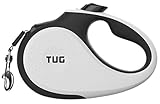
- Small Retractable Dog Leash is Suitable for Dogs Under 35 lbs; Medium For Dogs Under 55 lbs; Large For Dogs Under 110 lbs; Retractable Leashes Not Suitable For Chewing
- 16 ft Tape Retractable Dog Leash With Easy-Adjust Retraction; 360 Degree Tangle-Free Inlet
- Quick Lock And Unlock Feature - Easy Roll-On and Roll-Off With Your Thumb
- Super Comfortable Grip For Those Long Walks! Ergonomic Anti-Slip Handle
- Heavy Duty Internal Coil For Consistent Retraction and Recoil
Prepare the home before pickup
Set up the basics before the dog arrives so the first hours do not depend on hurried shopping or moving hazards out of the way. The ASPCA advises preparing a quiet, dedicated resting area, securing hazards such as accessible cords, unsafe plants, and tempting items the dog might chew, and gathering necessities. The AVMA recommends having an appropriate place for the dog to eat and sleep, along with a collar, leash, ID tag, and food and water bowls.
First-day preparation checklist
- Choose a calm resting area where the dog can settle without being pressed into contact with everyone in the home.
- Remove or secure accessible hazards, including cords, unsafe plants, and objects the dog might chew or swallow.
- Prepare a suitable place for food and water, and ask the shelter what food the dog currently eats and whether it recommends a gradual change.
- Have a leash, collar, and ID tag ready, as recommended by the AVMA. Ask the organization what equipment and records will accompany the dog.
- Consider a gate or other way to limit access if it will help manage the home safely. The ASPCA recommends gates where useful; the arrangement should suit the individual dog and household.
- Ask the shelter for any medication instructions, medical records, follow-up guidance, or transition advice you will need.
A crate is one possible way to manage space, not a requirement for every dog. Humane Society of Charlotte describes a crate or a dog-proofed, gated area as possible options in its dog adoption tips. Choose an arrangement appropriate for the dog and your household, and follow the organization’s advice about the individual animal.
Before pickup, think through how the dog will enter the home and reach its resting area with as little commotion as possible. Put away items that could be chewed, keep cords and unsafe plants out of reach, and decide which areas of the home will initially be accessible. A gate can make it easier to limit access when appropriate, but it should be part of a setup suited to the individual dog rather than a one-size-fits-all requirement. Have bowls, a place to rest, and the leash, collar, and ID tag ready so you can focus on the dog’s transition.
What to bring when you pick up your dog
There is no single pickup checklist for every organization, so confirm the details before the visit. The AVMA specifically recommends having a collar, leash, and ID tag ready. Ask the shelter whether it requires paperwork or other items, what records and instructions you will receive, and whether the dog is currently taking medication or following a routine you should continue. Bring the supplies the organization requests and make sure you understand any care or follow-up directions before leaving.
Help the dog settle in at its own pace
Keep the first days calm and predictable. Let the dog observe the home and rest, establish a manageable routine, and give it space rather than expecting immediate sociability. Avoid forcing contact with family members or visitors. If other pets live in the home, do not rush their interaction; ask the shelter for an introduction plan and follow its advice for the animals involved.
The ASPCA describes gradual adjustment using a “3-3-3 Guideline.” Treat it as a rule of thumb, not a timetable, promise, or test of whether an adoption is working. Dogs vary, and a simple timeline cannot describe every animal’s adjustment. Follow the individual shelter’s transition guidance, pay attention to what the dog is showing you, and contact a veterinarian with health questions.
Give the dog opportunities to become familiar with the home without requiring it to meet every visitor or explore every room at once. Make the resting area available and allow the dog space to observe. A calm routine can help you notice what the dog is comfortable with and where it may need more gradual support. If children or visitors are in the home, do not force contact; introductions should be paced with the dog’s adjustment in mind.
Rank #4

- ENHANCED NIGHT VISIBILITY: Keep your dog safe during early morning or evening walks. The upgraded double-sided reflective stitching catches streetlights and car headlights brightly, ensuring you both remain highly visible to traffic in low-light conditions
- CUSHIONED ANTI-BURN HANDLE: A savior for hands when walking active dogs that pull. The soft, thick interior padding prevents painful rope burn and strain, providing a secure, comfortable grip for better control when your furry friend lunges. Includes a sturdy metal D-ring for clipping poop bag dispensers
- PERFECT 6FT BALANCE: The ideal length for urban walks, offering your dog enough freedom to sniff around while keeping them close enough for easy command in busy areas. Choose the 3/4'' width for small breeds, or the robust 1.0'' width for powerful medium to large dogs
- HEAVY-DUTY TANGLE-FREE CLASP: Features a strong metal spinning snap that allows 360° movement, preventing frustrating leash tangles so your dog can move freely around you. Built with high-density nylon webbing for reliable daily strength. NOTE: While tough for pulling, this nylon material is NOT chew-proof. Don't leave unattended with chewers
- COMPLETE THE LOOK: Available in vibrant colors tailored to match your dog's style. For the ultimate coordinated walking set, pair this leash with our matching Joytale reflective nylon collar
For households with resident animals, ask the organization for an introduction plan before pickup and follow its guidance rather than relying on a brief shelter meeting to predict how the animals will live together. Do not rush interactions. Each animal and household is different, and the organization may have information or advice specific to the dog you are adopting.
If you are uncertain about a new behavior or care need, gather the details and ask for appropriate help rather than assuming that one early interaction reveals the dog’s permanent temperament. A measured transition gives you more useful information about the dog in your home and avoids adding unnecessary pressure during a major change.
Plan for the ongoing commitment and costs
An adoption fee is only one part of the financial picture, and there is no universal fee or standard list of what it covers. Ask the organization directly whether the fee includes any medical care, identification, or follow-up, and what records you will receive. The process and terms are set locally, so do not assume that one shelter’s arrangements apply elsewhere.
Budget separately for care over the dog’s lifetime. The AVMA lists possible expenses including food and supplies, veterinary care and emergency treatment, grooming, boarding, licensing, identification, sterilization, and training. The exact mix depends on the dog and household. Consider whether you could handle both regular preventive care and an unexpected veterinary expense; insurance is one option some adopters may choose to research, but coverage and terms vary by provider and policy.
Think through predictable costs as well as less predictable ones. Routine veterinary care, food, supplies, grooming, licensing, and training may be part of ongoing ownership; boarding may matter if you travel, and emergency treatment can add an unexpected expense. The AVMA also includes identification and sterilization among possible costs. These categories are planning prompts, not a quote for what any individual dog will cost. Ask the shelter what is included in its fee, then consider separately what you will need to provide over time.
If you are considering insurance as one way to plan for veterinary expenses, review available policies directly and check their terms, limits, and exclusions. Do not assume a policy will cover a particular treatment or reduce costs in a particular way. The central question is whether you can provide for the dog’s physical and mental health over its lifetime, including routine needs and costs you cannot predict in advance.
Quick wins for a faster PC:
Scan for outdated or missing drivers - takes under a minuteDriver Scan →Repair Windows errors before they cause bigger problemsFix Now →The AVMA puts the responsibility plainly: “As its owner, you will ultimately be responsible for your dog’s food, shelter, companionship, exercise, and physical and mental health for the rest of its life.” That obligation is the basis for choosing a sustainable match, not a reason to expect one perfect dog or household.
Best Value

- Upgrade: The product has been modified to use nylon thread directly sewing, very strong.All handles was sewn onto the leash instead of the cord ties.Package includes: frosted zipper bag,two handles dog leash.
- MAXIMUM TOUGHNESS AND DURABILITY: Nearly 2X thicker and stronger than standard dog leashes. 3mm thick and 1” wide with tightly webbed nylon for enhanced rugged construction.
- DUAL HANDLES FOR TOTAL CONTROL: Soft Neoprene and padded handle, comfortable than ever ;Equipped with an extra traffic handle for amazing control. Use the standard handle for those casual dog walks or quickly grab the built in traffic handle to guide your pup through crowded areas with ease.
- 360° Rotating Clasp: Swivel clasp prevents the leash from twisting and dog getting tangled. Heavy-duty metal clasp makes our training leashes last longer than most ones. Premium components for maximum strength
- BE SAFE AND VISIBLE AT NIGHT: Luminous reflective threading keeps you both safe and visible on your late-evening walks. Enjoy a large 2” heavy duty clip for added safety and thick D-ring to attach your favorite dog training clicker or dog poop bag holder.Packaging details:Frosted zipper bag,Dog leash with D ring
Frequently Asked Questions
How do I know which shelter dog is right for me?
Compare the dog’s known routine, activity, training, health, behavior, grooming, and support needs with your actual schedule, home, resident animals, and ability to provide care over time. Ask staff about the individual dog and what remains unknown; do not rely on appearance, age, or an immediate connection alone.
What should I ask before adopting a dog?
Ask what is known about medical history, medication and follow-up, routine, energy, training and housetraining, behavior around people and other animals, sensitivities or handling needs, and post-adoption support or return procedures. Also ask what the fee includes and what paperwork, records, or supplies you should bring. Staff may not have a complete answer to every question.
What should I bring when I pick up my adopted dog?
Confirm the organization’s current pickup requirements before you go, including timing and paperwork. The AVMA recommends having a collar, leash, and ID tag ready. Ask what equipment, medical records, medication instructions, or other supplies the shelter expects you to bring or will provide.
Do these 3 things before closing this tab:
1Scan for outdated or missing drivers - takes under a minute2Repair Windows errors before they cause bigger problems3Fix the driver behind crashes, sound loss and screen glitchesHow long does it take a rescue dog to settle in?
Dogs vary, so there is no dependable timetable for every dog. The ASPCA’s “3-3-3 Guideline” is a rule of thumb, not a promise or test. Keep the transition calm and predictable, give the dog space, avoid forced introductions, and follow the shelter’s advice for the individual animal.
Do I need a fenced yard or a crate to adopt a shelter dog?
Not necessarily. Requirements depend on the organization and, in some cases, the individual dog. A fenced yard is not a universal rule, and a crate is only one possible way to manage space; a dog-proofed or gated area may be another option if appropriate. Confirm current requirements and recommendations with the shelter or rescue.
The Bottom Line
A good adoption starts with an honest look at the life you can offer, careful questions about the individual dog, and direct confirmation of the shelter’s current process. Prepare a safe, calm homecoming, allow adjustment at the dog’s pace, and plan for the long-term costs and care that come with lifelong responsibility.
Quick Recap
Product prices and availability are accurate as of the date/time indicated and are subject to change. Any price and availability information displayed on Amazon at the time of purchase will apply.
Recommended Free Tools





Leave a Reply