If your dog or cat has new vision problems, arrange a veterinary assessment rather than assuming the change is permanent. Once you know what is causing it and have a care plan, make the pet’s surroundings predictable, block hazards, and use familiar sounds and textures to help them get around. Blindness alone does not determine quality of life: comfort, overall health, the cause of vision loss, and the home environment all matter.
Start with a veterinary assessment
Bumping into objects, hesitating in unfamiliar places, or seeming disoriented can point to a vision problem, but those signs do not establish that a pet is permanently blind. Different conditions can affect vision, including cataracts, diabetes, glaucoma, tumors, age-related degeneration, and trauma. A veterinarian can determine what is happening and whether treatment, monitoring, or referral to a veterinary ophthalmologist is appropriate. The American Animal Hospital Association (AAHA) identifies a definitive diagnosis as the first important step for suspected sensory impairment.
Home adaptations can make a pet safer and more comfortable, but they do not treat the cause of vision loss. Follow the veterinarian’s plan for the underlying condition and routine care; the appropriate examinations and follow-up schedule depend on the individual pet.
Make the home predictable and safe
Keep essentials and pathways consistent
Where practical, leave furniture and large objects in familiar positions. Keep food, water, bedding, and resting spots in places the pet can learn. For cats, keep the litter box in the same, unobstructed location. A calm, familiar home base gives a pet a reliable place to rest and reorient. Clear walkways and secure unstable objects that could become obstacles.
The Tool Desk
Outbyte Driver Updater FREEScan for outdated or missing drivers - takes under a minuteDriver Scan →Outbyte PC Repair FREERepair Windows errors before they cause bigger problemsFix Now →#1 Best Overall

- Custom Fit Sizing: Designed with multiple size options to ensure a comfortable and secure fit for dogs of different breeds.XXS for 13"-19",XS for 18"-22",S for 22"-26"
- Impact Prevention Halo: The halo ring gently contacts obstacles first, guiding dogs away from hazards.
- All-Day Comfort: Lightweight and soft materials allow long-time wear without irritation or pressure.
- Secure Vest Harness: Dual-buckle vest evenly distributes pressure and keeps the halo stable during movement.
- Daily Safety Support: Reduces risk of injury by guiding dogs safely around furniture and obstacles.
Block dangerous areas
Use a securely installed pet or baby gate, or restrict access to a safe room, when stairs, balconies, pools, or other hazards are within reach. Choose a barrier that fits the opening and is appropriate for the animal; a gate is useful only if it cannot be pushed over, climbed, or bypassed.
Add consistent tactile landmarks
A stable runner or mat at a doorway or other transition can provide a texture cue. Non-slip flooring or securely placed rugs can help in slippery areas; a rug that slides can create a hazard of its own. Colorado State University Veterinary Health System also describes woodchips as an outdoor texture cue. Introduce one cue at a time, keep it in the same place, and guide the pet while they learn it.
Rank #2

- Fit Tips Before Purchase: For best results, measure chest circumference and nose distance carefully before choosing a size.
- Protective Halo Design:The lightweight halo surrounds the head area to help reduce accidental bumps into walls, furniture, and other common obstacles.
- Daily Navigation Assistance:Designed to help visually impaired dogs move around with greater awareness of nearby objects and obstacles.
- Soft Breathable Comfort:Breathable padded fabric provides lasting comfort while helping minimize friction during walking, resting, or indoor exploration.
- Secure Vest Structure:Vest-style harness distributes pressure more evenly across the body while keeping the halo securely positioned during movement.
Some veterinary guidance mentions scent as a possible navigation cue, but it does not establish a universal method or compare products. Keep any cue subtle, observe your pet’s response, and ask your veterinarian before introducing a product if there is a health concern.
Help your pet know where you are
Speak in a normal voice before approaching or touching your pet so they are less likely to be startled. Let them investigate your hand rather than reaching suddenly toward their face. For dogs, use positive reinforcement to teach short safety cues such as “stop,” “wait,” or “step up.” Use the same word for the same action, and practise in a familiar, low-risk area before relying on a cue near an obstacle.
Rank #3

- Precise Measurement for Proper Fit:Measure nose length and chest girth before purchase. Multiple size options ensure a snug yet comfortable fit for blind and senior dogs.
- Enhances Daily Navigation:Supports safer movement indoors and outdoors, helping dogs explore surroundings with improved awareness.
- 360° Awareness Buffer:Circular halo structure creates a physical boundary to alert dogs before direct contact.
- Comfortable All-Day Wear:Soft materials support extended daily use.
- Secure Vest Harness Design:Dual-buckle vest structure distributes pressure evenly while ensuring stable positioning during use.
A bell on a household pet’s collar may help a blind companion locate them. Bells can also signal that a person is approaching. These are optional orientation cues, not replacements for gates or supervision.
Keep outdoor time safe
In unfamiliar places, keep a blind pet on a leash. For off-leash time, use a secure fenced area that the pet knows. AAHA suggests leash walks and a small fenced potty area for a blind dog. Do not leave a blind animal unattended near a pool, lake, pond, cliff, or steep drop; even a familiar outdoor space can contain a serious hazard.
Rank #4

- [COMFORT & SAFETY] Lightweight and cushioned design protects your blind dog's neck and shoulders, ensuring comfort while preventing injuries from bumps. Adjustable straps provide a secure fit without restricting movement.
- [UNHINDERED MOBILITY] Allows blind dogs to eat, drink, play, and sleep naturally. The flexible design ensures freedom of movement while providing protection, boosting confidence and independence.
- [ADJUSTABLE FIT] Features quick-release buckles and multiple adjustment points for a customized fit. Suitable for dogs of various sizes, ensuring comfort and security during all activities.
- [DURABLE MATERIAL] Made from high-quality aluminum strips, SBR, and sponge for long-lasting use. The sturdy yet lightweight construction provides reliable protection without weighing your dog down.
- [EASY TO USE] Simple to put on and take off, making it ideal for daily use. The intuitive design requires minimal training, allowing your blind dog to adapt quickly and comfortably.
Continue walks and outdoor activities your pet enjoys, adjusting the route and level of support to their comfort. Let them explore at their own pace, and stay close enough to guide them away from obstacles or changes in footing.
Independent reader supportYour contribution helps us test, update, and keep practical guides available for everyone.Preserve play and enrichment
Vision loss does not mean a pet must stop playing. Offer familiar activities and toys that engage hearing or touch, such as sound-making toys recommended by the American College of Veterinary Ophthalmologists (ACVO). Keep play areas clear, supervise play where needed, and let your pet’s interest and comfort guide what you offer.
Do these 3 things before closing this tab:
1Repair Windows errors before they cause bigger problems2Scan for outdated or missing drivers - takes under a minute3Clear out junk files and repair common Windows errorsBest Value
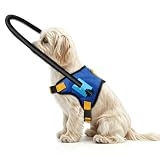
- Measure Before Ordering:Please measure your dog's chest girth and nose length before purchase. Selecting the correct size provides the best wearing experience.
- Adjustable Fit:Multiple adjustment points help achieve a customized fit for different body shapes while allowing freedom of movement.
- Stable Vest Harness:Dual side buckles and an adjustable vest keep the halo securely positioned while reducing shifting during walking or exploring.
- Comfortable Daily Wear: Made with breathable fabric, soft padding and lightweight materials to provide comfortable support for everyday use.
- Designed for Blind Dogs:The lightweight protective halo helps your dog recognize walls, furniture and other everyday obstacles before direct contact, making daily movement more comfortable.
A blind-dog halo harness is one optional aid Colorado State University Veterinary Health System lists for protecting a dog’s face and helping with navigation. It is dog-specific, not necessary for every blind dog, and the cited guidance does not compare products or establish that a particular model works for every animal. Introduce any new equipment gradually and stop if your dog is distressed or moves less confidently.
Watch for eye changes and changes in comfort
Contact your veterinarian promptly if your pet squints, rubs an eye, develops increased discharge, or has another change in eye appearance. These signs warrant assessment rather than being treated as an expected part of blindness. A blind dog may need additional eye examinations to check for irritation or infection, as AAHA notes; your veterinarian can advise what monitoring is appropriate for your pet.
Adaptation varies from one animal to another. ACVO notes that pets whose blindness is limited to the eyes and who are otherwise healthy can adapt well, while AAHA’s guidance emphasizes diagnosis and care tailored to the pet. Keep track of whether your pet is comfortable, finding essentials, and showing interest in familiar activities, and share concerns with the veterinary team.
Quick Recap
Product prices and availability are accurate as of the date/time indicated and are subject to change. Any price and availability information displayed on Amazon at the time of purchase will apply.




