
A domino damsel (Dascyllus trimaculatus), also called a three-spot damselfish, can be a durable marine fish, but an adult is often fiercely territorial. Plan the aquarium around its adult behavior rather than its small juvenile size: provide ample swimming room, rockwork that breaks lines of sight, stable saltwater, a varied omnivore diet, and tank mates able to hold their own. A single fish is usually a more predictable choice than a group in a modest aquarium, and spawning is much easier than raising the larvae.
What a domino damsel is
The accepted scientific name is Dascyllus trimaculatus. The U.S. Geological Survey (USGS) lists three-spot damselfish, domino damselfish and threespot damsel as common names. Adults have a dark body with three white spots; AquariumDomain notes that the spots become less conspicuous as the fish matures.
As an Amazon Associate I earn from qualifying purchases.
In the wild, USGS records the species on coral reefs and rocky bottoms from 1 to 55 metres deep. It is principally a pelagic feeder that takes zooplankton and detritus. Juveniles may shelter near sea anemones or long-spined sea urchins. That observation describes natural ecology, not a promise that a captive fish will host an anemone or urchin.
Free tools Windows power users keep installed
One-click scans. No signup required.
“Hardy” means a fish can tolerate a reasonable range of normal aquarium conditions; it does not mean the fish will be peaceful. Domino damsels defend a chosen area, and aggression commonly increases as they grow.
#1 Best Overall

- 𝗛𝗼𝗺𝗲 𝗔𝗾𝘂𝗮𝗿𝗶𝘂𝗺 𝗪𝗮𝘁𝗲𝗿 𝗧𝗲𝘀𝘁 𝗞𝗶𝘁 - Ensure the health of your fish with aquarium water testing kit & ammonia test strips for fish tank. This complete freshwater & saltwater tank test kit provides a reliable water tester for ammonia, pH, iron, chlorine, total hardness (GH), carbonate, nitrate, nitrite, total alkalinity, copper, and temperature, allowing you to have a complete understanding of your aquarium water quality. Trusted by fish enthusiasts, it adapts to your needs, making it an essential tool for aquarium care.
- 𝗔𝗰𝗰𝘂𝗿𝗮𝘁𝗲 & 𝗙𝗮𝘀𝘁 𝗧𝗲𝘀𝘁𝗶𝗻𝗴 𝗥𝗲𝘀𝘂𝗹𝘁𝘀 - Our aquarium water test strips deliver reliable results. Each fish tank water testing kit comes with easy-to-read color charts. This fish tank test strips are highly sensitive, detecting low levels of impurities and foreign substances in aquarium water. Our aquarium water quality tester helps prevent any invisible water problems.
- 𝗜𝗻𝘀𝘁𝗮𝗻𝘁 𝗛𝗼𝗺𝗲 𝗧𝗲𝘀𝘁𝗶𝗻𝗴—𝗡𝗼 𝗧𝗿𝗶𝗽𝘀 𝘁𝗼 𝘁𝗵𝗲 𝗦𝘁𝗼𝗿𝗲 - Testing 11 key parameters in your aquarium is easier than ever with just one kit. Just dip the strip in water and use the provided color chart for instant, reliable results. Say goodbye to frequent trips to pet stores because now you have our home water test kit with the ability to monitor your aquarium's water quality in the comfort of your own home.
- 𝗧𝗲𝘀𝘁 𝗦𝗺𝗮𝗿𝘁𝗲𝗿 𝘄𝗶𝘁𝗵 𝗘𝘅𝘁𝗲𝗻𝗱𝗲𝗱 𝗦𝗵𝗲𝗹𝗳 𝗟𝗶𝗳𝗲 𝗦𝘁𝗿𝗶𝗽𝘀 - Our aquarium test kit contains 150 test strips for aquarium fish tank: 50 strips in a bottle and 100 in a separate bags to maintain freshness. Once opened, it's recommended to use the strips within 3 months for maximum accuracy of the fish water testing kit. These water testing strips allow regular water quality checks without using all water test strips at once.
- 𝗩𝗲𝗿𝘀𝗮t𝗶𝗹𝗲 𝗪𝗮𝘁𝗲𝗿 𝗧𝗲𝘀𝘁𝗶𝗻𝗴 𝗞𝗶𝘁 𝗳𝗼𝗿 𝗔𝗹𝗹 𝗔𝗾𝘂𝗮𝘁𝗶𝗰 𝗡𝗲𝗲𝗱𝘀 - Our Aquarium water quality test kit is designed to cater to a wide range of aquariums including saltwater aquariums, freshwater fish tanks, betta fish tank, and fish ponds. Our hard water test kit can be used to test the water quality effectively, which ensures that you can maintain optimal water conditions in different aquarium setups.
Choose the aquarium before you buy the fish
Conflicting minimum-size recommendations
Published minimums do not agree, so treat any single number as a stocking recommendation rather than a biological limit. Aquarium Source (2026) recommends 55 US gallons for one domino damsel and at least 75 gallons for a pair. AquariumDomain lists 30 gallons or more. The Ornamental Aquatic Trade Association (OATA) gives broad damselfish guidance of at least 60 litres (about 16 US gallons) for one fish and 200 litres (about 53 US gallons) for a group, while warning that species requirements must be checked.
| Source | Single fish | Pair or group | How to interpret it |
|---|---|---|---|
| Aquarium Source, 2026 | 55 US gallons | 75 US gallons for a pair | Conservative, species-focused hobby guidance |
| AquariumDomain | 30 US gallons or larger | Not stated | Lower species-profile estimate; publication year not shown |
| OATA | 60 litres for one damselfish | 200 litres for a group | General damselfish figures, not a domino-specific standard |
For a conservative plan, use the 55-gallon figure for one adult as a starting point, then increase volume when adding assertive tank mates, a pair, or a group. More water dilutes waste and gives the fish room to establish a territory away from other animals. A 30-gallon aquarium may be listed in hobby profiles, but it leaves less margin for territorial boundaries and community mistakes.
Water targets and equipment
Keep salinity and temperature steady; sudden swings are more stressful than a value that is slightly away from the middle of a stated range. Aquarium Source lists 72–82°F (22–28°C), pH 8.1–8.4, alkalinity 8–12 dKH and specific gravity 1.020–1.025. OATA lists 24–26°C, pH 7.9–8.3, salinity 1.020–1.025, ammonia 0 mg/L, nitrite 0 mg/L, nitrate no more than 50 mg/L and carbonate hardness 8–12 dKH.
| Parameter | Aquarium Source range | OATA range or limit | Practical priority |
|---|---|---|---|
| Temperature | 72–82°F (22–28°C) | 24–26°C | Use a reliable heater and avoid rapid changes |
| pH | 8.1–8.4 | 7.9–8.3 | Stability matters; match sensitive reef animals if present |
| Salinity | Specific gravity 1.020–1.025 | 1.020–1.025 | Measure with a calibrated instrument |
| Alkalinity | 8–12 dKH | 8–12 dKH | Keep consistent rather than chasing a number |
| Ammonia and nitrite | Not stated | 0 mg/L for each | Any detectable reading calls for investigation |
| Nitrate | Not stated | 50 mg/L or less | Lower is preferable for mixed reefs and sensitive companions |
Set up a fully cycled marine aquarium with biological filtration, a heater, moderate circulation and strong surface movement for gas exchange. Build porous rockwork with several hiding places and visual barriers. A fish that can retreat around a rock rather than see a rival constantly is less likely to fight. OATA recommends testing water weekly and performing a weekly 25% partial water change for the group of fish covered by its care sheet. Add livestock gradually so the beneficial bacteria can adjust to each new waste load.
Rank #2

- [DIGITAL AQUARIUM WATER TEST KIT – APP-ENABLED 10-IN-1 FRESHWATER & SALTWATER FISH TANK TEST KIT]: Test aquarium water with this all-in-one digital aquarium water test kit, fish tank test kit, and freshwater aquarium test kit. Measure ammonia, nitrate, nitrite, pH, GH, KH, chlorine, and more for freshwater aquariums, saltwater aquariums, reef tanks, shrimp tanks, and fish tanks. Scan each aquarium test strip with the DROPLYTIX app for fast digital results without comparing colors to printed charts.
- [FOR ALL AQUARIUM TYPES – FRESHWATER, SALTWATER, REEF, BETTA, SHRIMP, TURTLE & AXOLOTL]: This fish tank water testing kit works with freshwater fish tanks, saltwater aquariums, reef aquariums, planted aquariums, shrimp tanks, betta tanks, turtle aquariums, axolotl tanks, nano aquariums, and aquarium starter kits. Compatible with 5-gallon, 10-gallon, 20-gallon, and 30-gallon fish tanks. Ideal for aquarium maintenance kits, aquarium cleaning routines, and routine water testing.
- [FAST RESULTS – DIGITAL AQUARIUM TEST STRIPS WITH NO COLOR GUESSING]: Replace traditional ammonia test kits, pH drops, and manual color charts with digital aquarium test strips and fish tank test strips. Simply dip, scan, and receive detailed results for ammonia, nitrite, nitrate test strips, pH balance, GH, KH, chlorine, and aquarium water quality. Ideal for fish tank water quality testing, planted aquariums, aquarium cycling, and accurate aquarium water test results.
- [COMPLETE AQUARIUM WATER TESTING FOR HEALTHIER FISH & STABLE WATER]: Monitor the most important aquarium water parameters to help maintain balanced conditions for tropical fish, freshwater fish, saltwater fish, shrimp, snails, corals, and reef aquariums. This master aquarium test kit provides detailed monitoring of pH, ammonia, nitrate, nitrite, hardness, GH, KH, and chlorine for beginner and advanced aquarium hobbyists using digital aquarium testers and water quality test kits.
- [COMPLETE AQUARIUM TEST STRIP KIT – DIGITAL WATER TESTING AT HOME]: Everything needed to monitor aquarium water quality in one app-powered aquarium water test kit. Use as a betta fish test kit, freshwater test kit, freshwater aquarium test kit, reef aquarium water tester, fish tank test kit, or fish tank water testing kit. Ideal for aquarium cycling, water changes, routine aquarium maintenance, GH/KH test kits, saltwater master test kits, nitrate/nitrite test kits, aquarium test strips, and digital aquarium testers.
Stocking sequence
- Cycle the aquarium and verify zero ammonia and nitrite before buying the fish.
- Arrange rockwork before introduction, creating more than one defensible shelter and open swimming lanes.
- Quarantine each newcomer in a separate, filtered aquarium rather than adding several fish at once.
- Introduce less-territorial fish first when possible; adding a timid fish after a domino has claimed the entire display often triggers relentless chasing.
- Observe feeding and fin condition daily during the first weeks, then continue weekly parameter checks and routine maintenance.
What to feed a domino damsel
Wild D. trimaculatus consumes zooplankton and detritus. In captivity it is an omnivore. OATA recommends a quality flake or pellet as a staple, supplemented with frozen mysis shrimp, enriched brine shrimp or red plankton, and notes that damselfish also graze algae. Aquarium Source lists marine flakes, pellets, brine shrimp, mysis and spirulina. No source establishes a uniquely superior brand, so vary food types and watch the fish’s body condition and appetite.
| Food category | Role | How to use it |
|---|---|---|
| Complete marine flakes or pellets | Convenient staple with formulated nutrients | Offer a small portion the fish finishes quickly |
| Frozen mysis or enriched brine shrimp | Protein-rich variety and enrichment | Thaw a small amount; rinse if the thaw water is heavily polluted |
| Red plankton or similar frozen marine foods | Additional prey-size and texture variety | Rotate rather than making one frozen item the entire diet |
| Spirulina or algae-containing foods | Plant matter for an omnivore | Use as part of a varied schedule, not unlimited grazing |
Feeding frequency differs by guide. OATA advises twice daily, with only what the fish can eat within a few minutes. Aquarium Source suggests small feeds two or three times daily. Choose the lower portion size that keeps the fish active without leaving food on the bottom; frequency is less important than portion control. Remove uneaten food, because decomposition raises nutrient levels and can destabilize water quality. A thin, pinched belly, persistent hiding at feeding time or sudden refusal to eat warrants a health and water-quality check.
Temperament, tank mates and reef compatibility
Expect territorial behavior
OATA says damselfish temperament varies and specifically warns that dominoes and humbugs should be mixed with tougher species such as large angelfish, triggerfish and pufferfish. AquariumDomain reports that adults become aggressive and are poor choices for timid or shy companions. Aquarium Source likewise describes territoriality and advises against passive or very small fish. These are compatibility cautions, not a guarantee that any listed combination will work; the larger species also require appropriately large systems.
Do these 3 things before closing this tab:
1Clear out junk files and repair common Windows errors2Fix the driver behind crashes, sound loss and screen glitches3Repair Windows errors before they cause bigger problemsDo not select tank mates solely because they share the same temperature or salinity. Assess adult size, swimming space, feeding speed and whether each fish can claim a separate shelter. Watch for repeated charges, cornering, torn fins or a fish that stops eating. If aggression continues after rearranging rockwork and reducing visual contact, be prepared to remove one animal; adding more fish to “spread out” attacks often worsens the bioload and conflict.
Rank #3
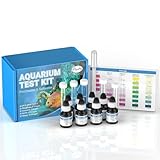
- 5-in-1 Master Test Kit: Monitor all 5 critical water parameters – pH, nitrite, nitrate, ammonia, and phosphate – in one comprehensive aquarium test kit. The rigorous analysis helps you maintain an ideal haven for your aquatic friends
- Freshwater & Saltwater Application: This aquarium water master test kit works perfectly for both freshwater and marine fish tanks. Precise color-matching charts are included – simply compare your water’s hue to the color swatches for instant results
- Enhanced Accuracy: Using professional liquid reagents, the aquarium water test kit delivers high accuracy that far exceeds traditional test strips. Get laboratory-quality results every time, safeguarding a stable and enjoyable fish tank environment
- Regular Testing: Complete with 265 measurements across all parameters – pH (100), nitrite (45), nitrate (50), ammonia (30), phosphate (40). This fish tank water testing kit supports months of consistent monitoring to keep your aquarium perfectly balanced
- Essential Fish Care: Your trusted solution to prevent fish loss from fatal ammonia, nitrite buildup, or pH imbalances! Proper water quality maintenance ensures your aquatic pets stay healthy and your plants thrive in optimal conditions
Adding a pair or group
A pair or group needs substantially more territory than a single fish. Aquarium Source’s 75-gallon pair recommendation and OATA’s 200-litre group guidance illustrate why a small display can become overcrowded quickly. There is no guarantee that two purchased juveniles will form a compatible pair. Introduce similarly sized fish carefully, provide several shelters, and monitor the smaller individual for persistent harassment.
Reef tanks
Aquarium Source calls the species reef-safe with caution and reports that mature fish may nip soft corals or smaller invertebrates. AquariumDomain says it can be kept with corals and invertebrates while warning about aggression toward fish. Treat these as source-specific observations, not a guarantee for every specimen. Inspect corals and mobile invertebrates after introduction, and have a removal plan if nipping or territorial damage appears.
Illness: signs, quarantine and sensible first response
Warning signs to observe
OATA recommends checking swimming, color, temperament, breathing, appearance, body condition and appetite. Contact a knowledgeable marine-fish professional when you see:
Outdated Drivers Are Slowing You Down
One free scan finds every outdated or missing driver and matches the right update for your exact hardware.Free scan · exact hardware matchPC Slower Than It Used to Be?
A free scan shows the junk files, broken settings and background clutter dragging Windows down - then fixes them in one click.Free scan · Windows 10 & 11- Abnormal swimming, persistent flashing or loss of balance
- Rapid, labored or otherwise changed breathing
- White spots, a dusty appearance or fluffy growths
- Torn fins, missing scales, ulcers or other body damage
- Marked color change, wasting or abdominal swelling
- Reduced feeding or complete refusal to eat
Test ammonia, nitrite, nitrate, salinity, temperature and pH immediately when a symptom appears. Poor water quality can cause rapid breathing and lethargy and can worsen an infection. Aquarium Source lists marine ich, velvet, Uronema and bacterial infections as possible problems, but a symptom list is not a diagnosis. Do not choose medication solely from a photograph or a single sign; treatments can affect other fish, invertebrates and biological filtration.
Rank #4
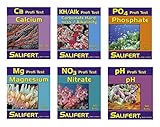
- Six Salifert Professional Test Kits
- Includes Calcium, Nitrate, Phosphate, pH, Alkalinity & Magnesium
- Includes all the Core parameters of any Saltwater Aquarium/Marine Reef Tank
Quarantine duration is a risk decision
The guidance differs substantially. OATA says a separate aquarium for at least one week can help reduce the risk of spreading disease. Aquarium Source recommends six to eight weeks. Neither duration guarantees disease-free livestock. Use a separate tank with its own nets and equipment, observe appetite and waste, and follow a diagnosis-appropriate treatment plan before transfer to the display. Longer observation provides more time for latent problems to become visible, especially when the display contains valuable or sensitive animals.
When aggression looks like disease
A domino damsel with missing scales or torn fins may have been attacked rather than infected. Check whether one tank mate is guarding a cave, then isolate the injured fish or aggressor as appropriate. A fish that is breathing hard after a chase still needs an immediate water test; physical injury and poor water quality can occur together.
Independent reader supportYour contribution helps us test, update, and keep practical guides available for everyone.Breeding and raising young
Damselfish may spawn in a home aquarium. OATA describes a sequence in which a pair cleans a site, the female deposits eggs, and the male fertilizes and fans them while removing non-viable eggs. Spawning alone is not successful captive breeding: in an ordinary community aquarium, larvae can be pulled into pumps or eaten.
What’s actually slowing this PC down?
Pick the symptom - the matching free tool is one click away.
Raising fry requires a separate specialist setup, controlled water quality and appropriately sized live foods. Aquarium Source discusses species-specific courtship, sex-change and larval-feeding information, including rotifers, but those details come from one hobby guide and should be treated as guide-reported techniques rather than guaranteed outcomes. A pair may never form, and an apparent pair may stop spawning after a change in territory or tank mates.
Best Value

- 5-in-1 Master Test Kit: Monitor all 5 critical water parameters – pH, nitrite, nitrate, ammonia, and phosphate – in one comprehensive aquarium test kit. The rigorous analysis helps you maintain an ideal haven for your aquatic friends
- Freshwater & Saltwater Application: This aquarium water master test kit works perfectly for both freshwater and marine fish tanks. Precise color-matching charts are included – simply compare your water’s hue to the color swatches for instant results
- Enhanced Accuracy: Using professional liquid reagents, the aquarium water test kit delivers high accuracy that far exceeds traditional test strips. Get laboratory-quality results every time, safeguarding a stable and enjoyable fish tank environment
- Regular Testing: Complete with 365 measurements across all parameters – pH (200), nitrite (45), nitrate (50), ammonia (30), phosphate (40). This fish tank water testing kit supports months of consistent monitoring to keep your aquarium perfectly balanced
- Essential Fish Care: Your trusted solution to prevent fish loss from fatal ammonia, nitrite buildup, or pH imbalances! Proper water quality maintenance ensures your aquatic pets stay healthy and your plants thrive in optimal conditions
A realistic breeding plan
- Reserve a dedicated breeding and larval system before relying on an observed spawn.
- Use screened or protected water intakes so newly hatched larvae cannot be drawn into pumps.
- Prepare reliable cultures of suitable live food before eggs hatch; a last-minute food supply usually fails.
- Separate larvae from adult fish and other community inhabitants.
- Track hatch timing, feeding response and water quality daily, accepting that early losses are common in specialist marine-fish culture.
Quick decisions for common situations
One fish in a mixed reef
Choose the conservative 55-gallon species-focused recommendation, create multiple shelters, and add only robust companions after quarantine. Inspect soft corals and small invertebrates for nipping.
Aggression after adding a new fish
Turn off the display light briefly, rearrange some rockwork to erase established boundaries, and provide temporary refuge for the harassed fish. If chasing resumes continuously or injuries appear, separate the animals rather than waiting for a natural resolution.
The fish stops eating
Check ammonia and nitrite first, then temperature, salinity and breathing. Offer a small portion of a familiar frozen food without flooding the tank. Persistent refusal, rapid breathing, spots or wasting calls for quarantine and professional diagnosis.
Considering a group
Use the larger-space guidance—200 litres for a group from OATA or at least 75 gallons for a pair from Aquarium Source—as a planning floor, not a promise of harmony. More territory, more hiding places and a plan to rehome an incompatible fish are essential.
Quick Recap
Product prices and availability are accurate as of the date/time indicated and are subject to change. Any price and availability information displayed on Amazon at the time of purchase will apply.





Leave a Reply