Quick wins for a faster PC:
Clear out junk files and repair common Windows errorsFree Scan →Fix the driver behind crashes, sound loss and screen glitchesFind Drivers →Many three-legged dogs return to a high level of activity, but their recovery and long-term needs vary with age, which limb was amputated, underlying health, and the condition of the remaining limbs. Care is not about treating every tripod dog as fragile: it is about following the surgical team’s recovery plan, building activity at the dog’s pace, and adapting the home only where a real difficulty arises.
What changes when a dog loses a limb?
Dogs adjust to moving on three limbs by changing how they use their limbs and body. A peer-reviewed study of tripedal locomotion describes coordinated adaptations in both the limbs and the axial system—the trunk and spine—rather than a change limited to the limb opposite the amputation. That is one reason to pay attention to the dog’s overall comfort and movement, not just one leg. The 2015 study’s PubMed record describes the research.
The adjustment can differ by which limb is missing. The American College of Veterinary Surgeons (ACVS) says rear-limb amputees tend to return to near-normal mobility, while forelimb amputees generally need to make a more significant gait adjustment. Older pets may take longer to learn to move after surgery. ACVS describes the functional prognosis after amputation as “very good,” while noting that an individual dog’s recovery varies. ACVS limb-amputation guidance explains what caregivers can expect.
How should you manage recovery after amputation?
Postoperative restrictions are different from long-term exercise advice. Follow the treating surgeon’s instructions for your dog; the ACVS guidance offers a general framework, not a substitute for the individual discharge plan.
Crashes, No Sound, or Screen Glitches?
Random freezes, missing sound and display glitches usually trace back to one bad driver. Find and replace yours safely.Free scan · under a minuteWindows Errors? Fix Them Before They Spread
Repair common Windows errors and clear accumulated junk for a smoother, more stable PC - no reinstall needed.Free scan · no reinstall#1 Best Overall

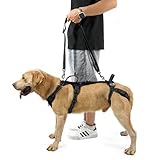
- Harness Object: The Rear Legs support Harness is designed to help your elderly, disabled, or injured dog, who are unable to navigate the stairs, has a difficult time getting up and down, needs help walking and at any risk of falling
- Lifesaver: The dog carrying harness can pick up the rear end of your fur friend,prevent hip pain and injury caused by aging, support them getting in and out of the car,up and down the steps,help them get up from lying down,stabilize both the gait and spine
- Postoperative Rehabilitation : This Hip lifter is a helpful rehabilitation strap to help your furry pug who are post-op surgery of knee,CCL (ACL),TPLO,hip replacement and so on.They all have some trouble with the their back legs
- Soft Durable : Inside contains synthetic fleece material,the dog mobility harness is very fluffy and comfortable for your dog to wear,won't chafe your pups underbelly. The belly sling carrier outer cove with oxford fabric, it is sturdy for large dog
- Easy to Use:The concept of the portable dog lift support harness is great with the padded handles,so its cushion works great for all dog owners can give your dog a assist lifting with easy.The dog body hoist is washable and easy to carry or storage with drawstring bag when not use it
- Set up a safe indoor space. For the first 24–48 hours, keep your dog in a secure area until steady on their feet. Limit access to stairs and avoid slippery floors.
- Keep outings controlled. Use short, leashed walks for bathroom breaks and gentle movement. ACVS advises avoiding rigorous activity for four weeks after surgery.
- Support rising only as directed. A sling can help with getting up or maintaining balance during early recovery. ACVS describes placing it under the chest for a front-limb amputee or under the belly for a rear-limb amputee. Ask the veterinary team how and when to use one; it is not a default long-term requirement.
- Increase movement gradually. As healing progresses, ACVS recommends encouraging the dog to stand and walk for increasing amounts of time. Let the veterinary team guide the pace, especially if the dog seems painful, unsteady, or reluctant to move.
How much exercise does a tripod dog need?
There is no universal walk length or exercise schedule that fits every three-legged dog. Once the surgeon’s restrictions allow normal activity, encourage regular movement and adjust it to the dog’s response. Watch body language and willingness to continue; some tripod pets tire sooner and benefit from rest breaks. Veterinarian-reviewed guidance recommends letting the dog set the pace rather than pushing through fatigue. PetMD’s guidance on caring for three-legged pets discusses activity and practical home support.
If gait, balance, strength, or pain is a concern, ask your veterinarian whether an assessment or rehabilitation support would help. A marked change in what the dog can comfortably do is more useful information than comparing them with another tripod dog.
Rank #2
- Veterinary Recommendations - Patented product developed through in-depth communication between our team and veterinarians. Specifically designed for dogs with hip dysplasia, arthritis, anterior cruciate ligament injury, intervertebral disc disease (IVDD), hip problems, unstable standing, and those in need of rehabilitation. It provides assistance in daily life, such as helping dogs climb up and down stairs, use the bathroom, and get in and out of cars.
- Easy to Use - You can put this lift harness on your dog in just 1 minute. The wearing steps are simple and easy to understand, no complicated operations required, so even first-time users can get the hang of it quickly.
- Bathroom Assistance - When your dog needs to defecate or urinate, this support sling provides stable support for the dog's rear legs, allowing the dog to use the bathroom without taking off the harness. Meanwhile, it also provides dual support for both the front and rear legs of the dog, making it easier for the dog to use the bathroom.
- Reflective Material - All the straps of the harness are equipped with reflective strips. In low-light environments or at night, they can effectively improve the visibility of the dog, making the dog's night activities safer and reducing the risk of accidents.
- 24-Hour Wearable - Made of skin-friendly material, it is lightweight, soft and breathable, which won't cause discomfort to the dog. It can be washed with water and dried, making daily cleaning and maintenance convenient, and suitable for the dog to wear all day long.
Which home adjustments or mobility aids may help?
Choose an aid for a specific obstacle, rather than buying equipment simply because a dog has three legs. The right choice depends on the task, the dog’s size and balance, the surface or incline, how easy the equipment is for the caregiver to use, and veterinary advice.
| Option | Useful when | What to consider |
|---|---|---|
| Secure runner or rug | The dog slips or struggles on a frequently used route or while turning, rising, or walking. | Prioritize secure traction and appropriate padding. Check the spots the dog uses most; a runner may help on one route without changing every floor. |
| Nonslip socks or booties | The dog needs additional traction in a particular setting. | PetMD lists these as possible aids. Fit and the dog’s comfort matter; they are optional, and no product can be assumed to prevent injury. |
| Ramp | The dog struggles to jump onto furniture or into a vehicle. | Choose a stable, nonslip ramp that suits the dog’s size, the incline, and the available space. It addresses access to a raised surface, not slippery flooring throughout the home. |
| Support sling | The dog needs help rising or balancing, particularly during early postoperative recovery. | Use it under veterinary-team direction. Placement differs by the missing limb: chest for a front-limb amputee, belly for a rear-limb amputee, according to ACVS. |
| Wheelchair or stroller | A dog has greatly reduced mobility and needs help covering distance. | These may suit some dogs, but routine use is not suggested for a healthy, independently mobile tripod dog in the cited guidance. Discuss the need with a veterinarian. |
What should you monitor over time?
Watch for changes in comfort, gait, willingness to walk, fatigue, and ability to rise. New pain, lameness, reduced function, or a meaningful increase in tiredness warrants veterinary assessment; do not assume a new problem is simply part of moving on three legs. Because tripedal movement involves coordinated changes across the body, tell the veterinarian about changes affecting the back or any remaining limb, not only the limb opposite the amputation.
Rank #3

- SUPPORT HIP SLING- Loobani lift sling is a simple and effective solution for mobility especially for elderly dogs, weak hind legs, orthopedic injuries, hip dysplasia, Arthritis pain, ACL / CCL surgery or other debilitating ailments
- MAKE MOBILITY EASILY- Excellent to help your doggy stand up, up and down stairs, get in and out of vehicles, onto furniture, outside for a bathroom break, or to provide some assistance when taking a walk
- COMFORT & NO PAIN- Providing ultimate care to weak and senior dog through thickening design and soft lining with sheepskin-like covering. Moreover,the handle equipped with removable padding is perfect for protecting your hand for easy comfortable carry
- HEAVY DUTY STRAP- A reflective nylon band runs through the whole sturdy sling to hold the weight of any breed. Adjustable straps were long enough to fit a range of breeds. Even if your pooches are short or you're tall, this carrier work well for you
- EASY TO USE & CARRY- The sling does not get in the way when she needs to "go" and can be moved out of the way easily if needed. After using, just fold and put it into the portable gift bag. Machine washable
Keep your dog lean. ACVS notes that a lower body weight reduces the energy needed to move and the stress placed on the remaining limbs; its stated goal is for the dog to be on the thin side of normal. ACVS also notes that excessive wear and tear can contribute to arthritis over time. A veterinarian can help assess body condition and advise on a suitable plan for your dog.
Quick Recap
Best Value

- 【Specially Designed for Male Dogs – Male-Friendly Dog Lift Harness】: The Lafoty dog lift harness for large dogs offers unique support with lift handles that don't interfere with male genitalia, allowing your dog to pee comfortably without mess. The rear leg straps are positioned to avoid interference with pooping, making it a clean and comfortable experience for your dog.
- 【Enhanced Mobility & Comfort – Dog Support Harness for Back Legs】: Equipped with 4 strategically placed handles (front and back), this dog carrying harness provides multiple lifting and rotation options, making it ideal for a variety of scenarios. The 6 adjustable straps help distribute force evenly, reducing strain on both you and your dog. Perfect as a dog stair helper or for lifting your dog in and out of vehicles.
- 【 2-in-1 Versatility – Detachable Rear Leg Support & Lift Strap】: This dog support sling offers a versatile 2-in-1 design. The rear leg support can be detached to be used as a regular harness for dogs, while the lift strap provides extra mobility support or temporary carrying assistance for stairs, walks, or general lifting.
- 【 Comfortable & Durable – High-Quality Dog Lift Harness】: Crafted from durable materials, this dog back leg support harness is designed for safety and comfort. While it may be slightly heavier than regular harnesses, the shoulder straps are built to evenly distribute weight, ensuring comfort even during long periods of use. Great for dog lifter for large elderly dogs or those recovering from surgery.
- Must Be Done Before Purchasing:We need to pay patience to accurately measure, so as to get the accurate size, refer to the scale table to buy the accurate size. After purchase, if you have any questions (missing parts/inappropriate size/not adjustable, etc.), please contact us in time.
Rank #4

- Harness Object: The Rear Legs support Harness is designed to help your elderly, disabled, or injured dog, who are unable to navigate the stairs, has a difficult time getting up and down, needs help walking and at any risk of falling
- Lifesaver: The dog carrying harness can pick up the rear end of your fur friend, moderate hip pain and injury caused by aging, support them getting in and out of the car, help them get up from lying down, stabilize both the gait and spine
- Postoperative Rehabilitation: This Hip lifter is a helpful rehabilitation strap to help your furry pug who are post-op surgery of knee, CCL (ACL), TPLO, hip replacement and so on. The back saver harness assist your dog while recovering from surgery
- Soft and Durable: Inside contains soft plush material,the dog lift harness is very fluffy and protect dogs' belly. The dog sling outer cove with oxford fabric. Our fabric is durable and won't expire easily and typically usable for up to 5 years
- Easy to Use: The portable dog lift support harness is great with the padded handles, so its cushion works great for all dog owners can give your dog a assist lifting with easy. It is washable and easy to carry or storage with drawstring bag
Product prices and availability are accurate as of the date/time indicated and are subject to change. Any price and availability information displayed on Amazon at the time of purchase will apply.




