
Recommended Free Tools
Some links on this page are affiliate links: if you buy through them we may earn a commission, at no extra cost to you.
Good hamster care starts with the enclosure, not the food bowl. A hamster needs room to burrow, a safe solid running wheel, suitable bedding, daily access to water, and a quiet routine that respects its nighttime activity. Most pet hamsters should also live alone: sharing an enclosure can end in serious fighting.
The following setup works as a practical baseline for Syrian and dwarf hamsters, although the enclosure, wheel, and diet should always be sized for the individual animal.
As an Amazon Associate I earn from qualifying purchases.
Set up a safe, spacious enclosure
Choose a secure, well-ventilated enclosure with a solid floor. Wire-mesh flooring can injure a hamster’s feet, while wooden habitats are difficult to disinfect and may be chewed through. A secure lid and reliable door latch are essential; hamsters can squeeze through surprisingly small gaps and will test weak corners, plastic panels, and chew points.
A useful minimum welfare benchmark is 100 × 50 cm (about 39 × 20 inches) of continuous floor space. More space is preferable. A tall cage with several shelves does not provide the same benefit as a large uninterrupted floor area, because shelves and tubes cannot replace room for burrowing and exploration.
Popular on Amazon
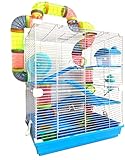
- Large Multi-Floors Hamster Mouse Gerbil Mansion: Features 5 solid paw safe floors with white wire body and 3-inch deep blue base, includes 4 solid plastic floors with 4 solid ladders and 2 front doors, expandable and completely compatible with Mcage accessories for more space
- Complete Set of Accessories Included: Comes with 4 paw safe solid flooring pieces, 4 paw safe anti-slip ladders, 1 water bottle, set of play tubes, 1 food bowl, 1 hide house and 1 five-inch exercise running wheel
- Safety Features: Bar spacing of 3/8-inch prevents escape and getting stuck, while 3-inch deep base provides extra playground and accommodates bedding needs for your pet's comfort
- Easy Assembly: No tools needed for quick and convenient setup, allowing you to have your pet's habitat ready in minutes
- Spacious Dimensions: Overall size measures L20 inches x W12 inches x H28 inches, with cage size of L18 inches x W12 inches x H23 inches providing ample living space for your small pets
Position the enclosure away from direct sunlight, drafts, loud speakers, smoke, cleaning fumes, and other pets that may frighten the hamster. Aim for a stable room temperature of approximately 64–79°F (17–26°C). Avoid placing the cage in a bedroom if nighttime wheel noise will disturb either of you, but do not isolate the hamster in a cold, dark, or inaccessible area.
House one hamster per enclosure
Syrian hamsters should be housed alone. Most pet hamsters are safest as solitary animals, and even dwarf hamsters that have lived together may begin fighting as they mature. Littermates are not guaranteed to remain compatible. A fight can cause deep wounds or death, so do not wait for injuries before separating animals.
Outdated Drivers Are Slowing You Down
One free scan finds every outdated or missing driver and matches the right update for your exact hardware.Free scan · exact hardware matchPC Slower Than It Used to Be?
A free scan shows the junk files, broken settings and background clutter dragging Windows down - then fixes them in one click.Free scan · Windows 10 & 11Use deep, safe bedding
Provide a deep layer of absorbent, low-dust bedding that allows the hamster to make stable tunnels. Paper bedding and appropriate dust-extracted wood products are commonly used. Depth matters: a thin layer may look tidy but prevents normal burrowing and gives the hamster little opportunity to build a nest.
Avoid these products:
- Cedar bedding and strongly aromatic wood products, which can irritate the skin and respiratory system.
- Fresh or heavily scented wood bedding unless it is specifically processed and considered suitable for small animals.
- Cotton wool, “fluffy” bedding, and long-thread nesting material. Fibers can wrap around legs, restrict circulation, be swallowed, or become lodged in cheek pouches.
Offer plain shredded paper, unscented tissue, hay, and cardboard for nesting. During cleaning, keep some clean, familiar bedding and nesting material in the enclosure. Removing every trace of the hamster’s scent can be stressful and may encourage excessive re-nesting.
Include the essentials
A hamster’s habitat should support sleeping, running, chewing, hiding, digging, and foraging—not just eating and drinking.
| Furnishing | What to look for |
|---|---|
| Hide or nest box | A dark, secure shelter large enough for the hamster to sleep and store food. |
| Running wheel | A solid running surface, no exposed axle or dangerous gaps, and a size that lets the hamster run with a straight back and without raising its head. |
| Chew items | Untreated, chew-safe wood, cardboard, and other products made for small animals. |
| Tunnels and boxes | Cardboard tubes, boxes, and other safe objects for hiding, shredding, and exploring. |
| Foraging areas | Scatter feeding and varied bedding or safe objects that encourage natural searching behavior. |
Inspect the wheel regularly for cracks, rough edges, trapped bedding, or openings that could catch toes. A wheel is valuable exercise, but it should not be the only enrichment. Deep bedding, hiding places, supervised exploration, and opportunities to forage are just as important.
Quick wins for a faster PC:
Repair Windows errors before they cause bigger problemsFix Now →Scan for outdated or missing drivers - takes under a minuteDriver Scan →Skip exercise balls
Exercise balls are widely sold but are not a good choice. They can be stressful because the hamster cannot stop, hide, or leave when it wants to. Ventilation is poor, and collisions with furniture, stairs, or walls can cause injury. Use a secure playpen or a thoroughly hamster-proofed area instead. Supervise play, block escape routes, remove electrical cords, and keep other animals out of the room.
Offer a safe sand bath
A shallow container of low-dust, additive-free sand can support normal coat-grooming behavior. Do not use fine dust, scented products, or sand containing dyes, calcium, or other additives. A hamster should not be bathed in water unless a veterinarian specifically instructs you to do so; water bathing can chill the animal and strip protective oils from its coat.
Also popular on Amazon

- A Vast Creative Living Paradise: Give small pets ample space to explore, play, and rest, even if they live together, they won't get crowded. We offer three sizes of cages, the vast space allows you to fully utilize your planning and layout abilities. The entire hamster cage can not only provide a cozy living environment for hamster, guinea pig, gerbil, rabbit or other rodents, but also become a beautiful scenery in your home!
- Premium Quality: Our wooden hamster cage are made from high-density natural wood, providing strong and sturdy support. After rigorous polishing, the surface is smooth and free of thorns. Thickened 3mm acrylic panel is more durable and sturdy, its surface film ensures that it is dust-proof and stain free before reaching your hands. All wood and acrylic boards have undergone deodorization, their non-toxic and odorless properties make them more suitable for small pets to play and live in.
- Leakproof & Easy to Clean: Considering the real usage scenario, a layer of tin foil has been added to the bottom board to prevent the penetration of liquids such as urine, excrement, and water from damaging the wooden board. When you need to clean, you can easily wipe with a cloth without leaving any marks on the bottom plate. The smooth feature of acrylic also make it easier for you to clean without worrying about the residue of stains.
- Multiple Ventilation: Fresh air is crucial for little furry pets in large amounts of hay and thick bedding. Unlike most big hamster cages on the market, we have long and wide slots on the top and back panels, as well as small holes on the acrylic sheet at the top, making it easier for air to circulate. Only in such an air environment can the airflow and humidity be balanced, so you don't have to worry about the overheat and odor inside the cage.
- Easy to Assemble: There are only 10 places throughout the body where screws need to be installed. Use the included screwdriver to install the screws into the pre-embedded holes. The front acrylic is fixed by adding a horizontal bar at the top to prevent the vibration of large pieces of acrylic. You will quickly complete this task through the instruction manual and installation video. Even for a 10-year-old child to install alone, the entire process will not exceed 30 minutes.
Feed a balanced diet and provide water
Make a complete commercial hamster pellet or block the main part of the diet. Products commonly provide about 15–20% protein, although the appropriate choice depends on the hamster’s age, species, health, and body condition. Follow the product’s feeding directions rather than guessing from the size of the food bowl.
Do not rely on a seed-only mix. Hamsters may select the fattier seeds and leave the nutritionally important ingredients behind, increasing the risk of obesity and deficiencies. Seeds can be used as a limited component of a balanced diet or as occasional enrichment.
What’s actually slowing this PC down?
Pick the symptom - the matching free tool is one click away.
Fresh vegetables and small amounts of fruit can supplement the main diet. Introduce any new food gradually and offer only small portions. Sudden dietary changes can cause diarrhea, which can become dangerous quickly in a small animal. Remove fresh food before it spoils, particularly from warm or hidden areas.
Provide fresh water at all times in a secure bottle or a heavy, stable bowl. Check the water bottle’s nozzle every day for leaks or blockages, and clean the bottle and bowl regularly. A hamster that cannot access water can become seriously ill in a short time.
Food hoarding is normal
Hamsters naturally carry food in their cheek pouches and store it in their nest. Do not empty every dry food store during routine cleaning. Instead, remove damp, moldy, spoiled, or contaminated food while leaving safe dry stores whenever possible. Check hidden corners and nesting areas carefully, particularly after giving vegetables or fruit.
Clean without erasing the habitat
- Spot-clean every few days. Remove wet bedding, heavily soiled areas, spoiled food, and visibly dirty furnishings. Some hamsters use one area as a toilet, making this task easier.
- Clean food and water equipment regularly. Check the water supply daily, even if the bottle appears full.
- Deep-clean when the enclosure needs it. The correct interval depends on enclosure size, ventilation, bedding depth, and the hamster’s toilet habits. A large, deep enclosure may need less frequent full changes than a small cage.
- Keep some clean old bedding. Mix it into the fresh bedding so the enclosure retains familiar scent.
- Inspect the habitat during cleaning. Look for chewed plastic, loose fittings, sharp edges, damaged wheel surfaces, and escape routes.
Over-cleaning can be as unhelpful as neglect. A complete cage change too often destroys burrows and scent marks, which may cause stress and frantic rebuilding. Clean the dirty parts first and reserve a full reset for when it is genuinely necessary.
Handle your hamster gently
Hamsters are mainly active from dusk through the night. Let a sleeping hamster rest during the day, and plan handling for when it is awake and alert. Pulling a hamster from its nest can frighten it and may lead to defensive biting.
- Give a newly adopted hamster time to settle before attempting extended handling.
- Approach slowly and let it investigate your hand by smell.
- Lift with both hands, supporting the entire body.
- Hold the hamster close to the floor or over a padded surface in case it jumps.
- Keep sessions short at first and stop if the hamster becomes distressed.
Never grab a hamster by the tail, squeeze it, or restrain it unnecessarily. Children should handle hamsters only with close adult supervision. A fall from a sofa, table, or child’s arms can cause serious injury even if there is no obvious wound.
Also popular on Amazon
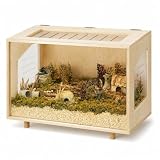
- 【MULTIFUNCTIONAL PET CRATE】: Measuring 23.6 x 15.7 x 18.5 inches, this is a multifunctional pet living space for small pets such as bunnies, hamsters, chipmunks, ruffed grouse and more. Whether you are a novice pet owner or an experienced breeder, this cage is ideal. Package does not include decoration but includes cleaning tool kit.
- 【HIGH QUALITY MATERIAL】: The bottom and pillars are made of high-quality wood panels, sturdy and reliable structure to ensure the safety and stability of your hamster. Equipped with high-quality acrylic panels around the perimeter to provide a clear view, allowing you to observe the hamster's activities at any time, and the hollowed-out design ensures ventilation and transparency.
- 【Easy to Clean】: The acrylic baffle with pull-out design on the front makes it easier for you to clean. We also provide you with additional cleaning tools so that you can easily keep the inside of the cage clean and tidy, ensuring that the living environment of the hamster is always fresh and hygienic.
- 【SIMPLIFIED INSTALLATION】: We have upgraded the assembly method to make the installation process quick and easy. Combining innovative design, sturdy construction and easy maintenance, this multi-functional pet cage provides a safe, comfortable and fun home for your pet. It is an ideal choice that not only provides you with convenient observation and interaction opportunities, but also provides a cozy living space for small pets.
- 【Upgraded Design】: The top design of the cage ensures good ventilation and air flow, helping to maintain proper temperature and humidity to ensure the health and comfort of your pet. An additional viewing window is also added for easy opening and increased viewing angle.
Arrange veterinary care
Find a veterinarian who regularly treats hamsters or other exotic small mammals before an emergency occurs. A first examination within 48–72 hours of purchase or adoption is a useful precaution, followed by annual examinations. Older hamsters may benefit from checkups twice a year. Hamsters do not need routine vaccinations.
Contact a veterinarian promptly if you notice:
- Reduced appetite or drinking
- Diarrhea or a wet, soiled rear end
- Lethargy, weakness, or unusual inactivity during the normal active period
- Labored breathing, nasal discharge, or eye discharge
- Bleeding, wounds, swelling, or a new lump
- Sudden weight loss or difficulty walking
- Overgrown, broken, or misaligned teeth
- A cheek pouch that remains swollen for several hours
Diarrhea is particularly urgent because a hamster can become dehydrated rapidly. Do not give human medicines or leftover antibiotics. Some antibiotics are dangerous to hamsters and can severely disrupt the digestive tract. Dental problems also need professional treatment; safe chew items help provide enrichment but do not correct every overgrown or misaligned tooth.
Common hamster-care mistakes
| Common assumption | Safer approach |
|---|---|
| “A small starter cage is enough.” | Choose at least 100 × 50 cm of continuous floor space, with more space and deep bedding preferred. |
| “Hamsters need a friend.” | House one hamster per enclosure unless a qualified professional gives a specific, carefully managed recommendation. |
| “A seed mix is a complete diet.” | Use a complete pellet or block as the staple and offer seeds sparingly. |
| “Fluffy bedding is soft and safe.” | Use paper, hay, unscented tissue, or other short-fiber nesting material. |
| “A pet-store exercise ball is safe.” | Use a secure playpen or hamster-proofed area instead. |
| “A hamster can be woken whenever I want to play.” | Interact during its natural evening and nighttime activity period. |
FAQ
Can two hamsters live together?
Usually, no. Syrian hamsters should be housed alone, and dwarf hamsters can also become territorial and fight—even if they are siblings or have lived together previously. Separate hamsters into individual secure enclosures if fighting occurs or if you cannot confidently monitor their safety.
How often should a hamster cage be cleaned?
Spot-clean wet bedding, spoiled food, and dirty areas every few days or whenever necessary. The timing of a full clean depends on the enclosure’s size, ventilation, bedding depth, and toilet habits. Keep some clean old bedding so the hamster retains familiar scent.
What bedding is safest for hamsters?
Use deep, absorbent, low-dust paper bedding or an appropriate dust-extracted wood product. Avoid cedar, strongly aromatic wood products, and cotton-like fluffy bedding that can entangle limbs or be swallowed.
Do hamsters need an exercise ball?
No. Exercise balls can be stressful, poorly ventilated, and hazardous around furniture, stairs, and walls. A correctly sized solid wheel plus supervised time in a secure playpen provides safer exercise and exploration.
The Bottom Line
A well-cared-for hamster lives alone in a secure enclosure with at least 100 × 50 cm of continuous floor space, deep burrowable bedding, a dark hide, a safe solid wheel, enrichment, balanced food, and constant access to clean water. Let it sleep during the day, handle it gently when awake, clean selectively rather than stripping away every familiar scent, and seek veterinary help quickly when appetite, breathing, stool, movement, or appearance changes.





Leave a Reply