
Crashes, No Sound, or Screen Glitches?
Random freezes, missing sound and display glitches usually trace back to one bad driver. Find and replace yours safely.Free scan · under a minuteWindows Errors? Fix Them Before They Spread
Repair common Windows errors and clear accumulated junk for a smoother, more stable PC - no reinstall needed.Free scan · no reinstallGood canine ear care is mostly observation, moisture control and veterinarian-directed cleaning—not a universal weekly routine. Check your dog’s ears for new redness, swelling, odor, moisture, discharge or discomfort. If anything has changed, arrange a veterinary examination rather than guessing at the cause or applying a generic ear product. A veterinarian may need to inspect the canal and eardrum and test material from the ear before choosing treatment.
For an ear that your veterinarian has said is suitable for home cleaning, use only the recommended cleaner and cotton balls, follow the demonstrated technique, and stop if your dog is painful. Never push debris deeper with a cotton swab, pour in irritating home mixtures, or assume that dark discharge identifies a particular infection.
As an Amazon Associate I earn from qualifying purchases.
What routine ear care should look like
A healthy ear-care routine starts with brief, regular observation. Lift each ear flap in good light and compare the two sides. Look for a change from your dog’s normal appearance or behavior rather than trying to achieve a perfectly spotless canal.
- Check for redness, swelling, unusual moisture, scaly skin, discharge or a new odor.
- Notice whether your dog pulls away, flinches, scratches, rubs the ear or shakes the head.
- Compare one ear with the other; a one-sided problem still needs attention.
- Keep water out of the canals during bathing and dry the outer ear afterward.
There is no safe cleaning interval that applies to every dog. Some dogs with a veterinarian-diagnosed tendency to recurrent disease may be directed to clean daily at first and then reduce to once or twice a week for maintenance. That schedule is case-specific; cleaning an otherwise healthy ear too often can irritate it and contribute to problems.
#1 Best Overall

- Developed in Collaboration with Veterinary Dermatologists: Recommended for the routine cleansing of sensitive ears in dogs, cats, puppies, and kittens of any age.
- Ideal for Allergic & Active Pets: A powerful yet gentle ear cleaner for dogs and cats with allergies, frequent swimmers, and breeds with floppy ears that are prone to moisture buildup and microbial overgrowth.
- Soothing, Non Irritating Solution: Designed to be sting free with a neutral pH, this solution is well tolerated by sensitive skin and won't interfere with other ear treatments; Can be used 2–3 times per week.
- Cleans Ear Canal: Limits the bonding of microorganisms to the ear canal surface by removing debris and excess wax.
- Patented Anti-Odor Technology: Features a patented formula that doesn't just mask smells but eliminates them, leaving your pet’s ears smelling fresh and clean.
Signs that may indicate otitis externa
Otitis externa is inflammation of the external ear canal. Typical signs include head shaking, repeated scratching, foul or unusual odor, redness, swelling, discharge, scaly skin, itching and pain. One or both ears can be involved. These signs tell you that the ear needs assessment, but they do not reveal whether the cause is yeast, bacteria, parasites, an allergy, a foreign object or another condition.
Black, brown, yellow or otherwise dark material is not a diagnosis. Discharge can contain a mixture of wax, inflammatory cells, yeast, bacteria or parasites, and color alone cannot distinguish them. Treating the appearance instead of the cause may briefly mask signs while allowing disease to progress.
Why canine ear problems develop
| Possible contributor | How it fits the picture | Why an examination matters |
|---|---|---|
| Allergies or other skin disease | Inflammation can narrow the canal and make secondary infection more likely. | Unless the underlying skin problem is addressed, episodes may keep returning. |
| Yeast or bacteria | These organisms can multiply in an inflamed, moist canal and may occur together. | Microscopic examination helps determine which medication is appropriate. |
| Parasites | Mites and other parasites can cause irritation and debris. | Parasite treatment differs from treatment for yeast or bacteria. |
| Foreign material | A grass awn or other object can trigger sudden, often one-sided pain. | An otoscope examination may be needed to locate and remove it safely. |
| Middle-ear disease | Infection can extend beyond the external canal or be present deeper inside. | Deeper disease changes urgency, testing and treatment. |
| Moisture, anatomy or overcleaning | Water, narrow or folded canals and aggressive cleaning can maintain inflammation. | Your veterinarian can recommend a drying or cleaning plan suited to the individual dog. |
Recurring or chronic disease is a signal to look for an underlying driver, not simply to clean more forcefully. Long-standing or one-sided cases may require additional investigation.
Rank #2
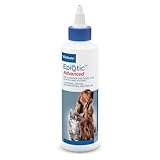
- Developed in Collaboration with Veterinary Dermatologists: Recommended for the routine cleansing of sensitive ears in dogs, cats, puppies, and kittens of any age.
- Ideal for Allergic & Active Pets: A powerful yet gentle ear cleaner for dogs and cats with allergies, frequent swimmers, and breeds with floppy ears that are prone to moisture buildup and microbial overgrowth.
- Soothing, Non Irritating Solution: Designed to be sting free with a neutral pH, this solution is well tolerated by sensitive skin and won't interfere with other ear treatments; Can be used 2–3 times per week.
- Cleans Ear Canal: Limits the bonding of microorganisms to the ear canal surface by removing debris and excess wax.
- Patented Anti-Odor Technology: Features a patented formula that doesn't just mask smells but eliminates them, leaving your pet’s ears smelling fresh and clean.
How to inspect your dog’s ears
- Choose a calm moment. Let your dog see and sniff your hands, then reward quiet cooperation. Do not restrain a painful dog for a lengthy inspection.
- Look before touching. Compare the ear flaps and the visible canal entrance for swelling, redness, moisture, odor or discharge.
- Watch your dog’s response. A sudden flinch, yelp, attempt to escape or guarding behavior suggests discomfort and is a reason to stop and call the veterinary practice.
- Record changes. Note which ear is affected, when signs began and whether swimming, bathing, a new food or seasonal itching preceded them. A dated photograph of visible discharge can help the veterinarian, but do not delay care to document it.
How to clean a dog’s ears safely
Clean at home only when your veterinarian has recommended the product and technique for your dog’s current ear condition. A cleaner that is tolerated in a healthy ear can sting an inflamed canal, and heavy debris or severe pain may require cleaning at the clinic.
- Gather the approved supplies. Use the veterinarian-recommended ear cleaner, cotton balls and a towel. Do not substitute an over-the-counter wax remover unless the veterinarian has approved that exact product.
- Position your dog comfortably. Small dogs can sit on your lap; larger dogs may stand with a helper. Keep the head in a neutral position and avoid force.
- Fill the canal as directed. Lift the ear flap and place the cleaner at the opening according to the veterinarian’s demonstration. Do not insert the bottle tip deeply or touch it to dirty tissue.
- Massage the base. Gently massage the thick base of the ear for the period your veterinarian showed you. A soft squelching sound can be normal as fluid moves through the canal.
- Allow settling time. Let your dog shake if comfortable. If medication follows cleaning, allow the cleaner to settle for the interval your veterinarian specified.
- Wipe away loosened material. Use a cotton ball to collect debris from the ear flap and the portion you can reach with a fingertip. Use a fresh cotton ball as needed.
- Stop for pain or distress. Do not continue if your dog cries, becomes increasingly agitated or develops bleeding. Contact the practice for an alternative plan.
- Apply prescribed medicine exactly as directed. Give the full course and place drops only as instructed; do not add a second product without checking first.
The MSD Veterinary Manual’s pet-owner guidance specifically cautions against cotton swabs and anything that pushes debris farther into the canal. It also warns that vinegar mixtures and other irritating home remedies can worsen swelling and secretions and increase infection risk.
What not to put in an ear
- Cotton swabs: They can abrade the canal or pack debris against the eardrum.
- Vinegar, alcohol, peroxide or essential-oil mixtures: Irritating solutions can intensify inflammation, especially when the canal is already raw.
- Unapproved wax removers: A product may be unsuitable if the eardrum is damaged or the ear is infected.
- Leftover medication: Drops selected for a previous episode may be wrong for the current organism or unsafe if the eardrum status has changed.
- Sharp tools or forceful hair pulling: Canal hair decisions depend on anatomy and disease; ask the veterinarian rather than removing it routinely.
When to contact a veterinarian
Arrange an appointment for head shaking, repeated scratching, odor, redness, swelling, discharge or apparent pain. Early assessment can prevent a swollen canal from becoming harder to examine and treat. Do not wait for discharge to become thick or for the dog to stop eating before seeking advice.
Rank #3

- Veterinarian Formulated to Gently Clean, Deodorize, Acidify and Dry Your Pets Ears
- Safe And Gentle Ear Cleanser with Aloe Vera for Daily Use. Won't Sting, Burn or Aggravate the Ear Canal
- Eliminates Build Up of Wax, Fluid, Dirt & Debris to Stop Itching, Scratching, Head Shaking and Irritation.
- Helps Relieve Ear Infections Caused by Growths, Buildup, and Itching.
- Made in the USA in Federally Regulated Manufacturing Facilities to Ensure Quality and Safety.
Signs needing prompt assessment
A head tilt, loss of balance, stumbling, poor coordination, abnormal eye movements or facial weakness can indicate middle- or inner-ear involvement. These movement or nerve changes warrant prompt veterinary care rather than home cleaning. Keep your dog away from stairs and slippery surfaces while you arrange transport.
Free tools Windows power users keep installed
One-click scans. No signup required.
Situations that should not be handled as a home-cleaning project
- The ear is intensely painful, markedly swollen or bleeding.
- A foreign object may be lodged in the canal.
- Your dog cannot tolerate even a gentle touch.
- Signs keep returning despite completing treatment.
- Only one ear is persistently affected or the problem has become chronic.
What the veterinarian may do
The veterinarian will take a history, examine the ear flap and canal and assess the eardrum when it can be viewed safely. An otoscope helps identify swelling, foreign material and deeper changes. A sample of discharge may be examined under a microscope to look for yeast, bacteria, parasites and inflammatory cells. Chronic or one-sided disease can justify additional tests to find an underlying cause.
This evaluation matters because treatment is not interchangeable. The MSD Veterinary Manual states: “Treatment requires finding and correcting underlying causes and relieving pain.” Medication may target infection, inflammation or parasites, while allergy management, foreign-body removal or care for middle-ear disease addresses the reason the episode began.
Rank #4

- Vet Strength Formula: Medicated otic cleaner with soothing aloe vera that helps calms and relieves irritated pet ears.
- Effectively treats itchy or smelly ears, swimmer’s ear, ear infections, and symptoms such as inflammation, redness, and irritation in both cats and dogs.
- Safe for Regular Use: Gently cleans and dries the ear canal, helping to reduce wax buildup and eliminate unpleasant ear odors. Helps soothe ear discomfort and minimize head shaking and ear scratching.
- Sting-Free & Gentle: Vet-approved solution for all dog and cat breeds, including puppies and kittens.
- Made in the USA: Manufactured in an FDA-registered facility. NDC Code: 86207-002-08.
Treatment, follow-up and realistic timelines
| Clinical situation | What may be involved | What the owner should expect |
|---|---|---|
| Simple, newly recognized external-ear inflammation | Examination, cleaning plan, pain or anti-inflammatory care and targeted medication when indicated. | Use every dose for the prescribed duration and report worsening or intolerance. |
| Yeast or bacterial infection | Medication selected from the examination and discharge findings, sometimes with in-clinic cleaning. | Veterinary rechecks are often needed; the pet-owner guidance notes that these infections commonly take about 2–4 weeks, not a guaranteed duration. |
| Chronic, recurrent or one-sided disease | Investigation of allergies, anatomy, foreign material or deeper infection; additional testing may be recommended. | Some long-standing cases take months or need ongoing management rather than one short course. |
| Possible middle- or inner-ear involvement | Prompt assessment, deeper examination and treatment directed at the affected structures. | Balance or nerve signs should not be monitored at home without veterinary advice. |
Continue medication until the veterinarian says to stop, even if odor and scratching improve. Stopping early can leave organisms or inflammation behind. Keep every recommended recheck: outward improvement does not prove that the canal and eardrum have returned to normal.
Preventing repeat episodes
Build a veterinarian-approved plan
For a dog with recurrent disease, ask which signs should trigger a call, which cleaner is appropriate, how often to use it and when to return. The plan may change with seasons, allergy control, swimming habits or the appearance of the canal.
Manage moisture
Prevent bath water from entering the canals. After bathing, dry the outer ear gently with a towel. If your dog swims frequently, ask whether a veterinary-approved drying agent is appropriate; do not improvise one at home.
Best Value

- Advanced Formulation Designed to Gently Clean, Deodorize and Dry Your Pets Ears
- Gentle and Safe for Regular Use which Helps Reduce the Risk of Ear Infections, Minimize Wax Build Up and Remove Debris in and Around the Ear
- 100 Convenient, Soothing and Non-Irritating Disposable Ear Wipes for Dogs. For Dogs Over 12 Weeks Old
- Reduces Foul Ear Odor and Helps Prevent Infection to Keep Your Dog Happy and Healthy without Medication
- Made in the USA in Federally Regulated Manufacturing Facilities to Ensure Quality and Safety
Avoid both neglect and overcleaning
Inspect often enough to notice change, but do not scrub or flush healthy ears without a reason. Overcleaning can irritate tissue and become a secondary factor in otitis externa. Hair removal inside the canal is not a routine owner task; recommendations depend on the dog’s anatomy and current disease.
Address the underlying condition
When allergies, parasites, foreign material or middle-ear disease drive inflammation, repeated surface cleaning will not solve the cycle. Follow the broader treatment plan and report any recurrence so the cause can be reassessed.
Quick Recap
A quick decision guide
- No change, no odor and no discomfort: Continue brief visual checks and routine moisture control; do not clean on a fixed schedule unless advised.
- New odor, redness, discharge, scratching or head shaking: Contact your veterinarian and pause unapproved products.
- Pain, heavy debris or a swollen canal: Ask whether the ear should be cleaned at the clinic instead of attempting it at home.
- Head tilt, balance loss, abnormal eye movements or facial weakness: Seek prompt veterinary assessment.
- Repeated episodes: Request an evaluation for allergies, parasites, anatomy, foreign material or deeper disease and obtain an individualized maintenance plan.
Product prices and availability are accurate as of the date/time indicated and are subject to change. Any price and availability information displayed on Amazon at the time of purchase will apply.
Recommended Free Tools





Leave a Reply