
The best flea treatment is the one labeled for your pet’s species, age, life stage, weight and health—and used as part of a household flea-control plan. Dogs and cats cannot safely share every product, and no source establishes one universally superior treatment for every animal. Oral medicines, collars, sprays, dips, shampoos, powders and spot-on liquids each solve different parts of the problem. Treat every household pet as directed, clean the places where flea stages develop, and ask a veterinarian before treating a very young, elderly, sick, pregnant, nursing or previously sensitive pet.
This guide explains how to compare products, use them safely, recognize adverse reactions and break the flea life cycle. Product labels change, so use the current label supplied with the exact product you buy.
As an Amazon Associate I earn from qualifying purchases.
What is the best flea treatment for dogs and cats?
There is no single best product for every dog-and-cat household. The right choice depends on five questions:
- Is it labeled for this species? A dog product is not automatically safe for cats, even when the names or active ingredients sound similar.
- Does the label allow this age, life stage and weight? Puppies and kittens may be too young or small for many products.
- Can this pet safely receive it? Illness, frailty, pregnancy, nursing, other medicines, a previous reaction or a seizure history can change the risk-benefit decision.
- What result do you need? Some products kill adult fleas already on the animal; others provide continuing prevention. Environmental stages still require separate control.
- Will the administration method work in your home? A tablet, collar and topical liquid have different handling requirements, intervals and opportunities for another pet to lick or groom the treated animal.
The U.S. Food and Drug Administration (FDA) and the Environmental Protection Agency (EPA) both tell owners to follow the exact label, use the product only on the listed species and never exceed the amount for the animal’s weight. A veterinarian can match a specific product to an individual pet.
#1 Best Overall
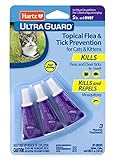
- Topical drop formula kills fleas and deer ticks
- Includes 3 monthly treatments in easy to apply, single dose tubes
- Repels mosquitoes for 18 days
- For use on cats and kittens 12 weeks and older weighing 5 pounds and over
Flea-treatment options compared
FDA lists several formats. Compare them by the job they perform and the safety instructions that apply, rather than by a generic ranking.
| Format | How it is used | Useful when | Important limits |
|---|---|---|---|
| Oral pills or chews | Given by mouth at the interval on the label | A pet is difficult to handle topically, or the household needs to avoid residue on fur | Eligibility, dosing and duration vary. A tablet for one species or weight range cannot be substituted for another. |
| Collars | Worn continuously as directed | You want a long-wear format and the pet will tolerate a collar | Fit and replacement interval are label-specific. Remove a collar if a reaction occurs and contact a veterinarian for further advice. |
| Spot-on liquids | Applied to specified skin locations, usually along the back | You need a measured topical dose and the label allows the pet’s age and weight | Keep treated animals apart until the application is dry. Never put a dog-only formulation on a cat. |
| Sprays | Applied to the animal only as the label directs | A label specifically permits spray use for the pet and situation | Avoid eyes, mouth and unapproved skin areas. Use one pet at a time and prevent grooming of a wet application. |
| Dips | The animal is treated with a prepared solution according to detailed directions | A veterinarian or label specifically recommends this method | Concentration, dilution, ventilation and rinsing instructions are critical; do not improvise. |
| Shampoos | Washed through the coat and rinsed as directed | Removing or killing some adult fleas during bathing is an immediate, short-term goal | Shampoo alone does not remove eggs and immature stages in the home, and repeat use must follow the label. |
| Powders | Applied to the coat or surroundings only where the label permits | A labeled powder fits the pet and household setting | Prevent inhalation or contact with eyes and follow all species and weight restrictions. |
| Flea comb | Comb the coat repeatedly and remove trapped fleas | Inspection, physical removal and puppies or kittens too young for a labeled chemical product | It is labor-intensive and does not protect the home from developing flea stages. |
Products can have different instructions even when they belong to the same format or contain a related active ingredient. Read the current package label every time, including minimum age, minimum weight, application site, dose, interval, bathing restrictions and warnings.
How to choose and apply a treatment safely
- Identify each animal separately. Record whether it is a dog or cat, its exact weight, age and life stage, and whether it is pregnant or nursing. Do not calculate a cat’s dose from a dog’s product or vice versa.
- Review health and medication history. Ask a veterinarian before treating a weak, old, ill, medicated, pregnant or nursing pet, a pet that has reacted to flea products, or one with a neurologic or seizure history. Bring the product package or a clear photograph of the label.
- Define the immediate objective. If you see adult fleas, you need a labeled treatment for the animal. If fleas are recurring, you also need continuing prevention and environmental control. A product that kills today’s adult fleas is not automatically a complete household prevention plan.
- Match the label exactly. Check the species, life stage, weight band, dose, route and repeat interval. Never apply more than the labeled amount or repeat it sooner unless the label expressly permits that schedule.
- Prepare a multi-pet home. Apply topical products to one animal at a time. Keep treated animals separated until the product is dry, especially when a cat could lick or contact a dog-only product. Wash your hands after handling flea products.
- Observe after treatment. Watch the animal closely for illness or unusual behavior, keep the packaging and lot information, and write down the date and product used. Do not combine products simply because fleas are still visible; ask a veterinarian first.
A current over-the-counter option: generic nitenpyram tablets
On June 10, 2026, the FDA announced approval of generic nitenpyram tablets for flea infestations in dogs, puppies, cats and kittens that are at least four weeks old and weigh at least two pounds. The tablets are over the counter, and dosing is weight-based; verify the current package label before giving a dose. The generic was described as bioequivalent to the reference product sold under the name Capstar.
Recommended Free Tools
Nitenpyram interferes with a flea’s nervous system. The FDA update says paralysis and death occur within a few hours, making this an option for an existing adult-flea infestation in an eligible animal. It should not be presented as a guarantee against later exposure: it does not by itself remove eggs and immature stages from carpets, bedding or furniture, and it is not a substitute for a veterinarian’s advice when suitability is uncertain.
| Question | What the 2026 FDA update establishes |
|---|---|
| Species | Dogs and cats, including puppies and kittens that meet the label requirements |
| Minimum age | Four weeks |
| Minimum weight | Two pounds |
| Availability | Over the counter |
| Dose | Based on body weight; use the current label |
| Role | Treatment of an existing flea infestation, not complete environmental prevention |
For animals below the labeled age or weight, FDA suggests a flea comb rather than using a product that is not approved for them.
Rank #2

- 🌿 Gentle Seasonal Support – Nature-Inspired Care for Pets: Concerned about seasonal discomfort? Our plant-based daily drops are designed to support your dog or cat’s comfort and coat condition. Made without harsh chemicals, this gentle oral formula fits into your pet’s daily routine with ease—because they deserve everyday calm and care.
- 🌿 Botanical Support – Plant-Based Nutrient Blend: Formulated with oregano, wormwood, black walnut, and pumpkin seed extracts, this daily supplement provides nature-inspired support for your pet’s comfort. With added vitamins, probiotics, and apple cider vinegar, it fits perfectly into your pet’s wellness routine—helping them look vibrant and feel balanced, day by day.
- 🧡 Easy to Use – No Mess, Just Moments: Say goodbye to greasy topicals and difficult tablets. Our bacon-flavored drops are a breeze to use—no harsh smells, no residue. Just a gentle, plant-based formula you can count on for everyday bonding. Keep care easy so you can enjoy more happy, cuddly moments together.
- 📏 Simple Dosing – Designed for Daily Use: Use the included dropper to follow these guidelines: Under 10 lbs: 0.5 mL, 10–35 lbs: 1.25 mL, 35–75 lbs: 2.5 mL. Administer 1–2 times daily with meals. Start slow and observe. This thoughtful routine supports comfort across all sizes.
- 💚 Everyday Companion Care – Gentle and Versatile: Made for dogs and cats of all breeds and sizes, this plant-based formula is gentle and easy to use every day. Crafted with pet-friendly ingredients and suitable for long-term use, it’s designed to help keep your pet comfortable, active, and at ease—every day of the year.
How to get rid of fleas on a dog or cat—and in the home
Fleas develop in two connected places: on the animal as adults and in the environment as eggs and immature stages. The Companion Animal Parasite Council (CAPC) flea guideline recommends a comprehensive program that treats every pet, addresses environmental infestation and prevents reinfestation.
1. Treat every household pet
List every dog, cat and other susceptible companion animal. Use a product labeled for each individual and follow each animal’s dose and interval. Treating only the pet with the most visible scratching leaves untreated hosts available for fleas.
What’s actually slowing this PC down?
Pick the symptom - the matching free tool is one click away.
2. Vacuum the places where immature fleas develop
Flea eggs fall from the host and immature stages develop in protected sites such as carpets, under furniture and bedding. Vacuum floors, carpets and furniture regularly and thoroughly, concentrating on areas where animals rest. Dispose of vacuum contents in a way that prevents surviving insects from returning indoors.
3. Wash animal bedding regularly
Clean blankets, beds and other washable items on a regular schedule. Follow the fabric-care instructions while using the warmest safe wash and dry settings available. Cleaning reduces the environmental burden but does not replace treating the animals.
4. Consider a premise spray only as an adjunct
CAPC describes premise sprays as a possible addition, not the foundation, of control. Treat all pets and clean the environment first. Use any household pesticide only according to its own label, keep it separate from products intended for direct application to an animal, and follow re-entry and ventilation instructions.
Rank #3
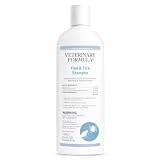
- MAXIMUM FLEA & TICK CONTROL – With up to 3x more active ingredients, this flea and tick shampoo is formulated with pyrethrum – a natural insecticide – to kill and control fleas and ticks on-contact, soothe irritated skin while cleansing & exfoliating
- WORKS FAST – Give your pet relief from symptoms including droppings/flea dirt in dog’s coat, allergic dermatitis, excessive scratching, licking or biting at skin, hair loss, tapeworms and pale gums. Follow directions on bottle for best results
- SOAP AND PARABEN FREE – This flea and tick shampoo for dogs and cats is paraben and soap-free. It contains no harsh soaps or damaging detergents, only the gentlest naturally derived cleansers specifically formulated for your pet’s skin
- FORMULATED FOR PETS – This pet shampoo is safe for dogs, cats, ferrets and horses 12 weeks & older. This pH balanced treatment is ideal for your dog’s skin as human shampoos are formulated at a lower pH level (more acidic)
- EFFECTIVE & AFFORDABLE – Veterinary Formula Clinical Care premium medicated products are created with veterinary-grade ingredients, available at an affordable price. We know dogs and cats are more than just pets because we are pet parents too
5. Expect delayed results in an established infestation
Seeing newly emerged fleas after a correctly used treatment does not automatically prove product failure. Cocoons and other immature stages can remain protected in the environment. CAPC reports that moderate to severe infestations may take several months to control; its 2017 guideline also notes that adult cat fleas can remain quiescent in cocoons for up to 30 weeks under specified cool, humid conditions. Female fleas can produce 40 to 50 eggs per day, a life-cycle figure reported in that same guideline. Continue only the products and intervals allowed by their labels, and ask a veterinarian before changing or combining treatments.
Quick wins for a faster PC:
Fix the driver behind crashes, sound loss and screen glitchesFind Drivers →Clear out junk files and repair common Windows errorsFree Scan →Special guidance for puppies, kittens and vulnerable pets
Young animals
Never assume that a product is safe merely because it is sold for pets. FDA advises not applying flea products to puppies or kittens unless the label specifically allows it. For an animal too young or small for a labeled product, use a fine-tooth flea comb, remove fleas manually and seek veterinary guidance. A young animal with heavy flea exposure can become seriously ill, so do not delay care if it is weak, pale, unusually sleepy or not eating.
Pregnant or nursing animals
Label directions may exclude pregnancy or nursing, or may require veterinary supervision. Ask before treating the mother or exposing nursing young to a product. Keep the package available so the veterinarian can assess the active ingredient and formulation.
Older, ill, underweight or medicated animals
These pets may metabolize or tolerate medicines differently. A veterinarian should review the proposed treatment, other drugs and the animal’s current condition before use.
Isoxazoline products and neurologic risk
Isoxazoline products are widely used flea and tick medicines. The FDA says they are considered safe and effective for dogs and cats while also warning that neurologic adverse reactions have been associated with the class in some animals, including muscle tremors, ataxia (loss of coordination) and seizures. Most dogs and cats have not experienced neurologic adverse reactions, but seizures can occur even without a previous seizure history.
PC Slower Than It Used to Be?
A free scan shows the junk files, broken settings and background clutter dragging Windows down - then fixes them in one click.Free scan · Windows 10 & 11Crashes, No Sound, or Screen Glitches?
Random freezes, missing sound and display glitches usually trace back to one bad driver. Find and replace yours safely.Free scan · under a minuteRank #4

- KILLS & REPELS. Using natural essential oils, this spray is proven to kill by contact, repel, and prevent 98-100% of fleas, ticks and mosquitoes in laboratory testing. It breaks the flea life cycle by eliminating eggs, larvae, and adults.
- TREAT NATURE WITH NATURE. When used as directed, a safe and effective alternative to collars, pills, chewables, and drops harnesses the power of nature. Holistic vet approved. Enjoy peace of mind knowing your pets and home are protected with our non-harsh formula.
- SAFE FOR DOGS, CATS OF ALL AGES WHEN USED AS DIRECTED. Gentle enough to use on puppies, kittens, and senior pets when used as directed. Powerful enough to fully eliminate pests on the skin and fur. Safe to use around the entire family, and kid-safe, when used as directed. Mom owned, Mom approved.
- 3-IN-1 PLANT POWERED SOLUTION. For dogs, cats, and home! A home remedy that kills fleas throughout the house on carpet, furniture, bedding, and flooring. Also a repellent in pet environments like dog kennels or cat condos. Calming Rosemary scent freshens homes.
- POWERFULLY EFFECTIVE. Powered by nature and proven to work. Give your pet the advantage in protection against fleas and ticks with our non-harsh formula. Cruelty free and USA Made with U.S. and global components. Read entire label prior to use. Do not soak pet. Test a small area on the back of the neck 1 hour prior to full body application.
The FDA’s advice is to discuss whether this class is appropriate with your veterinarian. Its fact sheet states: “The FDA considers products in the isoxazoline class to be safe and effective for dogs and cats but is providing this information so that pet owners and veterinarians can take this into consideration when choosing flea and tick products for their pets.” Read the complete FDA isoxazoline fact sheet and tell the veterinarian about any neurologic episode.
Independent reader supportYour contribution helps us test, update, and keep practical guides available for everyone.Signs of a reaction and what to do
After any flea product, monitor the animal for dizziness, wobbliness, poor coordination, poor appetite, depression, vomiting, diarrhea, excessive salivation or seizures. These signs are listed in FDA safety guidance and warrant prompt veterinary contact.
- Collar reaction: Remove the collar if the skin or the animal’s behavior suggests a reaction, then contact a veterinarian and follow the product’s instructions.
- Topical exposure or licking: Prevent further grooming, keep the package, and call a veterinarian or an animal-poison service for product-specific instructions. Do not induce vomiting or apply another chemical unless directed.
- Neurologic signs or collapse: Treat this as urgent veterinary care. Transport the animal safely and take the package or a photograph of the label.
- Any suspected adverse event: Ask the veterinarian how to report it. FDA explains the reporting process at How to Report Problems with Flea and Tick Products.
Why dog and cat products are not interchangeable
Species differences affect how animals absorb and process chemicals. A dog-only flea product can be dangerous to a cat, particularly if the cat contacts or grooms a freshly treated dog. Use separate products labeled for each species, age and weight. In a mixed household, keep animals apart until a topical application has dried completely and prevent them from sharing treated bedding during the restricted period on the label.
Flea dirt: a quick inspection aid
Not every itchy pet has fleas, and flea eggs or dirt may be difficult to see on a dark coat. Comb over a white surface and look for dark specks. CAPC describes placing suspected flea dirt on a wet towel: it dissolves and turns red because it contains digested blood. This is a useful clue, not a substitute for a veterinary examination when the skin is severely irritated or the diagnosis is uncertain.
Do these 3 things before closing this tab:
1Scan for outdated or missing drivers - takes under a minute2Clear out junk files and repair common Windows errors3Fix the driver behind crashes, sound loss and screen glitchesFDA and EPA oversight: why the label matters
FDA generally approves animal drugs and regulates oral or injectable flea products. EPA generally regulates topical products such as shampoos, collars, powders, sprays and spot-ons, although exceptions and case-by-case decisions exist. Because regulatory responsibility can vary by product, use the item’s own approved label and official information rather than inferring safety from its format alone.
Best Value
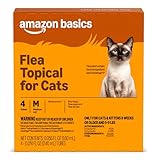
- SHIPMENT CONTAINS: One 4-dose pack of topical flea treatment for Medium Cats (5-9 pounds)
- FAST ACTING: Eliminates fleas in just 12 hours, providing your cat with swift relief from discomfort with our effective flea medication
- DUAL INGREDIENT FORMULA: Formulated with Imidacloprid and Pyriproxyfen to kill adult fleas and prevent flea infestations
- LONG LASTING PROTECTION: Protect your cat from infestations for up to 4 weeks with each application, killing reinfesting fleas within 2 hours and efficiently halting the flea lifecycle
- EASY APPLICATION: Designed for monthly use, apply directly to dry skin between the shoulder blades for best results
Troubleshooting common problems
“I still see fleas after treatment.”
Check that every pet was treated with the correct product, dose and interval. Vacuum and wash bedding, and remember that adults can continue emerging from protected environmental stages. Do not redose early or layer products without professional advice.
“Only one pet is scratching.”
The visibly itchy animal may simply be the most sensitive. Inspect and treat all household pets with their own labeled products, then address bedding, carpets and furniture.
“The product worked briefly, then fleas returned.”
Reinfestation can come from untreated animals, outdoor or indoor environmental stages, or an interval that was missed. Review the application date and label schedule, maintain cleaning, and ask a veterinarian whether a longer-term prevention strategy is appropriate.
“My puppy or kitten is too small for a product.”
Do not use a reduced dose of an adult product. Comb the coat, remove fleas manually and obtain veterinary advice, especially if the animal is weak, pale or heavily infested.
“Can I use two different flea products together?”
Only when a veterinarian or both labels specifically support the combination. Different active ingredients can overlap or increase toxicity; visible fleas are not a reason to improvise.
Quick Recap
Product prices and availability are accurate as of the date/time indicated and are subject to change. Any price and availability information displayed on Amazon at the time of purchase will apply.





Leave a Reply