
Recommended Free Tools
Yes, you can often reuse a freshwater aquarium as the physical tank for a saltwater setup, but conversion is a restart—not a water change. Rehome every freshwater animal, empty and clean the aquarium, inspect each component for damage or saltwater incompatibility, replace unsuitable gravel and decorations, mix new marine water, and cycle the system in saltwater before adding marine livestock. Decide first whether you want a fish-only marine aquarium or a reef, because the livestock you plan to keep determines lighting, filtration, monitoring and other equipment.
What actually changes when a freshwater aquarium becomes marine?
The glass or acrylic box may be reusable, but the biological system inside it is not automatically transferable. Freshwater plants, fish and invertebrates require fresh water, while marine fish and invertebrates require saltwater; Bulk Reef Supply summarizes the boundary plainly: “Saltwater fish and invertebrates require saltwater to survive. Freshwater plants, fish, and invertebrates require fresh water.” The existing freshwater bacteria colony, substrate and decorative materials should therefore be treated as part of the old setup, not proof that a new marine aquarium is ready.
As an Amazon Associate I earn from qualifying purchases.
Saltwater also exposes equipment to a more corrosive environment. A filter, heater or pump that worked in fresh water can sometimes be reused after careful cleaning and a condition check, but rust-prone metals, cracked housings, degraded seals and manufacturer restrictions matter. Marine conversion succeeds when you reuse only what is demonstrably suitable and replace anything uncertain.
Windows Errors? Fix Them Before They Spread
Repair common Windows errors and clear accumulated junk for a smoother, more stable PC - no reinstall needed.Free scan · no reinstallOutdated Drivers Are Slowing You Down
One free scan finds every outdated or missing driver and matches the right update for your exact hardware.Free scan · exact hardware matchChoose fish-only or reef before buying equipment
A fish-only marine aquarium (with or without live rock) and a reef aquarium have different demands. Fish-only systems center on safe marine water, biological filtration, oxygenation and stocking appropriate to the tank. Reef systems add corals and often other invertebrates, so lighting and additional equipment must support those animals. A freshwater light or filter may be adequate for a particular fish-only plan but unsuitable for a reef.
#1 Best Overall

- 𝗛𝗼𝗺𝗲 𝗔𝗾𝘂𝗮𝗿𝗶𝘂𝗺 𝗪𝗮𝘁𝗲𝗿 𝗧𝗲𝘀𝘁 𝗞𝗶𝘁 - Ensure the health of your fish with aquarium water testing kit & ammonia test strips for fish tank. This complete freshwater & saltwater tank test kit provides a reliable water tester for ammonia, pH, iron, chlorine, total hardness (GH), carbonate, nitrate, nitrite, total alkalinity, copper, and temperature, allowing you to have a complete understanding of your aquarium water quality. Trusted by fish enthusiasts, it adapts to your needs, making it an essential tool for aquarium care.
- 𝗔𝗰𝗰𝘂𝗿𝗮𝘁𝗲 & 𝗙𝗮𝘀𝘁 𝗧𝗲𝘀𝘁𝗶𝗻𝗴 𝗥𝗲𝘀𝘂𝗹𝘁𝘀 - Our aquarium water test strips deliver reliable results. Each fish tank water testing kit comes with easy-to-read color charts. This fish tank test strips are highly sensitive, detecting low levels of impurities and foreign substances in aquarium water. Our aquarium water quality tester helps prevent any invisible water problems.
- 𝗜𝗻𝘀𝘁𝗮𝗻𝘁 𝗛𝗼𝗺𝗲 𝗧𝗲𝘀𝘁𝗶𝗻𝗴—𝗡𝗼 𝗧𝗿𝗶𝗽𝘀 𝘁𝗼 𝘁𝗵𝗲 𝗦𝘁𝗼𝗿𝗲 - Testing 11 key parameters in your aquarium is easier than ever with just one kit. Just dip the strip in water and use the provided color chart for instant, reliable results. Say goodbye to frequent trips to pet stores because now you have our home water test kit with the ability to monitor your aquarium's water quality in the comfort of your own home.
- 𝗧𝗲𝘀𝘁 𝗦𝗺𝗮𝗿𝘁𝗲𝗿 𝘄𝗶𝘁𝗵 𝗘𝘅𝘁𝗲𝗻𝗱𝗲𝗱 𝗦𝗵𝗲𝗹𝗳 𝗟𝗶𝗳𝗲 𝗦𝘁𝗿𝗶𝗽𝘀 - Our aquarium test kit contains 150 test strips for aquarium fish tank: 50 strips in a bottle and 100 in a separate bags to maintain freshness. Once opened, it's recommended to use the strips within 3 months for maximum accuracy of the fish water testing kit. These water testing strips allow regular water quality checks without using all water test strips at once.
- 𝗩𝗲𝗿𝘀𝗮t𝗶𝗹𝗲 𝗪𝗮𝘁𝗲𝗿 𝗧𝗲𝘀𝘁𝗶𝗻𝗴 𝗞𝗶𝘁 𝗳𝗼𝗿 𝗔𝗹𝗹 𝗔𝗾𝘂𝗮𝘁𝗶𝗰 𝗡𝗲𝗲𝗱𝘀 - Our Aquarium water quality test kit is designed to cater to a wide range of aquariums including saltwater aquariums, freshwater fish tanks, betta fish tank, and fish ponds. Our hard water test kit can be used to test the water quality effectively, which ensures that you can maintain optimal water conditions in different aquarium setups.
| Decision | Fish-only marine | Reef |
|---|---|---|
| Primary livestock | Marine fish; some systems include live rock | Corals plus compatible fish and invertebrates |
| Lighting | Chosen for viewing and the needs of the fish or rock | Marine-appropriate lighting is commonly required; coral choice determines the specification |
| Filtration and flow | Must process waste and maintain oxygen for the planned fish load | Must also support coral and invertebrate needs; extra equipment may be necessary |
| Monitoring | Salinity and routine water-quality testing | Salinity plus the broader parameter monitoring required by the chosen reef livestock |
| Conversion risk | Often the simpler reuse path | Existing freshwater equipment may be a poor fit unless it can meet marine requirements |
Do not buy a large equipment package before deciding on livestock. Tank volume, fish size, coral type and the number of animals determine what is appropriate; there is no universal reef checklist that fits every aquarium.
Before dismantling the freshwater setup
Rehome every freshwater animal
Arrange a suitable home for fish, shrimp, snails, plants and other freshwater animals before you drain the tank. Never acclimate them to saltwater as a conversion step. A temporary, heated and filtered holding container is safer than leaving animals in a tank while you remove substrate and equipment.
Record what you already own
List the aquarium’s dimensions and volume, filter model, heater, circulation pump, lighting, lid, stand, tubing, thermometer and test instruments. Note the materials that contact water. This inventory makes it easier to identify a missing marine requirement and to check each item against its manufacturer’s saltwater guidance.
What’s actually slowing this PC down?
Pick the symptom - the matching free tool is one click away.
Investigate contamination history
If the aquarium has ever held medication, copper-based treatment, household chemicals or an unknown substance, do not assume ordinary rinsing removes the risk. Copper can be especially problematic for future invertebrates. When the history is uncertain, replacing porous materials and seeking advice from the equipment manufacturer or an experienced marine-aquarium professional is safer than guessing.
What can be reused?
Reuse is conditional. “It worked in fresh water” is not the same as “it is suitable for saltwater.” Clean every item that will return to the system, inspect it under good light and reject anything damaged or made with a material the manufacturer excludes.
Rank #2

- [DIGITAL AQUARIUM WATER TEST KIT – APP-ENABLED 10-IN-1 FRESHWATER & SALTWATER FISH TANK TEST KIT]: Test aquarium water with this all-in-one digital aquarium water test kit, fish tank test kit, and freshwater aquarium test kit. Measure ammonia, nitrate, nitrite, pH, GH, KH, chlorine, and more for freshwater aquariums, saltwater aquariums, reef tanks, shrimp tanks, and fish tanks. Scan each aquarium test strip with the DROPLYTIX app for fast digital results without comparing colors to printed charts.
- [FOR ALL AQUARIUM TYPES – FRESHWATER, SALTWATER, REEF, BETTA, SHRIMP, TURTLE & AXOLOTL]: This fish tank water testing kit works with freshwater fish tanks, saltwater aquariums, reef aquariums, planted aquariums, shrimp tanks, betta tanks, turtle aquariums, axolotl tanks, nano aquariums, and aquarium starter kits. Compatible with 5-gallon, 10-gallon, 20-gallon, and 30-gallon fish tanks. Ideal for aquarium maintenance kits, aquarium cleaning routines, and routine water testing.
- [FAST RESULTS – DIGITAL AQUARIUM TEST STRIPS WITH NO COLOR GUESSING]: Replace traditional ammonia test kits, pH drops, and manual color charts with digital aquarium test strips and fish tank test strips. Simply dip, scan, and receive detailed results for ammonia, nitrite, nitrate test strips, pH balance, GH, KH, chlorine, and aquarium water quality. Ideal for fish tank water quality testing, planted aquariums, aquarium cycling, and accurate aquarium water test results.
- [COMPLETE AQUARIUM WATER TESTING FOR HEALTHIER FISH & STABLE WATER]: Monitor the most important aquarium water parameters to help maintain balanced conditions for tropical fish, freshwater fish, saltwater fish, shrimp, snails, corals, and reef aquariums. This master aquarium test kit provides detailed monitoring of pH, ammonia, nitrate, nitrite, hardness, GH, KH, and chlorine for beginner and advanced aquarium hobbyists using digital aquarium testers and water quality test kits.
- [COMPLETE AQUARIUM TEST STRIP KIT – DIGITAL WATER TESTING AT HOME]: Everything needed to monitor aquarium water quality in one app-powered aquarium water test kit. Use as a betta fish test kit, freshwater test kit, freshwater aquarium test kit, reef aquarium water tester, fish tank test kit, or fish tank water testing kit. Ideal for aquarium cycling, water changes, routine aquarium maintenance, GH/KH test kits, saltwater master test kits, nitrate/nitrite test kits, aquarium test strips, and digital aquarium testers.
| Component | Possible reuse | Checks before reuse |
|---|---|---|
| Glass or acrylic aquarium | Usually reusable if structurally sound | Inspect seams, panels, bracing, scratches, crazing and leaks; confirm the stand supports it correctly |
| Hang-on or canister filter | Often reusable for a suitable fish-only plan | Clean all chambers and hoses; inspect impeller, seals and metal parts; verify the manufacturer permits marine use |
| Heater | May be reusable | Check the casing, cord, thermostat and suction cups; replace if cracked, unreliable or corroded |
| Powerhead or circulation pump | May be reusable | Inspect the impeller, shaft, magnets and fasteners for rust or swelling; confirm marine compatibility |
| Freshwater substrate | Usually replaced | Gravel may trap residues and is not automatically appropriate for marine chemistry |
| Rocks, driftwood and ornaments | Case-by-case | Porous pieces can retain chemicals; artificial décor must be confirmed safe by its manufacturer |
| Lighting | Depends on the end state | A fish-only aquarium has different lighting needs from a reef; reef lighting must be marine-appropriate |
Marine systems commonly use aragonite sand or crushed coral as substrate and marine rock made primarily of calcium carbonate. Those materials are typical choices, not mandatory prescriptions for every livestock plan. Select them for the animals and filtration approach you intend to use.
Step 1: Empty, inspect, clean and dry the aquarium
- Move livestock first. Transfer freshwater animals to their prepared temporary or permanent homes.
- Drain the tank completely. Remove old water, substrate, rocks, wood, plants and equipment. Keep freshwater items separate from anything already designated for marine use.
- Inspect the tank. Look for leaking seams, loose braces, chips, deep scratches, warped panels and stand damage. Do not convert a structurally questionable aquarium.
- Disassemble reusable equipment. Follow the manufacturer’s instructions for filters, pumps and heaters. Separate impellers, seals, tubing and media so hidden residue and corrosion are visible.
- Clean without creating a chemical hazard. Thoroughly remove old detritus and mineral deposits using a method compatible with the tank and equipment materials. The safe chemical, concentration and contact time depend on those materials; do not use a sterilant or household cleaner unless its safety for the specific component is established.
- Rinse and dry. Rinse repeatedly with appropriate water until no residue or odor remains, then allow the aquarium and reusable equipment to dry fully. Drying exposes remaining deposits and gives you a final chance to find corrosion.
Do not mix old freshwater media into the marine system to “save” the cycle. Media can carry contaminants and does not make the new saltwater system biologically mature.
Step 2: Replace unsuitable substrate and décor
Freshwater gravel, painted ornaments, driftwood and porous rocks are not automatically marine-safe. Gravel can retain medication or other residues; porous objects may release substances or alter water chemistry; wood and décor designed for fresh water may degrade or be unsuitable in a saltwater display. Keep an item only when its material, history and manufacturer guidance support marine use.
For many marine aquariums, aragonite-based sand or crushed coral provides a familiar calcium-carbonate substrate, while marine rock supplies structure and surfaces for biological filtration. Decide whether you will use dry marine rock, established live rock or another documented method before filling the tank. The choice affects how you manage the initial cycle, so follow the instructions for the material you select rather than assuming all rock behaves identically.
Step 3: Prepare purified water and marine saltwater
Use the right source water
Prepare saltwater with a marine salt mix and purified water according to the salt mix manufacturer’s directions. Bulk Reef Supply’s setup guidance recommends RO/DI water for mixing saltwater and for replacing evaporation. Purified source water reduces the chance that unknown minerals, nutrients or contaminants enter the new system.
Rank #3
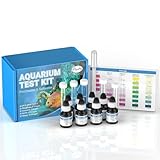
- 5-in-1 Master Test Kit: Monitor all 5 critical water parameters – pH, nitrite, nitrate, ammonia, and phosphate – in one comprehensive aquarium test kit. The rigorous analysis helps you maintain an ideal haven for your aquatic friends
- Freshwater & Saltwater Application: This aquarium water master test kit works perfectly for both freshwater and marine fish tanks. Precise color-matching charts are included – simply compare your water’s hue to the color swatches for instant results
- Enhanced Accuracy: Using professional liquid reagents, the aquarium water test kit delivers high accuracy that far exceeds traditional test strips. Get laboratory-quality results every time, safeguarding a stable and enjoyable fish tank environment
- Regular Testing: Complete with 265 measurements across all parameters – pH (100), nitrite (45), nitrate (50), ammonia (30), phosphate (40). This fish tank water testing kit supports months of consistent monitoring to keep your aquarium perfectly balanced
- Essential Fish Care: Your trusted solution to prevent fish loss from fatal ammonia, nitrite buildup, or pH imbalances! Proper water quality maintenance ensures your aquatic pets stay healthy and your plants thrive in optimal conditions
Mix outside the display tank
Use a clean container reserved for aquarium work. Add water and salt mix in the order and proportions specified by the product instructions, circulate it until dissolved, and measure salinity with a suitable refractometer or salinity meter. The instrument must be clean, calibrated and used as directed. A reading is meaningful only when the sample and instrument are at the conditions specified by the manufacturer.
The Tool Desk
Outbyte Driver Updater FREEScan for outdated or missing drivers - takes under a minuteDriver Scan →Outbyte PC Repair FREEClear out junk files and repair common Windows errorsFree Scan →Understand evaporation and top-off
When saltwater evaporates, the water leaves but the dissolved salt remains. Replace evaporation with purified fresh water, not saltwater, or salinity will gradually rise. Water removed during a water change is replaced with newly mixed saltwater prepared to the system’s target. Keep salinity stable rather than making abrupt corrections.
Step 4: Reassemble the marine system
- Place the aquarium on a sound stand. Confirm the stand is level, undamaged and rated for the filled aquarium’s weight.
- Add the chosen substrate. Rinse or prepare it only as directed by the substrate manufacturer, and avoid introducing dust or contaminants.
- Arrange marine rock and décor. Build a stable structure with open flow and no pressure against the glass. Leave room to clean the front and sides.
- Install cleaned equipment. Route cables with drip loops, check seals and place heaters and pumps where they receive adequate flow. Keep rust-prone parts out of the system.
- Install the correct lighting. Use lighting suitable for fish-only viewing or for the reef organisms you plan to keep.
- Fill with prepared saltwater. Add water slowly to avoid collapsing the substrate, then verify salinity after circulation begins.
Run the system without animals while you check for leaks, abnormal noise, overheating, poor circulation and salt spray. Salt creep around lids, plugs and metal fittings is a warning to improve placement and wipe external surfaces with fresh water.
Step 5: Cycle the aquarium in saltwater
The freshwater aquarium’s old “cycled” status does not clear the converted marine aquarium for stocking. Emptying and cleaning removes or disrupts the original biological community, and marine water must support bacteria that process ammonia and nitrite under the new conditions. Bulk Reef Supply and marine aquarium setup guidance both require cycling before fish or other livestock are added.
What to monitor
- Ammonia: rises when waste or an ammonia source is processed and must be reduced by the biological filter.
- Nitrite: appears as one group of bacteria processes ammonia and must also be processed before livestock is exposed.
- Nitrate: indicates the later stage of nitrogen processing and is managed through maintenance and water changes appropriate to the system.
- Salinity: must remain stable while the cycle proceeds.
- Temperature and other product-specific parameters: keep them within the ranges required by the salt mix and planned livestock.
How to know when it is ready
Use reliable marine test kits and follow the instructions for sampling, timing and interpretation. The system is ready only when your test results show the cycle has completed for the method you used and the water is stable. There is no universal number of days that guarantees readiness for every converted tank: biological media, temperature, inoculation method, rock type, cleaning history and the ammonia source all affect the process. Do not stock because a calendar date has passed.
Do these 3 things before closing this tab:
1Repair Windows errors before they cause bigger problems2Scan for outdated or missing drivers - takes under a minute3Clear out junk files and repair common Windows errorsRank #4
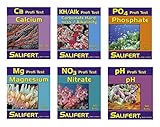
- Six Salifert Professional Test Kits
- Includes Calcium, Nitrate, Phosphate, pH, Alkalinity & Magnesium
- Includes all the Core parameters of any Saltwater Aquarium/Marine Reef Tank
Step 6: Add marine livestock gradually
Begin with a conservative stocking plan matched to the aquarium’s size, filtration and circulation. Add only animals that are compatible with one another and with the tank’s mature capacity. Acclimate new arrivals using a method appropriate to the species and store from which they came, then observe them closely after introduction.
Do not add a full fish list, corals and invertebrates at once. Each addition increases waste production and can expose weaknesses in filtration or stability. Reef animals may also require parameter control beyond the basic cycle, so establish a testing routine before introducing them.
Maintenance after conversion
- Test salinity and the water-quality parameters relevant to your livestock on a consistent schedule.
- Replace evaporation with purified fresh water; use prepared saltwater for water changes.
- Clean salt deposits from equipment and inspect cords, plugs, seals, impellers and fasteners for corrosion.
- Service filters and pumps according to their instructions without removing all biological media at once.
- Watch livestock behavior, appetite, breathing and appearance; unusual signs can indicate a water-quality or compatibility problem.
- Keep a log of salinity, test results, water changes, additions and equipment changes so gradual drift is visible.
Common conversion mistakes and how to correct them
“I added salt to the old freshwater tank.”
That approach leaves behind unsuitable livestock, substrate, décor and possible residues, and it does not create a properly cycled marine aquarium. Remove the animals, strip and clean the tank, rebuild it with marine-appropriate materials, mix new saltwater and cycle from the beginning.
“The old filter bacteria should make it instantly ready.”
Freshwater cycling is not a stocking certificate for a marine restart. Test ammonia and nitrite during a complete saltwater cycle and wait for stable results before adding animals.
“Any rock or gravel is safe because it is natural.”
Natural material can retain medication or release compounds that are unsuitable for marine livestock. Use marine-appropriate substrate and rock, and discard or isolate materials with uncertain history.
Best Value

- 5-in-1 Master Test Kit: Monitor all 5 critical water parameters – pH, nitrite, nitrate, ammonia, and phosphate – in one comprehensive aquarium test kit. The rigorous analysis helps you maintain an ideal haven for your aquatic friends
- Freshwater & Saltwater Application: This aquarium water master test kit works perfectly for both freshwater and marine fish tanks. Precise color-matching charts are included – simply compare your water’s hue to the color swatches for instant results
- Enhanced Accuracy: Using professional liquid reagents, the aquarium water test kit delivers high accuracy that far exceeds traditional test strips. Get laboratory-quality results every time, safeguarding a stable and enjoyable fish tank environment
- Regular Testing: Complete with 365 measurements across all parameters – pH (200), nitrite (45), nitrate (50), ammonia (30), phosphate (40). This fish tank water testing kit supports months of consistent monitoring to keep your aquarium perfectly balanced
- Essential Fish Care: Your trusted solution to prevent fish loss from fatal ammonia, nitrite buildup, or pH imbalances! Proper water quality maintenance ensures your aquatic pets stay healthy and your plants thrive in optimal conditions
“I top off with saltwater because the tank is saltwater.”
Evaporation removes water, not salt. Top off with purified fresh water and reserve prepared saltwater for water changes.
“My freshwater light will work for a reef.”
Reef organisms can require marine-appropriate lighting and additional equipment. Choose the lighting around the corals you intend to keep rather than assuming a freshwater fixture is adequate.
“A cycle always takes the same amount of time.”
Do not use a fixed timetable as a substitute for testing. Follow the results from your own system and the instructions for your cycling method.
Free tools Windows power users keep installed
One-click scans. No signup required.
A practical shopping checklist
Buy only after the end state and equipment audit are clear. The categories below address specific conversion needs; the correct model and capacity depend on your aquarium and livestock.
- Marine aquarium salt mix: required to prepare new saltwater.
- RO/DI water source or service: used for mixing and evaporation replacement when suitable for your location.
- Refractometer or salinity meter: measures salinity; choose an instrument you can calibrate and maintain.
- Marine water test kits: used to follow ammonia, nitrite, nitrate and other parameters relevant to your plan.
- Aragonite sand or another marine-appropriate substrate: selected for the livestock and maintenance approach.
- Marine rock and suitable circulation equipment: sized for stable structure, flow and biological filtration.
- Reef-appropriate lighting and additional equipment: considered only when your livestock plan requires them.
When conversion is a poor idea
Start with a different aquarium or postpone the project when the existing tank leaks, has damaged seams, cannot support the proposed equipment, or has a contamination history you cannot resolve. A small freshwater aquarium may also be an unsuitable base for the marine animals you want to keep. Converting the box is possible; forcing an incompatible tank, stand or equipment package into service is not economical or humane.
Quick Recap
The complete conversion sequence
- Choose fish-only marine or reef and list the animals you ultimately want.
- Rehome all freshwater livestock and prepare a temporary container if needed.
- Drain, strip, inspect, clean and dry the aquarium and equipment.
- Reject corroded, damaged, contaminated or manufacturer-excluded components.
- Replace unsuitable substrate and décor with marine-appropriate materials.
- Obtain marine salt mix, purified water, a salinity instrument and test kits.
- Mix saltwater, reassemble the system and verify leaks, temperature, circulation and salinity.
- Cycle the aquarium in saltwater while testing ammonia, nitrite, nitrate and salinity.
- Add compatible marine livestock gradually only after stable, appropriate test results.
- Maintain salinity with fresh-water top-offs, perform prepared-saltwater changes and inspect equipment for corrosion.
Product prices and availability are accurate as of the date/time indicated and are subject to change. Any price and availability information displayed on Amazon at the time of purchase will apply.





Leave a Reply