Butterflies do not all eat the same foods. Adult butterflies usually drink liquid foods such as flower nectar, while caterpillars eat leaves—and often only the leaves of particular host plants. If you want to help butterflies in a garden, the most effective approach is to provide nectar flowers, caterpillar host plants, shelter, and a safe source of minerals.
Overripe fruit can supplement a garden, but it should not replace flowers. Many butterflies will ignore a fruit feeder altogether, while others—especially some brush-footed butterflies—may visit it regularly.
As an Amazon Associate I earn from qualifying purchases.
What do adult butterflies eat?
Adult butterflies use a long, straw-like mouthpart called a proboscis to drink liquids. Their main food is usually flower nectar, which supplies the sugar they need for flight, mating, migration, and everyday activity.
1. Flower nectar
A garden with flowers blooming from spring through fall is the best general food source for adult butterflies. Useful nectar plants include:
#1 Best Overall

- Bring Butterflies Closer with All-In-One Attraction Bundle: Includes butterfly feeder and ready-mix butterfly nectar designed to create a vibrant butterfly garden while enhancing garden decor and outdoor decor in any backyard space for year-round enjoyment.
- Dual Feeding Design for Maximum Visits: 12 oz reservoir plus fruit trays in butterfly feeders for outdoors create a reliable butterfly feeding station, offering natural butterfly food and ideal for attracting butterflies and supporting a healthy butterfly garden.
- Scientifically Inspired Attraction & Protection: UV-reactive colors draw large butterflies to butterfly attractors for garden while smart design helps keep bees and ants away, creating a cleaner butterfly watering station for a more peaceful feeding experience.
- Versatile Nectar Use for Enhanced Attraction: Ready-mix butterfly nectar mimics natural food sources, supporting a thriving butterfly garden and improving performance of any butterfly feeder or butterfly watering station, ensuring consistent attraction in outdoor spaces.
- Over 30 Years of Bringing the Wild to Your Backyard: Birds Choice crafts every butterfly feeders for outdoors with durable polycarbonate, dishwasher-safe components, and a heartfelt mission - turning ordinary yards into living sanctuaries where nature truly feels at home.
- Asters
- Bee balm
- Black-eyed Susan
- Coneflowers
- Goldenrod
- Joe-Pye weed
- Milkweed
- Phlox
- Sedum
- Sunflowers
- Verbena
- Yarrow
Choose plants suited to your region, and use native species where possible. A local native-plant nursery, botanical garden, or county Extension office can suggest flowers that support local butterfly species.
Flower shape matters, too. Butterflies with short proboscises may struggle to reach nectar in deep, tubular flowers. Swallowtails and skippers can use some tubular blooms, but a garden with several flower shapes will serve more species. Broad, flat flower heads and clusters of small florets also provide useful landing surfaces.
Do not rely exclusively on double-flowered ornamental varieties. Their extra petals can make nectar difficult to reach, and some cultivars produce less accessible nectar than single-flowered forms. The University of Minnesota Extension and North Carolina State Extension provide further guidance on planning a butterfly garden.
Do these 3 things before closing this tab:
1Scan for outdated or missing drivers - takes under a minute2Repair Windows errors before they cause bigger problems3Fix the driver behind crashes, sound loss and screen glitches2. Overripe or rotting fruit
Some adult butterflies prefer the sweet juices of fermenting or rotting fruit. This is particularly true of mourning cloaks, admirals, anglewings, commas, and related brush-footed butterflies. They may feed on:
- Banana
- Orange
- Melon
- Pineapple
- Pear
- Plum
- Berries
Banana is often useful because it becomes soft enough for a butterfly to reach with its proboscis. Mash or slice very ripe fruit and place it on a shallow plate or in a purpose-built hanging feeder. Put it in a sunny, sheltered location close to nectar flowers.
A fruit feeder is only a supplement. Many species will never visit it because they primarily seek flower nectar, and fresh fruit is generally less attractive than fruit that has begun to soften and ferment. Remove spoiled leftovers regularly so the feeder does not become a nuisance or a source of unwanted pests.
3. Tree sap and aphid honeydew
Butterflies may also drink leaking tree sap or honeydew, the sweet liquid produced by aphids. This can explain why butterflies sometimes gather around damaged trees or plants with aphid colonies. You do not need to create an aphid infestation for them; simply avoid treating every aphid colony automatically if it is not harming the plant.
What’s actually slowing this PC down?
Pick the symptom - the matching free tool is one click away.
Rank #2
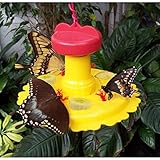
- Attract more butterflies to your yard and garden
4. Mud, damp soil, and minerals
Butterflies sometimes gather on wet soil, mud, dung, urine, or carrion. This behavior is called puddling. It is especially common among males of some species, which seek salts, minerals, and amino acids that flower nectar does not provide.
There is no need to add dung or carrion to a home garden. A cleaner alternative is a shallow dish or small depression filled with damp sand, soil, or small stones. Keep the area moist, but make sure butterflies have solid landing surfaces and cannot fall into deep water. The UC Agriculture and Natural Resources and University of Florida IFAS Extension offer practical guidance on puddling sites.
What do caterpillars eat?
Caterpillars do not drink flower nectar. Most eat plant leaves, and many can digest only one plant species or a narrow group of related plants. This is why a plant that attracts adult butterflies is not necessarily food for their young.
To support the complete life cycle, provide both:
- Nectar plants for adult butterflies.
- Host plants where females can lay eggs and caterpillars can feed.
| Butterfly or group | Important caterpillar food plants |
|---|---|
| Monarchs | Milkweed |
| Black swallowtails | Dill, parsley, fennel, carrot, and related plants |
| Spicebush swallowtails | Spicebush and sassafras |
| Painted ladies | Thistles |
| Red admirals | Nettles |
| Fritillaries | Violets |
| Mourning cloaks | Willow, birch, aspen, maple, and elm |
Expect some leaf damage when host plants are being used. Chewed leaves may be evidence that your garden is supporting caterpillars, not that the plant has failed. Removing every caterpillar or spraying every damaged leaf eliminates the next generation of butterflies.
Recommended Free Tools
How to feed butterflies in your garden
Step 1: Plant flowers that bloom at different times
Choose regionally appropriate nectar plants with early-season, summer, and late-season bloom periods. A succession of flowers is more useful than a garden that produces one large flush of color and then has nothing available.
Include a mixture of flower sizes and shapes. Clustered blooms and broad landing platforms are accessible to many butterflies, while some tubular flowers are better suited to long-proboscis species such as swallowtails.
Step 2: Add the right host plants
Decide which local butterflies you want to support, then research the host plants their caterpillars require. Milkweed supports monarch caterpillars, but it does not feed all butterfly larvae. Black swallowtails, for example, need plants in the carrot family such as dill and parsley.
Rank #3

- Lively and colorful: The Bee watering ball is made into a beautiful flower shape, with gorgeous colors and green stems and leaves to attract more bees and butterflies to stay and provide energy for pollination.
- Simple installation: The bee watering station only needs to install the flower and the rod diameter together, without the need for installation tools. After the installation is completed, insert the base into the garden soil to make a stable and beautiful bee bath for garden. In addition, the rod diameter can determine the installation height by itself to form a colorful garden decoration with different heights.
- How to use: Pour clean water into the bee drinking station for garden and make sure the water is not too deep, or you can put in clean and beautiful beads to prevent bees from drowning and facilitate landing. Insert the pollinator watering station in the garden area where bees often appear.
- Sturdy material: The butterfly feeder sponge is made of high-quality metal, painted with high-temperature paint, and is not afraid of wind, rain and sun. It is sturdy, and is a beautiful landscape of your outdoor garden.
- Wide application: The bee watering station for garden can provide water and food, such as sugar water for bees and butterflies. It can also be a floating bee bath and butterfly bath, yard garden decor for outside at the same time.
Keep host plants free from pesticide treatments whenever possible. If caterpillars are eating them, that is normally part of the purpose of planting them.
Step 3: Try a fruit feeder only if it suits your garden
Put mashed overripe fruit on a shallow plate or elevated feeder near flowers in a sunny, sheltered spot. Check it frequently and replace it as needed. Fruit feeders are most likely to help species that naturally seek rotting fruit; they will not necessarily attract nectar-feeding butterflies.
Step 4: Create a safe puddling site
Place damp sand, soil, or stones in a shallow dish. Keep the material moist without creating a deep pool. Butterflies need somewhere to stand above the waterline, since they can drown in even small containers if the sides are slippery.
Step 5: Avoid pesticides around butterfly food plants
Broad-spectrum insecticides can kill adult butterflies and caterpillars. Insecticidal oils, soaps, and Bacillus thuringiensis products can also harm caterpillars if they are sprayed directly on them or applied to leaves the caterpillars eat.
Identify the insect before treating a plant. If a few caterpillars are causing tolerable damage, leaving them alone is usually the most butterfly-friendly choice. Where treatment is unavoidable, follow the product label and keep it away from flowering plants and known host plants.
Common mistakes about butterfly food
“All butterflies love sugar water.”
There is no single artificial food that attracts every butterfly. Most adults are best supported with real nectar flowers. Some species may use overripe fruit, but sugar-water feeders are not a substitute for habitat.
“Butterflies eat fruit.”
Some adult butterflies regularly seek rotting fruit, but many rely mainly on flowers. A fruit feeder may attract a few species while being completely ignored by others.
Rank #4

- Quick-dissolving butterfly nectar concentrate helps attract butterflies to your yard or garden
- Formulated by a butterfly breeder with sugar, sodium salts, flavor attractants, and trace minerals
- 5 ounce package makes up to 104 ounces of butterfly nectar
- Use in butterfly feeders or dilute for butterfly-friendly feeding stations
- Made in the USA
“Milkweed feeds every caterpillar.”
Milkweed is the essential host plant for monarch caterpillars, not a universal caterpillar food. Different butterfly species have different host-plant requirements.
“Colorful flowers are enough.”
Flowers feed adults, but host plants are needed for eggs and caterpillars. A garden can attract adult visitors without supporting reproduction if it has no suitable host plants.
“Every caterpillar is a pest.”
Many caterpillars cause only modest, temporary damage, and their feeding is necessary for metamorphosis. Removing them may make a plant look tidier while removing the butterflies you hoped to attract.
FAQ
What is the best food for butterflies?
For most adult butterflies, flower nectar is the best food. Plant several nectar-producing species that bloom at different times, such as asters, bee balm, coneflowers, goldenrod, milkweed, phlox, sedum, sunflowers, verbena, and yarrow.
Can I feed butterflies bananas or other fruit?
Yes. Some species, particularly mourning cloaks, admirals, commas, anglewings, and related brush-footed butterflies, may eat very ripe or rotting banana, orange, melon, pineapple, pear, plum, or berries. Fruit is a supplement, not a replacement for nectar plants.
What do baby butterflies eat?
Butterfly larvae are caterpillars, and they eat leaves rather than nectar. Each species has particular host plants. Monarch caterpillars eat milkweed, black swallowtails eat plants such as dill and parsley, and fritillary caterpillars feed on violets.
How can I give butterflies water safely?
Provide a shallow dish or damp patch containing wet sand, soil, or small stones. Keep it moist and include surfaces above the waterline. Avoid deep, slippery containers because butterflies can drown.
Free tools Windows power users keep installed
One-click scans. No signup required.
The Bottom Line
Feed adult butterflies primarily by planting nectar-rich flowers, then add the host plants their caterpillars need. Overripe fruit can attract some fruit-feeding species, and a shallow damp mineral site can support puddling behavior. The most important rule is to avoid pesticides on the plants butterflies and caterpillars use.
Quick Recap
Product prices and availability are accurate as of the date/time indicated and are subject to change. Any price and availability information displayed on Amazon at the time of purchase will apply.




