Crashes, No Sound, or Screen Glitches?
Random freezes, missing sound and display glitches usually trace back to one bad driver. Find and replace yours safely.Free scan · under a minutePC Slower Than It Used to Be?
A free scan shows the junk files, broken settings and background clutter dragging Windows down - then fixes them in one click.Free scan · Windows 10 & 11To encourage deeper yellow or orange yolks, keep a complete ration appropriate for laying hens as the main diet and use pigment-bearing feed ingredients, such as yellow corn or marigold, only as suitable additions. Dietary pigments can change yolk shade, but no universal home dose or guaranteed color is supported by the evidence reviewed.
Yolk color is an appearance effect of diet, not a reliable sign that an egg is safer, healthier, or better tasting. Keep the hens’ nutrition balanced and do not judge egg safety by yolk color.
Why some chicken yolks are orange
Pigments from a hen’s diet are deposited in the yolk. USDA FSIS says yolk color varies depending on the hen’s diet and names marigold petals and yellow corn as examples of pigments associated with darker yellow yolks. The FDA Center for Veterinary Medicine explains that xanthophylls and associated carotenoids in feed are absorbed and deposited in the yolk.
Shade alone does not establish an egg’s safety, nutrition, or taste. It chiefly reflects pigments in the feed.
The Tool Desk
Outbyte Driver Updater FREEFix the driver behind crashes, sound loss and screen glitchesFind Drivers →Outbyte PC Repair FREERepair Windows errors before they cause bigger problemsFix Now →#1 Best Overall

- Nourish to Flourish - Our premium pellet feed for laying chickens and ducks is packed with cracked grains and whole food ingredients, free from soy, medications, and fillers. This natural feed supports healthy egg production and flock vitality.
- Pure Organic Nutrition - Give your flock a healthier choice with our premium feed, made from a formula that avoids common allergens and unnecessary additives, delivering clean, wholesome nutrition for your laying hens and ducks.
- Going Beyond Organic – Our feed goes the extra mile with USDA Organic and Non-GMO Project Verified certifications, ensuring your flock receives only the healthiest, top-quality nutrition, free from harmful additives and synthetic ingredients.
- Eco-Friendly Packaging – Comes in recyclable and compostable packaging, making it a simple, sustainable choice for your flock and the planet. Enjoy quality feed while reducing waste and supporting eco-friendly farming practices.
- Grown and Milled in North America - Our feed is proudly sourced and milled in the USA and Canada. Choosing our feed means investing in local businesses and sustainable agriculture.
Start with a complete layer feed
Make a complete ration suited to your hens’ age and production stage their nutritional foundation. Scratch grains, scraps, greens, and pigment sources are not complete diets. UGA Extension warns that adding scratch to a formulated ration can dilute its nutrient balance; Penn State Extension likewise recommends a complete ration suited to the birds.
- Keep complete layer feed as the main food.
- Offer supplemental ingredients without allowing them to displace the ration.
- Check that feed is intended for the birds’ age and production stage.
- Do not replace complete feed with corn, flowers, forage, or kitchen scraps.
A complete feed may already contain pigment-bearing ingredients. Check its ingredient list, but do not assume that a marketing claim alone tells you a product’s pigment concentration or suitability.
Feed ingredients that can influence yolk color
Yellow corn
USDA FSIS identifies yellow corn as a source associated with darker yellow yolks. Use it as part of a suitable formulated diet or as a modest supplement, not as the main diet: scratch grain is not nutritionally complete and can dilute a balanced ration.
Rank #2

- 100% USA GROWN, ORGANIC, NON-GMO GRAINS: 100% of grains are certified Organic, certified Non-GMO, corn-free, soy-free (soy & corn fillers can lead to vitamin & mineral deficiencies), non-medicated, grown on local, U.S.A. family farms & milled fresh
- ORGANIC EGGS TASTE & LOOK DIFFERENT: Deep golden yolks, strong eggshells & consistent egg production. High-quality organic chicken feed leads to increased egg quantity as well as larger & tastier organic eggs
- HEALTHIER & HAPPIER CHICKENS: Shiney plumage, bright colored combs, strong, confident chickens with high activity level. Quality organic chicken feed formulated with 16% protein, essential vitamins & minerals for optimal health, nutrition & egg production
- 3 CHICKEN FEED TYPES: Chickens are picky eaters, choose from 3 feed types; Whole Grain (natural textures, ideal as chickens are visual eaters), Pellet (reduces waste & provides uniformity), Mash (best for chicks & fermenting; may lead to messy eating)
- TWO POUND SAMPLE SIZE ORGANIC CHICKEN FEED: Choose from three organic chicken feed types (Whole Grain - Pellet - Mash) as each flock & chicken is unique to ensure their happiness. 2 LBS sample bags are perfect to find the best feed type for your flock
Corn gluten meal and leafy ingredients
NC State Extension lists corn gluten meal, alfalfa leaf meal, marigold meal or petals, and other green leaf meals among ingredients that can supply xanthophylls. Use recommended levels in a formulated feed; the reviewed sources do not establish a universal household amount of any one ingredient.
Marigold
Marigold petals or meal are recognized pigment sources. A 2021 laying-hen study found changes in carotenoid content and yolk-color scores among tested plant ingredients, including marigold. Those experimental treatments are not a household recipe or a guarantee of a particular shade.
If considering a separate product, choose material clearly identified for poultry or animal-feed use, follow its directions, and do not assume that ornamental flowers, human supplements, teas, or extracts are interchangeable with feed ingredients.
Rank #3

- Supports Gizzard Health & Digestion: This 40-pound bag of pellet feed is rich in natural fiber and beneficial nutrients to aid digestion, promote gut balance, and support healthy, strong eggshells.
- Muscle, Bone & Digestive Support: Contains 17.5% protein for plumage, muscle and bone development, 3.8% fat for energy, and 5% fiber for gut health and gizzard development.
- Feeding Organic Means Feed Safety: USDA organic certification requires no drugs, antibiotics or other contaminates, at any point. From the soil to you, and every step along the way, this is our USDA organic guarantee.
- Premium, Soy & Corn-Free Ingredients: Features paprika for egg yolk color and lutein content, oregano for immune support, and oyster shell for essential calcium and eggshell strength.
- Balanced Nutrition for Egg-Laying Hens: Fortified with methionine, natural lysine, essential vitamins, and minerals to promote strong eggshells and overall hen health.
Other pigments and color additives
Some dietary pigments and feed additives can influence yolk shade, but do not assume a product is appropriate or legally usable just because its source is natural. FDA notes that certain color additives require approval before they may be marketed or used in poultry diets. Follow product labeling and relevant rules; ask a poultry nutritionist or veterinarian about concentrated or unusual products.
Research results are not backyard dosing instructions
A 2021 study of laying hens compared plant ingredients, including marigold, with a commercial-pigment control. The study reported 66.95 μg/g total carotenoids for its 3% marigold treatment and 21.79 μg/g for its control; the authors also reported yolk-color fan scores of 11.47 and 13.47, respectively. These are results from that experiment, not directions to add 3% marigold to a home flock’s diet. Consult the study record at PubMed.
NC State Extension gives example feed concentrations of 13 mg xanthophyll per pound for yellow, 23 mg per pound for medium orange, and 34 mg per pound for orange yolk color. These examples are not instructions for adding a particular amount of a home ingredient. The same Extension resource reports maximum color about 10 days after hens are placed on feeds for yolk color; response can vary with the feed and flock. See NC State Extension’s guidance.
Rank #4
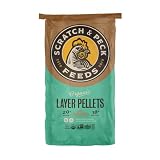
- Watch Your Birds Flourish: Our nutritionally complete whole food pellet feed with 18% protein promotes optimal health in laying chickens and ducks. Corn-free and Soy-free formulation
- Quality Counts: Premium ingredients result in premium nourishment of hybrid and heritage breeds
- Going Beyond Organic: Our USDA Organic and Non-GMO Project Certifications ensure your animals receive the healthiest quality feed available. No fillers or medications
- Trusted Nutrition: Whole grains and other trusted ingredients are formed into convenient pellets. Know that each whole food ingredient nourishes the animals you depend on
- Grown and Milled in North America: We are committed to supporting North American farmers who use holistic agriculture practices
A practical feeding plan
- Provide a complete ration suited to the hens’ age and production stage.
- Check the feed label for pigment-bearing ingredients and follow the product’s feeding directions.
- If you choose a separate pigment source, select a poultry-suitable, clearly labeled product and follow its directions.
- Change one thing at a time and compare several eggs under similar lighting; do not expect a guaranteed shade.
- Ask a poultry nutritionist or veterinarian before using a concentrated or unusual additive.
Safety points to remember
Do not feed unidentified or chemically treated flowers. Use only correctly identified, clean material intended for poultry or animal-feed use.
Do not treat a dark yolk as a safety test. USDA FSIS says yolk shade varies with diet. It identifies pink or iridescent egg white as a possible spoilage sign; yolk darkness does not establish that an egg is safe.
Do not make unsupported health or taste assumptions. The reviewed evidence supports pigment deposition and appearance changes, not a claim that a more orange yolk is reliably safer, tastier, or categorically more nutritious.
Free tools Windows power users keep installed
One-click scans. No signup required.
Best Value

- 100% USA GROWN, ORGANIC, NON-GMO GRAINS: 100% of grains are certified Organic, certified Non-GMO, corn-free, soy-free (soy & corn fillers can lead to vitamin & mineral deficiencies), non-medicated, grown on local, U.S.A. family farms & milled fresh
- ORGANIC EGGS TASTE & LOOK DIFFERENT: Deep golden yolks, strong eggshells & consistent egg production. High-quality organic chicken feed leads to increased egg quantity as well as larger & tastier organic eggs
- HEALTHIER & HAPPIER CHICKENS: Shiney plumage, bright colored combs, strong, confident chickens with high activity level. Quality organic chicken feed formulated with 16% protein, essential vitamins & minerals for optimal health, nutrition & egg production
- 3 CHICKEN FEED TYPES: Chickens are picky eaters, choose from 3 feed types; Whole Grain (natural textures, ideal as chickens are visual eaters), Pellet (reduces waste & provides uniformity), Mash (best for chicks & fermenting; may lead to messy eating)
- TWO POUND SAMPLE SIZE ORGANIC CHICKEN FEED: Choose from three organic chicken feed types (Whole Grain - Pellet - Mash) as each flock & chicken is unique to ensure their happiness. 2 LBS sample bags are perfect to find the best feed type for your flock
How to choose among pigment sources
| Option | Evidence or likely role | Key caution |
|---|---|---|
| Complete ration with pigment-bearing ingredients | Provides the nutritional foundation; diet pigments influence yolk shade | Choose a ration suited to the hens’ age and production stage |
| Yellow corn | USDA names it as a dietary pigment source associated with darker yellow yolks | Do not use it instead of complete feed |
| Corn gluten meal or leafy meals | NC State Extension lists these among xanthophyll-bearing feed ingredients | Use suitable formulated feed; do not improvise a dose |
| Marigold meal or petals | Recognized pigment source; tested in a laying-hen study | Study treatments are not universal home directions; use poultry-suitable material |
| Other pigment products or color additives | May influence color depending on the product | Check labeling and applicable approval requirements; “natural” does not establish suitability |
FAQ
Do orange yolks mean eggs are healthier?
No. Yolk color mainly reflects dietary pigments. It does not by itself show that an egg is safer, tastier, or more nutritious.
Can I feed chickens only corn to make orange yolks?
No. Corn is not a complete poultry diet. Keep a complete ration suited to the hens’ age and production stage as the foundation.
Will marigold petals reliably make yolks orange?
Marigold is a recognized pigment source, and a controlled study found changes in yolk carotenoid content and color. The result depends on the product and diet; the study does not provide a universal household dose or guarantee a particular shade.
How long does it take for feed to affect yolk color?
NC State Extension reports maximum color about 10 days after hens are placed on feeds for yolk color. Individual results can vary, so compare several eggs rather than relying on one.
Do these 3 things before closing this tab:
1Repair Windows errors before they cause bigger problems2Scan for outdated or missing drivers - takes under a minute3Clear out junk files and repair common Windows errorsAre garden marigolds safe for chickens?
Do not feed unidentified or chemically treated ornamental flowers. Choose correctly identified, clean material labeled for poultry or animal-feed use and follow its directions.
Quick Recap
Product prices and availability are accurate as of the date/time indicated and are subject to change. Any price and availability information displayed on Amazon at the time of purchase will apply.




