
Some links on this page are affiliate links: if you buy through them we may earn a commission, at no extra cost to you.
The fastest responsible route is a professional microchip scan plus a local found-animal report. First make sure you can approach and contain the kitten safely, check for a collar or tag, then take the kitten to an animal shelter, animal-control agency, rescue, or veterinary clinic for scanning. A chip number points staff to a registry; it does not reveal an owner’s contact details directly to you. While staff pursue the registry lead, report the kitten locally, search the neighborhood, and follow your jurisdiction’s notice and stray-hold rules before keeping or rehoming.
1. Make sure the kitten is safe to approach
Observe before you handle
Pause and watch from a distance. A kitten that is alert, moving normally, and not in immediate danger may be frightened rather than abandoned. Note the exact location, time, coat pattern, apparent age, and whether an adult cat is nearby. A mother cat may be temporarily away searching for food, so moving healthy, settled kittens can separate them unnecessarily.
As an Amazon Associate I earn from qualifying purchases.
What’s actually slowing this PC down?
Pick the symptom - the matching free tool is one click away.
Do not corner, chase, or grab a cat that is hissing, striking, repeatedly trying to escape, or showing signs of severe fear. Keep children and dogs away and give the kitten an exit route. If traffic, extreme weather, construction, predators, or another immediate hazard is involved, call animal control, a shelter, rescue, or a veterinarian for instructions rather than taking a personal risk.
Check visible identification
Once the kitten is calm enough to approach, look for a collar and identification tag. A phone number on a tag can reunite a kitten with its family in minutes, so try that route before waiting for a registry search. Do not remove a collar unless a professional tells you to; record the tag information and photograph it if possible.
Popular on Amazon

- 【Support Multipe Microchip Formats】Universal microchip scanner supports EMID / ISO11784 / ISO11785 / FDX-B(15 digit microchips). Please note, the microchip reader CAN NOT read Avid chips, and the 9-digit ID can not be recognized. Only the 15-digit international standard protocol can be recognized. Please check the format of the microchip before purchasing.
- 【Easy To Operate & Fast Scan】Our pet microchip scanner is easy to operate, one button to read. Our microchip scanner adopt advanced RFID technology, responsive and fast scanning, it can better improve the efficiency of work. Please note, if no label is scanned, the device will automatically turn off after 180 seconds, or you can press and hold the button for 3 seconds to turn off the device.
- 【 Large Data Storage】Our pet microchip scanner can save 128 animal chips. It can be transferred to a computer or mobile phone via a USB cable connection. Our pet chip scanner also features a data-erase function, refer to the user manual for instructions.
- 【Rechargeable Battery】Our pet chip scanner supports USB charging, eliminating the need for frequent battery replacements, it can last for more than one year after being fully charged.
- 【Easy To Carry】Our scanners are lightweight and compact, making them easy to carry and ideal for both indoor and outdoor use. The package includes one scanner, a USB cable, and a user manual.
If the kitten has no visible identification, that does not establish that it is ownerless. Lost kittens can travel, slip out of collars, or have a chip without any external tag.
Contain only when you can do so safely
Use a secure carrier or a ventilated box that cannot collapse or open during transport. Keep the kitten separate from your pets until a professional has assessed it. Wash your hands after handling, and avoid sharing food bowls, bedding, or litter with resident animals. If you cannot safely contain the kitten, tell the shelter or animal-control dispatcher exactly where it is and what it is doing.
2. Get a professional microchip scan
Where to go
Normal scanning locations are municipal animal shelters, animal-control agencies, animal rescues, and veterinary clinics. ASPCA guidance specifically directs finders to shelters, rescues, or a veterinary clinic for a scan. Minneapolis Animal Care and Control says its staff check tags, scan for a chip, and work to reunite an animal with its owner; if you cannot find tags or are not comfortable looking, it advises bringing the animal to the shelter.
Call before travelling if possible. Ask whether the location scans found animals, whether walk-ins are accepted, and whether there is an after-hours procedure. Many shelters and clinics provide scans at no charge, but policies differ, so verify the cost and hours locally.
Choose the most practical option
| Option | Safety and handling | Speed | Cost and access | Best use |
|---|---|---|---|---|
| Municipal shelter or animal control | Trained staff can contain the kitten and take an official found report. | Often same day during public hours; confirm first. | Frequently free; hours, intake rules, and transport distance vary. | Best all-purpose choice when you need scanning, reporting, and legal guidance together. |
| Veterinary clinic | Appropriate when the kitten may need an examination or treatment. | Can be rapid if a clinic has an opening. | Some clinics scan for free; medical care is billed according to the clinic’s policy. | Use when illness or injury is possible, or a shelter is closed. |
| Rescue organization | Volunteers may help with a frightened kitten, but availability varies. | Depends on volunteer response and appointment times. | Policies and geographic coverage differ. | Useful when local shelter access is limited or the kitten needs foster coordination. |
Safety, same-day availability, distance, cost, and compliance with local rules should determine your choice. Do not delay emergency care while comparing options.
Also popular on Amazon
- UNIVERSAL MICROCHIP COMPATIBILITY: Reads all ISO microchips plus 9-, 10-, and 15-digit chips from any brand. Ideal for scanning horses, livestock, pets, and other animals in clinics, shelters, barns, or field settings.
- BLUETOOTH CONNECTIVITY FOR FAST, ACCURATE DATA TRANSFER: Easily sends scanned chip numbers to Bluetooth-enabled devices within a 25-foot range for quick syncing to computers, tablets, or shelter management software. Reduces manual data entry errors and speeds up check-in and intake processes—perfect for busy clinics or multi-pet facilities.
- BACKLIT LCD SCREEN WITH 15-MINUTE DISPLAY HOLD: Features a bright blue backlit LCD screen with bold white text displaying the full chip number on one line for easy reading—day or night. The 15-minute display hold gives ample time to record the scan without rushing, ideal for high-volume or field settings.
- RECHARGEABLE BATTERY WITH AUTO POWER-SAVE MODE: Includes a rechargeable 9V battery and charging unit for long-lasting performance. The auto shut-off function conserves power between uses—great for mobile vets, rescue teams, or animal control officers who need dependable scanning during long sessions.
- LIGHTWEIGHT, DURABLE DESIGN WITH PROTECTIVE CASE: This 7-inch handheld microchip scanner is compact, ergonomic, and easy to carry. Includes a protective carrying case to guard the reader during storage and transport. Built for dependable use in clinics, shelters, barns, or field settings.
What to bring and what to request
- The kitten in a secure carrier or box, if safe to transport.
- The exact found location, date, and time.
- Clear photos, including distinctive markings.
- Any collar, tag, or other identification details.
- Your contact information for the found-animal report.
Ask staff to scan the entire body rather than assuming a single pass will find every chip. If a number is detected, ask them to read it back while you write it down or photograph the display. Copy every digit carefully; one transcription error can send the search to the wrong registry.
Do these 3 things before closing this tab:
1Clear out junk files and repair common Windows errors2Fix the driver behind crashes, sound loss and screen glitches3Repair Windows errors before they cause bigger problems3. Use the chip number to reach the registry
Start with the AAHA Universal Pet Microchip Lookup
A microchip number is an identifier, not an owner profile. Use the American Animal Hospital Association’s Universal Pet Microchip Lookup to determine which registry or registries are associated with that number. Shelter staff, veterinary teams, and rescue personnel commonly perform this step as part of their protocol.
The lookup may return a registry name and instructions rather than a person’s telephone number. Contact the listed registry and explain that you found a kitten. The registry will decide what information it can disclose and how it contacts the person on file. Ask shelter or animal-control staff to make the call or document the attempt if you are unsure how to proceed.
Protect private information
Do not post the complete chip number, an owner’s name, address, telephone number, or email publicly. Give those details only to the shelter, clinic, animal-control agency, or registry handling the reunification. In a public notice, use a description and ask a claimant to provide identifying details that you have not published.
If the chip is unregistered or the lead is stale
A scan can produce a number without producing a usable owner contact. The registry record may never have been activated, may contain outdated information, or may point to a previous keeper. An unregistered result does not prove abandonment.
The Tool Desk
Outbyte PC Repair FREERepair Windows errors before they cause bigger problemsFix Now →Outbyte Driver Updater FREEFix the driver behind crashes, sound loss and screen glitchesFind Drivers →Also popular on Amazon

- Stores lost pets chip numbers
- Alerts the user that a pet is missing
- Rechargeable by plugging into a pc
- Reads most microchips in pets, dogs, cats
Take the number and scan details back to the shelter or animal-control agency. Austin Animal Center advises contacting the shelter when a chip is unregistered or yields no usable lead so staff can investigate their own records. Ask whether the number appears in local intake, adoption, or transfer records and whether another registry should be checked. Keep a written log of the date, organization contacted, person spoken to, and next action.
4. Report the kitten as found in your area
File an official found-animal report
Contact the municipal shelter or animal-control agency serving the place where you found the kitten, even if a private clinic performed the scan. Give the found location, date, physical description, photographs, chip result, and your temporary-care contact details. An official report creates a record for an owner who calls later and helps staff apply the local stray-hold and notice rules.
Ask whether you should bring the kitten into the shelter, keep it temporarily while searching, or follow a specific intake appointment. The correct procedure varies by jurisdiction and by whether the kitten is healthy, injured, or too young to be without specialized care.
Post to established lost-pet databases
Use the lost-and-found services recommended by your local agency. Minneapolis Animal Care and Control and Delaware’s Office of Animal Welfare both recommend Petco Love Lost for found-pet reports. Add a clear photograph, the neighborhood or cross streets, the date found, and a way for the agency or a screened claimant to reach you. Check matching lost reports more than once; owners may post after discovering the kitten is missing.
Free tools Windows power users keep installed
One-click scans. No signup required.
Search the immediate neighborhood
Ask nearby residents, delivery workers, building managers, and local businesses whether they recognize the kitten. Post a simple notice on neighborhood boards and relevant social channels. ASPCA recommends signs that include a photo and key details. Place signs where people walk and drive near the found location, and remove them when the search ends.
Also popular on Amazon

- Universal Compatibility & Fast Reading: Treamvp rechargeable micro chip reader works at 134.2KHz/125KHz, supports EMID, FDX-B (ISO 11784/11785) microchips; reads in <100ms with 0.5s interval, stable for glass tags and animal ear tags
- OLED Display & Clear Indication: The Pet Microchip Scanner Built-in 0.91-inch high-brightness OLED screen and buzzer; clearly shows data content and status even in strong outdoor/indoor light
- 128 Record Storage & Rechargeable: Save up to 128 tag information; easy data transfer to computer via USB cable for pet/livestock management and traceability. 800mAh rechargeable battery,charging and data uploading, a universal cable
- Portable & Durable Design: Compact size 6.89 x 3.46 x 1.38 inches, lightweight 0.24 lbs/3.99 oz; Easy to carry and ergonomic handle design for comfortable long-time holding and easy to carry; durable for various environments (indoor/outdoor, farms, vet clinics)
- Wide Temperature Range & Stable Performance: Operates from -10°C to 50°C, stores from -30°C to 70°C; reliable for farms, vet clinics, home and outdoor use
Use wording such as “Found kitten near [cross street], [date]” and describe coat color, sex if known, approximate age, and distinctive markings. Do not publish the full chip number or every identifying detail. Ask anyone claiming the kitten to describe those details and provide ownership evidence, such as veterinary records or photographs, through the shelter or animal-control agency.
5. Follow local notice and stray-hold rules
Why the timeline cannot be assumed
There is no single nationwide waiting period that lets a finder keep a kitten. Notice requirements, stray-hold lengths, who may provide notice, and what happens afterward are set by state and local law. The relevant jurisdiction is generally where the kitten was found, not where you live or where you plan to take it.
Ask the local shelter or animal-control agency for the exact steps and dates that apply. Follow its instructions even if a registry search is underway or you believe the kitten was intentionally abandoned. Do not give the kitten away, transfer it to another person, or advertise it as yours until the required process is complete.
Keep a reunification record
- Date, time, and precise location of the find.
- Photos of the kitten and any collar or tag.
- Every scan, including the organization, date, and chip number.
- Registry lookups, calls, emails, and any attempted owner contact.
- Found-pet report numbers and copies of public notices.
- Instructions and deadlines supplied by animal control or the shelter.
Virginia law illustrates why professional documentation matters: its current requirements can obligate shelters and veterinarians to scan and document owner-contact efforts. That example does not establish the rule in another state; obtain the controlling instructions from the agency serving your location.
6. Get immediate help for illness, injury, danger, or unsafe behavior
Medical emergencies
Contact a veterinarian, local shelter, rescue, or animal-control service promptly if the kitten is injured, very weak, struggling to breathe, bleeding, unable to stand, dangerously cold or overheated, or in immediate danger. Delaware’s Office of Animal Welfare gives the same direction for a cat that appears sick, injured, or endangered.
Also popular on Amazon

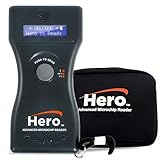
- COMPACT, POCKET-SIZE READER: Lightweight and palm-sized, PocketHero fits easily in your hand or pocket, so you can carry it anywhere for quick, on-the-go scanning in clinics, shelters, grooming shops, rescues, or events.
- READS ISO 15-DIGIT MICROCHIPS FROM ANY BRAND OR COUNTRY – Engineered for broad compatibility, this reader supports all ISO-compliant 15-digit pet microchips regardless of brand or region, helping you confirm animal identity quickly and accurately.
- BRIGHT DISPLAY SHOWS FULL CHIP NUMBER ON ONE LINE: Features a clear, user-friendly viewing window that displays the entire chip number on a single line and is easy to read any time of day, helping reduce errors and speed up scanning during intake, recovery, or checkups.
- USB RECHARGEABLE FOR EASY POWER MANAGEMENT – Includes a USB charging cable, allowing you to recharge the internal battery from any standard USB port without replacing batteries. Always be ready to scan when needed.
- COMPACT, POCKET-SIZE READER + READY-TO-GO KIT: Lightweight and palm-sized, PocketHero fits easily in your hand or pocket for quick scanning anywhere, clinics, shelters, grooming shops, rescues, or events. Each reader also comes with a test chip fob to confirm it’s working properly and a protective microfiber carrying pouch to keep the scanner safe during storage and travel.
Tell the professional the kitten’s location, symptoms, approximate age, and whether it has been exposed to traffic, toxins, or another animal. A clinic can scan while assessing urgent medical needs. Do not postpone treatment to complete online posts or database searches.
Unsafe or aggressive behavior
A cat that cannot be approached safely should be handled by trained personnel. Keep people and pets away, do not attempt to force it into a carrier, and report its location and behavior to animal control or a shelter. If the kitten is trapped in a dangerous place, describe the hazard so responders can bring appropriate equipment.
7. What to do while the owner search is active
Provide temporary, separate care
If the agency authorizes you to hold the kitten temporarily, keep it in a quiet, secure room away from resident animals. Supply water and an appropriate food recommended by a veterinary professional; very young kittens may need specialized feeding and should not be managed by guesswork. Keep the carrier, doors, and windows secure and check the kitten regularly.
Tell the shelter or rescue immediately if the kitten stops eating, develops diarrhea, vomits, becomes lethargic, or shows breathing problems. Record care and expenses if the agency asks for them, but do not assume that paying for supplies changes legal ownership.
Coordinate every handoff
If you cannot continue temporary care, arrange a transfer through the shelter, animal-control agency, or a reputable rescue. Give the new caregiver the found report number, chip number, scan date, medical information, and owner-search log. Do not quietly move the kitten to another county or state; relocation can complicate notice requirements and owner contact.
8. If no owner is found after the required process
When the registry, local records, neighborhood search, and official notices produce no owner, ask the shelter or animal-control agency what disposition is lawful. Depending on the jurisdiction, the agency may release the kitten to you, place it with a rescue, or require an adoption process. Obtain that decision in writing and keep the found report and chip information with the kitten’s records.
Outdated Drivers Are Slowing You Down
One free scan finds every outdated or missing driver and matches the right update for your exact hardware.Free scan · exact hardware matchWindows Errors? Fix Them Before They Spread
Repair common Windows errors and clear accumulated junk for a smoother, more stable PC - no reinstall needed.Free scan · no reinstallIf you become the lawful keeper, ask a veterinarian to scan again and record the number in the medical file. Register or update the chip with your current contact information through the registry identified by the lookup, and add a collar tag. A chip is only useful for reunification when the registry record remains current.
9. Quick decision guide
| What you see | What to do now | What not to do |
|---|---|---|
| Healthy, approachable kitten with a tag | Read the tag, contact the listed person, and notify the local shelter or animal control. | Do not assume the tag is outdated without trying the number. |
| Healthy kitten with no tag | Arrange a professional scan, record the number, file a found report, and post a local notice. | Do not publish the full chip number. |
| Chip number but no registry contact | Use the AAHA lookup and ask shelter staff to check local records and stale leads. | Do not treat “unregistered” as proof that nobody owns the kitten. |
| Sick, injured, or in immediate danger | Call a veterinarian, shelter, rescue, or animal-control service immediately. | Do not delay emergency care for a complete online search. |
| Unapproachable or aggressive kitten | Keep others away and request trained assistance. | Do not chase, corner, or force it into a carrier. |
10. A printable found-kitten checklist
- Observe from a safe distance and note the exact location.
- Check for a collar or tag only if the kitten can be approached safely.
- Use a secure carrier or request professional capture assistance.
- Arrange a scan at a shelter, animal-control agency, rescue, or veterinary clinic.
- Copy the chip number exactly and ask which registry is associated with it.
- Use the AAHA Universal Pet Microchip Lookup and let staff handle confidential owner contact.
- File the local found-animal report and obtain its reference number.
- Post a photo and found location on approved lost-pet databases and neighborhood channels.
- Keep the full chip number and private owner information out of public posts.
- Record every call, notice, scan, and instruction.
- Follow the found jurisdiction’s notice and stray-hold rules before keeping or rehoming.
- Escalate illness, injury, immediate danger, or unsafe behavior without delay.
A visible tag may solve the case fastest, but a professional scan and an official local report give the kitten the strongest chance of a lawful, documented reunion. If the chip is unregistered or the owner cannot be reached, shelter and animal-control staff can investigate local records and tell you what happens next.





Leave a Reply