
Recommended Free Tools
The safest “air freshener” for a cat-litter room is source control: scoop solid waste at least once a day, wash the box regularly with mild detergent, and do not put deodorants, perfume or essential oils on or around the box. If the room still smells after that routine, an air purifier can be a useful supplement. Scented sprays, plug-ins and diffusers can irritate a cat’s airways, and active oil diffusers can add skin and ingestion exposure.
This approach keeps the room more inviting without teaching a cat to avoid its toilet. It also gives you a way to distinguish a cleaning problem from an air-quality problem and to respond quickly if fragrance exposure causes symptoms.
As an Amazon Associate I earn from qualifying purchases.
What is the best air freshener for a cat litter room?
Use a three-part order of operations:
- Remove the source. Scoop solid waste at least once every day and wash the litter box regularly with mild detergent.
- Improve the room air if needed. An air purifier may help clean indoor air and neutralize unwanted pet odors, but it does not replace litter-box care.
- Avoid routine fragrance around the cat. Do not assume that a product labeled “natural,” “pet-safe” or “cat-friendly” is harmless. Strong odors, perfumes and essential oils can irritate feline airways; concentrated oils also create contact and ingestion hazards.
The American Society for the Prevention of Cruelty to Animals (ASPCA) warns that cats may avoid a box that is messy or smelly. Masking the smell while leaving waste in the box therefore solves the wrong problem. Cleaning is the first intervention; filtration is optional support.
Windows Errors? Fix Them Before They Spread
Repair common Windows errors and clear accumulated junk for a smoother, more stable PC - no reinstall needed.Free scan · no reinstallOutdated Drivers Are Slowing You Down
One free scan finds every outdated or missing driver and matches the right update for your exact hardware.Free scan · exact hardware match“Keep in mind that cats won’t use a messy, smelly litter box, so scoop solid wastes out at least once a day.” — ASPCA, General Cat Care
#1 Best Overall
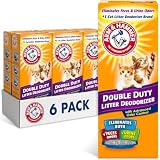 ARM & HAMMER Cat Litter Deodorizer Double Duty, 30 oz, 6 Pack
- #1 CAT LITTER DEODORIZER BRAND*: Formulated with ARM & HAMMER Baking Soda Crystals to eliminate tough odors on contact and keep your litter box fresh longer (*Based on units sold).
- EXTRA STRENGTH ODOR ELIMINATION: This kitty litter deodorizer destroys feces and urine odors on contact, leaving your litter box fresher with each sprinkle of this cat litter box deodorizer.
- PROVEN ODOR CONTROL FOR 9 DAYS: Enjoy a prolonged fresh, new-litter scent for up to 9 days with this cat litter odor eliminator. In fact, internal lab tests show lower odor levels with this product compared to using litter alone.
- SAFE FOR DAILY USE AROUND CATS AND OWNERS: This cat litter deodorizer is made with ARM & HAMMER Baking Soda Crystals, safe for daily use when used as directed. Simply sprinkle in this cat litter deodorizer into your litter box.
- COMPATIBLE WITH ANY TYPE OF CAT LITTER: Whether using scented, unscented, clay, scoopable, or natural litter, use this ARM & HAMMER absorbent litter deodorizer daily to deodorize your cat litter box
Compare the main odor-control approaches
| Approach | Removes the odor source? | Potential feline exposure | Best place in a routine | Important limitation |
|---|---|---|---|---|
| Daily scooping and regular washing | Yes; waste and residue are removed | No added fragrance when mild detergent is used as directed | Every day for scooping; regular full cleaning | Requires consistent work and correct litter-box maintenance |
| Air purifier | Can help clean indoor air and neutralize unwanted pet odors | No fragrance exposure from the device itself, unless a scented additive is used | Supplement after the box is clean | No reviewed source establishes a winning filter type, brand, room-size rating or odor-removal percentage |
| Scented spray or plug-in | No; it mainly masks odor | Inhaled fragrance and possible airway irritation | Not a default solution for a cat-litter room | Can conceal a dirty box and may bother cats with asthma or sensitive airways |
| Passive essential-oil diffuser | No; it disperses scent | Respiratory irritation is the principal concern described for passive diffusion | Avoid unless a veterinarian has given specific advice | “Passive” does not mean risk-free |
| Active nebulizing or ultrasonic oil diffuser | No; it disperses scent | Emits oil microdroplets that can settle on fur and be swallowed during grooming, in addition to inhalation | Avoid in areas cats can access | Exposure is not the same as with a passive diffuser and can involve skin and oral pathways |
Build an odor-control routine around the litter box
1. Scoop solid waste at least once a day
Make scooping the non-negotiable first step. Remove urine clumps and feces, close the waste bag, and wash your hands. In a multi-cat home or a room that is used heavily, checking more often may be practical; the ASPCA’s minimum guidance is at least once daily. A fragrance product cannot compensate for waste that remains in the box.
2. Wash the box regularly with mild detergent
Empty the box and wash it on a regular schedule using mild detergent. Rinse thoroughly and dry it before adding fresh litter. The ASPCA specifically advises against ammonia, deodorants and scents when cleaning the box. Those ingredients can leave a strong smell in the place where the cat is expected to eliminate.
3. Keep the box usable while you clean
Provide another clean toilet if you need to remove the only box for washing. A cat that cannot reach a clean box may delay elimination or choose another location. Keep the cleaning area and supplies inaccessible to the cat until the box is rinsed and dry.
4. Check the room, not just the litter
Odor can persist in the surrounding floor, wall, mat or waste container after the box is cleaned. Inspect the area for tracked litter, damp spots and bags that need to be taken outside. Clean the surfaces with a product that does not leave a strong perfume, and follow its label directions. If the smell returns quickly despite a clean box, look for urine outside the box or a ventilation problem rather than escalating to stronger fragrance.
Rank #2

- ODOR CONTROL SUPPORT: These cat litter deodorizer crystals are designed to help absorb and neutralize common litter box odors, supporting a fresher smelling home environment while fitting easily into daily litter box maintenance routines.
- LITTER BOX COMPATIBLE: Made to be sprinkled directly into most standard litter boxes, these deodorizing crystals work alongside regular cat litter without replacing it, helping manage smells between full litter changes.
- FRESH SCENT FORMULA: Infused with a light fresh scent, the crystals help reduce unpleasant odors without overpowering the space, making them suitable for shared living areas where litter boxes are present in the home.
- SIMPLE TO USE DESIGN: Easy pour container allows crystals to be added as needed, supporting quick refreshes during routine scooping and helping reduce the need for constant full litter replacements during weekly care.
- FOR MULTI CAT HOMES: Helpful for homes with one or more cats, these litter box deodorizer crystals support odor control in high use litter boxes and busy household environments with frequent daily use and activity.
5. Avoid turning the litter area into a scented zone
Do not spray the litter, the box, the cat or nearby surfaces with perfume. Do not place scented sachets, plug-ins or oil bottles where a cat can rub against or knock them over. Cats investigate with their noses and mouths, and a product that smells mild to a person may be intense to them.
When an air purifier makes sense
VCA identifies air purifiers as an alternative that can help clean indoor air and neutralize unwanted pet odors. Treat a purifier as a room-air aid, not as a substitute for scooping or washing. It is most useful after you have dealt with the box and any soiled surrounding surfaces.
Set expectations correctly
The available veterinary guidance does not establish that one purifier brand, filter material, room-size rating or model removes litter odor better than another. It also provides no controlled percentage for odor reduction. Choose a device only after checking the manufacturer’s stated room coverage, replacement-filter requirements, noise level and operating instructions for your room. Those specifications describe the device; they are not proof that it will solve a neglected litter box.
Place the purifier for useful airflow
- Put it in the litter room or immediately outside the doorway, where it can process the room air.
- Keep the intake and outlet clear of walls, curtains, litter bags and furniture.
- Use a stable location that the cat cannot tip over or chew.
- Do not add essential oils or fragrance cartridges unless a veterinarian has specifically approved that setup for your cat.
- Follow the maker’s schedule for filter inspection and replacement; a loaded filter cannot perform as intended.
Pair filtration with ventilation carefully
Fresh outdoor air can help disperse a lingering smell, but do not leave a window open if it creates an escape route or unsafe temperature. Ventilation should never be used to blow fumes from cleaning products toward the cat. If you are ventilating because a fragrance has caused symptoms, move the cat to genuinely fresh air first and follow the emergency guidance below.
Rank #3

- #1 CAT LITTER DEODORIZER BRAND*: Formulated with ARM & HAMMER Baking Soda Crystals to eliminate tough odors on contact and keep your litter box fresh longer (*Based on units sold)
- EXTRA STRENGTH ODOR ELIMINATION: This kitty litter deodorizer destroys feces and urine odors on contact, leaving your litter box fresher with each sprinkle of this cat litter box deodorizer
- PROVEN ODOR CONTROL FOR 9 DAYS: Enjoy a prolonged fresh, new-litter scent for up to 9 days, as lab tests show lower odor levels with this product compared to using litter alone
- SAFE FOR DAILY USE: Made with ARM & HAMMER Baking Soda Crystals, this cat deodorizer for litter box odors is safe for daily use around cats and pet owners when used as directed
- COMPATIBLE WITH ALL LITTER TYPES: Whether using scented, unscented, clay, scoopable, or natural litter, use this ARM & HAMMER absorbent litter deodorizer daily to deodorize your cat litter box
Why scented sprays, plug-ins and oils deserve caution
Pet Poison Helpline describes respiratory irritation from inhaled strong odors and fragrances. Possible signs include a watery nose or eyes, irritation of the nose or throat, drooling, vomiting and difficulty breathing. A product can be problematic even when it is sold for household use; the relevant factors include concentration, ventilation, how long the cat is exposed and whether the substance reaches the coat or mouth.
Passive diffusers
Passive diffusers release scent without actively propelling droplets. The principal concern described by Pet Poison Helpline is irritation from inhaling the odor. A cat with a sensitive airway may react before a person notices anything unusual. Keep passive fragrance devices out of the cat’s living area unless your veterinarian has given individualized instructions.
Active nebulizing and ultrasonic diffusers
Active devices can emit oil microdroplets. Those droplets may settle on a cat’s fur; normal grooming can then turn a surface exposure into oral exposure. This is a different pathway from simply smelling a passive diffuser, so “it is only a small amount” is not a reliable safety test. Never apply essential oil to a cat, its bedding or its collar.
Small, poorly ventilated rooms increase concern
VCA advises avoiding diffused scented oils and notes that prolonged exposure, especially in small or poorly ventilated spaces, can lead to respiratory distress or aspiration pneumonia. A litter room is often compact and may have limited airflow, which is a reason not to use it as a fragrance chamber.
Rank #4
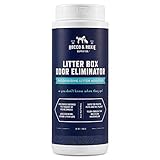
- Cat Litter Deodorizer & Litter Box Odor Eliminator: Our proprietary essential oil blend neutralizes odors at a molecular level, so even the strongest litter box smells stay under control, longer
- Less Scooping, Longer Litter Life: This litter box deodorizer mixes easily into any litter type, wicking away moisture so litter lasts longer between changes and you buy less over time
- Safe For People, Pets & the Planet: Non-toxic, 100% plant-based cat litter odor control made from all-natural corncob granules that absorb moisture and odor from urine and feces
- More Than a Litter Deodorizer: This cat litter odor eliminator also works on trash compactors, garbage cans, kennels, and animal carriers
- Buy With Confidence: Backed by the Rocco & Roxie guarantee — if this cat litter deodorizer doesn't eliminate the smell, contact us and we'll make it right
Cats with asthma or airway sensitivity need a lower-fragrance plan
VCA’s feline asthma guidance lists dust, smoke, perfume, hairspray, carpet cleaners, air fresheners, scented laundry products, mold, mildew, pollen, pollution and essential-oil diffusers as possible triggers. It also mentions low-dust litter and air filters or purifiers as possible measures.
If your cat has asthma, recurrent coughing or a history of airway irritation, remove optional fragrances rather than trying to find a stronger one. Keep litter dust controlled, use the cleaning routine above, and ask your veterinarian whether an air purifier or a different litter setup fits the cat’s diagnosis. Do not change prescribed asthma treatment because a room smells better.
Independent reader supportYour contribution helps us test, update, and keep practical guides available for everyone.Are any household air fresheners safe around cats?
Safety depends on the exact product and exposure, not the broad category name. ASPCA’s veterinary toxicology experts state that Febreze fabric freshener products are safe in households with cats and dogs. That statement is narrow: it applies to the named fabric-freshener products and does not establish that every aerosol, plug-in, deodorizer, candle or fragrance is safe.
The same ASPCA household-product guidance advises against essential oils in areas pets can access unless the animals are supervised or a veterinarian has approved the use. Read the product label, keep the container inaccessible, and stop using it if the cat shows respiratory or gastrointestinal signs. A “pet-safe” marketing phrase is not a substitute for product-specific guidance.
Best Value

- HELPS TACKLE TOUGH ODORS: The litter deodorizing powder aids litter in removing tough urine and feces odors.
- USE WITH ANY LITTER BOX: This deodorizer can be used in both automatic and manual litter boxes.
- MULTI-CAT HOME: Nature’s Miracle Litter Box Deodorizer is ideal for multi-cat homes.
- FRESH SCENT: The fresh scent keeps your litter box smelling crisp.
- MADE WITH RECYCLED MATERIAL: Our bottles are made with 25% Post-Consumer Recycled Material.
Step-by-step plan for a room that still smells
- Confirm the box is being scooped daily. Check that solid waste and urine clumps are actually removed, not merely covered with fresh litter.
- Perform a full wash. Empty the box, wash it with mild detergent, rinse and dry it. Do not use ammonia, deodorants or scented cleaners on the box.
- Inspect nearby surfaces. Look under the box, behind furniture and around mats for tracked litter or urine. Clean affected surfaces according to the cleaner’s label and keep the cat away until they are dry.
- Remove the waste container. Tie off waste and take it out on a schedule that prevents the room from becoming a second odor source.
- Improve air movement without adding fragrance. Use safe ventilation and keep the room’s door or window arrangement secure.
- Add a purifier only after the basics work. Select a device using the manufacturer’s room-coverage and maintenance information. Do not add an oil cartridge.
- Reassess the cat’s behavior. Avoiding the box, eliminating elsewhere or showing discomfort warrants a veterinary conversation; fragrance should not be used to hide a possible health or litter-box problem.
Symptoms after fragrance exposure: what to do
Pet Poison Helpline lists watery eyes or nose, nose and throat irritation, drooling, vomiting, coughing, wheezing, panting, fast breathing and labored breathing among possible warning signs. Coughing, wheezing, panting or fast or labored breathing is not normal.
- Move the cat away from the product and into fresh air.
- Stop the diffuser, spray or plug-in and prevent further contact. If oil has reached the coat or skin, prevent grooming and call a veterinarian or poison service for product-specific instructions rather than applying another household cleaner.
- Watch the cat closely. If signs do not quickly resolve, seek emergency veterinary treatment. Difficulty breathing is an emergency, not a symptom to monitor while waiting for a room deodorizer to wear off.
Troubleshooting common litter-room problems
The room smells again within hours
Check whether urine clumps are being removed completely, whether the box is large enough for the cat to turn around, and whether waste is sitting in a lined container indoors. Also inspect for accidents outside the box. A purifier may reduce the smell in the air, but it cannot remove a hidden urine source.
The cat stops entering the room
Remove new fragrances and wash the box with mild detergent. Cats may avoid a messy, smelly box, and a strong new scent can make the location less acceptable. Provide a clean alternative box while you correct the setup.
What’s actually slowing this PC down?
Pick the symptom - the matching free tool is one click away.
The cat coughs after a new product is installed
Turn off the product, move the cat to fresh air and observe for the warning signs listed above. Do not test the product again to “confirm” the cause. Contact a veterinarian promptly if coughing persists or if breathing is fast, noisy or labored.
The purifier seems ineffective
Verify that it is sized and installed according to the manufacturer’s instructions, that airflow is unobstructed and that the filter is not overdue for replacement. Then recheck the litter box and surrounding floor. No purifier can compensate for waste, damp litter or an accident that remains in the room.
A practical decision rule
- Choose cleaning alone when the smell comes from a box that is not being scooped or washed consistently.
- Add an unscented air purifier when the box and surrounding area are clean but the room air still needs help.
- Skip fragrance devices when the cat has asthma, airway sensitivity, coughing or a history of reacting to strong odors.
- Ask a veterinarian first when you are considering essential oils, when the cat may have contacted oil, or when litter-box avoidance and odor appear suddenly.
A fresh-smelling litter room is achievable without perfume: remove waste on schedule, wash with mild detergent, keep the box free of added scents, and use filtration only as a supporting measure. That sequence protects the cat’s bathroom habits while addressing the air you share.
Quick Recap
Product prices and availability are accurate as of the date/time indicated and are subject to change. Any price and availability information displayed on Amazon at the time of purchase will apply.





Leave a Reply