Do these 3 things before closing this tab:
1Repair Windows errors before they cause bigger problems2Fix the driver behind crashes, sound loss and screen glitches3Clear out junk files and repair common Windows errorsA raccoon passing through your yard usually does not need to be trapped or removed. The lasting solution is to make the property less rewarding: secure food and water, remove hiding places, protect pets and livestock, and close access to buildings only after confirming that no raccoon or dependent young are inside.
Keep dogs, cats, and children away from the animal. Never corner, handle, or feed a raccoon, and do not assume that seeing one in daylight means it has rabies.
As an Amazon Associate I earn from qualifying purchases.
1. Remove the food bringing raccoons back
Raccoons are opportunistic feeders. A single accessible meal can teach one to return every night, so start with the source rather than the animal.
- Keep garbage in a wildlife-resistant container with a tightly secured lid. Put it out as close to collection time as possible.
- Feed dogs, cats, and other pets indoors. Remove bowls immediately after feeding.
- Pick up fallen fruit, spilled birdseed, and pet or livestock feed.
- Temporarily remove bird feeders if raccoons are visiting them.
- Cover sandboxes whenever children and pets are not using them.
- Remove standing water where practical and secure ponds, pools, and other water features.
- Lock chicken-coop, duck-house, shed, and rabbit-hutch doors before dusk.
- Keep compost, fish food, eggs, and other animal feed in secure containers.
Removing attractants is especially important for pet owners. A raccoon may be interested in a cat-food bowl, chicken feed, eggs, fish in a pond, or an unsecured coop rather than the yard itself.
#1 Best Overall
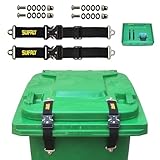
- Animal & Weather Resistant : A practical trash can lock strap that keeps your outdoor bin sealed—helps deter bears, raccoons, squirrels, pets, and gusty wind from opening or tipping the lid. Ideal for home, curbside, camping, and other outdoor use. A simple trash can lock solution for raccoon proof garbage cans and bear proof trash can setups."
- Bite-Resistant & Durable : Made with all-metal hardware and high-strength nylon, these trash can lock straps for animals can withstand chewing, scratching, and clawing from bears, raccoons, squirrels, dogs, and other pets. Designed for all-weather outdoor environments.
- Heavy-Duty X-Box Stitching : Each strap connection is reinforced with X-box cross-stitching, firmly attaching the nylon to metal hooks and locking buckle. This greatly improves tensile strength and tear resistance, making your garbage can lock more durable and long-lasting.
- Easy Installation : Drill a hole with a bit equal to or slightly larger than 8 mm (5/16") and secure the strap using the included screws. The strap length can be adjusted to the optimal position, and once set, it will self-lock without the risk of slipping.
- Universal Fit (28–100 Gallon) : Adjustable from 12.6–16.5 inches, fits most 28–100 gallon trash, recycle, and compost bins. No tools needed—just hook, tighten, and lock for a quick install. A versatile, lockable trash can solution for curbside and backyard use.
2. Make the problem area unpleasant
After removing food and water, place a deterrent at the exact location the raccoon is using. Effective options include:
- Motion-activated sprinklers: Often useful near gardens, trash cans, ponds, and paths.
- Motion-activated lights: Bright, sudden light can make a sheltered area less appealing.
- Intermittent noise: A radio near—but not inside—a suspected den entrance may encourage an animal to leave.
- Cider-vinegar-soaked rags: Place them where children and pets cannot reach them, and replace them as the smell fades.
- Labeled hot-pepper wildlife repellent: Follow the product label and keep it away from pets, children, and edible plants unless the label permits use there.
- Exclusion fencing: Single-strand electric fencing or sturdy fencing can protect vegetable beds and fish ponds when installed according to local rules and manufacturer directions.
Deterrents work best when the raccoon no longer has an easy meal. A sprinkler may redirect an animal temporarily, but it will not solve an open trash container or an accessible pet-food bowl.
Do not use mothballs, ammonia, or smoke
Mothballs are pesticides intended primarily for clothes-moth control in airtight containers. They are not a dependable outdoor raccoon repellent, and using them outside their labeled instructions can expose pets, children, wildlife, and people to pesticide vapors.
What’s actually slowing this PC down?
Pick the symptom - the matching free tool is one click away.
Do not smoke a raccoon out of a chimney or use ammonia and other hazardous chemicals to force it from a den. Smoke can kill trapped babies and may drive an animal farther into a wall, attic, or chimney.
3. Exclude raccoons from under a deck, porch, or shed
A space beneath a deck or shed may be a den, particularly when a mother is raising young. Sealing the opening immediately can trap the family inside or leave babies behind when the mother goes out to forage.
Rank #2
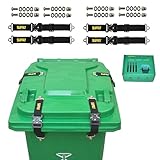
- Animal & Weather Resistant : A practical trash can lock strap that keeps your outdoor bin sealed—helps deter bears, raccoons, squirrels, pets, and gusty wind from opening or tipping the lid. Ideal for home, curbside, camping, and other outdoor use. A simple trash can lock solution for raccoon proof garbage cans and bear proof trash can setups."
- Bite-Resistant & Durable : Made with all-metal hardware and high-strength nylon, these trash can lock straps for animals can withstand chewing, scratching, and clawing from bears, raccoons, squirrels, dogs, and other pets. Designed for all-weather outdoor environments.
- Heavy-Duty X-Box Stitching : Each strap connection is reinforced with X-box cross-stitching, firmly attaching the nylon to metal hooks and locking buckle. This greatly improves tensile strength and tear resistance, making your garbage can lock more durable and long-lasting.
- Easy Installation : Drill a hole with a bit equal to or slightly larger than 8 mm (5/16") and secure the strap using the included screws. The strap length can be adjusted to the optimal position, and once set, it will self-lock without the risk of slipping.
- Universal Fit (28–100 Gallon) : Adjustable from 12.6–16.5 inches, fits most 28–100 gallon trash, recycle, and compost bins. No tools needed—just hook, tighten, and lock for a quick install. A versatile, lockable trash can solution for curbside and backyard use.
- Remove attractants from the yard and nearby area.
- Inspect from a safe distance. Look for movement, vocalizations, nesting material, or repeated traffic. Do not reach into the opening.
- Place a harmless deterrent near, but not inside, the entrance. A motion sprinkler, light, or radio can encourage the adult to move out.
- Watch after dusk. Raccoons are most active at night. Confirm that the animal is leaving and returning, and listen for baby noises before doing any permanent work.
- Test the opening first. Use a temporary, easily removable barrier or loosely secured material. Monitor for signs that an animal is still inside.
- Seal permanently only when empty. Use sturdy hardware cloth, welded wire, metal flashing, or another raccoon-resistant material. Bury or secure the lower edge where digging is possible.
A one-way exclusion door can help when there are no dependent young inside. If babies may be present, use a licensed wildlife-control professional who can reunite the family rather than separating the mother from her kits.
4. Protect an attic, chimney, or crawl space
Attic
A mother raccoon may use an attic to raise young. Do not block the entry hole or trap the adult before checking for kits. An experienced professional can make the attic bright, noisy, and unpleasant while keeping the exit open. Once every raccoon has left, seal the entry with hardware cloth or metal flashing and inspect for additional openings.
To prevent another entry, repair roof gaps, cover attic vents, install a chimney cap, and secure pet doors at night. If a pet door leads into a garage, basement, or crawl space, replace it with a lockable model or keep it closed after dusk.
Raccoon feces and nesting material in an attic may contain Baylisascaris procyonis eggs. Professional cleanup is sensible when contamination is extensive, dusty, or difficult to reach.
Chimney
Keep the damper closed, but do not light a fire, smoke the raccoon out, or permanently block the chimney while an animal may still be inside. Contact a wildlife professional or chimney specialist. After the raccoon has left, have the flue inspected and install a code-compliant chimney cap.
Rank #3

- Heavy Duty Plastic Locking Buckle
- Stainless Steel Hardware
- Superior to comparable lid locks
- Racoon, dog and varmint proof your garbage
5. Know when a raccoon may be dangerous
Daytime activity by itself is not proof of rabies. A raccoon may be awake during the day because it is searching for food, raising young, or responding to disturbance.
PC Slower Than It Used to Be?
A free scan shows the junk files, broken settings and background clutter dragging Windows down - then fixes them in one click.Free scan · Windows 10 & 11Crashes, No Sound, or Screen Glitches?
Random freezes, missing sound and display glitches usually trace back to one bad driver. Find and replace yours safely.Free scan · under a minuteCall animal control or a wildlife professional if the raccoon is:
- Aggressive or unusually fearless.
- Staggering, circling, paralyzed, or unable to walk normally.
- Injured, trapped, or visibly confused.
- Inside a home or another place where people or pets could contact it.
Do not let a dog or cat investigate. Keep pets indoors or on a leash until the animal has moved away. If a raccoon bites or scratches a person or pet, wash the wound with soap and running water for 15 minutes. Contact a healthcare provider and your local or state health department promptly for a rabies-risk assessment. A pet may also need urgent veterinary attention and a vaccination review.
6. What to do if you find a baby raccoon
A baby found alone may not be orphaned. The mother could be nearby or may return after dark.
- Bring dogs and cats inside and keep children away.
- Do not feed the baby, give it water, or attempt to raise it.
- If it is safe, place an upside-down laundry basket over it with a light weight on top so it cannot wander away.
- Watch from a distance through the night.
- Contact a licensed wildlife rehabilitator if the mother does not return, or if the baby is cold, weak, injured, or has been touched by a pet.
Do not seal a den or begin trapping while babies may be inside. A rehabilitator or wildlife professional can advise on reunification.
Recommended Free Tools
Rank #4
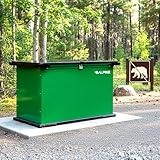
- ✔️ IGBC Certified Protection: Tested against real grizzlies and meets official bear-resistant standards required in parks and regulated areas
- ✔️ Stop Bear Break-Ins: Prevents wildlife access and dangerous encounters by eliminating food reward behavior in high-risk outdoor environments
- ✔️ High-Capacity Performance: 197-gallon volume reduces overflow and service frequency, holding up to 18–22 garbage bags or 4–5 standard bins
- ✔️ Multi-Layer Defense System: Locking lid, anti-scent seal, and pry-resistant design work together to block forced entry and wildlife attraction
- ✔️ Built for Extreme Force: 12–14 gauge structural steel resists impact, prying, and repeated pressure from large predators
7. Clean raccoon droppings safely
Raccoons often use the same toilet area, called a latrine. Latrines may appear on decks, patios, roofs, woodpiles, logs, rocks, garages, attics, and in sandboxes. Their feces can contain roundworm eggs. Newly deposited eggs generally need at least 2–4 weeks to become infective, so prompt cleanup reduces risk.
For a small outdoor latrine:
- Keep children and pets away.
- Wear disposable gloves and rubber boots or disposable shoe covers.
- Use an N95 respirator in a confined or dusty area.
- Lightly mist the material to reduce dust. Do not sweep or use a dry vacuum.
- Scoop feces and contaminated material with a shovel or an inverted plastic bag.
- Bag it for disposal according to local waste rules.
- Wash your hands with soap and running water.
- Wash contaminated clothing with hot water and detergent.
- Clean hard, heat-resistant surfaces with boiling water where it is safe to do so.
Most chemicals do not kill Baylisascaris eggs. Heat can, but boiling water, propane torches, and fire create burn and fire hazards. Never use a torch on combustible or meltable surfaces. For an attic latrine, extensive contamination, or contamination in a child’s play area, hire a professional cleanup service or contact animal control.
Independent reader supportYour contribution helps us test, update, and keep practical guides available for everyone.8. Be cautious about trapping and relocation
Live-trapping is not a simple fix. It can leave dependent young behind, does nothing about the food or shelter attracting the raccoon, and places you close to a stressed animal that can bite through a cage.
Rules also vary widely. Release locations, transport, trap types, seasons, and euthanasia requirements may be regulated. For example, New York restricts release of a live-trapped animal to the property where it was captured; Connecticut prohibits raccoon relocation; and Texas requires authorization for relocation and restricts transporting live raccoons.
Before setting a trap, contact your state wildlife agency, municipal animal-control office, or a licensed nuisance-wildlife operator. Never transport or release a raccoon unless the relevant authority confirms that it is legal.
Best Value
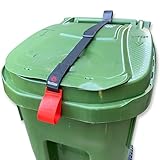
- FINALLY STOPS RACCOONS & ANIMALS FOR GOOD Tired of waking up to trash everywhere? BinClaw MAX is a raccoon-proof trash can lock that actually works. Keeps lids tightly closed against animals, wind, and overstuffed bins—so your garbage stays contained.
- HEAVY DUTY – BUILT FOR REAL OUTDOOR USE Made from rigid polycarbonate, not cheap flexible plastic. Won’t warp in heat or crack in cold. Designed to handle extreme weather, daily use, and persistent animals without failing like typical straps.
- ONE-HAND, NO-HASSLE OPERATION Open and close your bin in seconds—no bending, no fumbling, no touching dirty lids. Simple, fast, and frustration-free every time you take out the trash.
- NO TOOLS. NO DRILLING. INSTALLS IN SECONDS Snap it on and you’re done. Fits most standard outdoor garbage bins. Adjustable, secure, and actually universal—not just in name.
- RELIABLE, ADJUSTABLE & BUILT TO LAST Flexible strap + rigid locking system = secure hold across different bin sizes and shapes. A long-term solution for homeowners tired of replacing cheap garbage can locks.
A practical plan for a raccoon visiting the yard
| Situation | Best first step | When to call for help |
|---|---|---|
| Raccoon passing through | Remove food, water, birdseed, and accessible garbage. | Call only if it is injured, trapped, aggressive, or unusually disoriented. |
| Raccoon returning to a garden or pond | Remove attractants and install a motion-activated sprinkler or suitable fencing. | Call if the animal persists after exclusion measures. |
| Raccoon under a deck or shed | Check for young; use a deterrent and temporary barrier before sealing. | Call a professional if babies may be present. |
| Raccoon in an attic or chimney | Keep exits available; do not smoke it out or seal the opening immediately. | Use a wildlife or chimney professional. |
| Baby raccoon alone | Keep pets away and monitor from a distance. | Contact a licensed rehabilitator if the mother does not return or the baby is injured. |
| Raccoon feces in a living area | Keep pets and children away; avoid dry sweeping or vacuuming. | Hire professional cleanup for extensive contamination. |
FAQ
What is the fastest way to keep raccoons out of my yard?
Secure garbage, bring pet food indoors, remove birdseed and fallen fruit, lock up livestock feed, and use a motion-activated sprinkler at the location the raccoon is using. These measures work better together than a repellent used alone.
Will vinegar keep raccoons away?
Cider vinegar may discourage a raccoon temporarily when used on rags near a problem area, but it is not a substitute for removing food or sealing an entry point. Keep treated rags away from pets and children.
Should I trap and relocate a raccoon?
Not without checking local law and considering whether young are present. Relocation is restricted or illegal in some places, and trapping does not solve the attractant. Contact animal control, your wildlife agency, or a licensed operator first.
The Tool Desk
Outbyte PC Repair FREERepair Windows errors before they cause bigger problemsFix Now →Outbyte Driver Updater FREEFix the driver behind crashes, sound loss and screen glitchesFind Drivers →What should I do if my dog was bitten by a raccoon?
Wash the wound with soap and running water for 15 minutes, then contact a veterinarian and local or state health officials promptly. Do not handle the raccoon yourself or wait for symptoms to appear.
The Bottom Line
For a raccoon that is simply visiting, remove every easy food source, secure pets and poultry, and use a motion-activated sprinkler or light at the problem spot. Exclude raccoons from decks, attics, and chimneys only after confirming that no animal or dependent young remain inside. Skip mothballs, smoke, hazardous chemicals, and unauthorized relocation; call a licensed professional for babies, possible rabies exposure, building infestations, or difficult cleanup.
Sources: CDC, Humane World for Animals, California Department of Fish and Wildlife, New York DEC, Connecticut DEEP, and Texas Parks and Wildlife.
Quick Recap
Product prices and availability are accurate as of the date/time indicated and are subject to change. Any price and availability information displayed on Amazon at the time of purchase will apply.
Free tools Windows power users keep installed
One-click scans. No signup required.




