
Do these 3 things before closing this tab:
1Clear out junk files and repair common Windows errors2Fix the driver behind crashes, sound loss and screen glitches3Repair Windows errors before they cause bigger problemsSome links on this page are affiliate links: if you buy through them we may earn a commission, at no extra cost to you.
The most reliable natural way to reduce snakes in your yard is to make selected areas less attractive and harder to enter—not to scatter a homemade repellent. Remove hiding places, reduce rodents and other prey, seal gaps around buildings, and install a properly maintained exclusion fence around the areas that matter most, such as a play space, patio, chicken run, or garden.
No method can promise a snake-free property. Snakes may pass through while hunting, basking, or moving between habitats. The realistic goal is to reduce repeat encounters and keep snakes out of high-use zones while avoiding unnecessary harm to animals that are often nonvenomous and ecologically useful. Habitat management and exclusion are safer and more dependable than folk remedies.
As an Amazon Associate I earn from qualifying purchases.
The Tool Desk
Outbyte PC Repair FREERepair Windows errors before they cause bigger problemsFix Now →Outbyte Driver Updater FREEScan for outdated or missing drivers - takes under a minuteDriver Scan →First, decide what “getting rid of snakes” means
A snake-free yard is usually not a realistic or necessary target. A better plan has three parts:
- Reduce shelter and food near the house and frequently used areas.
- Block access to buildings and enclosed zones.
- Respond safely when a snake is already present.
Most snakes found around homes are nonvenomous, but identification can be difficult, especially when the snake is moving, partly hidden, or seen from a distance. Treat an unknown snake as an animal to avoid, not one to catch or handle.
Popular on Amazon
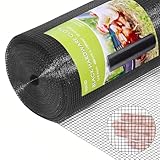
- RUST RESISTANCE: UULID black hardware cloth 1/4 inch 48 x 100 ft adopts Hot dipped galvanized, which prevents rust and corrosion and longer service life
- SUPERIOR DURABILITY:Our black hardware cloth features a protective black pvc coated welded wire fence, enhancing its longevity and performance. providing lasting security for your garden and poultry.
- 1/4" x 1/4" OPENINGS: hardware cloth 1/4 inch garden wire fence rolls opening can be used to build wire walls and roofs for chickens, effectively protecting your chickens from other carious animals! ensuring their safety
- STRONG DURABILITY:Our garden fence wire cloth is rust proof, waterproof, tear resistance, and the grid is flat and even. Even in a variety of wet environment still remains the same, thus this Hot-dip galvanization hradware cloth chicken wire mesh roll is one of the wonderful choice for making fences
- GREAT PACKAGE: We would like to make sure every customer receives a satisfactory hardware cloth 1/4 inch 48 x 100 ft chicken fencing wire fence mesh
1. Remove hiding places
Snakes may shelter beneath or inside objects that also provide cover for rodents and other prey. Clear unnecessary:
- Brush piles and thick leaf piles
- Fallen logs and large branches
- Loose rocks, boards, bricks, and construction materials
- Unused equipment, tarps, and yard debris
- Dense piles of garden materials near the home, paths, or play areas
Prioritize the perimeter of the house, children’s play spaces, walkways, patios, sheds, and other areas where people and pets spend time. Do not reach blindly beneath a board, log, rock, or pile. Move debris with a tool when possible, inspect the area first, and wear sturdy boots, long pants, and thick gloves for general yard work. Protective clothing reduces risk during maintenance; it is not permission to pick up a snake.
Quick wins for a faster PC:
Repair Windows errors before they cause bigger problemsFix Now →Fix the driver behind crashes, sound loss and screen glitchesFind Drivers →Clear out junk files and repair common Windows errorsFree Scan →A heavy-duty garden rake can help move leaves and loose debris from a safer distance, but it should not be used to pin, drag, or capture a snake.
2. Keep grass, weeds, and border vegetation short
Regular mowing and trimming improves visibility and reduces the dense cover that snakes and their prey can use. Keep grass and weeds short around:
- Walkways, doorways, patios, and play equipment
- House foundations, garages, sheds, and crawl-space entrances
- Fences and gates
- Woodpiles, storage areas, and outdoor feeding stations
Vegetation is particularly important around a snake-exclusion fence. Grass, vines, branches, and weeds should not touch or lean over the barrier, because they can create a route around or across it. The CDC’s outdoor-worker guidance also recommends being cautious around places where snakes may hide and using care during outdoor work.
You do not need to remove every plant from the property. Instead, create a maintained buffer around high-use areas and building edges while leaving suitable habitat farther from the home when practical.
3. Reduce rodents and other prey attractants
Snakes may appear where food is readily available. Birdseed, pet food, livestock feed, spilled grain, and unmanaged rodent habitat can attract prey animals, which may in turn make the area more appealing to snakes.
Also popular on Amazon

- 【OUTSTANDING RUST RESISTANCE 】 The 2′×50′ hardware cloth is made of No. 19 heavy-duty galvanized steel wire and provides double coating to maximize rust resistance and service life. Vinyl coating provides additional protection. Can be easily cut with scissors. Molded or folded as needed without any problems
- 【SQUARE MESH】1/4-inch mesh, flexible welding wire, can be used to build steel wire walls and roofs for chickens to ensure their safety and prevent eagles, foxes and raccoons. The 1/4" square opening is still small enough to cover squirrels.
- 【SIZE & LENGTH】19 gauge steel wire, mesh size is 1/4". It measures 2feet by 50 feet long and is suitable for home and garden purposes, including property dividers and protective covers, which you can adjust to your specific needs.
- 【EASY USE】Flexible design makes welding wire coil easy to use in a variety of applications, you can customize it according to your specific needs
- 【APPLICATION】1/4" steel wire mesh, suitable for various home improvement projects. Widely used, suitable for rabbit running, chicken house, duck pen, vegetable garden.
Take these steps:
- Store birdseed, pet food, and animal feed in sealed, durable containers.
- Clean up spilled seed and food promptly.
- Do not leave pet food outdoors overnight.
- Remove rodent harborage around sheds, garages, foundations, and stored materials.
- Repair gaps and openings that allow rodents into buildings.
A sealed outdoor storage container can help protect feed and seed from weather and pests. It does not repel snakes directly; its value is reducing one of the conditions that may attract rodents.
Avoid scattering rodent poison outdoors as a quick fix. If rodent control is necessary, use products only as directed on the label and follow local rules. For persistent activity, a qualified pest professional can help identify entry points and use a targeted control plan.
4. Store firewood and lumber off the ground
Woodpiles provide shade, shelter, and potential rodent habitat. Keep firewood and lumber:
- As far from the house as practical
- At least 12 inches off the ground, as recommended by Mississippi State Extension
- Neatly stacked rather than spread across the yard
- Away from doors, play areas, and frequently used paths
An elevated firewood rack can keep the stack off the soil, but the rack does not eliminate the need for inspection. Look carefully before reaching into a pile, moving logs, or carrying firewood indoors. Do not assume a quiet or motionless snake is harmless.
When possible, move one piece at a time and keep your face and hands away from unseen spaces. If a snake is visible in or beside the stack, stop and give it a route away.
5. Seal gaps around buildings and outbuildings
Snakes can enter through surprisingly small openings. Inspect the foundation, crawl space, porch, garage, shed, doors, vents, and places where plumbing or wiring passes through walls. Pay particular attention to ground-level gaps and areas where weather damage, settling, or landscaping has created a space beneath a structure.
As a general rule, seal openings larger than about 1/4 inch, choosing a material suitable for the location:
Also popular on Amazon

- 【Size Specification】Size of our hardware cloth is 16 inches wide by 20 foot long, wire 1/4 inch thick, and 23 gauge.
- 【Hot Dipped Galvanized Hardware Cloth】Our hardware cloth roll use hot plating galvanizing process, which is galvanized after uniformly welding, providing a double zinc coating for maximum long life, achieve a long time in the outdoor use, not easy to rust. You can use our galvanized wire mesh with confidence.
- 【Easy to install and use】Our wire is firm but you can easy to wrap and cut(Use tools like snip ) to the shape and lenght you want, sturdy and pliable. Come with carton packaging, Galvanized Wire Mesh Roll is easy to open the package and not easy dents, be better protected and more beautiful.
- 【Hardware Cloth with Wide Range of Applications】Our welded wire fence Roll is suitable for chicken pen/coop fences, raised garden beds, screens, rabbit/snake fences, tree guards, garden flower beds, orchard tree protection boards etc. It can effectively prevent your chickens, ducks, rabbits and other farmed animals and vegetables, tomatoes, strawberries and other fruits and vegetables from being entered by small animals such as snakes, voles, gophers and so on.
- 【Warm reminder】1. The cutting area around the wire mesh roll is sharp, please pay attention to safety to avoid cutting your fingers! 2.Please pay attention to the length and mesh. 3.If you have any questions about our Hardware mesh after receiving the package, please feel free to contact us through Amazon.
- Mortar or masonry repair: for cracks and gaps in masonry or concrete where appropriate
- Exterior caulk: for suitable narrow joints and seams
- Sheet metal or fine-mesh hardware cloth: for larger openings or areas that need a physical barrier
- Expanding foam: only where appropriate and where it will not block required ventilation, drainage, or access for maintenance
- Door sweeps and garage-door seals: for ground-level gaps beneath doors
Use exterior caulk and expanding foam sealant for appropriate small building gaps, but do not use foam as a substitute for structural repair or to seal a required vent. A properly fitted door sweep for a garage can address a gap at the bottom of a door, where permitted by the door’s design.
For crawl spaces, vents, drains, and foundations, make sure a repair does not trap moisture, interfere with airflow, or create a new maintenance problem. If you are unsure, have the opening assessed by a building or wildlife-exclusion professional.
6. Install a physical snake-exclusion fence where it matters most
If snakes are repeatedly entering one particular zone, fencing that zone is often more practical than trying to fence an entire property. Good candidates include:
- Children’s play areas
- Patios and outdoor seating spaces
- Chicken coops and small-animal enclosures
- Gardens or work areas where people kneel or reach into vegetation
Common guidance describes a barrier made from approximately 1/4-inch mesh, roughly 2 to 3 feet high, with several inches buried and the lower portion angled outward. Examples from wildlife agencies vary, including about 3–6 inches of burial and an outward angle near 30 degrees. These are planning ranges, not universal specifications. Species, terrain, soil, drainage, gates, and local regulations can change the correct design. Consult your state wildlife agency or a qualified exclusion professional in areas with rattlesnakes or other venomous species.
Free tools Windows power users keep installed
One-click scans. No signup required.
For a materials starting point, 1/4-inch galvanized hardware cloth is a commonly cited exclusion material. Choose sturdy, corrosion-resistant materials suitable for outdoor use, and secure the mesh so there are no loose lower edges or openings at corners.
Basic fence principles
- Use mesh small enough for the local snakes you are trying to exclude.
- Bury the bottom edge or otherwise prevent lifting and washout.
- Angle the upper portion outward where appropriate for the design.
- Keep plants, mulch, branches, and stored objects away from the barrier.
- Make the fence continuous around the zone, including corners and transitions.
- Plan gates and drainage before installation rather than leaving a gap to fix later.
A barrier protects only the area it fully encloses. It will not stop snakes from being elsewhere in the yard, and an improperly installed fence may provide false confidence.
7. Close and maintain every fence and gate gap
The smallest weak point can defeat an otherwise useful exclusion fence. Check:
Also popular on Amazon

- RUST RESISTANCE TOP: Heavy-Duty Hot-Dipped Galvanization After Welding, hardware cloth 1/4 inch 48 x 100 ft undergoes professional hot-dipped galvanization After Welding for a uniform coating without bubbles. Pre-tested for salt spray, it ensures durable corrosion resistance, lasting through years of outdoor use without needing replacements
- 1/4 INCH FINE MESH: Hardware mesh featuring narrow 1/4 inch mesh that even small animals find difficult to penetrate. Suitable for safeguarding vegetable gardens from small rodents like rabbits, snakes, and more
- MATERIAL & SIZE: Heavy duty hot dipped galvanized hardware cloth with Heavy-Duty Hot-Dipped Galvanization After Welding, providing a double zinc coating for maximum rust resistance and long life. Measures 48 inch by 100 foot, cuts easily with scissors, and can be molded or folded as needed without any problems
- PROTECTIVE PACKAGING: Hardware cloth is packaged in five layers of reinforced cardboard boxes with fully covered sealing at both ends to prevent damage during transportation and minimize the risk of damage during delivery
- STRONG DURABILITY: Garden fence wire cloth is rust proof, waterproof, tear resistance, and the grid is flat and even. Even in a variety of wet environments it remains the same, making this Hot-dip galvanization After Welding hardware cloth chicken wire mesh roll a suitable choice for making fences
- Gaps beneath gates
- Spaces at corners and fence-to-wall connections
- Holes or torn mesh
- Washouts beneath the lower edge after heavy rain
- Openings created during mowing, digging, drainage work, or landscaping
Open and close gates carefully, and make sure they fit tightly enough for the barrier to remain continuous. Inspect after storms and whenever soil is disturbed. Do not lean boards, tools, planters, or other objects against the outside of the fence; they can create a bridge or conceal a gap.
What’s actually slowing this PC down?
Pick the symptom - the matching free tool is one click away.
Keep grass and weeds trimmed on both sides. A fence that is technically intact but hidden by vegetation is harder to inspect and easier to bypass.
8. Reduce dense moisture and shelter zones near high-use areas
Snakes may use places that combine prey, water, sunny basking spots, and cover. You do not have to eliminate all natural habitat, but you can make doorways, paths, patios, and play spaces less suitable.
Where feasible:
- Move dense plantings away from doors and heavily used paths.
- Correct leaking outdoor faucets, hoses, and irrigation lines.
- Keep unmanaged wet areas away from children’s play zones.
- Remove unused containers that collect water.
- Prune vegetation so sunny and shaded edges remain visible rather than densely overgrown.
- Keep mulch, compost, and stored materials from accumulating against foundations.
This is habitat management, not a promise that snakes will disappear. A natural yard can support valuable wildlife, including snakes that help control rodents. The practical objective is to place dense habitat farther from the areas where people and pets need predictable access.
Independent reader supportYour contribution helps us test, update, and keep practical guides available for everyone.9. Give a visible snake an easy, safe exit
If you see a snake outdoors, stop and create distance. Keep children and pets away, do not corner or grab the animal, and leave a clear route for it to move away. Many snakes will leave on their own if they are not trapped or disturbed.
PC Slower Than It Used to Be?
A free scan shows the junk files, broken settings and background clutter dragging Windows down - then fixes them in one click.Free scan · Windows 10 & 11Crashes, No Sound, or Screen Glitches?
Random freezes, missing sound and display glitches usually trace back to one bad driver. Find and replace yours safely.Free scan · under a minuteGeorgia Extension notes that a garden hose may encourage a visible snake to leave, but only consider this from a safe distance, with a gentle flow, and only when the snake’s location and behavior are clear. Do not spray toward a snake that is close to you, partially hidden, inside a structure, or suspected to be venomous.
Call animal control or a qualified wildlife professional if:
Also popular on Amazon

- Galvanized After Welding: Hot-dip galvanized after welding coats every welded joint, so the heavy duty mesh resists rust and breakage far longer than pre-galvanized wire in rain, soil, and sun.Thicker wire builds a sturdier fence that resists bending and animal push-through
- Product Size & Coverage: The roll is 48 inch wide by 100 foot long, and 1/4 inch×1/4 inch mesh opening, enough to cover a small run, a few beds, or one coop, cut to length for any project. Measure your project need first so you order the right length and avoid mid-job gaps
- Easy to Cut & DIY: Smooth welded edges reduce scratches while cutting and installing. And works well with fence posts, zip ties, and landscape staples for quick, tool-light setup. Installing it is a breeze, making it a convenient choice for DIY enthusiasts
- Multipurpose Garden & Coop Mesh: This hardware cloth is designed to build garden fences, poultry netting, and backyard animal barriers that keep rabbits, snakes, and gophers away from your plants and coops.Ideal for gardens, raised beds, chicken coops, and farms during spring planting and summer fencing
- Made for Home Gardeners & Chicken Keepers: Perfect for DIY homeowners, poultry raisers, and landscapers. Whether you're preventing small animals from accessing your garden or reinforcing fences for added security, this metal mesh is a reliable solution that will give you peace of mind
- The snake is inside the home, garage, or another occupied building.
- You cannot confidently identify it or safely keep your distance.
- It may be venomous or is behaving abnormally.
- It is trapped in a room, window well, enclosure, or other confined space.
- Snakes are repeatedly entering despite reasonable exclusion work.
For a possible indoor or venomous-snake situation, use a licensed local wildlife-removal or snake-exclusion provider and verify that the service is authorized in your area. Local rules may regulate capture, relocation, killing, or handling of native, protected, threatened, or endangered reptiles. Your state wildlife agency or animal control office can explain the applicable requirements.
Snake remedies to skip
Mothballs, sulfur, lime, cayenne pepper, cedar oil, musk, gourd vines, sticky traps, and similar “natural” or commercial repellents are frequently recommended online. Extension materials from Mississippi State, Utah State, Colorado State, and the University of Georgia report that tested home remedies and commercial repellents have not shown consistent effectiveness.
Do not scatter mothballs around a fence line, garden, or yard. Mothballs are pesticide products labeled for specific uses. The EPA explains that using them outdoors in an unapproved site can violate the label and may be unlawful. They can also expose children, pets, and wildlife to hazardous chemicals.
Sticky traps are also a poor choice: they can injure non-target animals and create a dangerous situation for anyone trying to remove a trapped snake. A physical barrier, habitat cleanup, prey reduction, and building maintenance address the reason snakes are using an area instead of relying on an unproven odor or substance.
Safety checklist for yard work and snake encounters
- Keep children and pets away from any snake you cannot identify confidently.
- Slowly walk around the animal and give it plenty of room.
- Wear sturdy boots, long pants, and thick gloves for clearing potential habitat.
- Use a rake or other tool to check dark areas before reaching in; never use it to handle a snake.
- Do not lift logs, boards, rocks, or firewood with bare hands when you cannot see beneath them.
- Do not corner, pin, catch, kill, or transport an unknown snake.
- Check local wildlife rules before attempting capture or relocation.
If someone is bitten
Move away from the snake and seek emergency medical attention immediately. Do not apply a tourniquet, cut the wound, suck out venom, apply ice, or try a folk treatment. Avoid trying to catch the snake for identification; a photograph taken from a safe distance may help only if it can be obtained without approaching the animal. Follow the CDC’s first-aid guidance for venomous snake bites and your local emergency instructions.
A practical order of operations
If you are dealing with repeated sightings, do not attempt all nine fixes at random. Start with the areas that affect safety most:
Recommended Free Tools
- Protect the immediate zone: keep children and pets away from the sighting area and remove obvious hazards.
- Clean the perimeter: clear debris, shorten vegetation, and move firewood and lumber away from buildings.
- Remove attractants: secure feed and seed, clean spills, and address rodent harborage.
- Inspect structures: seal ground-level openings around the house, garage, shed, porch, crawl space, doors, vents, plumbing, and wiring.
- Fence the priority area: use an appropriately designed mesh barrier around the play space, patio, enclosure, or other high-use zone.
- Maintain the system: check gates, corners, vegetation, drainage, and washouts after storms and landscaping work.
- Escalate when necessary: contact animal control or a qualified professional for indoor, suspected venomous, trapped, or recurring cases.
Frequently Asked Questions
What is the fastest natural way to discourage snakes?
Start by removing nearby hiding places and prey attractants: clear debris, trim dense vegetation, secure birdseed and pet food, and address rodent habitat. These steps reduce the reasons snakes may use an area, but they do not guarantee immediate or complete removal.
Do mothballs keep snakes out of a yard?
Mothballs are not a reliable snake repellent. They are pesticides labeled for specific uses, and placing them around a yard or fence line may violate the label and expose people, pets, and wildlife to hazardous chemicals.
Will vinegar, sulfur, cayenne, or essential oils repel snakes?
These substances are commonly promoted as home remedies, but extension testing and reviews have not demonstrated consistent effectiveness. Physical exclusion and habitat modification are more defensible approaches.
What size mesh should a snake fence use?
Guidance commonly describes approximately 1/4-inch mesh, about 2–3 feet high, with several inches buried and an outward-facing angle. The correct design depends on local species, terrain, gates, drainage, and maintenance, so local wildlife guidance should take priority.
Should I move a snake to another part of my property?
Do not handle or relocate an unknown snake yourself. Laws may regulate capture and relocation, and approaching a potentially venomous snake creates unnecessary risk. Keep people and pets away and contact animal control or a qualified local wildlife professional if removal is needed.
The Bottom Line
Natural snake control works best as prevention: remove shelter and food sources, keep high-use areas visible, seal building gaps, and fence the zones that matter most. Skip mothballs and unproven repellents. When a snake appears, give it space—and call a professional if you cannot confidently identify it or safely leave it alone.





Leave a Reply