
What’s actually slowing this PC down?
Pick the symptom - the matching free tool is one click away.
Some links on this page are affiliate links: if you buy through them we may earn a commission, at no extra cost to you.
Voles are best controlled with a targeted, non-gimmicky plan: expose their habitat, protect the plants that matter, and trap the runways they are using now. Start with the tree trunks and garden beds; the lawn can be repaired after the vole activity stops.
If you have shallow, grass-free paths crisscrossing the lawn, open little holes, or bark gnawed from a young tree, the most effective way to get rid of voles is to combine three actions: remove the cover that protects them, guard plants they can kill or ruin, and snap-trap the runways that are actively being used. Lawn trails can usually wait until control is working. Fresh chewing around a tree trunk cannot: a vole can kill a young tree by chewing all the way around it.
As an Amazon Associate I earn from qualifying purchases.
Recommended Free Tools
Expect management rather than a one-time permanent fix. Voles can move in again from thick vegetation, ditches, rock borders, and unmanaged neighboring ground. A yard that is open, regularly maintained, and checked for fresh runways is much harder for them to use.
Make sure the culprit is a vole
Voles are compact, short-tailed rodents often called meadow mice. They travel in a network of surface runways: narrow, well-used paths through grass, mulch, or ground cover that connect open burrow holes. Freshly clipped grass and greenish droppings are additional signs that the runways are active.
Popular on Amazon

- GET RID OF MICE: These wide pedal mouse snap traps deliver reliable rodent control, providing quick and clean elimination when used near along walls or near signs of rodent activity
- 12-PACK VALUE: Complete set of 12 wooden mouse traps offers comprehensive pest control coverage, ensuring you have multiple snap traps ready for immediate deployment throughout your entire property
- PRECISION TRIGGER: Advanced plastic pedal mechanism activates instantly upon contact, with this large trip pedal delivering swift rodent elimination for higher catch rates. Equipped with two settings, you can control the trigger sensitivity to adjust it to your liking
- SUSTAINABLE CONSTRUCTION: Crafted from FSC certified wood sourced from responsibly managed forests, these mousetraps combine environmental responsibility with the durability needed for effective mice control
- REUSE OR DISPOSE: Each reusable mouse offers flexible cleanup options as you can either dispose of the entire trap or clean and reset for continued rodent trap performance as needed to continue ongoing pest control throughout your home
Do not treat every tunnel as a vole problem. Moles eat insects and often get blamed when voles use tunnel systems already in the lawn. Pocket gophers can also injure roots and girdle plants. The combination of open surface runways, small burrow entrances, and chewing above the soil line points more strongly to voles. Gopher damage that resembles girdling is more often below ground.
| What you find | What it suggests | What to do |
|---|---|---|
| Narrow paths at the soil surface beneath grass, mulch, or snow-flattened vegetation | Vole runways | Look for fresh clipping, droppings, and open holes; trap the active paths. |
| Raised ridges or mounds with no clear surface runways | May be a mole or gopher issue | Confirm the animal before choosing a control method. |
| Fresh bark removal at the base of a tree or shrub | Urgent possible vole damage | Install a guard immediately and inspect the full trunk circumference. |
| Dead-looking lawn trails after snow melts | Often old vole runway damage | Control current activity first; then rake and reseed if needed. |
Prioritize damage that can kill plants
Voles eat grasses, roots, bulbs, tubers, and bark. The cosmetic lawn trails they leave are frustrating but are usually repairable. Once fresh activity has stopped, rake away dead grass, loosen bare spots lightly, and reseed.
Young fruit trees, ornamental trees, shrubs, bulbs, and vegetable beds deserve a closer look. Check the lower trunk, the root flare, and the bases of shrubs. In places with snow, also inspect above the usual soil line: voles can feed under snow cover and chew higher on a trunk than you would expect in summer.
When bark is removed all the way around a trunk, the tree has been girdled. That interrupts movement of water and nutrients and can be fatal. Protect the tree at once; if damage is extensive, ask a qualified arborist or local Extension office whether the tree is likely to recover.
Also popular on Amazon

- PROVEN PERFORMANCE: These Victor mouse traps offers reliable rodent control with over 120 years of trusted effectiveness, providing snap traps for mice that eliminate pests quickly and cleanly for indoor home use
- 12-PACK VALUE: Complete mice traps indoor set includes 12 wooden snap traps, offering comprehensive pest control coverage for multiple rooms and ensuring you have backup mousetraps when needed for continuous protection
- METAL PEDAL PRECISION: Advanced metal trigger system provides instant activation when mice interact with the trap, delivering immediate snap mouse trap results that outperform traditional designs for superior rodent elimination
- SUSTAINABLE CONSTRUCTION: Crafted from FSC certified wood sourced from responsibly managed forests, these mousetraps for indoor mice combine environmental responsibility with durable performance for long-lasting pest control
- VERSATILE USAGE: Choose between disposable convenience or reusable functionality after each catch, making these mice traps indoor adaptable to your preferred cleanup method while maintaining consistent trapping effectiveness
1. Remove the cover that makes the yard vole-friendly
Habitat cleanup does not guarantee that voles disappear, but it is the foundation of lasting control. Voles prefer places where they can move unseen and feed at ground level.
- Mow grass regularly, especially along fences, sheds, foundations, and garden edges.
- Reduce weeds, dense ground cover, heavy mulch, and thick vegetation around vulnerable plants.
- Remove brush, debris piles, and woodpiles that create protected travel routes.
- Clean spilled seed beneath bird feeders. Ground-level seed is both food and cover.
- Keep the ground immediately around young trees relatively free of grass and weeds.
- Inspect property edges, drainage ditches, rock borders, and adjacent unmanaged areas. These are common reinvasion routes.
Cleanup also makes monitoring more honest. A fresh runway is much easier to see in a trimmed, open area than beneath long grass and mulch.
Free tools Windows power users keep installed
One-click scans. No signup required.
2. Exclude voles from trees and small garden areas
Guard individual trees and shrubs
For a young tree or a shrub with an exposed woody base, use a supported cylinder of hardware cloth, sheet metal, or heavy plastic. It must be wide enough that the trunk can grow without rubbing against it, and it should not become a snug shelter for a vole.
- Set the guard around the trunk with clear space between guard and bark.
- Bury its lower edge 4 to 6 inches to discourage digging underneath.
- In snowy areas, extend the top above the expected snow depth.
- Secure the guard so it stays upright, then inspect it regularly for digging, trapped vegetation, or vole activity inside.
A guard is protection, not a substitute for cleanup. Dense weeds or mulch pressed against it can still provide cover and make inspection difficult.
Fence a compact garden
For a small, high-value bed, use a perimeter of 1/4-inch mesh or smaller, or aluminum flashing. Keep the fence at least 12 inches above the soil and bury the bottom 6 to 10 inches. A weed-free strip outside the fence makes it harder for voles to approach unseen and easier for you to spot new activity.
Also popular on Amazon

- 🐀【Reusable & Durable】The mouse traps indoor for home is made of high-strength plastic ABS, which can be cleaned and is easy to remove peculiar smells and blood. A nail hole fixing clip is added to the tail to prevent displacement, guarantee mouse trap sensitivity, which can be used multiple times.
- 🐀【High Sensitivity & Quick Kill】 Best mouse traps for home adopts double spring design, strong bite force, compared with the original version mousetrap, the sensitivity and efficiency have been greatly improved, 0.025lbs can quickly trigger mouse snap trap. It does not take up space and can be placed flexibly.
- 🐀[Safe to Use] The new Human Power Mouse Killer non-toxic, safe, non-contact design, you can safely place the bait without worrying about getting your fingers caught. Say goodbye to ineffective pest control methods and protect your home from rats, mice, mouse, small mice, etc. It is recommended to use a small amount of peanut butter as a bait
- 🐀【Easy to Set Mouse Traps] Just put the bait in the bait cup and press the spring of rodent traps outside to complete the setting. You can use mouse traps indoors and outdoor. Do not touch the mice after setting, and keep them away from children, the elderly and pets to avoid injury.
- 🐀【Wide Applications】Our trap has the unique capability to catch both mice and small sized rats, suitable for both indoor and outdoor use, such as kitchen, living room, bathroom, warehouse, garden, garage etc.
This is most practical for a compact vegetable bed, bulb display, or nursery area. Fencing an entire large yard is rarely the efficient answer.
3. Trap active runways
For a small yard or a concentrated infestation, standard mouse snap traps are the practical removal tool. Do not substitute oversized rat traps. Trapping works best when it is aimed at current travel routes rather than scattered randomly around the yard.
How to place traps
- Find current activity. Pull back grass, mulch, or other cover to expose a runway, or locate the path near an open burrow entrance. Choose routes with fresh signs.
- Set the right trap. Use a standard mouse snap trap. Gloves can make handling and cleanup more comfortable, but accurate placement matters more than any scent theory.
- Orient it across the runway. Place the trap at a right angle to the path, with its trigger end in the vole’s travel path.
- Bait only if useful. An unbaited trap can work in an established runway. If bait is needed, use a small peanut-butter-and-oat mixture or a small piece of apple.
- Cover the trap safely. Put a suitable protective cover over traps, especially baited traps, while leaving room for the mechanism to operate. This helps keep children, pets, and non-target birds away.
- Check daily. Reset sprung traps and continue until captures and fresh signs stop. Then move traps to another active patch and disturb old runways so they are less appealing for reuse.
Keep children and pets out of every trapping area. Use gloves or a bag over your hand to pick up carcasses, and dispose of them according to local waste rules.
What usually does not solve a yard vole problem
Some ideas sound appealing because they require little effort, but they should not replace direct control.
- Predators: Owls, hawks, snakes, cats, and other predators do eat voles, but they rarely reduce a residential population below damaging levels by themselves.
- Repellents: Their practical effectiveness is uncertain, particularly because voles often feed at or below the soil surface where a spray may not reach them well.
- Flooding and burrow fumigants: These are not effective solutions for landscape voles.
- Ultrasonic or electromagnetic devices: Do not rely on them for vole control.
Use rodenticides only as a controlled last option
When damage is widespread or severe, a toxic bait program may be an option, but only if the exact product is currently labeled and legal for vole use at that specific site. Rules vary by active ingredient, product registration, property type, wildlife protections, and local requirements. The pesticide label—not a general online recipe—controls how and whether it may be used.
Outdated Drivers Are Slowing You Down
One free scan finds every outdated or missing driver and matches the right update for your exact hardware.Free scan · exact hardware matchWindows Errors? Fix Them Before They Spread
Repair common Windows errors and clear accumulated junk for a smoother, more stable PC - no reinstall needed.Free scan · no reinstallAlso popular on Amazon
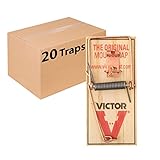
- EFFECTIVE MOUSE CONTROL: Designed specifically for mice traps indoor, this trap delivers a clean and instant kill; ideal for household use
- PRECISION TRIGGER SYSTEM: The snap mouse traps indoor pedal works with precision to immediately trigger the bar, providing quick rodent elimination
- TIME TESTED PERFORMANCE: Relied on for over 120 years, these Victor original wooden snap traps for mice are favored by both consumers and professionals for their consistent results
- REUSABLE MOUSE TRAPS: After a catch, choose the cleanup method that suits your needs best, whether you prefer to dispose of the rodent trap entirely or to reuse the trap
- SUSTAINABLY SOURCED MATERIALS: Made from FSC certified wood, these mouse traps indoor are made of materials harvested from responsibly managed forests
Never make DIY toxic bait, spread loose poison, or assume that a bait sold somewhere is approved for your yard. Poison can harm a pet or child that reaches it, and predators or scavengers can be harmed after eating poisoned rodents.
If a legal, label-approved bait program is necessary, follow every label direction, use a tamper-resistant bait station where poison bait is permitted, place it where children and pets cannot reach it, and remove dead rodents promptly. If any part of the label, local rule, or wildlife restriction is unclear, contact your local Extension office or a licensed wildlife or pest-control professional.
Repair the lawn after activity is under control
Do not spend time reseeding trails while voles are still actively using the area. Once you have stopped seeing fresh runways, open holes, clipping, or captures:
- Rake out dead or matted grass from former runways.
- Lightly loosen bare soil and reseed with an appropriate grass mix for your area and season.
- Water and establish the repair as you normally would.
- Keep the surrounding grass trimmed so returning vole activity is visible early.
Seasonal prevention checklist
- Before winter: Mow, remove weeds and debris, clean beneath bird feeders, and make sure young-tree guards are buried and tall enough for likely snow depth.
- After snowmelt: Inspect trunks, shrub bases, bulbs, and lawn edges before repairing turf. Look for fresh chewing as well as old runway scars.
- During the growing season: Check garden edges and thick cover for fresh runways. Shift traps quickly to places with current signs.
- After control seems successful: Continue monitoring. A quiet week is not proof that voles are gone for good, especially where nearby cover can serve as a source population.
When to call for local help
Get local guidance if you cannot confidently identify the animal, if several valuable trees have fresh bark damage, if activity spans a large property, or if you are considering any pesticide. Local Extension staff can help distinguish voles from moles and gophers and explain location-specific rules. A licensed professional is especially useful when severe damage, difficult access, pets, or wildlife concerns make a bait program risky.
The Tool Desk
Outbyte PC Repair FREERepair Windows errors before they cause bigger problemsFix Now →Outbyte Driver Updater FREEScan for outdated or missing drivers - takes under a minuteDriver Scan →Frequently Asked Questions
How do I know whether I have voles or moles?
Voles are short-tailed rodents that leave narrow surface runways through grass, mulch, or ground cover, often connecting small open burrow holes. Fresh clipping and greenish droppings support the diagnosis. Raised tunnels or mounds without these runways may point to a mole or gopher instead.
Also popular on Amazon

- 🐀【Reusable & Durable】The rat control is made of high-strength plastic ABS, which can be cleaned and is easy to remove peculiar smells and blood. A nail hole fixing clip is added to the tail to prevent displacement, guarantee mouse trap sensitivity, which can be used multiple times.
- 🐀【High Sensitivity & Quick Kill】 Best mouse traps for home adopts double spring design, strong bite force, compared with the original version mousetrap, the sensitivity and efficiency have been greatly improved, 0.025lbs can quickly trigger mouse snap trap. It does not take up space and can be placed flexibly.
- 🐀[Safe to Use] The new Human Power Mouse Killer non-toxic, safe, non-contact design, you can safely place the bait without worrying about getting your fingers caught. Say goodbye to ineffective pest control methods and protect your home from rats, mice, mouse, small mice, etc. It is recommended to use a small amount of peanut butter as a bait
- 🐀【Easy to Set Mouse Traps] Just put the bait in the bait cup and press the spring of rodent traps outside to complete the setting. You can use mouse traps indoors and outdoor. Do not touch the mice after setting, and keep them away from children, the elderly and pets to avoid injury.
- 🐀【Wide Applications】Our trap has the unique capability to catch both mice and small sized rats, suitable for both indoor and outdoor use, such as kitchen, living room, bathroom, warehouse, garden, garage etc.
Can I permanently get rid of voles?
No. Voles may keep returning from nearby dense vegetation, ditches, rock borders, or unmanaged neighboring ground. Habitat cleanup, trunk guards, and regular checks make damaging activity less likely and help you catch it early.
Do mouse traps work for voles?
Yes. Standard mouse snap traps are the appropriate size for localized vole trapping. Place them across active runways with the trigger in the travel path, use a protective cover, and check them every day.
Will vole trails ruin my lawn permanently?
Usually. Once there is no fresh activity, rake away matted grass, lightly prepare the bare spots, and reseed. The trails are commonly cosmetic, while bark damage to young trees needs more urgent attention.
Will an owl, cat, or other predator solve the problem?
Not by itself. Predators eat voles but generally cannot be counted on to reduce a residential population below damaging levels. Use habitat modification, exclusion, and trapping as the primary plan.
Should I use poison for voles?
Only consider a bait that is explicitly labeled and legal for vole control at your exact location, and follow its label completely. Keep it inaccessible to children and pets, use a tamper-resistant station where required or allowed, and remember that poisoned rodents can expose wildlife and scavengers.
The Bottom Line
For most yards, the dependable order is simple: confirm vole runways, remove dense cover and spilled seed, protect trunks, then use covered mouse snap traps in active paths. Keep monitoring afterward, because reinvasion—not a failed repair—is often what brings the problem back.





Leave a Reply