
Some links on this page are affiliate links: if you buy through them we may earn a commission, at no extra cost to you.
The safest way to help a rescue dog at the vet is to lower the intensity of the visit before it happens: choose a clinic that can accommodate fearful patients, practice cooperative handling in tiny steps, arrange “happy visits,” and tell the team exactly what your dog does when frightened. During the appointment, watch for early stress signals, pause before the dog escalates, and use a positively conditioned basket muzzle or veterinarian-prescribed medication when safety or medical care requires it. Fear is information, not disobedience, and forcing a dog through handling can make the next visit harder.
Why veterinary visits frighten some rescue dogs
A clinic combines several things that can overwhelm a dog: unfamiliar smells, slippery floors, barking or distressed animals, strangers leaning over the body, restraint, injections, and equipment touching sensitive areas. A rescue dog may also have an unknown history of painful treatment, poor socialization, transport stress, or previous forced handling. You cannot infer the cause from the dog’s label or adoption story. Treat the response as individual information about this dog, not as a character flaw.
As an Amazon Associate I earn from qualifying purchases.
What’s actually slowing this PC down?
Pick the symptom - the matching free tool is one click away.
Fear during veterinary care is common across the dog population. A 2019 study reported that 221 of 906 dogs—24.4%—were reported to show fear during all phases of a veterinary visit. A rescue dog may show fear without having been abused, and a dog with a difficult past may show little obvious warning until a particular trigger appears. Your plan should therefore be based on observable behavior and the medical task, not on assumptions about the dog’s history.
Fear can also be intensified by pain or illness. A normally tolerant dog that suddenly resists touch, snaps, or freezes needs veterinary assessment for a physical problem as well as a behavior plan. Tell the clinic about any bite, snap, escape attempt, or handling change before the appointment.
Popular on Amazon
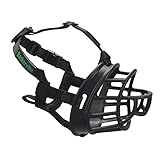
- DOGS CAN PANT AND DRINK: The Baskerville Ultra Muzzle PATENTED HUMANE DESIGN allows dogs to pant (when hot or stressed) and drink. SUITABLE FOR DAILY WALKS and longer periods of wear.
- SHAPE FOR CUSTOM FIT: Like a mouth-guard, the Ultra Muzzle can be HEAT SHAPED using warm water to fit DIFFERENT DOG NOSE SHAPES. See fitting guide for more info and to find the BEST SIZE for your dog.
- IDEAL FOR REACTIVE DOGS: you can TRAIN and REWARD treat your dog if they are reactive around other dogs, people or in new situations like the vet.
- STRONG & SAFE: Built with strong Thermo Plastic Rubber (TPR) the Ultra Muzzle is SAFE TO PREVENT BITES. Extra secure with LOCKABLE NECK STRAP CLIP, HEADSTRAP and COLLAR ATTACHMENT if needed.
- COMFORTABLE FIT: Comes in 6 sizes with PADDED STRAPS and NO METAL WORK ON DOGS FACE. Great for dog owners looking for SMALL, MEDIUM or LARGE sized dog muzzles.
Start by choosing a clinic that can work at your dog’s pace
Call before booking and describe the behavior in concrete terms: “She freezes when a stranger reaches over her,” “He growls when his paws are touched,” or “He has bitten during restraint.” Include known triggers, food preferences, transport problems, and any previous sedation or muzzle use. This gives the team time to plan rather than discovering the risk in the lobby.
Ask whether the practice uses Fear Free or Low Stress Handling principles. The labels matter less than the actual arrangements. A suitable clinic should be willing to slow down, reduce restraint, read canine body language, and change the sequence when the dog is overwhelmed.
Do these 3 things before closing this tab:
1Scan for outdated or missing drivers - takes under a minute2Clear out junk files and repair common Windows errors3Fix the driver behind crashes, sound loss and screen glitches| Clinic feature | What to ask for | Why it helps |
|---|---|---|
| Arrival route | Direct entry to an exam room, a side or back door, or permission to wait outside or in the car | Removes crowded-lobby exposure and reduces contact with unfamiliar animals |
| Scheduling | First or last appointment, a quiet period, or a longer appointment slot | Allows more time and fewer unpredictable encounters |
| Handling style | Minimal restraint, pauses between procedures, and movement at the dog’s pace | Prevents a manageable worry from becoming a panic response |
| Staff skills | Experience reading panting, rigidity, freezing, escape behavior, and other stress signals | Lets the team intervene before escalation |
| Safety options | Pre-visit medication, clinically appropriate sedation, and a muzzle plan | Maintains safety when examination or treatment cannot otherwise be completed |
| Owner participation | Whether you may remain present, feed treats, or help with familiar cues | Some dogs settle with their trusted person; others are calmer with less stimulation |
AAHA guidance recommends direct-to-room or side/back-door protocols for reactive patients, moving at the animal’s pace, and using staff who can recognize stress body language. If a clinic dismisses your disclosure, insists that fear is “bad behavior,” or cannot explain its safety plan, find another practice if your dog’s medical situation allows.
Build cooperative handling at home
Home practice should teach the dog that it can participate and that handling ends before discomfort becomes panic. Choose a quiet room, very small soft treats, and sessions lasting seconds rather than minutes. Work below the dog’s fear threshold: the dog can notice the touch, eat, and remain loose enough to choose whether to continue.
- Choose one body area. Start with a relatively easy area, such as the shoulder, rather than immediately reaching for a painful or highly sensitive paw or ear.
- Touch briefly. Place your hand on the area for a second, then remove it and feed. Do not pin the dog or follow if it moves away.
- Repeat only while the dog stays comfortable. Several successful one-second repetitions are more useful than one prolonged hold.
- Increase one variable at a time. Add a little duration, pressure, a new body area, or a mock veterinary object—not all of them together.
- Add realistic equipment gradually. Let the dog see and sniff a toy thermometer, stethoscope, towel, or collar touch, then pair the object with food. Keep the object stationary before pretending to use it.
- End with choice. Stop while the dog is still willing to participate. If it walks away, treat that as information and make the next repetition easier.
Cornell’s handling guidance is explicit: never force a dog to accept touch or handling; allow it to walk away when uncomfortable or unwilling. A dog that leaves is communicating before it needs to growl or snap. Respecting that signal protects trust and gives you a useful threshold for the next session.
Also popular on Amazon
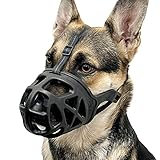
- The Only Muzzle You Need: Say goodbye to your old muzzle. The BARKLESS practical muzzle has features you need to prevent your dog from nipping, destroying, fighting and digging and eating everything while the basket-style design gives all-around mouth protection allowing your pet unrestricted drinking and panting. This muzzle for dogs make it the ideal choice for reactive dogs’ daily walks, occasional use, dog park socialization, grooming, vet visits, training, traveling, and walking
- Safe & Humane: Friendly dog muzzles are more pliable and softer, making them comfortable for the dog. Humane muzzle for dogs allow your dog to pant, drink and treat train while being worn with the uniquely designed bar spacing which forms the canine muzzle
- Easy to Use: Comfort-fit design for most sizes of breeds with adjustable head and neck straps allow you to quickly adjust the size to fit your dog, making it ideal for the puppy, small, medium, and large dogs. The twist on each side of the strap is part of a unique design, ensuring a better fit for your dog’s head shape. This is a thoughtful feature, not a defect, aimed at providing a more comfortable and secure fit
- Prevent Muzzle Slippage: An incorrect size, improper fit, or lack of muzzle training can cause the dog to remove the cage muzzle. Adjust the straps to ensure a snug fit—secure enough to keep the basket muzzle for dogs in place without causing discomfort. Check the head strap to prevent slippage. Refer to the included instructions to help your dog adjust to the dog muzzles to prevent biting
- Desensitizing Your Dog to a Muzzle: Many dogs may resist wearing cage muzzles for dogs initially, especially if they've never worn one before. To help them adjust, use gradual desensitization training—start with short periods and reward calm behavior. Over time, your dog will accept it as part of their routine
Use “happy visits” to separate the clinic from procedures
A happy visit is a short trip in which nothing painful or medically necessary happens. Call ahead so the staff can avoid a rush and agree on the stopping point. Progress only when the dog remains relaxed at the current step.
- Begin with treats in the car or at home near the departure routine if getting into the car is itself difficult.
- Drive to the clinic, stay in the car or parking area, feed, and leave before anxiety rises.
- Ask one staff member to greet the dog outside, sideways and without reaching over its head. The dog may decline contact.
- When the outside step is easy, enter briefly, feed, and exit. Avoid the scale, treatment rooms, and restraint at first.
- Later, walk to an exam room, feed, and leave. A staff member can touch an easy body area only if the dog voluntarily remains engaged.
These visits are not a test of obedience. If the dog stops eating, scans constantly, trembles, or tries to escape, the step is too difficult. Return to the last comfortable location or end the session. Cornell notes that refusal of food often means stress is already too high for learning at that moment.
Prepare a predictable arrival
Pack small, high-value treats that your dog already eats safely. A frozen-fillable hollow treat dispenser or textured lick mat may help deliver familiar spreadable food while waiting or during a procedure, but ask the veterinarian whether the food and licking activity are appropriate for the dog’s condition and the planned treatment.
Before leaving home, confirm the clinic’s agreed route and arrival time. On arrival:
- Keep the leash secure but loose; avoid tightening it continuously or forcing the dog toward people.
- Use the car or an outdoor location instead of the lobby if the clinic permits it.
- Request direct entry to an exam room when possible.
- Keep distance from other animals and do not allow greetings that your dog did not choose.
- Tell staff immediately if the dog has stopped eating, begun scanning, or changed from loose movement to rigidity.
Bring familiar bedding only if the clinic approves it and it will not interfere with sanitation. Use the same calm cues and reward pattern practiced at home. Predictability is more valuable than trying to distract a panicking dog with a large quantity of food.
Also popular on Amazon
- The Only Muzzle You Need: Say goodbye to your old muzzle. The BARKLESS practical muzzle has features you need to prevent your dog from nipping, destroying, fighting and digging and eating everything while the basket-style design gives all-around mouth protection allowing your pet unrestricted drinking and panting. This muzzle for dogs make it the ideal choice for reactive dogs’ daily walks, occasional use, dog park socialization, grooming, vet visits, training, traveling, and walking
- Safe & Humane: Friendly dog muzzles are more pliable and softer, making them comfortable for the dog. Humane muzzle for dogs allow your dog to pant, drink and treat train while being worn with the uniquely designed bar spacing which forms the canine muzzle
- Easy to Use: Comfort-fit design for most sizes of breeds with adjustable head and neck straps allow you to quickly adjust the size to fit your dog, making it ideal for the puppy, small, medium, and large dogs. The twist on each side of the strap is part of a unique design, ensuring a better fit for your dog’s head shape. This is a thoughtful feature, not a defect, aimed at providing a more comfortable and secure fit
- Prevent Muzzle Slippage: An incorrect size, improper fit, or lack of muzzle training can cause the dog to remove the cage muzzle. Adjust the straps to ensure a snug fit—secure enough to keep the basket muzzle for dogs in place without causing discomfort. Check the head strap to prevent slippage. Refer to the included instructions to help your dog adjust to the dog muzzles to prevent biting
- Desensitizing Your Dog to a Muzzle: Many dogs may resist wearing cage muzzles for dogs initially, especially if they've never worn one before. To help them adjust, use gradual desensitization training—start with short periods and reward calm behavior. Over time, your dog will accept it as part of their routine
Recognize the threshold before fear becomes a bite
AAHA lists panting, trembling, rigid muscles, lip or nose licking, yawning, freezing, pacing, hiding, escape attempts, a lowered head or body, tucked tail, scanning, hypervigilance, and appetite changes as distress signals. Dogs may show several at once or move quickly from subtle signs to defensive behavior.
| What you see | What it can mean | What to do |
|---|---|---|
| Lip licking, yawning, turning away, reduced interest in food | Early discomfort or rising arousal | Pause, increase distance, and simplify the next step |
| Panting without heat or exercise, trembling, rigid posture | The current procedure or environment may be overwhelming | Stop handling and ask the team to reassess the plan |
| Freezing, hiding, crouching, tucked tail | The dog may be unable to choose flight and may defend itself if approached | Do not reach over or drag the dog; give space and allow recovery |
| Scanning, pacing, repeated escape attempts | Hypervigilance and an attempt to create safety | Move to a quieter area or end the nonessential part of the visit |
| Growling, snarling, air snapping, or biting | A clear request for distance and a safety warning | Stop, secure the area, and let trained staff decide the safest next step; never punish the growl |
A growl is communication, not a challenge to win. Punishing it can suppress the warning without removing the fear, leaving a bite with less notice next time. Tell the team exactly what happened and increase distance immediately.
Train a basket muzzle before you need one
A basket muzzle can be humane safety equipment when a dog has bite risk or a procedure is invasive. It should allow panting, drinking, and the delivery of treats. Ask the veterinarian to help select an appropriate style and fit; the correct size and design depend on the dog and the intended use.
Condition the muzzle at home, well before the appointment:
The Tool Desk
Outbyte PC Repair FREERepair Windows errors before they cause bigger problemsFix Now →Outbyte Driver Updater FREEFix the driver behind crashes, sound loss and screen glitchesFind Drivers →- Show the muzzle, feed a treat, and put it away.
- Hold a treat through the basket so the dog voluntarily places its nose inside. Remove the muzzle while the dog is still comfortable.
- Repeat until the dog eagerly inserts its nose, then briefly touch the straps without fastening.
- Fasten for one or two seconds, feed continuously, and remove it. Increase duration in small increments over multiple sessions.
- Practice walking, sitting, and receiving easy treats while wearing it. Stop before pawing, frantic rubbing, freezing, or escape behavior appears.
The goal is a positive association with food and good outcomes, not simply tolerating forced placement. Cornell notes that proper conditioning can reduce the need for heavy restraint. Do not put an unfamiliar muzzle on a panicking dog unless an immediate emergency makes it necessary and trained professionals direct the response.
Also popular on Amazon
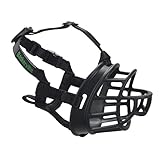
- DOGS CAN PANT AND DRINK: The Baskerville Ultra Muzzle PATENTED HUMANE DESIGN allows dogs to pant (when hot or stressed) and drink. SUITABLE FOR DAILY WALKS and longer periods of wear.
- SHAPE FOR CUSTOM FIT: Like a mouth-guard, the Ultra Muzzle can be HEAT SHAPED using warm water to fit DIFFERENT DOG NOSE SHAPES. See fitting guide for more info and to find the BEST SIZE for your dog.
- IDEAL FOR REACTIVE DOGS: you can TRAIN and REWARD treat your dog if they are reactive around other dogs, people or in new situations like the vet.
- STRONG & SAFE: Built with strong Thermo Plastic Rubber (TPR) the Ultra Muzzle is SAFE TO PREVENT BITES. Extra secure with LOCKABLE NECK STRAP CLIP, HEADSTRAP and COLLAR ATTACHMENT if needed.
- COMFORTABLE FIT: Comes in 6 sizes with PADDED STRAPS and NO METAL WORK ON DOGS FACE. Great for dog owners looking for SMALL, MEDIUM or LARGE sized dog muzzles.
Discuss medication and sedation before the appointment
If your dog cannot eat, freezes, escalates, or cannot be examined during practice or a previous visit, contact the veterinarian before the appointment. Cornell says pre-visit anti-anxiety medication helps some dogs. The veterinarian must choose the drug, timing, dose, and monitoring plan for the individual dog, taking into account age, health, current medicines, and the planned procedure.
Medication is not a substitute for a low-stress setup. ASPCA guidance states that medication should be individualized, monitored, and paired with behavior modification and low-stress handling; medication without behavior modification may still be beneficial for stressful events such as transport or medical examinations. Never give a human medication or another animal’s prescription, and do not change a prescribed dose without veterinary direction.
For an urgent or medically necessary procedure that cannot be completed safely while the dog is awake, ask whether sedation is the humane option. Sedation is a clinical decision, not a punishment. Ask what monitoring will be used, what preparation is required, and how the team will reduce fear before and after the medication takes effect.
Recommended Free Tools
Follow a stop rule during the examination
Agree on a stop rule with the veterinary team before handling begins. For example, the team may pause after a sudden freeze, repeated escape attempts, a growl, or a failed attempt to deliver a necessary treatment. A pause can mean moving to a quieter room, changing the handler, offering a break, using a different position, postponing a nonurgent item, or proceeding with medication.
- Start with observation. Let the dog enter, sniff, and orient without immediate reaching.
- Do the least intrusive tasks first. A visual examination and reward may be possible before touching paws, ears, mouth, or a painful area.
- Use consent where practical. Offer a hand to sniff, invite the dog onto a mat, and pause when it turns away or withdraws.
- Reassess continuously. Food refusal, rigidity, or escalating vocalization means the current plan is no longer below threshold.
- Protect safety. Keep bystanders and other animals away, and follow the team’s plan for a muzzle or additional trained personnel.
- Decide whether to continue. Complete what is essential, postpone what is not, or use veterinarian-directed sedation rather than forcing a dangerous struggle.
AAHA cautions that rushing can cause delays or intractability at a later visit. A shorter, safer appointment may produce better medical access over the dog’s lifetime than completing every nonurgent task through escalating fear.
Also popular on Amazon
- DOGS CAN PANT AND DRINK: The Baskerville Ultra Muzzle PATENTED HUMANE DESIGN allows dogs to pant (when hot or stressed) and drink. SUITABLE FOR DAILY WALKS and longer periods of wear.
- SHAPE FOR CUSTOM FIT: Like a mouth-guard, the Ultra Muzzle can be HEAT SHAPED using warm water to fit DIFFERENT DOG NOSE SHAPES. See fitting guide for more info and to find the BEST SIZE for your dog.
- IDEAL FOR REACTIVE DOGS: you can TRAIN and REWARD treat your dog if they are reactive around other dogs, people or in new situations like the vet.
- STRONG & SAFE: Built with strong Thermo Plastic Rubber (TPR) the Ultra Muzzle is SAFE TO PREVENT BITES. Extra secure with LOCKABLE NECK STRAP CLIP, HEADSTRAP and COLLAR ATTACHMENT if needed.
- COMFORTABLE FIT: Comes in 6 sizes with PADDED STRAPS and NO METAL WORK ON DOGS FACE. Great for dog owners looking for SMALL, MEDIUM or LARGE sized dog muzzles.
What to do if the visit becomes unsafe or impossible
If the dog cannot be examined without escalating, ask the veterinarian which parts are medically urgent and which can wait. Request a written plan for the next attempt: home handling exercises, a happy-visit step, pre-visit medication, a muzzle-conditioning goal, or a sedation appointment. Record what happened while details are fresh, including the trigger, the dog’s earliest signal, what helped, and what made things worse.
Do not scold, alpha-roll, pin, or repeatedly rehearse the same failed procedure. Those responses can increase fear and suppress useful warnings. If a bite occurred, follow the clinic’s injury and reporting procedures and disclose the incident to every future provider.
Free tools Windows power users keep installed
One-click scans. No signup required.
Make the next visit easier
After the appointment, give the dog a quiet recovery period. Offer water and normal food unless the veterinarian gives different instructions, and avoid stacking another stressful event immediately afterward. Continue short, successful handling sessions rather than stopping all practice until the next crisis.
Share the visit record with any new clinic: the route used, waiting arrangement, successful treats, handling positions, muzzle status, medication response, and procedures that could not be completed. Consistent information prevents the next team from repeating an avoidable trigger.
How to compare clinics for a fearful rescue dog
Use the following questions when interviewing practices. The best choice is the one that can meet your dog’s medical needs while adapting handling and logistics, not necessarily the clinic with the most convenient location.
| Question | Good evidence in the answer |
|---|---|
| Can we avoid the lobby? | Direct-to-room, side-door, outdoor, or car-waiting options are clearly explained. |
| What happens if my dog freezes or growls? | Staff describe pausing, increasing distance, and reassessing rather than punishment. |
| How do you handle a bite history? | The practice requests advance details and has a documented safety plan. |
| Can you provide pre-visit medication or sedation? | A veterinarian reviews the dog’s history and explains individualized monitoring. |
| Can I stay with my dog? | The clinic explains when owner presence helps and when a quieter arrangement is safer. |
| How do you introduce restraint or a muzzle? | The team supports positive conditioning and uses the least restraint compatible with safety. |
Ask for the first or last appointment if those times are quieter, but confirm that the clinic can still provide the staffing and equipment your dog needs. A quiet schedule helps only when paired with skilled handling and a realistic medical plan.
Windows Errors? Fix Them Before They Spread
Repair common Windows errors and clear accumulated junk for a smoother, more stable PC - no reinstall needed.Free scan · no reinstallOutdated Drivers Are Slowing You Down
One free scan finds every outdated or missing driver and matches the right update for your exact hardware.Free scan · exact hardware matchKey safety boundaries
- Fear, aggression, pain, and trauma cannot be diagnosed from a brief behavior description.
- Any bite history requires advance disclosure and a veterinary safety plan.
- A muzzle does not make forced handling safe or eliminate the need to monitor stress.
- Medication choice, dose, timing, muzzle fit, and restraint technique must be individualized by veterinary professionals.
- If behavior changes suddenly, ask the veterinarian to investigate pain or illness.
A rescue dog does not have to enjoy veterinary handling to receive good care. The practical goal is a predictable process in which the dog’s early signals change what people do: more distance, fewer triggers, shorter steps, and medical support when necessary. That approach protects the dog, the veterinary team, and your ability to obtain care at the next visit.





Leave a Reply