
The safest way to help cats accept one another is a gradual introduction: separate them first, exchange scent, pair the other cat with food or play, add protected visual contact, and allow brief supervised time together only while both remain relaxed. The realistic goal is peaceful coexistence, not guaranteed friendship. Some cats will choose distance, some need weeks to adjust, and a few cannot share a home safely.
What success looks like
“Like” does not have to mean sleeping together or grooming one another. A successful introduction is a home in which both cats can eat, drink, sleep, use litter boxes, play, and move around without persistent fear, blocking, chasing, or injury. They may still keep separate resting places.
As an Amazon Associate I earn from qualifying purchases.
There is no reliable deadline or guaranteed friendship outcome. ASPCA guidance describes a slower reintroduction as taking several days to a few weeks, but the cats’ behavior—not a calendar—should determine when you advance.
What’s actually slowing this PC down?
Pick the symptom - the matching free tool is one click away.
Before you begin: make the situation safe
- Check health first. A sudden change in behavior, unusual physical symptoms, or a cat that stops eating warrants prompt veterinary attention. Pain or illness can make a normally tolerant cat defensive.
- Plan for separation. You need a room or area where the newcomer can settle behind a closed door and where both cats can retreat without being cornered.
- Remove pressure to interact. Do not carry one cat toward the other, hold them nose-to-nose, or expect them to “work it out.” ASPCA states: “Cats don’t resolve their issues through fighting, and the fighting usually just gets worse.”
- Watch behavior, not just noise. A quiet cat can still be frightened if it freezes, hides, avoids food, or will not use its litter box.
Step 1: Choose for compatibility, not appearance
Assess the resident cat
Consider the resident cat’s personality, history with other cats, age, activity level, and tolerance for change. A confident, social cat may accept a companion more readily than a cat that has always avoided other animals, but this is a starting assessment rather than a prediction.
#1 Best Overall
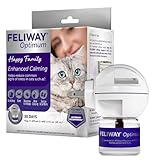
- HELPS REDUCE SIGNS OF STRESS USING A PATENTED PHEROMONE: FELIWAY Optimum is an advanced cat pheromone diffuser that helps reduce signs of stress in cats and helps ease tension between cats.*
- HELPS CATS FEEL CALM IN EVERYDAY SITUATIONS: FELIWAY Optimum is a cat calming diffuser that helps reduce stress‑related behaviors like urine spraying, scratching, hiding, and fearful reactions to change. Cat parents reported noticeable reductions in these behaviors, including a 77% reduction in urine spraying.
- SUPPORTS HARMONY IN MULTI‑CAT HOMES: Helps promote calmer interactions between cats. 72% of cat parents noticed reduced tension between their cats
- SAFE** AND NON-SEDATING: FELIWAY Optimum is not a sedative. It’s safe for use around cats, kittens, people and other pets.
- CONTINUOUS CALMING SUPPORT: This plug‑in cat pheromone diffuser provides 24/7 support when used as directed. To get started, plug into an open outlet with the vents pointed upward, allow at least 4 feet of clearance, and follow the label instructions.
Assess the prospective companion
Look for a household fit rather than assuming that a kitten, a particular coat, or a similar appearance will guarantee acceptance. The Humane Society of the United States advises choosing for the needs and temperament of the household. Match activity and interaction preferences as thoughtfully as possible, and be prepared for a slower process if either cat is cautious.
Set the right decision rule
Proceed only if you can maintain separate spaces for as long as necessary. If a rescue, foster carer, or veterinarian can describe the cat’s behavior around other cats, use that information to identify likely challenges before bringing the cats together.
Step 2: Prepare a separate home base
Set up the newcomer’s room
Before the newcomer arrives, provide a closed room with its own food, water, litter tray, comfortable resting places, and hiding options. Include safe places both at floor level and, where practical, above the floor. The room should allow the cat to retreat rather than be exposed in the middle of the home.
Keep the door closed while the cat settles
Start with complete separation. The newcomer needs time to learn the room, eat, drink, rest, and use the litter tray without meeting the resident cat. International Cat Care’s 2024 guidance on caring for a new kitten emphasizes settling the newcomer separately and protecting the resident cat’s territory and routine.
Make exits and handling easy
Arrange furniture and supplies so you can enter, leave, refresh bowls, and clean the litter tray without trapping the cat. Do not use the room as a forced meeting point; it is a calm base from which later introductions can progress.
Step 3: Keep the resident cat’s life predictable
Leave the resident cat’s familiar beds, bowls, litter trays, scratching areas, and resting locations in place. Keep its usual feeding schedule and normal attention as consistent as possible. Moving all of the resident’s belongings to make space for the newcomer can make the change feel like a loss of territory.
Rank #2

- Complete Calming Solution: This cat calming diffuser kit includes diffusers and refills (48mL per bottle). Each refill delivers a 30-day supply of continuous support to help ease your cat’s anxiety. Ideal for addressing stress triggered by vet visits, traffic noise, fireworks, thunderstorms, or loneliness, this cat pheromone calming diffuser creates a safe and serene environment for felines of all ages and breeds
- Effective Stress & Behavior Support: Our cat pheromone diffuser works to reduce common signs of feline stress such as excessive scratching, urine spraying, hiding, and restlessness. By mimicking natural feline pheromones, this cat calming diffuser provides gentle, drug-free relief, making it a reliable choice for multi-cat households or cats experiencing tension during home changes or new pet introductions
- Long-Lasting & Wide Coverage: Each refill of the cat calming diffuser releases calming pheromones for up to 30 days, with coverage for areas up to 700 square feet. The diffuser features an automatic operation with a simple press of a button, and proper placement (vents facing up) ensures optimal performance and leak prevention, maximizing the effectiveness of your cat diffuser
- Safe & Non-Toxic Formula: The cat pheromone calming diffuser uses an odorless, non-toxic, and chemical-free formula that is safe for both humans and pets. Unlike harsh treatments, this cat calming diffuser does not cause drowsiness and poses no risk to your cat’s health, making it a trusted choice for daily use in any living space
- Easy to Use & Maintain: Setting up the cat calming diffuser is effortless—simply plug it into a standard outlet, keep the bottle upright, and press the button to activate. The heated diffuser and refill system operates quietly and continuously, requiring minimal maintenance; just replace the refill every 30 days to maintain consistent calming support for your feline friend
Give the resident cat ordinary play and quiet time on its normal schedule. Avoid making every interaction revolve around the newcomer. Predictability lowers the number of changes the resident must process while it learns that another cat is nearby.
Do these 3 things before closing this tab:
1Clear out junk files and repair common Windows errors2Scan for outdated or missing drivers - takes under a minute3Repair Windows errors before they cause bigger problemsDo not allow the newcomer to take over the resident cat’s preferred resources during the separation period. Instead, prepare additional resources for the new cat in its own room.
Step 4: Let them learn each other’s scent safely
Exchange scent-bearing items
Swap bedding, blankets, or another item that carries each cat’s ordinary scent. Place the item in the other cat’s area without pushing it toward the cat’s face. The purpose is familiarization at a distance, not a test of tolerance.
Read the response
If a cat investigates briefly and then returns to normal activity, the exposure is probably manageable. If it becomes tense, hides, growls, or refuses food, remove or increase the distance from the item and wait before trying again. International Cat Care and the Humane Society both describe scent exchange as an early part of a gradual introduction.
Progress in small increments
Repeat exchanges only while both cats remain able to eat, rest, and behave normally. You can also let each cat explore the other’s area at separate times, with the cats still physically apart, when both are comfortable with the scent stage.
Recommended Free Tools
Step 5: Pair the other cat’s presence with something positive
Use a closed door as the first meeting place
Offer meals, treats, or a favorite play activity on opposite sides of the closed door. Begin at a distance where both cats will eat or play without staring, growling, or retreating. This teaches each cat that the smell and sounds of the other predict something worthwhile.
Rank #3

- HELPS REDUCE COMMON SIGNS OF TENSION BETWEEN CATS: FELIWAY MultiCat, developed by the #1 vet recommended brand, helps reduce common signs of tension between cats such as: conflict, fighting, chasing, and blocking
- ENHANCED CALM AT HOME FOR MULTICAT HOUSEHOLDS: FELIWAY MultiCat plug-in diffuser uses the science of pheromones to send calming messages that mimic a mother cat’s natural pheromones to help reduce tensions & conflicts. 84% of cat owners saw significant improvement in conflict between cats when using FELIWAY MultiCat
- DRUG FREE & SAFE TO USE: FELIWAY diffusers are drug-free, non-sedating, and while cat pheromone analogs may help your cat, they won't affect humans or other pets
- PROVIDES 4 WEEKS OF CALMING SUPPORT: With just one refill, the diffuser offers up to 30 days of continuous calming benefits, helping your cat feel calmer
- COVERS LARGE LIVING SPACES: Each diffuser covers an area up to 700sqft, ensuring widespread calming support throughout your home for cats of all ages. To get started, simply plug your diffuser into an open outlet with 4+ feet of space to diffuse, with the vents pointed upward
Adjust the distance instead of insisting
If either cat becomes tense, move the food or activity farther from the door, shorten the session, or pause for the day. A cat that will not eat is too distressed for that distance. Resume at an easier level rather than trying to overcome the reaction.
Keep sessions ordinary
Use the cats’ normal food and play routines. Do not withhold meals to make them hungry enough to tolerate one another, and do not use treats to lure a cat into a situation it is trying to escape.
Step 6: Add brief visual contact through a secure barrier
Choose a protected view
When both cats can remain relaxed near the closed door, allow them to see one another through a partly opened door or another secure barrier. The opening must prevent either cat from rushing through, reaching the other, or becoming trapped.
Keep the first looks easy
Offer food or play while they see each other, but keep the cats far enough apart to remain calm. End the session before either cat escalates. A barrier is a management tool, not a reason to force the cats closer.
Return to the closed door when needed
Hissing, growling, spitting, swatting at the barrier, prolonged staring, or frantic retreat means the visual exposure is too difficult. Close the door and repeat scent or closed-door positive sessions until both cats are settled again.
Step 7: Gradually shorten the distance
Change one variable at a time
Increase access or reduce the distance only after repeated calm sessions. Keep feeding or play associated with the exposure, and move the bowls, toys, or barrier in small adjustments rather than making a sudden change.
Rank #4

- Help Your Cat Feel Safe Again: Create a calmer, more comfortable home with advanced calming pheromone technology that helps reduce common signs of stress including hiding, scratching, urine spraying, conflicts between cats, and nervous behavior. Ideal for everyday emotional support
- Continuous 120-Days Comfort: Each refill delivers calming support for up to 30 days when used continuously, package include: 2 diffusers, 4 refills. Designed to cover rooms up to approximately 750 sq ft, making it perfect for bedrooms, living rooms, and multi-cat households
- Supports Positive Everyday Behavior: Whether introducing a new pet, moving into a new home, welcoming visitors, or dealing with loud noises such as fireworks or thunderstorms, the diffuser helps cats feel more secure and adapt to changes more comfortably
- Easy Plug-In, No Daily Effort: Simply plug the diffuser into an open wall outlet and let it work around the clock. No sprays, no pills, no complicated routines—continuous calming support with minimal maintenance
- Trusted Care for Cats of Every Age: Suitable for kittens, adult cats, senior cats, and multi-cat families. Designed to support a peaceful home environment while helping strengthen the bond between cats and their owners
Keep sessions brief and supervised
Several short successes are more useful than one long session that ends in a chase. Stay present, keep an unobstructed way to separate the cats, and stop while both are still coping well.
Crashes, No Sound, or Screen Glitches?
Random freezes, missing sound and display glitches usually trace back to one bad driver. Find and replace yours safely.Free scan · under a minutePC Slower Than It Used to Be?
A free scan shows the junk files, broken settings and background clutter dragging Windows down - then fixes them in one click.Free scan · Windows 10 & 11Let behavior set the pace
Some pairs move through this stage quickly; others need many repetitions. Do not advance because a certain number of days has passed. Advance when both cats can eat, play, or calmly observe without escalating.
Step 8: Try short, supervised time in the same room
Prepare the room
Choose a space with hiding places, elevated resting options, and more than one route away. Remove situations in which one cat could block the other against a wall, doorway, or piece of furniture. Have a plan for separating them without putting your hands between fighting cats.
Make the interaction positive but optional
Use food or play to create a calm activity, while allowing each cat to disengage. Do not make them share one bowl, one bed, or one toy. Let them look away, move to a perch, or return to a retreat.
Separate after the session
Early same-room meetings should end while they are still calm, then the cats should return to their separate areas. Repeat and lengthen access only when previous sessions have remained peaceful.
Step 9: Expand shared access while reducing competition
Distribute essential resources
Provide multiple, identical food bowls, beds, and litter boxes in different areas. Add separate scratching places, hiding spots, and elevated resting locations. A cat should be able to reach a resource without having to pass a rival or challenge it for access.
Best Value

- Valua Pack – This cat pheromone diffuser set includes 3 pack, making it easier to provide a calming environment in multiple rooms or for multiple cats.
- SUITABLE FOR CATS OF ALL AGES – Designed for kittens, adult cats, and seniors, this diffuser helps create a soothing atmosphere. For optimal performance, replace the diffuser head every six months.
- LONG-LASTING SUPPORT – Each refill vial provides continuous use for up to 30 days. The diffuser is odorless, making it a great choice for households sensitive to scents.
- VISIBLE RESULTS IN TWO WEEKS – Many cat owners notice a reduction in common unwanted behaviors such as excessive grooming, meowing, or restlessness within two weeks of use. Individual results may vary.
- EASY TO USE – Simply plug the diffuser into a standard electrical outlet to begin releasing calming pheromones throughout your home. Its compact design makes it suitable for travel or temporary environmental changes.
| Resource | Helpful arrangement | What to observe |
|---|---|---|
| Food and water | Place bowls in separate areas rather than making both cats eat shoulder to shoulder. | Each cat can eat and drink without staring, guarding, or being displaced. |
| Litter boxes | Distribute boxes so one cat cannot control the only route or box. | Both cats use them normally; neither waits, avoids, or eliminates elsewhere. |
| Beds and resting places | Offer several beds and quiet resting areas at different locations. | Each cat can rest without being chased away. |
| Hiding places | Provide retreats with more than one practical way out where possible. | A hiding cat can leave without being cornered. |
| Vertical space | Use secure elevated perches, including a multi-level cat tree if it fits the home. | Both cats can climb, rest, and pass without one controlling the only high spot. |
Why litter-box placement matters
ASPCA’s litter-box guidance notes that one cat may control access to a box, and conflict-related stress can make another cat avoid it. Separate, accessible boxes reduce the need to confront another cat at a vulnerable moment. Clean and secure every box appropriately for the household.
Expand territory in stages
Open additional rooms gradually rather than giving unrestricted access immediately. Continue to preserve each cat’s retreat and keep enough separate resources available even after the cats spend more time together.
Step 10: Pause, reset, or get professional help when they struggle
Recognize escalation
| Sign | Immediate response |
|---|---|
| Growling, spitting, or hissing | End the exposure, separate the cats safely, and return to an earlier step. |
| Swatting, chasing, or rushing the barrier | Increase distance and use closed-door or scent work until both cats are calm. |
| Blocking a doorway, bowl, resting place, or litter box | Rearrange resources and routes so the other cat can reach necessities without confrontation. |
| Hiding, freezing, refusing food, or avoiding the litter box | Stop advancing; restore a quiet separate area and contact a veterinarian if the change persists or is sudden. |
Separate without creating another injury
Do not put your hands between cats or grab an agitated cat. Use a door, a large object that safely blocks sight, or another preplanned barrier to create space, then let each cat settle separately. Once calm, restart at the last stage that both cats handled successfully—or an easier one.
The Tool Desk
Outbyte Driver Updater FREEFix the driver behind crashes, sound loss and screen glitchesFind Drivers →Outbyte PC Repair FREERepair Windows errors before they cause bigger problemsFix Now →Know when home management is not enough
Ask a veterinarian about sudden behavior changes, unusual physical symptoms, or a cat that stops eating. For persistent attacks, repeated injuries, or conflict that does not improve with a slower reintroduction, seek a qualified behavior professional. A professional can help identify resource guarding, fear, pain, or environmental routes that are maintaining the conflict.
When can cats stay together unsupervised?
ASPCA advises waiting until the cats can peacefully eat and play close to one another. Even then, begin with short unsupervised periods and increase them gradually. Keep separate resources and retreat options available; peaceful behavior during one supervised session does not guarantee that a longer period will be trouble-free.
Continue monitoring after access expands. A new conflict can follow a move, illness, a resource change, or another stressful event. If tension returns, separate the cats and resume the last successful stage rather than allowing repeated confrontations.
Common mistakes that slow introductions
- Opening the door too soon: A single calm scent exchange does not mean the cats are ready for direct contact.
- Forcing a greeting: Carrying, restraining, or pushing cats together removes their ability to retreat and can make fear stronger.
- Letting them fight it out: Fighting generally worsens the conflict and can cause injuries or lasting fear.
- Using one shared resource: A single bowl, bed, litter box, or high perch can become a point of control.
- Ignoring the resident cat’s routine: Removing familiar resources or attention can add territorial stress.
- Advancing by the calendar: The appropriate pace is the one at which both cats remain relaxed, whether that takes days or weeks.
- Stopping supervision too early: Cats need a demonstrated pattern of peaceful eating and play before unsupervised access is tested.
The practical standard to use each day
Before moving forward, ask whether both cats can eat, rest, play, and use their facilities while the other cat is present or nearby. If yes, make only a small change and observe. If no, create more distance, restore separate access, and repeat an easier step. This adjustable process protects safety while giving the cats repeated chances to learn that sharing a home does not require constant contact.
Quick wins for a faster PC:
Repair Windows errors before they cause bigger problemsFix Now →Fix the driver behind crashes, sound loss and screen glitchesFind Drivers →Quick Recap
Product prices and availability are accurate as of the date/time indicated and are subject to change. Any price and availability information displayed on Amazon at the time of purchase will apply.





Leave a Reply