After a long walk, hike, run, swim, or outdoor sports day, stop strenuous activity, move your dog to a cool shaded place, and offer access to clean water. Let an alert dog rest while you check its paws, coat, breathing, and gait. Ordinary fatigue can follow prolonged or intense exercise, but constant panting, weakness, stumbling, vomiting, confusion, collapse, or other unusual signs may indicate heat-related illness or injury rather than normal tiredness. Treat those signs as urgent and contact a veterinary hospital promptly.
First 10 minutes after the outing
Recovery starts with removing the demands that caused fatigue. End the activity, take off a harness or pack, and guide your dog to shade or an air-conditioned area with good ventilation. Keep the dog calm and prevent another burst of running, chasing, or jumping.
As an Amazon Associate I earn from qualifying purchases.
- Observe before handling. Note whether your dog is alert, able to stand and walk normally, and responding to you. Look at breathing effort, gum color, coordination, and behavior.
- Offer clean water. Place fresh water within easy reach. Let the dog drink voluntarily; do not force water into its mouth.
- Cool the environment. Use shade, airflow, and a cool room. If you suspect heat illness, follow the emergency steps below rather than waiting for rest alone to work.
- Inspect the body. Check each paw, between the toes, the pads, nails, ears, armpits, and coat for cuts, thorns, foxtails, burrs, ticks, swelling, or hot-surface burns.
- Reassess after settling. A tired dog should remain responsive and gradually become more comfortable. Worsening, persistent, or disproportionate signs need veterinary advice.
Merck Veterinary Manual describes fatigue as a normal consequence of sustained high-intensity or prolonged exercise, but it also emphasizes conditioning and veterinary oversight for demanding work. See Merck’s guidance on fatigue and exercise in dogs.
Normal post-exercise fatigue versus a problem
| More consistent with ordinary fatigue | Needs prompt veterinary assessment |
|---|---|
| The dog is alert, recognizes you, and can stand or walk without stumbling. | Confusion, disorientation, collapse, seizures, or inability to stand. |
| Panting eases as the dog rests in a cool place. | Constant or excessive panting, labored breathing, or panting that does not settle. |
| The dog accepts small drinks and rests comfortably. | Repeated vomiting, diarrhea, weakness, or inability to keep water down. |
| Gait is normal apart from being slower after exertion. | Stumbling, incoordination, marked reluctance to continue, or a new limp. |
| No obvious injury is visible on paws, skin, or coat. | Blisters, pad discoloration, severe pain, draining sores, or a suspected embedded object. |
These categories are practical observations, not a diagnosis. A dog can have heat illness and still be standing, or have a painful paw injury without dramatic breathing changes. When your instinct says the response is abnormal for that individual dog, call a veterinarian.
#1 Best Overall

- Foldable Creative Design: The foldable dog water dispenser holds more water and provides a larger drinking trough while saving space. Note: Do not place the water bottle in the dishwasher or other ultra-high temperature environment
- Double Leak-proof Design: The portable dog water bottle comes with silicone rubber sealing rings and waterproof keys, the perfect solution for leaking water.
- Controlling the Water: The simple one-touch release function allows easy control of the amount of water dispensed. The specially designed valve will deliver almost all the water into the bottle.
- Easy to Carry - the nylon lanyard makes it easy to carry and the reasonable size of the bottle makes it easy to put in your bag, perfect for walks and short trips.
- Safe & Healthy: 19OZ water bottle for puppy small medium large dog and small animal Guinea Pig, Ferret, Hamster, Bunny is made from high quality food-grade materials and is eco-friendly and environmentally friendly. Completely removable and easy to clean.
Look at the whole pattern rather than one sign in isolation. A dog that is sleepy but responsive, breathing more quietly as it rests, and walking normally is different from a dog that is quiet because it is weak or confused. Compare the dog with its own usual behavior after exercise. If you cannot tell whether the change is ordinary, a telephone call to a veterinary clinic is safer than waiting for a clearer crisis.
Suspected heat illness is an emergency
Heat-related illness can develop during exertion, even when the day does not feel extremely hot. Running, climbing, swimming, or organized sports can generate enough heat to overwhelm a dog’s ability to cool itself. Short-muzzled, older, overweight, thick- or dark-coated dogs and dogs with respiratory or cardiac disease have increased risk, but any dog can be affected.
Warning signs reported by Cornell, AAHA, and the 2026 RECOVER first-aid guideline include:
Free tools Windows power users keep installed
One-click scans. No signup required.
- Heavy, constant, or excessive panting
- Thick or rope-like drool
- Unusual reluctance to continue, lying down during activity, or sudden weakness
- Stumbling, incoordination, confusion, or disorientation
- Vomiting or diarrhea, including bloody diarrhea
- Abnormal gum color, a rapid or irregular heartbeat, seizures, or collapse
If any of these signs follow exertion, stop the activity immediately. Move the dog to a cooler environment, begin appropriate active cooling when feasible, and contact or travel to a veterinary hospital without delay. The RECOVER guideline notes that the best cooling method and exact point at which to stop cooling have not been adequately studied in dogs and cats, so do not improvise a human heatstroke protocol or delay transport while trying to achieve a particular temperature. Cornell’s heatstroke emergency guidance and AAHA’s warning-sign and response guidance both stress immediate veterinary care.
During transport, keep the vehicle cool and ventilated. Tell the clinic what exercise occurred, when signs began, whether the dog vomited or collapsed, and what cooling you provided. Do not assume improvement in the car means the danger has passed; heat injury can affect organs after the initial overheating episode.
Do not wait for every warning sign to appear. Reluctance to continue, lying down unexpectedly, or a sudden change in coordination can be an early indication that the dog needs to stop. Dogs that are short-muzzled or have heart or airway disease may deteriorate quickly, so use a lower threshold for calling. A veterinary professional can help decide whether home observation is reasonable or whether the dog should be examined.
How to check and care for paws
Inspect every paw
Once your dog is calm, examine the top and underside of each paw in good light. Separate the toes and look for stones, thorns, plant awns, cuts, bleeding, swelling, or a torn nail. Compare the affected paw with the opposite paw. A dog that repeatedly licks or chews one foot, cries when it is touched, or avoids bearing weight may be injured even if the damage is hard to see.
What’s actually slowing this PC down?
Pick the symptom - the matching free tool is one click away.
Recognize hot-surface burns
Sunlit asphalt, concrete, sand, metal, and artificial turf can become much hotter than the surrounding air. AAHA reports that such surfaces can be up to 40 to 60 degrees hotter than the air and gives an example of asphalt reaching 135 degrees when air temperature is 86 degrees; this is an example, not a universal conversion. Signs of a paw burn include limping or refusing to walk, licking or chewing the pads, redness, blisters, discoloration, and crying. AAHA’s hot-pavement guidance recommends moving the dog off the surface, rinsing paws with cool water, and contacting a veterinarian. Severe burns require professional treatment.
Do not turn a wound into a second injury
Do not peel blistered skin, apply household creams, or wrap a badly damaged paw tightly. Prevent licking with supervision or a veterinary-recommended barrier while arranging advice. A persistent limp, open wound, deep split, embedded object, or severe pain warrants examination rather than a home experiment.
Rank #2
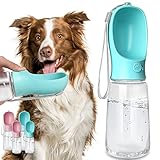
- 【BIG TROUGH & RECOVER UNUSED WATER】➊ This dog cat travel water cup bowl has 2.8 inches Big Trough. It not only ensure dog dacrinking water easily but also cat, rabbit or other small pet to drinking water quickly, moreover doesn't Wet Your Dog. ➋ In addition, a most important and different point is that puppy bowl press button to re-collect the remaining water and use it again. Protect water resources without wasting a drop of water.
- 【EASY TO USE & LEAK-PROOF FUCTION】 ➊ Dog Accessories One-key Open / Lock water, One-hand operation, open the lock key, press water key to fill water, release to stop water, very easy to feed your dogs. ➋ This dog water dispenser is designed with silica gel seal ring which can prevent water leakage efficiently. One-key lock further make sure the water doesn't leak and you can put dog water bowl in your backpack without worrying about its leaking.If the silicone ring becomes loose, it needs to be accurately sealed and installed to prevent water leakage
- 【CONVENIENT TO CARRY】Dog water bottle enough capacity 19 oz and compact water bottle design is great for your pet dog or cat when outdoor walking, running, hiking, travelling or playing, etc. You can put it into backpack or hang on your hand with sling rope, very easy to carry to anywhere you want~
- 【SAFE AND DURABLE MATERIALS】This portable dog water bottle is made of high quality food-grade plastic.Durable and recyclable, easy dismantling and cleaning. It will keep your pet health and vitality. Enjoy the safe and funny outdoor act with your pet.
- 【Dog Accessories】As a birthday gift, Christmas gift for your family dog is the best choice!NO RISK. Click the Orange Button to Buy Now.
Check again later if the dog was wet, sandy, or wearing booties. Moisture and grit can hide irritation between the toes, while a small cut may become more obvious after the coat dries. Stop the inspection if handling causes substantial pain. Restraining a frightened, painful dog can result in a bite and can worsen an injury.
Check the coat, ears, and between the toes
Run your hands over the coat and inspect areas where plant material hides: between toes, around the ears, in armpits, and under collars or harnesses. Foxtails and other grass awns can migrate into skin, ears, eyes, nose, or paws. UC Davis lists limping, repeated licking, sudden ear or head pain, sneezing, squinting, swellings, and draining sores as possible signs. Its summer pet-hazard guidance advises prompt veterinary attention for a suspected embedded foxtail.
Quick wins for a faster PC:
Clear out junk files and repair common Windows errorsFree Scan →Fix the driver behind crashes, sound loss and screen glitchesFind Drivers →Repair Windows errors before they cause bigger problemsFix Now →Remove only loose debris that comes away easily without pulling on skin. If plant material is lodged, the dog is painful, or you cannot see the full object, stop probing and arrange veterinary care. Brush out ordinary burrs gently, then check for irritated skin or hidden punctures.
Pay particular attention after a trail run through dry grass or brush. A dog may not show an obvious wound at first; later sneezing, squinting, head shaking, swelling, or a draining sore can reveal that plant material has entered tissue. Mention the route and timing to the veterinarian, because that history can help focus the examination.
Water, food, and recovery routines
Hydration without a rigid formula
There is no source-supported universal amount of water for every dog after a long outing. Needs vary with body size, diet, weather, humidity, intensity, duration, health, and access to water during the activity. Offer clean water and allow voluntary drinking. During future walks and outings, carry a water container and bowl or dispenser, and schedule breaks rather than waiting for a dog absorbed in running or swimming to stop on its own. UC Davis specifically recommends water and rest breaks because active dogs may overexert themselves.
Do not substitute a homemade electrolyte mixture, sports drink, or salty food for veterinary advice. Excessive drinking, repeated vomiting, marked lethargy, or a dog that refuses water can signal illness and deserves a call to your veterinarian.
PC Slower Than It Used to Be?
A free scan shows the junk files, broken settings and background clutter dragging Windows down - then fixes them in one click.Free scan · Windows 10 & 11Crashes, No Sound, or Screen Glitches?
Random freezes, missing sound and display glitches usually trace back to one bad driver. Find and replace yours safely.Free scan · under a minuteA portable bottle or travel bowl is useful because it makes planned water breaks practical, but it is an access tool, not a treatment for dehydration or heat illness. Bring enough for the route and a way to offer it without forcing the dog to drink. If the outing includes swimming, still provide clean drinking water; pool, lake, or seawater is not a substitute for it.
Food and supplements
A long hike does not automatically require a special recovery diet, supplements, massage, or stretching routine. The available veterinary guidance does not establish one protocol for every ordinary walk. Feed the dog’s normal complete diet according to its usual schedule unless your veterinarian has prescribed a different plan. For dogs that work, compete, or routinely perform high-intensity exercise, discuss feeding and hydration strategies with a veterinarian; Merck specifically recommends individualized planning for demanding exercise.
Avoid using a large meal as a test of recovery. A dog that is nauseated, weak, or panting abnormally should be assessed rather than coaxed to eat. For an otherwise comfortable dog, normal feeding and quiet rest are generally more appropriate than adding unfamiliar treats or supplements after a single strenuous day.
Rank #3
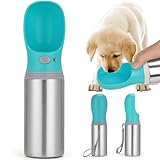
- Best Travel Companion: A portable dog water bottle is a must-have item for pet owners on the go! The unique design is both user-friendly and dog-friendly. It's perfect for long-time drives, road trips, hikes, walks, and outdoor activities.
- Durable Material: Made of durable stainless steel, LEAD-free, BPA-free, safe and durable. This portable water bottle for dogs is durable and a reliable companion.
- Leak-proof & Sturdy: It is designed with a silica gel seal ring that efficiently prevents water leakage. Even if you shake it hard, the water will not overflow, so you can put it in your backpack without worrying about it leaking.
- Quick & Easy to Use: One-key Open / Lock water, press the water key to fill the water, and release to stop the water. This dog water bottle features a convenient one-hand operation and the built-in bowl makes it easy for your dog to drink. Add a button lock to ensure no accidental touch.
- Perfect Size: With a capacity of up to 14 oz of fresh water and extra-large silicone cup quickly provides your pups with fresh water. Perfect for all dog sizes.
How long should a dog rest?
No reliable universal rest duration or return-to-exercise schedule applies to all dogs. A healthy, conditioned dog may settle quickly after a familiar effort, while a young, unconditioned, elderly, overweight, brachycephalic, or medically affected dog may need substantially more recovery. Weather, terrain, pack weight, swimming, speed, and the dog’s previous conditioning also change the load.
Recommended Free Tools
Use function rather than a stopwatch as your guide. Keep activity easy until your dog is alert, comfortable, walking normally, drinking normally, and free of pain or unusual breathing. If fatigue, soreness, stiffness, reluctance to rise, or a gait change persists or returns with light activity, ask your veterinarian how to proceed. Do not restart strenuous exercise simply because the dog is eager or because a set number of hours has passed.
When planning the next outing, treat a difficult recovery as useful information. Record the distance, terrain, weather, swimming, pack or harness use, and when symptoms appeared. This is not a substitute for veterinary assessment, but it gives your veterinarian a clearer picture and helps you avoid repeating the same workload before a conditioning plan is in place.
Preventing a difficult recovery on the next outing
Plan water and breaks
- Carry enough clean water for the route and a bowl or dispenser your dog can use comfortably.
- Build shaded rest stops into long walks, hikes, runs, and sports sessions.
- Watch the dog rather than relying only on distance or elapsed time; running or swimming dogs may not self-limit.
Choose safer routes and surfaces
Prefer shade and cooler ground when possible. Test a route before committing your dog to it, especially where pavement, sand, metal, or artificial turf receives direct sun. If a path cannot be avoided, shorten the exposure and monitor paws closely.
Route choice is a prevention decision, not merely a comfort preference. A shaded trail can reduce heat load, while a direct-sun section may add hot pavement and little opportunity to stop. Consider where water and shade actually occur, and plan an exit if the dog begins to slow, lie down, or show heavy panting.
Introduce paw booties carefully
Well-fitted booties may reduce contact with hot surfaces when avoidance is impossible, but they are protective equipment, not treatment for a burn. Introduce them gradually indoors, increase wear time in small steps, and inspect for rubbing, slipping, trapped moisture, or a changed gait. Remove them if your dog shows discomfort.
Match the effort to the individual dog
Account for age, body condition, muzzle shape, coat, heart or airway disease, medications, and conditioning. A route that is easy for a trained adult dog can be excessive for a puppy, senior, or dog returning from illness. Ask your veterinarian for a conditioning plan when exercise is part of sport, work, weight management, or rehabilitation.
Conditioning should progress gradually rather than jumping from short walks to a full-day event. Appropriate physical training improves exercise capacity, but it does not make a dog immune to hot conditions, paw injuries, or an excessive workload. Reassess the plan when weather, terrain, speed, or equipment changes.
A practical outdoor-trip checklist
- Clean water, a travel bowl, and a way to carry them
- Leash, identification, and any prescribed medication
- Shade or cooling options appropriate to the route
- Basic first-aid supplies and a way to contact the nearest veterinary hospital
- Towel for drying and examining the coat after swimming
- Booties only if already introduced, correctly fitted, and tolerated
Pack for the actual conditions, not just the forecast air temperature. A cool morning can still include hot pavement later, and a shaded trail can conceal sharp plant material or foxtails.
Rank #4

- Dog Water Bottle & Treat Container: Compare with the common dog water bottle, there is a 100g food container closely attach to the bowl of water bottle. It provides both clean water and fresh food when you go out with your pets
- Optional Colors & Water Capacity: There are multiple fashion colors and different capacity of water-10oz(300ml) and 19oz(550ml). 10oz water is enough for puppies and small pets walking, 19oz is needed for large dogs travelling and hiking
- Leak Proof Lock & Carbon Filter: There is build-in silicone loop between bowl and bottle to perfectly prevent water from leakage. ALWAYS REMEMBER to turn the lock to right after use. Also carbon filter inside make the water more clean and fresh
- Easy to Use & No waste water: Turn left and press hold the lock button, the water in the bottle can flow to bowl or flow back to bottle slowly, no waste of water. All operations can be finished by one hand, easy to use
- Safe and Heat Resistant Material & Widely Uses: The dog water bottle is made of food grade ABS+PC, BPA free material. 250℉/121℃ affordable and dishwasher safe. It’s suitable for walking, travelling, picnic, camping, hiking, training with your pets
Before leaving, identify the nearest veterinary hospital and check whether your phone has service along the route. Tell someone where you are going for a remote hike. These steps do not prevent illness, but they reduce delay if the dog needs help far from home.
Independent reader supportYour contribution helps us test, update, and keep practical guides available for everyone.What to do in common recovery scenarios
Your dog is tired but bright and walking normally
End exercise, provide a cool shaded rest area and clean water, inspect paws and coat, and observe quietly. Keep the next activity easy. If the dog does not return toward its normal behavior or develops new signs, call your veterinarian.
Your dog is panting heavily and seems weak
Consider this a possible heat emergency, not routine fatigue. Stop activity, move to a cooler place, start appropriate cooling, and contact a veterinary hospital immediately. Do not wait for a meal, a nap, or a home remedy to prove whether the dog improves.
Your dog limps or keeps licking one paw
Stop walking and inspect the paw. Move off hot ground, rinse suspected burns with cool water, and contact a veterinarian for advice. An embedded object, blister, open wound, or inability to bear weight needs prompt professional assessment.
Your dog vomits after the outing
Vomiting in combination with panting, weakness, diarrhea, confusion, abnormal gums, or collapse is an emergency sign. Even without those signs, repeated vomiting or inability to keep water down merits veterinary advice rather than forced drinking.
Your dog is stiff the next day
Keep activity gentle and avoid another strenuous outing. Persistent soreness, reluctance to rise, swelling, pain on touch, or an altered gait should be evaluated. A veterinarian can distinguish ordinary overexertion from orthopedic, muscle, or paw injury and set a safe return plan.
Your dog seems better after cooling
Improvement is reassuring but does not rule out heat injury. Continue to keep the dog quiet and contact a veterinary professional if any warning sign occurred, especially weakness, vomiting, confusion, collapse, or abnormal breathing. A dog that appears normal only after substantial cooling still needs careful observation and may require examination.
When to call a veterinarian
Seek emergency care for collapse, seizures, confusion, severe weakness, labored or unrelenting panting, repeated vomiting or diarrhea, suspected heatstroke, or inability to walk. Contact your regular veterinarian promptly for persistent fatigue, a new limp, painful or blistered pads, draining sores, suspected foxtails, repeated post-exercise vomiting, or any change that is unusual for your dog. If you are unsure whether signs are serious, call and describe the exercise, weather, timing, symptoms, and your dog’s medical history.
The Tool Desk
Outbyte Driver Updater FREEScan for outdated or missing drivers - takes under a minuteDriver Scan →Outbyte PC Repair FREERepair Windows errors before they cause bigger problemsFix Now →Appropriate physical training is the most effective way to reduce fatigue and increase the capacity for exercise, according to Amelia S. Munsterman, DVM, PhD, DACVS, DACVECC, writing in the Merck Veterinary Manual. Conditioning should be gradual and individualized, and it should never be used to explain away emergency signs.
Best Value

- 2-IN-1 INTEGRATED BOTTLE & BOWL: This portable dog canteen doubles as a built-in bowl. Just flip out the silicone sleeve – it instantly becomes a drinking trough. Need a snack bowl too? Grab two: use one for water, the other for kibble or treats. No extra parts, no mess. Perfect for your dog water ball on the go
- SAFE, DURABLE & DISHWASHER-SAFE: Crafted from food-grade 304 stainless steel – odor-resistant, rust-proof, and drop-resistant. The BPA-free silicone bowl is soft yet tough. The entire bottle is dishwasher safe for quick, hassle-free cleaning. No plastic smell, no funny taste. You can trust this dog bottle to stay safe and sturdy, wash after wash
- LIGHTWEIGHT & COMPACT SIZE: Weighs only 6 oz empty – 16 oz when full. With a compact 3.5-inch diameter and 10 oz capacity, it's perfectly sized for small dogs, puppies, and other small pets. Easily fits in car cup holders, backpacks or tote bags
- EASY TO CARRY WITH CLIP & ROPE: Includes a sturdy clip and a carry rope. Use the clip to attach it to a backpack or belt loop – you can even clip it directly to your dog's harness for hands-free walks. The rope lets you carry it by hand whenever you prefer
- LEAK-PROOF DESIGN: Upgraded multi-layer seal guarantees no spills in your bag. Toss it into your backpack, tote, or car cup holder without worrying about wet messes. Whether you're on a daily walk, heading to the park, or driving cross-country, this No-Spill design keeps your gear dry and your pup happy
Frequently Asked Questions
What are the first things I should do after a long hike with my dog?
Stop exercise, remove any pack or harness, move the dog to a cool shaded place, offer clean water, and check alertness, breathing, gait, paws, and coat. Keep activity easy while you observe for worsening or unusual signs.
How can I tell normal tiredness from heat illness?
Normal fatigue occurs in an alert dog whose panting eases with rest and whose walking remains coordinated. Constant or excessive panting, weakness, stumbling, confusion, vomiting, diarrhea, abnormal gums, seizures, or collapse should be treated as possible heat illness and require immediate veterinary contact.
How much water should my dog drink after a long walk?
There is no universal post-walk amount that fits every dog. Offer clean water and allow voluntary drinking. Water needs depend on size, diet, weather, duration, intensity, health, and how much was available during the outing.
Do these 3 things before closing this tab:
1Scan for outdated or missing drivers - takes under a minute2Clear out junk files and repair common Windows errors3Fix the driver behind crashes, sound loss and screen glitchesShould I give electrolytes, supplements, or a special meal?
Do not assume an electrolyte drink, supplement, massage, stretching routine, or special recovery diet is needed. Feed the normal complete diet unless your veterinarian directs otherwise. Dogs that compete or perform demanding work need individualized feeding and hydration advice.
What should I do if my dog’s paws are red or blistered?
Move the dog off the hot surface, rinse the paws with cool water, prevent further walking, and contact a veterinarian. Do not peel blisters, apply household creams, or tightly wrap a badly damaged paw. Severe burns need professional treatment.
How do I check for foxtails after a hike?
Inspect between toes, around ears and armpits, and through the coat. Limping, repeated licking, sudden ear or head pain, sneezing, squinting, swelling, or draining sores can indicate a foxtail injury. Do not probe a lodged object; arrange prompt veterinary attention.
When can my dog exercise again?
There is no safe universal timetable. Wait until the dog is alert, comfortable, walking normally, drinking normally, and free of pain or unusual breathing, then return gradually. Persistent fatigue, soreness, stiffness, reluctance to rise, or gait changes need veterinary guidance.
Can heat illness happen on a cool day?
Yes. Exertion itself can generate enough heat to cause illness, even when the weather does not feel extreme. Risk is higher for short-muzzled, older, overweight, thick- or dark-coated dogs and dogs with respiratory or cardiac disease, but any dog can be affected.
The Bottom Line
After a demanding outing, stop, cool down, offer clean water, and check your dog’s paws and coat. Alertness, coordinated walking, and easing panting are reassuring; persistent panting, weakness, vomiting, confusion, collapse, serious paw injury, or suspected foxtails require prompt veterinary care. Use shade, planned breaks, safer surfaces, gradual conditioning, and dog-specific advice to make the next outing safer.
Quick Recap
Product prices and availability are accurate as of the date/time indicated and are subject to change. Any price and availability information displayed on Amazon at the time of purchase will apply.




