
Some links on this page are affiliate links: if you buy through them we may earn a commission, at no extra cost to you.
Keep a pet engaged indoors by rotating several kinds of enrichment instead of relying on one toy: let the animal forage for part of a measured meal, sniff and explore, play or train briefly, investigate safe household objects, and retreat to a quiet resting place. The right activity depends on species, age, health, appetite, mobility, chewing style and individual preference.
Start with an easy, supervised version. Increase complexity only when your pet is solving it calmly and choosing to continue; simplify or stop when the setup causes frustration, distress or attempts to swallow the materials.
As an Amazon Associate I earn from qualifying purchases.
PC Slower Than It Used to Be?
A free scan shows the junk files, broken settings and background clutter dragging Windows down - then fixes them in one click.Free scan · Windows 10 & 11Crashes, No Sound, or Screen Glitches?
Random freezes, missing sound and display glitches usually trace back to one bad driver. Find and replace yours safely.Free scan · under a minuteWhat meaningful enrichment looks like
Enrichment is not simply making a pet play for as long as possible. The American Animal Hospital Association describes it as meeting natural needs in ways that support physical health, emotional wellbeing and happiness (AAHA, February 10, 2026). For one animal that may mean searching for dinner; for another it may mean stalking a wand toy, learning a cue, climbing to a safe perch or resting undisturbed.
Use several categories across the day so one activity does not have to satisfy every need:
Popular on Amazon
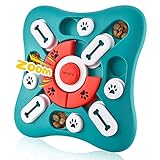
- 【PRODUCT SIZE】10 inch*10 inch*1.3 inch.
- 【3 WAYS TO PLAY, UPGRADE SLOW FEEDER】Our dog mental stimulation toys have a unique squeak button in the middle, which make it easier to attract the attention of dogs and cats. Three different difficulty designs and the 16-hole dog treat dispenser design maximize slow feeding time, even beyond 20 minutes.
- 【FUNNY STIMULATING TOYS】All kinds of dogs and cats love the puzzle game of Spin & Slide and the Seek & Hide with their smell sense and paw skills to find food. Combining circular orbit sliding game and linear orbit sliding game, smart dog and cat must move the slider correctly to get the food reward hidden in the maze.
- 【NON-REMOVABLE PARTS DOG PUZZLE】Our dog treat puzzle is made of non-toxic materials, very durable and suitable for pets to play for a long time. This dog toy has no removable parts because the design has built-in play parts that fold tightly and won't fall off easily.
- 【ANTI-SLIP & EASY TO CLEAN】: The four corners of the bottom are equipped with four anti-skid pads, which can be well fixed during the dog's slow food process; It is easy to clean, also dishwasher safe.
- Foraging and food work: finding, licking, batting or extracting part of the normal ration.
- Movement and play: chasing, pouncing, carrying, climbing or navigating around safe obstacles.
- Learning: short, reward-based sessions that teach a cue or trick.
- Sensory exploration: sniffing, investigating boxes or novel but safe textures and scents.
- Choice and recovery: the ability to approach, leave, hide or sleep in a comfortable low-traffic area.
Assess the individual before choosing an activity
Watch what your pet already chooses. A dog that searches every room may enjoy a scent trail, while a dog with a strong chewing habit needs a robust, size-appropriate food toy rather than thin cardboard. A cat that hides when visitors arrive needs protected retreat space, not more stimulation. Consider age, dental condition, body weight, arthritis, vision, swallowing habits, food allergies and whether another pet might compete for the same resource.
Make the first attempt easy
Show the animal how a puzzle works by leaving food partly exposed or using a container with a large opening. An activity that is too difficult can create frustration rather than engagement. Once your pet succeeds repeatedly and remains relaxed, add one change at a time: more hiding places, a slightly tighter opening or a new room. There is no need to pursue the hardest possible puzzle.
Quick wins for a faster PC:
Fix the driver behind crashes, sound loss and screen glitchesFind Drivers →Clear out junk files and repair common Windows errorsFree Scan →Scan for outdated or missing drivers - takes under a minuteDriver Scan →Choose an option by goal and risk
| Activity | Best suited to | Setup | Main watch-outs |
|---|---|---|---|
| Meal scavenger hunt | Dogs and food-motivated cats that enjoy searching | Hide a portion of the measured meal in easy-to-find locations | Use safe rooms; prevent competition in multi-pet homes |
| Towel or snuffle-style foraging | Dogs that sniff and work with their noses | Scatter kibble in a loosely folded towel or a purpose-made snuffle surface | Supervise fabric use and remove it if threads are chewed or swallowed |
| Muffin-tin or cardboard puzzle | Dogs and some cats that enjoy manipulating objects | Place food in compartments or a box with open, easy access | Use sturdy, clean materials; stop if pieces are torn off |
| Frozen food toy | Dogs that lick and chew safely | Freeze part of the normal meal or a veterinarian-approved filling in a suitable toy | Account for calories and match the toy to jaw size and chewing style |
| Wand-led hunting play | Cats that stalk, chase and pounce | Move a wand toy like prey, allowing occasional captures | Keep strings and attachments out of reach when the session ends |
| Reward-based training | Dogs and cats able to eat small rewards | Practice one cue or trick in a quiet area | Use tiny portions from the daily ration when possible |
How to keep a dog busy indoors
1. Turn part of dinner into a room-by-room search
Measure the dog’s regular food first, then set aside a portion for the search. While the dog waits behind a gate or in another room, place a few pieces in obvious, reachable spots on the floor. Release the dog to sniff them out, and keep the first round simple. The AAHA indoor-enrichment guidance, updated July 14, 2026, recommends scavenger-style searches and increasing difficulty only when the dog is enjoying the task. Do not hide food where the dog must climb unstable furniture, enter unsafe spaces or dislodge household objects.
2. Offer supervised towel or snuffle foraging
Sprinkle kibble through a loosely folded towel, or use a snuffle mat designed for dogs. Let the dog work with its nose rather than tying the towel tightly or creating a knot that must be chewed apart. Stay nearby during the first sessions. Remove the fabric if the dog pulls threads, eats the material or becomes frantic. A folded towel is a low-cost substitute for a mat, but neither should remain available as an unsupervised chew item.
3. Make a simple muffin-tin or cardboard puzzle
Put a few pieces of kibble in the cups of a clean muffin tin. For a dog that understands the game, place lightweight balls or loose paper over some cups so the food is still accessible without tearing the covering. A shallow cardboard box with food scattered inside provides another beginner setup. The ASPCA canine DIY enrichment guidance stresses close supervision: remove the project as soon as the dog starts ingesting cardboard, paper or other parts. Never use staples, tape that can be peeled off, sharp edges or containers small enough to fit in the dog’s mouth.
4. Practice one useful cue or trick
Choose a quiet area and reward a single behavior such as touching your hand, going to a mat, sitting, lying down or finding a toy. Keep the criteria clear: mark the behavior as it happens, deliver a tiny reward and pause before the next repetition. End while the dog is still interested. Training can provide mental work without requiring vigorous exercise, which is useful for dogs with limited mobility or on a veterinarian-directed activity restriction.
5. Extend licking with a frozen food toy
Use a durable, size-appropriate food toy and fill it with part of the dog’s ordinary meal, softened kibble or another food your veterinarian has approved. Freezing the filled toy can make licking last longer, but it does not make an unsuitable toy safe. Check the toy every time for cracks, missing pieces or an opening that could trap the tongue. The VCA guidance on enriching a pet’s environment with food recommends treating food as an activity opportunity while accounting for the animal’s dietary needs.
6. Rotate toys instead of displaying everything
Keep only a few safe toys available and store the rest. Exchange them periodically so familiar objects regain novelty. Include different functions—carrying, chewing, sniffing and tugging—rather than several toys that all feel the same. Inspect every item before returning it to circulation; discard anything that has split, shed pieces or become small enough to swallow.
How to keep a cat entertained at home
1. Build safe exploration with boxes and viewpoints
Offer clean cardboard boxes, paper packing material without ink flakes or other stable objects that the cat can enter and leave easily. Place one on the floor and, where safe, provide an elevated resting surface with a secure route up and down. Cats should be able to retreat without being cornered by people or other animals. Remove plastic bags with handles, elastic bands, ribbons and any object that can wrap around the neck or be swallowed.
2. Introduce a food puzzle at the cat’s pace
Start with a feeder that leaves food visible and requires only a paw tap or nose push. Put in a small amount of the cat’s normal meal and observe whether it eats calmly. If the cat walks away, paws repeatedly without success or stops eating, make the opening larger or return to a bowl and try again later. Food puzzles are optional tools, not a requirement; some cats prefer several small portions placed in separate safe locations.
Free tools Windows power users keep installed
One-click scans. No signup required.
3. Recreate a short hunt with a wand toy
Move the wand along the floor, behind furniture and around corners so it behaves like prey rather than a helicopter above the cat’s face. Let the cat stalk, chase and occasionally catch it. Vary speed and direction, and allow the cat to disengage. Store the wand out of reach after play because string, feathers and small attachments can cause an intestinal obstruction if swallowed.
Also popular on Amazon
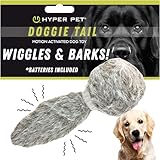
- PLUSH SQUEAKY DOG TOY THAT WIGGLES, VIBRATES, & BARKS – Entice your dog to run, chase, play, and exercise. This interactive dog toy encourages fun stimulation for dogs of all ages. Fun dog toys for small dogs, dog toys for medium dogs, and large dog toys.
- REDUCE ANXIETY AND BOREDOM – With funny sounds and erratic movements, these funny dog toys & plush dog toy will capture your puppy or adult dog’s interest and keep them engaged with its interactive dog toy movements. The wobble and wiggle will keep them busy and is a great alternative to dog puzzle toys and classic dog enrichment toys.
- TIPS TO ACTIVATE: Pull out tab and give hard shake. If toy does not turn on, feel around for ON/OFF switch located underneath cover, hold button for 2 seconds, and give hard shake. The ball will activate, vibrating and making noise for approximately 10 seconds. Once this stops, the ball will reactive when rolled, thown, or played with. When playtime is over, simply press button down to turn dog ball off and preserve battery life. PLEASE SEE VIDEOS FOR HELP.
- BATTERY OPERATED PROLONGED PLAY – To change batteries, remove the plastic ball from plush toy cover. Use tab to open the giggle dog toy ball. Remove the battery compartment and insert 3 AAA batteries. This interactive dog toy has an automatic stop feature after a period without use to extend battery life. (Batteries are included with the Hyper Pet Doggie Tail)
- NEW COVERS AVAILABLE – Additional Hyper Doggie Tail covers are available for your pet. Hyper Pet is a Cosmic Pet Brand. Color of Doggie Tail Plush May Vary. Please always supervise your pet while in use.
4. Try brief, reward-based training
Use a tiny food reward to shape behaviors such as touching a target, stepping onto a mat or entering a carrier voluntarily. Work in a quiet room and stop when the cat turns away, flicks its tail repeatedly, hides or shows other signs of stress. Training should give the cat control to leave; forcing participation can make future handling harder.
5. Preserve scent, hiding and resource choice
Avoid strong fragrances on bedding, boxes and resting areas. Keep familiar-smelling blankets available and separate food, water, litter, sleeping and hiding resources so one cat cannot block another. The AAHA home-enrichment recommendations emphasize predictable interaction, varied toys and places where cats can hide or rest away from household traffic.
Independent reader supportYour contribution helps us test, update, and keep practical guides available for everyone.DIY setups: materials that are useful and materials to avoid
Household projects work when the material is clean, stable and larger than the animal could swallow. Suitable beginner items include an open cardboard box, a muffin tin, a loosely folded towel, paper cups that cannot splinter and food scattered on a washable surface. Present one project at a time so you can see how your pet handles it.
- Remove tape, staples, string, rubber bands, plastic film and detachable decorations.
- Do not use bags with handles for cats or dogs; handles can trap a head or limb.
- Avoid small balls, caps, bottle parts and other pieces that fit fully inside the pet’s mouth.
- Wash reusable items and let them dry before adding food.
- Stay present for every new design, even if a similar setup was previously safe.
If your pet shreds rather than solves the puzzle, switch to a purpose-made toy with no detachable parts or return to an open-foraging activity. The ASPCA’s at-home tips support simple activities but also stress adapting them to the individual animal and supervising materials.
Food, calories and health limitations
Food enrichment should come from the daily ration whenever possible. Measure the meal, reserve the amount used in puzzles or searches, and serve the remainder normally. Treats, oils, spreadable fillings and commercial toppers add calories; an activity that looks small can undermine a weight-management plan when added repeatedly. Use only foods your veterinarian has approved for an animal with allergies, kidney disease, diabetes, gastrointestinal problems or another medical condition.
Mobility and dental limits also change the safe choice. A dog with arthritis may benefit from nose work on one level rather than repeated jumping. A cat with painful teeth may need soft food in a shallow feeder instead of hard treats. Ask your veterinarian about suitable toy materials, food texture, calorie allocation and activity levels when your pet has a health diagnosis, is recovering from surgery or takes medication affected by diet.
Safety checks and common problems
Stop ingestion and damage early
Choose toys that match the pet’s body size and chewing strength, are difficult to break and cannot be swallowed as a whole. Inspect them before and after use. Supervise a new food toy or DIY arrangement from start to finish. The VCA toy-selection guidance recommends removing items that break apart and taking extra care when a pet guards food or competes with another animal.
Do these 3 things before closing this tab:
1Scan for outdated or missing drivers - takes under a minute2Repair Windows errors before they cause bigger problems3Fix the driver behind crashes, sound loss and screen glitchesSeparate pets when food creates conflict
In a multi-pet household, feed puzzles in separate rooms, behind barriers or in individual crates only if each animal already views that space positively. Do not take a chew or puzzle away by force. Pick up empty devices after everyone has finished, and watch for stiff posture, blocking, growling, chasing or frantic eating. Persistent guarding warrants a veterinarian or qualified behavior professional’s advice.
Adjust frustration, fear and overstimulation
Easy signs that a challenge is too hard include pawing wildly, abandoning the food, vocalizing, repeatedly checking you for help or biting the container. Make the food more visible, enlarge an opening, remove one obstacle or return to a familiar game. For cats, hiding, flattened ears, rapid tail movement or refusal to engage means the session should end. Enrichment must remain optional; a quiet retreat is a successful outcome, not a failure to participate.
Put the pieces into a flexible home routine
Rather than scheduling one long entertainment block, offer small opportunities that fit your household and the animal’s energy. For example, a dog might receive breakfast partly through a simple search, practice one cue later, and use a safe chew or frozen meal toy while the household is occupied. A cat might investigate a box, eat from a beginner puzzle, play a short wand game and then rest on an elevated perch. On another day, exchange the order or choose different activities.
Before a predictable period alone, set up only an activity you have already tested under supervision, remove hazardous loose materials and leave access to water, toileting areas and a comfortable retreat. When you return, allow the pet to settle before starting another game. This combination of variety, safety, food awareness and choice keeps enrichment useful without turning every quiet moment into a demand for activity.
What’s actually slowing this PC down?
Pick the symptom - the matching free tool is one click away.





Leave a Reply