
Free tools Windows power users keep installed
One-click scans. No signup required.
Some links on this page are affiliate links: if you buy through them we may earn a commission, at no extra cost to you.
Keep your distance, control your dog, and separate domestic animals from bison routes. In Yellowstone, people must stay at least 25 yards (23 meters) from bison. Pets are restricted to developed areas, must be physically restrained, and are generally prohibited on trails, boardwalks, in thermal areas, and in the backcountry. On ranches, the key controls are seasonal separation, site-specific fencing, and prompt veterinary action if livestock encounter potentially infectious birthing material.
Why bison require a different safety plan
Bison can run three times faster than people, and their behavior can change quickly when they feel crowded, blocked, or pursued. The National Park Service recorded 25 people injured by bison from 2000 through 2015; 22 required medical treatment and 12 were hospitalized. In that review, 80% of injured people had actively approached the bison before the incident.
As an Amazon Associate I earn from qualifying purchases.
Yellowstone safety guidance summarizes the risk plainly: “Bison may appear tranquil, but these large animals have injured more people in Yellowstone than any other animal.” A calm-looking animal is not a safe animal to approach, photograph at close range, or allow a dog to investigate.
The same principles apply outside the park, but the legal details differ by land manager and state. Check the current rule for the exact park, refuge, forest, or private-land jurisdiction before you travel or move livestock.
Popular on Amazon

- 【Professional Retractable Dog Leash】 The ultimate combination: 16 ft strong nylon reflective tape, impact-resistant ABS housing, and a stainless steel anti-chew cable. This design greatly reduces the risk of being bitten through, extending the leash’s lifespan. Augwind’s retractable leash is specifically designed for small to medium dogs under 50 lbs, offering the best value on the market
- 【Safe & Effective】16 ft Strong Reflective nylon webbing; Over 100,000 retraction times; Max anti-jerk tensile strength: 350 lbs; . Whether day or night, on the street or lawn, the Augwind retractable leash makes every walk safe and easy
- 【Quick Lock System】 Operate the pause, lock, and unlock buttons with a single thumb. Enjoy smooth braking and instant response. The Augwind retractable dog leash ensures the safety of both you and your pet on every outing
- 【2026 Equipment Upgrades】1. Reflective webbing 2. Chrome-plated, rust-proof 360° rotating clasp 3. Ergonomic soft silicone handle 4. Reserved slot for poop bag holder 5. Stainless steel anti-chew cable
- 【2-Year Warranty】 We are a professional pet products company committed to bringing the safest, most practical, and affordable pet products to pets and their owners. We promise to solve any quality issues within 2 years. We provide 24/7 after-sales service. If you have any questions, please feel free to contact us
How far should you stay from a bison?
Use 25 yards as the minimum in Yellowstone
Yellowstone requires visitors to remain at least 25 yards (23 meters) from bison. Treat that as a minimum separation, not a target distance. If an animal is moving toward you, increase the gap immediately rather than waiting to see whether it turns.
Bison may respond to close approach with a bluff charge, head bobbing while staring, pawing, bellowing, or a raised tail. These warning signs mean you have allowed the encounter to become too close. Start moving away as soon as you see them.
The Tool Desk
Outbyte PC Repair FREERepair Windows errors before they cause bigger problemsFix Now →Outbyte Driver Updater FREEScan for outdated or missing drivers - takes under a minuteDriver Scan →Distance is more reliable than a leash or fence alone
A six-foot leash satisfies Yellowstone’s pet rule, but it cannot make a close bison encounter safe. A leash gives you control over your dog and time to retreat; it does not prevent a bison from charging. Likewise, a general-purpose fence should not be assumed to contain or exclude bison without a site-specific design.
Are dogs allowed on Yellowstone trails?
Generally, no. In Yellowstone, pets are allowed only in developed areas within 100 feet of roads, parking areas, and campgrounds. They must be inside a vehicle, in a crate, or on a leash no longer than six feet. Trails, boardwalks, backcountry areas, and thermal areas are generally closed to pets.
These are park rules, not suggestions based on the dog’s temperament. A friendly, quiet, or well-trained dog is still subject to the same restrictions. Other jurisdictions may use different boundaries or leash lengths, so verify the current regulation before arrival.
Also popular on Amazon

- Black Chew Proof Dog Leash: 16ft retractable dog leash for large breed dogs with anti-chewing steel wire can help you extend the life of the leash, CROWN PAWS wire ropes diameter is Strong and Durable.
- Tape Guidance System : Thanks to the tape guidance system, which has been perfected through countless tests,the tapes can be tangle free 360 Degree extended in all directions without getting jammed.The Durable Rustproof Swivel Hook makes the tape 360 Degree rotation does not hurt the dog.
- Comfortable and Safe Braking System :The CROWN PAWS braking systems are not only intuitive and smooth, they also react in the split of a second.the dog can be stopped at any time using the brake. The inner 301 stainless steel coil spring mechanism allows the owner to safely control the dog. By using the brake and arm movements, the dog can be brought to heel and the leash can be locked.
- Heavy duty & Durable: CROWN PAWS chew proof retractable dog leash uses nylon tape material provided by the car seat belt supplier, which has a long service life.
- The Comfort Handles: The Ergonomic soft-grip is comfortable in your hand, perfect for those long walks around town,great for running and trainning.
What to carry for a permitted dog outing
- A sturdy, non-retractable leash no longer than six feet where Yellowstone rules apply.
- A secure collar or harness that your dog cannot back out of.
- A way to place the dog in a vehicle or crate quickly if bison approach.
- Enough room to turn around before wildlife occupies the route.
Keep the dog beside you rather than allowing it to range ahead. Do not let it bark at, lunge toward, chase, or circle bison. A dog that pursues wildlife can trigger a defensive response and may run back toward its handler with the bison following.
What should you do when bison are near your dog?
- Stop the approach. Shorten the leash without jerking the dog and keep it at your side.
- Assess the route out. Identify the direction that increases distance and any vehicle, building, or substantial tree that could provide cover.
- Turn around early. If bison are on or near the trail, road, or developed-area path, retreat before they show agitation.
- Maintain at least 25 yards in Yellowstone. Continue backing or walking away until the animals are well beyond the minimum distance.
- Keep the dog quiet and focused. Prevent barking, lunging, and staring contests. Do not release the leash to let the dog “distract” the bison.
- Use cover if needed. Move behind a vehicle, building, or substantial tree while maintaining an exit route.
Never rely on a dog to deter bison. The dog can become the trigger for pursuit, and the handler can be endangered when trying to follow or retrieve it.
What if a bison charges?
Move away immediately. Yellowstone guidance specifically says not to stand your ground. Use the nearest substantial cover, such as a vehicle, building, or large tree, and keep moving until the bison stops and you have restored distance.
Do not approach an animal that has stopped after a charge. A bluff charge can end without contact, but it still indicates that the animal considered you too close. Once you are safe, leave the area rather than attempting another passage.
Warning behavior to recognize
- Pawing at the ground.
- Head bobbing while staring at you.
- Bellowing.
- Raising the tail.
- Closing distance or turning toward you after you have tried to retreat.
These signs are not a checklist for deciding how close you can remain. They are reasons to increase distance immediately.
Outdated Drivers Are Slowing You Down
One free scan finds every outdated or missing driver and matches the right update for your exact hardware.Free scan · exact hardware matchWindows Errors? Fix Them Before They Spread
Repair common Windows errors and clear accumulated junk for a smoother, more stable PC - no reinstall needed.Free scan · no reinstallAlso popular on Amazon
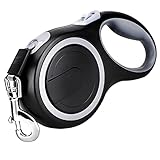
- 1.Simple, practical and comfortable. A ergonomic and anti-slip rubberized handle fits in your hand well for those long walks.
- 2.26ft tape leash with easy-adjust retraction that allows your canine pal to explore but still remain within safe distance. Tangle-free 360 degree tape movement.
- 3.Professional strap ---extremely sturdy 26ft strap---for medium and large dogs up to 110lbs.
- 4.You can push the button all the way down to lock the leash, or click the button back to easily reel your dog back in. It will remains locked as long as the button is pressed. For safety reasons, the lock is locked when the belt is tensioned; when you need to unlock, pull the dog back, or push the dog leash forward.
- 5.Note:1.Do not let your dog chewing the leash, a 5 pound dog can easily pull off the leash if it has a little breakage.2.Don't pull the rope to the end, it is easy to damage the spring, so it won't retractable. Stop it in time.
Planning a Yellowstone visit with a dog
Before leaving
- Check the current Yellowstone pet regulation and the rules for every other public land unit on your itinerary.
- Plan dog care around the legal access limits; do not assume a trailhead means dogs may use the trail.
- Carry a six-foot, non-retractable leash and test the collar or harness before the trip.
- Study the route for turnarounds, parking areas, and places where a vehicle or building could provide cover.
At the destination
- Keep the dog within the allowed developed area and under direct physical control.
- Scan ahead before leaving a vehicle or campsite.
- Give bison a wide berth even when other visitors are nearby or an animal appears to be resting.
- Turn around at the first sign that bison occupy the route; do not wait for a closer photograph.
How common and serious are bison encounters?
The National Park Service injury review covering 2000–2015 found 25 people injured by bison, with 22 receiving medical treatment and 12 hospitalized. Eighty percent of those injured had actively approached the animal. The figures do not mean every close encounter causes an injury; they show why distance and early retreat matter.
Yellowstone’s 2025 bison population estimate was nearly 5,300, within a recent range of about 3,500 to nearly 6,000. More animals and more visitors can create more opportunities for encounters, but the basic response remains the same: do not approach, keep dogs controlled, and leave a route occupied by bison.
How can ranchers keep cattle and domestic bison away from wild bison?
Start with a map and a calendar rather than a generic fence purchase. Identify seasonal bison migration routes, calving areas, water sources, hay storage, gates, and places where wild animals tend to gather. Review that map with local wildlife and livestock officials.
Separate animals in space and time
The National Park Service identifies late-winter migration as the period when bison and cattle could commingle and when brucellosis transmission risk is most relevant. Increase separation during that period and during any locally identified movement or calving window.
Arrange feed, water, and calving or birthing areas to reduce attraction and contact. If wild bison approach, use agency-approved hazing or other management actions. Improvised close approaches can put people, dogs, cattle, and bison at risk.
Also popular on Amazon

- HEAVY DUTY, DURABLE & STEADY - 16 ft high strength nylon tape with durable rustproof swivel hook and steady impact-resistant ABS material, suitable for Small and Medium dogs or cats up to 26 lbs. Top durability Internal Coil Spring for Consistent Retraction several years.
- SAFE REFLECTIVE DOG LEASH- The black dog leash tape is embedded with white reflective materials. Highly reflective cord leash increase security & visibility for dogs and their owners at night.
- Ergonomic Anti-slip SOFT Handle- made of durable soft material & a super comfortable grip for longer walks.
- Easy to use- Quick Lock, Pause, and Unlock Button- easy Roll-On and Roll-Off with your thumb only. Tangle-free, great for walking, jogging, running, camping, and hiking, or out for a stroll in backyard activities
- 100% NO RISK TO ORDER- we commit 30 days' money back without any reason. All of Fida's retractable dog leashes include lifelong professional technical support. Contact us any time with any reasons!
Use a site-specific boundary system
Montana Fish, Wildlife & Parks recommends tailoring fence design and placement to reduce wildlife injury and fence damage. A useful plan considers:
- Where bison cross or gather seasonally.
- Whether the fence creates a wildlife bottleneck or blocks an escape route.
- How gates will be monitored and closed during high-risk periods.
- How the fence will be inspected after storms, wildlife contact, or migration.
- Whether the design keeps domestic animals separated without creating unnecessary hazards for wildlife.
No generic consumer fence is universally bison-proof. Have local wildlife and livestock authorities review the design and placement before relying on it as the primary control.
How does brucellosis spread between bison and livestock?
Montana Fish, Wildlife & Parks says transmission generally occurs when cattle, bison, or elk ingest bacteria in aborted fetuses, fetal membranes, or uterine discharges. The practical disease-control rule is to prevent cattle, dogs, and people from investigating or consuming those materials.
Do these 3 things before closing this tab:
1Clear out junk files and repair common Windows errors2Fix the driver behind crashes, sound loss and screen glitches3Repair Windows errors before they cause bigger problemsIf you find an aborted fetus or birthing material
- Keep animals and people away. Move cattle, dogs, and other livestock away from the site.
- Do not handle it casually. Avoid contact with the fetus, membranes, and uterine fluids.
- Isolate the area. Close gates or temporarily reroute animals so they cannot reach the material.
- Call for professional guidance. Contact an accredited veterinarian or the appropriate animal-health authority about suspected exposure and safe handling, testing, and disposal.
- Follow official instructions. Do not transport material or resume access until the veterinarian or authority provides direction.
Dogs should not be sent to investigate a carcass, fetal material, or a bison congregation. Their movement can spread contamination and can draw them into a dangerous wildlife encounter.
Independent reader supportYour contribution helps us test, update, and keep practical guides available for everyone.What Montana livestock owners must check before moving or selling animals
Montana’s designated surveillance area has testing, vaccination, and official-identification requirements for eligible cattle and domestic bison. Requirements can depend on the animal, location, movement, and ownership change.
Also popular on Amazon

- 1/2 inch by 4 ft Strong nylon heavy duty rope dog leash: Lightweight and portable yet still gives strong strength to control your medium even large dogs outdoor walking and training
- Heavy duty dog leash: 360° rotation design for no tangle. Strong large metal hook ( about 36g weight) can stand large and giant breed's pullings. Classic hook is easy to put on and take off. Ensuring a smooth and hassle-free walking experience
- The ergonomically designed padded handle offers a comfortable, non-slip grip, providing enhanced control even when your large dog pulls. Whether you're using it for casual strolls or more rigorous training, the handle ensures a secure hold
- 15+ Colors: Multi patterns and colors that you can find the one to match your dog's size, personality and your style. Pets truly make our lives whole, and this strong, stylish dog leash is the suitable accessory for your beloved companion
- Multi-lengths: This rope dog leash availables in total 10 different lengths. 3ft, 4ft leash keep dogs in side, 6ft, 7ft daily basic leash for walking; 8ft, 10ft dog leash for exploring and sniffing; 12ft 15ft 20ft and 30ft long lead for dogs playing and recall training
Before moving or selling animals, confirm current requirements with the Montana Department of Livestock. Keep records of required tests, vaccinations, and identification, and ask an accredited veterinarian to interpret the rules for your herd and destination. Do not rely on an older permit, a neighbor’s practice, or a rule remembered from a different county.
Montana fencing and open-range considerations
Montana’s fence guidance notes that open-range law applies only to cattle. Bison, sheep, and other livestock must be fenced in under Montana Code §81-4-201. Local open-range or herd-district rules may add requirements, so verify the rule that applies to the specific parcel.
Legal enclosure and wildlife separation are related but different questions. A fence can satisfy a livestock-containment duty yet still be poorly placed for migration, or it can separate cattle from bison while creating an injury hazard. Review both the legal and wildlife-management aspects before construction or relocation.
Choosing a dog-control setup
For a permitted Yellowstone outing, compare equipment by the factors below. The legal maximum is six feet, and a retractable leash is a poor choice where immediate, predictable control is necessary.
| Setup | Leash length and strength | Handler control | Visibility and rule fit | Best use |
|---|---|---|---|---|
| Six-foot non-retractable leash | At or below Yellowstone’s six-foot limit; choose hardware suited to the dog’s strength | Predictable distance and quick shortening | Easy for staff to assess; fits the stated Yellowstone rule | Developed areas where dogs are allowed |
| Retractable leash | Length varies and may exceed the park limit | Delayed braking and more line to manage | May violate the six-foot requirement and is harder to control near wildlife | Not appropriate for Yellowstone’s bison areas |
| Off-leash control | No physical restraint | Depends entirely on recall under stress | Does not meet Yellowstone’s physical-control requirement | Not appropriate where pets are regulated or bison are present |
Whatever equipment you use, keep the dog beside you and turn around before wildlife occupies the route.
Quick Recap
Comparing livestock protection approaches
| Approach | Separation and timing | Wildlife and maintenance considerations | Professional involvement |
|---|---|---|---|
| Seasonal boundary fencing | Creates a defined barrier during late-winter migration and other locally identified movement periods | Placement and design must reduce wildlife injury, bottlenecks, and fence damage; requires inspection | Review with wildlife and livestock officials |
| Feed, water, and calving-area redesign | Reduces attraction and contact where domestic animals are most vulnerable | Requires daily management and changes to normal routines | Coordinate with local wildlife and livestock agencies |
| Agency-approved hazing or other intervention | Addresses approaching bison when separation is threatened | Improvisation can create close-contact danger; methods must fit local authority and conditions | Use trained agency personnel or approved direction |
| Disease-response protocol | Acts after suspected exposure or discovery of infectious birthing material | Requires isolation, controlled access, records, and safe handling | Accredited veterinarian or animal-health authority |
Common mistakes that increase risk
- Waiting for a charge. The safe decision is to retreat when bison are near, not after they begin running.
- Assuming a quiet bison is safe. Warning behavior can appear with little notice, and the animal may already be reacting to your presence.
- Letting a dog approach on a long line. The dog can provoke pursuit and return toward the handler.
- Standing your ground during a charge. Yellowstone guidance directs people to move away and seek cover.
- Using a generic fence without a migration assessment. Poor placement can injure wildlife, damage the fence, or fail to separate herds.
- Allowing livestock to investigate aborted material. Ingestion is the relevant transmission pathway identified by Montana Fish, Wildlife & Parks.
- Assuming Montana rules are uniform. Surveillance-area, movement, open-range, and herd-district requirements can vary; confirm them with the responsible authority.
Quick safety checklists
For a dog owner
- Confirm the exact land manager’s pet rules.
- Use a sturdy, non-retractable leash no longer than six feet where Yellowstone rules apply.
- Keep the dog within permitted developed areas and physically controlled.
- Turn around when bison are on or near the route.
- Maintain at least 25 yards from bison in Yellowstone.
- Move away and use substantial cover if a charge begins.
For a livestock owner
- Map migration routes, water, feed, gates, and calving areas.
- Plan added separation for late-winter migration and local high-risk periods.
- Use fence designs and placements reviewed for wildlife safety and livestock containment.
- Arrange feed, water, and birthing areas to reduce wildlife attraction.
- Use only agency-approved hazing or other interventions.
- Keep all animals away from aborted fetuses, membranes, and uterine discharges.
- Call an accredited veterinarian or animal-health authority after suspected exposure.
- Confirm Montana testing, vaccination, identification, and movement rules before a sale or transfer.





Leave a Reply