
Do these 3 things before closing this tab:
1Repair Windows errors before they cause bigger problems2Scan for outdated or missing drivers - takes under a minute3Clear out junk files and repair common Windows errorsSome links on this page are affiliate links: if you buy through them we may earn a commission, at no extra cost to you.
The most reliable way to keep mice out is integrated pest management: seal openings about ¼ inch (6 mm)—roughly the width of a pencil—remove accessible food, water, and nesting material, trap mice already inside, clean contamination safely, and keep checking for new activity.
No method can honestly guarantee that a mouse will never enter again. Buildings shift, weatherstripping wears out, doors are left open, neighboring properties may harbor rodents, and mice can arrive in boxes, firewood, furniture, or other stored materials. But durable exclusion combined with trapping and sanitation is the closest thing to a long-term solution, according to CDC guidance.
As an Amazon Associate I earn from qualifying purchases.
The only dependable long-term strategy
Mice remain indoors for three basic reasons: they can get in, they can find something to eat or drink, and they can find a protected place to hide or nest. A successful control plan addresses all three—and removes mice that are already inside.
Sealing holes without trapping can leave mice in walls, attics, cabinets, or crawl spaces. Trapping without sealing allows new mice to replace them. Cleaning alone removes evidence but does not solve the access problem. The combination of exclusion, sanitation, trapping, safe cleanup, and monitoring is the evidence-based approach recommended by the CDC and university integrated pest-management programs such as UC IPM.
Popular on Amazon
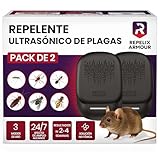
- ✅ AFFORDABLE SOLUTION: Fighting against mice, rats or insects? This ultrasonic pest repeller is a safe, chemical-free mouse repellent to plug in. Protect your home without toxins or expensive deratization services - harmless to humans and pets.
- ✅ SOUND SENSITIVITY NOTE: In modes 2 and 3, some people or animals can hear ultrasonic sound, others may not. This is normal and does not affect effectiveness. If you mind, switch to Mode 1, the quietest option.
- ✅ INTERIOR PROTECTION: Each device covers up to 1,500 sq ft, offering rodent repellent indoor protection for bedrooms, kitchens, living rooms or basements. Works against ants, flies, cockroaches, spiders and mosquitoes. Use one device per room.
- ✅ OPERATION: With three modes of use, this mice repellent indoor adapts to your needs. In the first week, pests may seem more active as they are disturbed, but within 2 to 4 weeks you will see a marked decrease in rodents and insects.
- ✅ 100% SATISFACTION GUARANTEE: If you are not happy with this rodent repellent, or if there is ever an issue, our team is here to help.
First, look for evidence that mice are present
You may not see a mouse at all. Mice are most active at night and often remain hidden behind appliances, inside cabinets, beneath insulation, or in wall and ceiling voids. Look for:
- Droppings: dark, rice-shaped pellets that may be pointed at one or both ends. Fresh droppings are usually darker and softer-looking than old, dusty ones.
- Gnaw marks: damage to food packaging, wood, plastic, wiring, cardboard, and other materials.
- Nesting material: shredded paper, fabric, insulation, dried plants, or other soft material gathered in a protected space.
- Greasy rub marks: dark smudges along baseboards, walls, pipes, or other regularly traveled edges.
- Odor: a stale or musky smell, especially in a closed cabinet, attic, basement, or wall-adjacent space.
- Sounds: scratching, rustling, or movement at night.
- Food damage: nibbled pantry packages, spilled grain, or holes in bags containing cereal, flour, pet food, or birdseed.
One sighting does not automatically prove that a large infestation exists. It does justify checking for fresh signs, finding how the mouse entered, and setting traps near the activity. Do not wait for repeated sightings before inspecting: droppings and gnawing often reveal a problem earlier.
The Tool Desk
Outbyte PC Repair FREEClear out junk files and repair common Windows errorsFree Scan →Outbyte Driver Updater FREEFix the driver behind crashes, sound loss and screen glitchesFind Drivers →Step 1: Inspect the entire structure—not just the room where you saw a mouse
Start indoors, then walk around the exterior with a flashlight. Pay particular attention to places where two materials meet or where pipes, wires, ducts, and vents pass through walls, floors, ceilings, or foundations. If a pencil can fit through a gap, treat it as a potential mouse entrance.
Indoor inspection checklist
- Under, behind, and inside kitchen cabinets
- Behind the refrigerator, stove, dishwasher, and washing machine
- Around plumbing beneath sinks
- Around water heaters, furnaces, radiators, and their pipes
- Where electrical, gas, sewer, cable, and utility lines enter the structure
- Around floor vents, dryer vents, and other duct penetrations
- Around fireplaces and chimneys
- At floor-to-wall junctions and beneath toe-kicks on cabinets
- Around basement floor drains
- In attics, crawl spaces, basements, garages, utility rooms, and storage areas
- Around windows, exterior doors, screens, and poorly fitted frames
Exterior inspection checklist
- The joint between the foundation and the ground
- Door thresholds, garage-door corners, and the bottom and sides of garage doors
- Around windows and exterior doors
- Utility penetrations, pipes, conduits, and cables
- Attic, soffit, gable, and crawl-space vents
- Roof edges, eaves, and damaged soffits
- Cracks or gaps in siding, masonry, skirting, and the foundation
- Gaps around plumbing and other pipes
- Places where vines, branches, rough masonry, or nearby stored materials give rodents access to the building
Inspect detached garages, sheds, cabins, and outbuildings too. A mouse that cannot enter the living area may still be nesting in an attached garage or storage structure and repeatedly find a route indoors.
Step 2: Seal openings with materials mice cannot chew through
Not every patch is equally durable. Mice can gnaw through or dislodge many soft materials, so use sealant as part of a repair—not necessarily as the barrier itself.
| Opening or situation | Better repair | Important qualification |
|---|---|---|
| Small gap or hole | Pack with steel wool and secure it with caulk or spray foam | Steel wool alone can rust, loosen, or be pulled out. Treat it as a secured repair, not a permanent plug by itself. |
| Large gap or irregular opening | Copper or stainless-steel mesh, metal flashing, sheet metal, cement, mortar, or another rodent-resistant material | Fasten the material firmly and seal its edges where needed. |
| Vent or screened opening | Use properly fitted metal mesh or a purpose-designed rodent-resistant screen | Do not block airflow, drainage, or required ventilation. |
| Door bottom | Install a close-fitting metal-backed door sweep and repair or replace the threshold | Check the corners and sides as well as the center of the door. |
| Foundation or masonry crack | Use mortar, cement, masonry repair material, or metal reinforcement appropriate to the structure | Large structural cracks may require a qualified contractor. |
For larger openings, use hardware cloth with openings smaller than ¼ inch, metal flashing, sheet metal, cement, mortar, or copper or stainless-steel mesh. Wood, plastic screening, rubber, vinyl, caulk alone, and spray foam alone should not be treated as dependable stand-alone mouse barriers. Foam can be useful around a metal mesh repair, but mice may chew through exposed foam.
Do not seal ventilation or drainage openings blindly
A mouse-proofing project must not create a carbon-monoxide, fire, moisture, or appliance problem. Do not simply plug a dryer exhaust, combustion-air opening, furnace or water-heater vent, HVAC intake or exhaust, or required weep or drainage hole. Have the opening evaluated by a qualified contractor or use a screen specifically designed for that purpose. EPA building guidance warns against obstructing exhaust and treats clothes-dryer vents differently from ordinary holes.
Likewise, do not alter a chimney or combustion system casually. Seal gaps around the structure while preserving the safe operation of the flue and appliance.
What if mice are already in a wall?
There is no universal requirement to wait before sealing. In many cases, sealing access points and trapping at the same time is the most practical approach. But if you hear persistent scratching inside a wall, attic, chimney, duct, or ceiling—or suspect a nest with young—do not seal an inaccessible opening without a plan for the animals inside. Ask a pest professional to identify the route and determine whether removal, trapping, or a staged exclusion is needed.
Also popular on Amazon
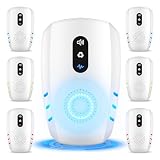
- 【Advanced Ultrasonic Technology】This ultrasonic pest repeller uses multi-frequency ultrasonic waves within a frequency range of 10kHz-65kHz to help create an uncomfortable environment for common indoor pests. As a pest repellent ultrasonic plug in, it supports daily pest control needs for mice, roaches, ants, spiders, mosquitoes, and more. It is a practical choice for customers looking for a mouse repellent, rodent repellent, or ultrasonic rodent repeller for indoor spaces.
- 【Safe Indoor Use & No Mess】Compared with traditional mouse traps indoor for home or chemical sprays for mice, spiders, ants, mosquitoes, and other indoor pests, this mouse repellent ultrasonic plug in helps support a cleaner home without bait, sticky boards, harsh odors, or messy cleanup. Designed for bedrooms, kitchens, living rooms, hallways, and other enclosed areas, it offers a more reassuring choice for everyday indoor use around people and pets.
- 【3 Ultrasonic Modes – Frequency & Target Pest Coverage】Easy plug-in and one-button operation. 3 professional frequency modes for precise pest repelling: Blue Mode (25-45 kHz) for mosquitoes, gnats, fruit flies; Yellow Mode (18-35 kHz) for ants, cockroaches, spiders; Red Mode (10-25 kHz) for rats, mice, large bugs. Red mode may make slight noise, use when no people/pets are indoors. No mess, full room pest protection.
- 【Wide Indoor Coverage】This mice repellent indoor device is suitable for indoor areas up to 1600 sq ft in open space. For better performance, place one unit in each room because ultrasonic waves may be blocked by walls and large furniture. It can be widely used in most indoor environments, whether at home, in the workplace, garages, basements, attics, warehouses, or other enclosed areas, helping provide effective support for a cleaner and more comfortable space.
- 【Energy-saving & 24/7 Automatic Protection】This plug-in ultrasonic device only consumes 3-5W power, saving more electricity than a desk lamp. No batteries required. Simply plug it in, and it works 24/7 all year round with no extra attention needed. It acts as an effective mice repellent and roach repellent indoor, providing steady low-power operation and reliable whole-house pest control for long-term home defense.
Step 3: Remove food, water, and nesting opportunities
Sanitation cannot compensate for an open entry point, but it can make your home much less rewarding to mice and make traps more effective.
Outdated Drivers Are Slowing You Down
One free scan finds every outdated or missing driver and matches the right update for your exact hardware.Free scan · exact hardware matchPC Slower Than It Used to Be?
A free scan shows the junk files, broken settings and background clutter dragging Windows down - then fixes them in one click.Free scan · Windows 10 & 11Inside the home
- Store cereal, grains, flour, pasta, pet food, and other pantry staples in thick plastic, metal, or glass containers with tight-fitting lids. Cardboard boxes and thin bags are not reliable barriers.
- Clean crumbs and spills promptly, including beneath appliances and inside drawers.
- Wash dishes, cookware, and utensils soon after use.
- Put pet food and water away overnight when practical, especially in areas with mouse activity.
- Keep garbage in a thick plastic or metal container with a tight-fitting lid.
- Repair dripping faucets, leaking pipes, and other accessible water sources.
- Keep boxes, clothing, blankets, paper, and fabric off the floor and reduce clutter in basements, garages, attics, and closets.
Outside the home
- Close garbage and compost containers securely.
- Store animal feed and birdseed in rodent-resistant containers.
- Keep bird feeders away from the house, use squirrel-resistant feeders where appropriate, and clean spilled seed from the ground.
- Move woodpiles, lumber, discarded vehicles, tires, debris, and dense storage away from the structure.
- Trim branches and vines that touch the building or provide a route to the roof.
- Keep garages, sheds, cabins, and other outbuildings sealed and free of unnecessary nesting material.
CDC rodent-prevention materials sometimes recommend keeping compost, woodpiles, and dense vegetation as much as 100 feet from the home. That separation can be especially useful on rural, wooded, or heavily infested properties, but it is not a practical universal requirement for every urban lot. Apply the principle—reduce cover and food near the structure—within the space you actually have.
Step 4: Trap mice that are already indoors
Use mouse-sized traditional snap traps, not oversized rat traps. Snap traps provide a quick mechanical control method and are the CDC’s preferred first-line option for household rodents.
How to place the traps
- Use a small amount of sticky bait, such as peanut butter. Peanut butter mixed with a little oats or cereal can also work. CDC materials also mention mutton fat.
- Place traps where you found droppings, gnaw marks, nests, or damaged food: along walls, behind appliances, inside the backs of cabinets, in dark corners, and along routes in attics, basements, crawl spaces, garages, and utility rooms.
- Put the baited end against the wall so the trap forms a “T” with the wall. Mice commonly travel alongside walls and objects, so this orientation puts the trigger in their path.
- Keep traps where children and pets cannot reach them. Use enclosed trap boxes or place them in inaccessible service areas when necessary, while still ensuring that you can inspect them.
- Check every trap daily and remove captures promptly.
A single trap in the middle of a room is usually less effective than several traps placed along active runways. In an active area, UC IPM recommends spacing traps no more than approximately 10 feet apart. Pairs placed about 1–2 inches apart may improve success where mice are active. These are practical recommendations, not a guaranteed formula; use more traps when signs occur in multiple rooms or along several walls.
Pre-baiting—placing bait on an unset trap for several days—may help with cautious rats, but it is generally less necessary for house mice, which are often less wary of new objects. It is not a mandatory step for every mouse problem.
When can you stop trapping?
Continue trapping until there are no captures and no fresh signs for at least one week. Then keep checking for new droppings, gnaw marks, and food damage, especially after weather changes or building work. This one-week endpoint is a practical CDC monitoring recommendation, not a guarantee that a mouse can never return.
Why glue traps and live traps are poor household choices
The CDC does not recommend glue traps or live traps for household rodent control. A trapped rodent may panic and urinate, potentially increasing exposure to contaminated material. Live release also does not solve the access problem: a mouse released outside may return if openings remain, and relocation rules vary by jurisdiction. Some places prohibit moving house mice off the property.
If humane treatment is a priority, ask a licensed professional about local requirements and removal options, but do not assume that releasing a mouse elsewhere is safe, legal, or permanent. Whatever method is used, exclusion remains necessary.
Should you use mouse poison?
Usually, start with exclusion and snap traps. The CDC says rodenticide or bait stations may be considered when an infestation persists, but poison is not a substitute for sealing holes and removing food.
Recommended Free Tools
Also popular on Amazon

- How It Works:Our device uses cutting-edge ultrasonic waves to generate an environment that pests find highly unpleasant, gently motivating them to leave your home on their own. With regular use, it gradually reshapes pest habits, helping you enjoy a cleaner, pest-free living space—without any chemicals or harm to animals or people.
- Super Simple Setup:Just plug it into any standard wall outlet. You’ll hear a short “beep” and see a gentle pulsing blue light that confirms the unit is working. Most people start noticing fewer pests within 2–4 weeks as the unwanted visitors naturally relocate. Important: During the first 1–2 weeks you might see slightly more activity—this is normal and means pests are being encouraged to come out of hiding and leave.
- Large Coverage Zone:One unit effectively protects open areas of 800–1,200 square feet. For best performance, place one device in each room or major open space. Ultrasonic sound waves do not travel through walls or solid furniture, so multiple units are recommended for full-home protection.
- Clean & Chemical-Free Protection:Say goodbye to sprays, poisons, glue traps, and messy dead bugs. This electronic solution creates a natural sound barrier that pests prefer to avoid—no toxins, no odors, no cleanup required. A safe, family- and pet-friendly way to keep your home comfortable.
- Extremely Energy Efficient:Consumes only 3–5 watts of power (far less than a typical night light or phone charger). No batteries to replace, no maintenance—just plug in and forget. An eco-smart, low-cost way to protect your home year-round.
Rodenticide can reach mice in inaccessible areas, but that is also its main drawback: a mouse may die inside a wall, ceiling, duct, or other void where the carcass creates odor and sanitation problems. Poison can also harm pets and wildlife through direct access or by eating a poisoned rodent.
If bait is necessary
- Use only an EPA-registered product.
- Follow the product label exactly.
- Use the supplied or otherwise approved bait station; never scatter loose bait.
- Keep bait inaccessible to children, dogs, cats, and wildlife.
- Do not store pesticides near food or pet food.
- Promptly remove dead rodents when it is safe to do so, using the CDC cleanup procedure below.
EPA’s consumer rodenticide rules have changed and product labels matter. The EPA page on the consumer pellet restriction was updated May 5, 2026. EPA states that consumer products must be sold as block or paste bait packaged with an EPA-approved bait station; loose consumer pellet products are banned, consumer packages may contain no more than one pound, and second-generation anticoagulants—including brodifacoum, bromadiolone, difenacoum, and difethialone—are excluded from consumer products. These restrictions concern consumer products; professional-use products and local availability are treated differently. Check the current EPA label and your state requirements before buying or applying any rodenticide.
Do ultrasonic devices, peppermint, or cats keep mice away?
There is no good reason to choose a scent or electronic gadget instead of structural exclusion and trapping. Commonly marketed options include:
| Product or method | What it can—and cannot—do |
|---|---|
| Ultrasonic or electromagnetic plug-ins | UC IPM finds high-frequency electronic devices ineffective or of very limited use for established mice. Sound is directional, loses intensity quickly, and does not reliably penetrate behind objects, walls, or furniture. |
| Peppermint oil | A strong scent may temporarily alter behavior or make a mouse avoid one saturated spot, but it will not make mice leave a building. They can move around the treated area. |
| Dryer sheets, soap bars, aluminum foil, predator urine, or lights and radios | These are not reliable building-wide exclusion methods and do not repair entry points. |
| Cats and dogs | A pet may catch an individual mouse, but predators rarely control a house-mouse population sufficiently. Rodents may also become more hidden and difficult to detect. |
These methods may seem attractive because they are simple, but they do not address the three conditions that sustain an infestation: access, food, and shelter. Mothballs should not be used as an indoor mouse repellent; they are pesticides intended for labeled uses and can expose people and pets to toxic vapors.
Clean droppings, urine, nests, and dead mice safely
Rodents can contaminate food and surfaces with urine, feces, saliva, nesting material, and parasites. Some wild rodents can carry hantaviruses, and other rodent-associated infections such as lymphocytic choriomeningitis have different geographic and animal associations. Risk varies by rodent species and location; not every mouse carries hantavirus, and ordinary contact does not inevitably cause illness. The sensible response is exposure prevention and correct cleanup, not panic.
CDC cleanup procedure for a light-to-moderate amount of contamination
- Ventilate first. Open doors and windows and leave the area for 30 minutes before cleaning. Do not remain in the space while it airs out.
- Put on rubber or plastic gloves.
- Do not sweep or vacuum. Leave droppings, urine, nests, and dead rodents undisturbed until they are wet with disinfectant.
- Wet the material thoroughly with an EPA-registered disinfectant or a freshly prepared bleach solution. CDC’s current formula is 1½ cups of household bleach per 1 gallon of water, approximately a 1:9 dilution. Never mix bleach with other cleaners, and follow the product label where it differs.
- Let it soak for five minutes, or use the contact time stated on the disinfectant label.
- Wipe it up with paper towels. Mop or sponge hard surfaces with disinfectant.
- Double-bag waste including dead rodents, nests, used paper towels, and disposable cleaning materials.
- Finish by washing your gloved hands before removing the gloves, then wash bare hands with soap and warm water.
Wash contaminated washable fabrics according to the CDC’s recommendations. Porous materials that are heavily contaminated—especially insulation—may require removal and replacement rather than surface cleaning.
When cleanup is too extensive for DIY work
Call a professional for numerous droppings, multiple nests, many dead rodents, contaminated insulation, extensive attic or crawl-space activity, or a suspected rodent-borne disease exposure. Heavy infestations may require coveralls, boots or shoe covers, gloves, goggles, and appropriate respiratory protection. If rodents have entered heating or cooling ducts, arrange professional rodent removal and duct assessment instead of opening or vacuuming contaminated ductwork casually.
Independent reader supportYour contribution helps us test, update, and keep practical guides available for everyone.When to call a pest professional
DIY trapping and sealing is reasonable for limited activity that is accessible and easy to monitor. Professional help is the safer and more efficient choice when:
What’s actually slowing this PC down?
Pick the symptom - the matching free tool is one click away.
- Fresh signs continue after you have sealed visible openings and used multiple correctly placed traps.
- You hear activity in walls, ceilings, chimneys, ducts, or other inaccessible voids.
- Mice are nesting in insulation or a large attic, crawl space, or basement.
- There are extensive droppings, urine stains, nests, or dead rodents.
- Children, pets, or wildlife could reach traps or bait.
- The infestation involves an apartment, attached home, shared utility chase, or other structure-wide route.
- You cannot safely identify whether an opening is a vent, drain, or combustion-air passage.
When hiring, verify that the company is licensed where required. Ask for an inspection and written plan that identifies entry points, includes exclusion or source correction, explains any traps or pesticides proposed, specifies bait-station placement, and includes follow-up visits. Be cautious of a service that wants to scatter bait without repairing the building or cannot explain how children, pets, and wildlife will be protected. EPA provides additional guidance on hiring a rodent-control professional.
Also popular on Amazon

- Dual Ultrasonic & LED Rodent Deterrent: Combines variable-frequency ultrasonic waves with flashing dual LED strobe lights to help deter rats, mice, squirrels and other rodents. Designed for under-hood protection to help discourage nesting and chewing of vehicle wiring and components.
- Cordless Battery-Powered Protection: Powered by 3 AA alkaline batteries (not included), this cordless rodent repellent requires no wiring or vehicle battery connection. Provides long-lasting protection for parked vehicles, seasonal-use equipment and long-term storage.
- Smart Energy-Saving Design: Equipped with intelligent auto standby mode that detects engine vibrations—automatically powers down while the vehicle is in motion. Conserves battery life while ensuring protection is active whenever the vehicle is parked.
- Heat-Resistant Housing for Under Hood Use: Constructed with durable, high-temperature-resistant materials suitable for vehicle engine compartments and under hood environments when installed away from direct heat sources. Designed for reliable performance as an under hood rodent repellent for cars, trucks, SUVs and other vehicles in demanding conditions.
- Quick Installation & Versatile Use: Installs in minutes using the included reusable zip ties. Suitable for automobiles, pickup trucks, campers and, trailers. Also helps protect stored equipment and property in workshops, warehouses, attics, garages, barns and sheds where rodent activity may occur.
Special situations
Homes with dogs, cats, or children
Use snap traps only where children and pets cannot access them, such as inside secured trap boxes or protected service spaces. Do not leave bait, dead rodents, or accessible traps unattended. If a pet may have eaten bait or a poisoned rodent, contact a veterinarian or animal poison service immediately and keep the product label available.
Apartments and attached homes
Tell the landlord or property manager promptly, document droppings and visible gaps with photographs, and request inspection of shared walls, utility chases, basements, trash areas, and neighboring units. Treating only one apartment may fail when access routes or food sources are shared. Local housing and pest-control responsibilities vary by lease and jurisdiction.
Cabins and seasonal properties
Before leaving, seal doors, vents, utility penetrations, and other openings; remove all food and pet food; store supplies in rodent-resistant containers; and reduce nesting material. On reopening, ventilate the structure before inspecting for droppings and follow the CDC cleanup procedure rather than sweeping immediately.
Quick wins for a faster PC:
Repair Windows errors before they cause bigger problemsFix Now →Scan for outdated or missing drivers - takes under a minuteDriver Scan →A simple maintenance schedule
- Now: inspect the interior and exterior, seal accessible gaps, remove food and clutter, and place traps near fresh signs.
- Daily during active control: check traps and remove captures safely.
- After one quiet week: look for fresh droppings, gnawing, nesting, and new damage rather than assuming the problem is permanently over.
- At least twice a year: recheck doors, screens, foundation joints, utility penetrations, roofline, vents, garages, and crawl spaces. This inspection interval comes from older CDC public-health guidance and is a recommendation, not a legal requirement.
- After storms, construction, renovations, or major temperature changes: look for shifted flashing, damaged screens, worn weatherstripping, new foundation cracks, and other openings.
- Ongoing: keep birdseed, animal feed, garbage, compost, wood, and vegetation from creating food or cover near the building.
Quick troubleshooting guide
| What is happening? | Next move |
|---|---|
| No current signs; you want prevention | Inspect and seal the structure, store food securely, and clean outdoor attractants. Do not scatter poison preemptively. |
| One mouse or a few fresh droppings | Find and seal gaps, remove accessible food, and set several snap traps near the signs—not one trap randomly in the room. |
| Signs continue after trapping | Reinspect the exterior, increase trap coverage, and investigate attic, crawl-space, wall, and utility routes. Do not assume mice have become “immune.” |
| Odor develops after poison use | A carcass may be in an inaccessible void. Contact a professional if you cannot locate and safely remove it. |
| Heavy contamination or rodents in ducts | Stop DIY cleanup, ventilate, avoid dry sweeping or vacuuming, and arrange professional cleanup and control. |
| Activity returns in an apartment or attached structure | Report it to management and request inspection of shared routes and neighboring areas as well as your unit. |
Frequently Asked Questions
Can mice really get through a hole the width of a pencil?
Yes. The CDC advises treating openings of approximately ¼ inch (6 mm)—about pencil width—as potential mouse entry points. Seal them with rodent-resistant material; do not rely on exposed foam, plastic, or caulk alone.
Will peppermint oil keep mice out of my house?
No reliable evidence supports peppermint oil as a building-wide mouse-control method. A concentrated scent may temporarily alter behavior or make a mouse avoid one spot, but it will not remove mice or stop them from using another route.
Is it safe to vacuum mouse droppings?
Not when they are dry. CDC guidance says to ventilate for 30 minutes, wet droppings and nesting material thoroughly with disinfectant or a fresh bleach solution, wait five minutes or follow the label, and wipe them up. Dry sweeping and vacuuming can put contaminated particles into the air.
How long should I keep mouse traps set?
Check them daily and continue until there have been no captures and no fresh signs for at least one week. Keep monitoring afterward because this is a practical endpoint, not a permanent guarantee.
Free tools Windows power users keep installed
One-click scans. No signup required.
Should I use poison if snap traps do not work?
First check that entry points were actually sealed, food was removed, and enough traps were placed along active walls. If activity persists, an EPA-registered bait product in an approved bait station may be considered, but poison can kill mice inside inaccessible voids and can harm pets or wildlife. Never scatter loose bait.
What should renters do about mice?
Notify the landlord or property manager, document signs and gaps, and request inspection of shared walls, utility chases, trash areas, basements, and neighboring units. In multifamily buildings, treating only one unit may not address the route or source.
The Bottom Line
For the best chance of keeping mice out long term, think like an exclusion specialist: close every pencil-width gap with a durable rodent-resistant repair, remove food and nesting cover, trap the mice already inside, and clean contamination without creating airborne dust. Skip loose poison, glue traps, ultrasonic gadgets, and scent-based “repellents” as primary solutions. Keep inspecting—because lasting mouse control is maintenance, not a one-time promise.





Leave a Reply