
Some links on this page are affiliate links: if you buy through them we may earn a commission, at no extra cost to you.
Squirrels usually dig in potted plants for one of two reasons: they are burying food, or they are searching through recently disturbed soil for something to eat. They may also chew tender shoots, flowers, fruit, seeds, and bulbs.
The most dependable fix is to make the soil physically difficult to reach. Repellents and scare devices can help temporarily, but squirrels often return when the smell fades or they learn that a fake predator is harmless. If you have dogs or cats, choose barriers and habitat changes first, and keep any pesticide or repellent away from pets according to its label.
As an Amazon Associate I earn from qualifying purchases.
Free tools Windows power users keep installed
One-click scans. No signup required.
1. Cover the soil with galvanized metal mesh
A properly secured layer of hardware cloth or chicken wire stops squirrels from digging while still allowing rain, irrigation, and light to reach the potting mix.
- Cut the mesh slightly larger than the inside diameter of the pot.
- Make a slit from the edge to the center, or cut a small opening around the plant stem.
- Fit the mesh over the soil.
- Secure it beneath the pot rim, hold it down with landscape staples, or weight the edges so a squirrel cannot lift it.
Cover seeds, bulbs, and small transplants immediately after planting. For a mature plant, use a donut-shaped disk around the stem. If the squirrel is climbing into the foliage as well as digging, make a small wire cage that covers the whole container.
Popular on Amazon

- Material and size: The size of the hardware cloth is 48 inch×100 ft square and 1/2 inch×1/2 inch thickness, adopt 19 guage hot-dipped galvanized material
- The amazing craft projects: select high-quality iron wire to be welded into wire fencing and then galvanized. The flat hardware fabric beautifies the appearance and have a certain function of decorative. The structure is firm and has high corrosion resistance. It is easy to install and not easily fading and deformed.
- Perfect poultry netting: Are you still worried about your chickens, ducks, rabbits, and other farm animals being attacked by various creatures such as rattlesnakes, raccoons, etc.? Buy it now. This roll cage is especially suitable for chicken fence, it will become your poultry protection cage such as rabbit wire, chicken fencing and duck run. it will become extremely safe and put your mind at ease.
- Multifunctional use: You can freely cut this chicken wire fencing into what appearances you want. The galvanized wire mesh screen roll can effectively protect your garden fruits, vegetables, flowers, and other plants from rodents. While install this mesh wire, please dig a shallow trench first and install the fence 2 to 3 feet deep in ground, so that it will provide the most beneficial protection for your ground. The 1/2inch net diameter can block most crawling creatures
- Warm reminder, before you buy, please read the product size and specifications carefully. The product is heavier, please be careful when installing it to avoid inconvenience to you.
Use sturdy metal rather than thin plastic netting for long-term protection. Squirrels can bite through plastic netting, and loose mesh can trap birds or other animals. Check the barrier regularly for holes, lifted edges, or openings that have formed as the plant grows.
2. Add a difficult-to-dig top layer
For established plants, cover the exposed potting soil with material that is awkward for a squirrel to move. Options include:
Do these 3 things before closing this tab:
1Clear out junk files and repair common Windows errors2Scan for outdated or missing drivers - takes under a minute3Repair Windows errors before they cause bigger problems- Large stones or gravel
- Expanded slate
- Pine cones
- Prickly seed pods
An approximately 1-inch layer of stony expanded slate may discourage digging. Choose pieces large enough that a squirrel cannot easily push them aside, but leave a little room around the stem for watering and air circulation.
This method is less suitable for freshly planted seeds and fragile seedlings. A squirrel may still reach the soil through gaps, and heavy stones can interfere with delicate growth. For those plants, anchored metal mesh gives more complete protection.
3. Apply a labeled capsaicin repellent
Hot-pepper or capsaicin-based products may make a pot less appealing, but they are not permanent solutions. Rain, irrigation, competing food sources, and squirrel acclimation can all reduce their effect. Reapplication is usually necessary according to the product label.
Use only a product labeled for the specific situation. Check whether it is approved for:
PC Slower Than It Used to Be?
A free scan shows the junk files, broken settings and background clutter dragging Windows down - then fixes them in one click.Free scan · Windows 10 & 11Outdated Drivers Are Slowing You Down
One free scan finds every outdated or missing driver and matches the right update for your exact hardware.Free scan · exact hardware match- Ornamental plants or edible crops
- The plant part being treated
- Application to foliage, fruit, soil, or the container itself
Do not assume that a product safe for ornamental plants is safe for vegetables or herbs. Penn State Extension notes that a capsaicin product may be used on fruit trees and vegetable crops only before fruit or vegetables are present, or after they have been removed. Follow the label for dilution, protective equipment, reapplication, and harvest restrictions.
Keep treated plants away from pets until the product has dried if the label requires it, and prevent dogs and cats from licking treated foliage or soil. Avoid spraying homemade pepper or peppermint mixtures directly onto desirable plants. Guidance from the University of Maryland Extension recommends keeping unapproved peppermint products on nonplant surfaces, such as the container or a nearby absorbent object, rather than applying them to foliage.
Also popular on Amazon

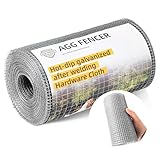
- Galvanized After Welding: Hot-dip galvanized after welding coats every welded joint, so the heavy duty mesh resists rust and breakage far longer than pre-galvanized wire in rain, soil, and sun.Thicker wire builds a sturdier fence that resists bending and animal push-through
- Product Size & Coverage: The roll is 16 inch wide by 25 foot long, and 1/2 inch×1/2 inch mesh opening, enough to cover a small run, a few beds, or one coop, cut to length for any project. Measure your project need first so you order the right length and avoid mid-job gaps
- Easy to Cut & DIY: Smooth welded edges reduce scratches while cutting and installing. And works well with fence posts, zip ties, and landscape staples for quick, tool-light setup. Installing it is a breeze, making it a convenient choice for DIY enthusiasts
- Multipurpose Garden & Coop Mesh: This hardware cloth is designed to build garden fences, poultry netting, and backyard animal barriers that keep rabbits, snakes, and gophers away from your plants and coops.Ideal for gardens, raised beds, chicken coops, and farms during spring planting and summer fencing
- Made for Home Gardeners & Chicken Keepers: Perfect for DIY homeowners, poultry raisers, and landscapers. Whether you're preventing small animals from accessing your garden or reinforcing fences for added security, this metal mesh is a reliable solution that will give you peace of mind
4. Remove food sources near the pots
A container may be an easy stop on a squirrel’s route because food is available nearby. Birdseed, spilled seed, pet food, and accessible garbage can increase squirrel activity around the yard.
Reduce those attractants by:
- Temporarily removing bird feeders while newly planted pots are vulnerable
- Sweeping up spilled seed beneath feeders
- Taking pet food indoors instead of leaving it outside
- Keeping garbage and animal feed in wildlife-resistant containers
- Using a squirrel-resistant feeder or baffle if bird feeding continues
No feeder design defeats every squirrel. Baffles and specialized feeders can reduce access, but squirrels are persistent climbers and may eventually find a way around some designs.
The Tool Desk
Outbyte Driver Updater FREEScan for outdated or missing drivers - takes under a minuteDriver Scan →Outbyte PC Repair FREERepair Windows errors before they cause bigger problemsFix Now →Putting corn or other food in a different part of the yard is sometimes suggested as a diversion. It may keep squirrels visiting—or support more squirrels—so it is not a dependable way to protect potted plants.
5. Move pots away from squirrel launch points
Place vulnerable containers away from trees, shrubs, fences, railings, walls, and other structures that squirrels can climb or use as jumping platforms. A hanging basket positioned where a squirrel cannot jump into it may also be harder to reach.
Moving a pot only a short distance may not help. Squirrels climb well and can jump between nearby surfaces, so look at the entire route rather than just the pot’s current position. A more exposed location with fewer hiding places and more human activity may reduce visits, but it is not guaranteed to exclude them.
Use this change with a soil barrier. Relocating the pot removes the easiest route, while mesh prevents digging if a squirrel still reaches the container.
6. Choose plants squirrels are less likely to disturb
If you are replacing damaged plants, consider species that squirrels generally find less attractive. Possibilities include:
- Alliums
- Garlic and onions
- Garlic chives
- Hot peppers
- Geraniums
- Lily of the valley
- Galanthus
- Hyacinths
- Daffodils
These are preferences, not guarantees. A hungry squirrel may still investigate or damage a plant it normally avoids. Plant choice is also a weak defense against freshly disturbed soil, newly planted bulbs, and containers holding seeds. Combine it with mesh or a difficult-to-dig top layer.
Also popular on Amazon
- Product details: The length of this hardware cloth is 8 inches/ 20.32cm, the width is 25ft/ 7.62m, and the hole size is 1/4 x 1/4inch. It is very suitable for repairing damaged chicken coops, gaps under houses and other small-sized damaged holes
What not to rely on
| Claim or method | What to expect |
|---|---|
| Cayenne pepper permanently solves the problem | Capsaicin may discourage squirrels, but weather, irrigation, available food, and habituation reduce its reliability. |
| Fake owls, reflective tape, radios, or ultrasonic devices provide permanent protection | These may work briefly, but squirrels can become accustomed to them. |
| Mothballs are a safe garden deterrent | Mothballs are toxic and are not recommended for deterring squirrels. |
| A squirrel-proof bird feeder eliminates squirrel visits | Feeders and baffles can reduce access, but they do not guarantee exclusion. |
| There is a way to keep every squirrel out of the yard | Wildlife management is generally about reducing damage, not completely excluding squirrels from a property. |
The best combination for most containers
Start with an anchored metal mesh cover over the soil. Then remove birdseed, pet food, and other attractants from the area, and move the pot away from nearby trees, fences, and railings. This combination addresses the squirrel’s access route, the digging opportunity, and some of the reasons it keeps returning.
Inspect the pot after rain, watering, and windy weather. A loose corner or small gap can be enough for a squirrel to resume digging.
FAQ
What is the most effective way to keep squirrels out of potted plants?
A securely anchored metal mesh cover is generally the most reliable option for individual pots. Remove nearby food attractants and move the container away from trees or fences to make the barrier more effective.
Can I put chicken wire over a potted plant?
Yes. Cut the wire to fit the pot, make an opening for the stem, and secure the edges beneath the rim or with staples or weights. Use sturdy galvanized metal and inspect it for loose sections or holes that could trap wildlife.
Will cayenne pepper keep squirrels out of flower pots?
It may discourage squirrels temporarily, but rain, watering, and habituation reduce its effect. Use only a labeled capsaicin product, and do not apply it to edible plants unless the label specifically permits that use.
Are mothballs safe to use around potted plants and pets?
No. Mothballs are toxic and should not be used as a squirrel deterrent. Choose a physical barrier, remove food attractants, and follow all product labels when using a repellent around dogs or cats.
The Bottom Line
Cover the soil with securely anchored metal mesh, remove nearby food sources, and move pots away from squirrel launch points. Stones or prickly material can help around established plants, while labeled capsaicin products and less-attractive plants are supplementary—not guaranteed—solutions.





Leave a Reply