
What’s actually slowing this PC down?
Pick the symptom - the matching free tool is one click away.
Hot, humid weather calls for less exertion, more water and shade, and closer observation. Move walks to cooler hours, keep activity gentle, provide frequent access to fresh water, and bring your dog indoors when conditions become extreme. Never leave a dog unattended in a parked vehicle. Humidity and exercise can push a dog into heatstroke even when the air temperature does not seem extraordinary.
Why humidity makes overheating more dangerous
Dogs cool themselves mainly by panting. They have sweat glands on their paw pads, but sweating is not their primary cooling system, so they cannot shed heat in the same way people do. In humid air, evaporation from the respiratory tract is less effective. A dog that keeps exercising therefore accumulates body heat faster than it can release it.
As an Amazon Associate I earn from qualifying purchases.
Cornell University College of Veterinary Medicine identifies both exposure to hot or humid environments and overly strenuous exercise as causes of heatstroke. Its guidance gives a normal canine body-temperature range of 100.5–102.5°F; a temperature of 105°F or higher is associated with heatstroke. Those are clinical reference figures, not a reason to wait for a thermometer reading. A dog showing heat-illness signs needs action immediately. Cornell University College of Veterinary Medicine
The Tool Desk
Outbyte Driver Updater FREEScan for outdated or missing drivers - takes under a minuteDriver Scan →Outbyte PC Repair FREEClear out junk files and repair common Windows errorsFree Scan →The safest approach is prevention. Cornell’s Riney Canine Health Center states that “The most effective strategy to prevent heatstroke is avoiding situations where dogs are at risk of overheating.” That means changing the timing and intensity of normal routines rather than trying to cool a dog after it has become distressed. Cornell University College of Veterinary Medicine
#1 Best Overall
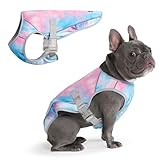
- Advanced Cooling Technology: The Chilltech cooling vest for dogs effectively reduces your pup’s body temperature through evaporative cooling. Just wet the vest, wring it out, and put it on - your dog will feel instant relief. The special fabric retains moisture to provide a long-lasting cooling effect, ideal for hot summer days and outdoor adventures.
- Enhanced Cooling Option: For an extra boost of cooling for dogs, dampen the vest and place it in the freezer before use. This makes it one of the most effective cooling items for dogs, perfect for extremely hot days and heatwaves - keeping your pup comfortable, cool, and protected.
- Safe and Durable Materials: Constructed with premium, lightweight materials, the Chilltech cooling dog vest is safe for your pet—free from harmful chemicals—and built to last. This dog cooling vest for summer offers excellent water absorption, breathability, and flexibility, ensuring all-day comfort during warm-weather adventures.
- User-Friendly Design and Protection: This vest top for dogs features convenient side-release buckles for easy on and off. Perfect for dog walking and dog hiking, it offers SPF 50 UV protection to help prevent sunburn and skin irritation. Reflective materials enhance visibility, keeping your pup safe during outdoor adventures.
- Long-Lasting Cooling Effect: This evaporative cooling vest provides up to 60 minutes of relief, depending on the weather and your dog’s activity level. Just re-wet to reactivate the cooling. It's the perfect cooling vest for dogs for hot weather and extended outdoor fun.
Which dogs need the most protection?
Any dog can overheat, but some have less margin for error. Brachycephalic (short-muzzled) dogs may pant less efficiently because of their airway anatomy. Older dogs, overweight dogs, dogs with thick or dark coats, and dogs with respiratory or cardiac disorders also appear on Cornell’s higher-risk list. Ask your veterinarian to help set safe activity limits if your dog has a heart or breathing condition, is recovering from illness, or struggles to breathe during ordinary activity. Cornell University College of Veterinary Medicine Cornell University College of Veterinary Medicine
| Risk factor | Why it matters on humid days | Practical adjustment |
|---|---|---|
| Short muzzle | Panting may be less efficient. | Choose very short, gentle outings; stop at the first sign of breathing difficulty and obtain individualized veterinary advice. |
| Older age or excess weight | Heat may build faster and recovery may be slower. | Use a slower pace, more breaks and indoor alternatives. |
| Thick or dark coat | The coat can retain heat, particularly in direct sun. | Favor shade and air-conditioned rooms; ask a groomer or veterinarian about appropriate coat care rather than shaving without guidance. |
| Heart or respiratory disorder | Reduced cardiopulmonary reserve can make panting and exertion harder. | Follow the treating veterinarian’s exercise plan and avoid improvising in severe weather. |
| Any dog | Heatstroke is possible even without a recognized risk factor. | Use the same water, shade, timing and supervision rules for every dog. |
A simple routine for hot, humid days
1. Check conditions before leaving
Look beyond the air-temperature number. High humidity, direct sun, still air and a sudden change from a cool day to a hot one can all reduce your dog’s cooling capacity. If the day is exceptionally hot or humid, replace the walk with indoor enrichment, training games or calm scent work. Cornell notes that late afternoon, approximately 3–5 p.m., is often the hottest period; treat that as useful guidance rather than a universal rule, because local weather and shade vary. Cornell University College of Veterinary Medicine
2. Choose cooler hours
Schedule necessary walks for early morning or evening, when the sun is lower and surfaces have had more opportunity to cool. A cooler time is not a free pass for a hard workout: humidity can remain high after sunset, so keep the pace easy and shorten the route if your dog begins panting heavily.
Quick wins for a faster PC:
Scan for outdated or missing drivers - takes under a minuteDriver Scan →Repair Windows errors before they cause bigger problemsFix Now →Rank #2

- Instant 3-Hour Heat Relief for Hot Days: Don't let scorching summer heat trap your dog indoors. Engineered with reusable tech ice packs, the SAVIOR COOL dog cooling vest provides 180+ minutes of continuous, deep cooling comfort-even in controlled 95°F extreme heat. Perfect for daily summer walks, beach trips, car rides, and backyard playtime, it allows your pup to romp freely, stay high-spirited, and beat the heat without heavy panting.
- No-Mess Dry-Touch Tech Helps Keep Fur Drier: Say goodbye to soggy, bacteria-prone soak-and-wear vests that ruin your dog's coat. Our advanced cooling dog harness features waterproof-lined, insulated pockets that contain moisture as the ice packs thaw. With 2 built-in cooling pockets and 4 reusable cold packs included for easy rotation, this low-mess design keeps your dog's fur dry, clean, and safe from hot-weather skin irritations.
- Anti-Chafe Fit for Medium & Large Dogs: The SAVIOR COOL cooling jacket for dogs features fully adjustable straps for a secure, rub-free fit. [Size M] fits neck 18-26" & chest 19.5-39"; [Size L] fits neck 19.5-39" & chest 25.5-47". Please measure your dog before ordering-this neck cut is tailored for larger breeds and may be too loose for French Bulldogs or Pugs.
- 2-in-1 Vest & Light Walking Harness: Engineered for relaxed summer outings, this cooling vest for dogs features an integrated D-ring designed strictly for gentle, no-pull walking when your dog is cooling down. It is not rated as a heavy-duty anti-pull harness. The visibility reflective trim wraps around the chest and back, ensuring maximum safety and peace of mind during late-night or early-morning summer walks.
- Rugged yet Lightweight Comfort for Daily Wear: Built for active dogs who love outdoor exploration, the outer layer is made of abrasion-resistant, quick-dry fabric that withstands rough play and scratches. The streamlined, breathable inner mesh allows maximum air circulation, reducing bulk and heat buildup so your large dog can run, jump, and explore with ease.
3. Reduce intensity and add breaks
Skip running, cycling alongside your dog, vigorous fetch and prolonged off-leash play during oppressive weather. Walk at a relaxed pace, stay on a route with shade, and turn back before your dog looks tired. Frequent pauses let you reassess breathing, responsiveness and coordination. Do not encourage a dog to “push through” heavy panting.
4. Carry water and offer it often
Bring enough fresh water for the dog and the entire outing, and offer small drinks at regular stops rather than waiting for frantic thirst. A portable water bottle or travel bowl can make carrying water easier; it is a convenience, not a heatstroke-prevention device. Refill from a safe source and clean the container regularly. The American Veterinary Medical Association recommends carrying water for pets during warm-weather outings. American Veterinary Medical Association
5. Provide shade outdoors
If your dog must spend time outside, make sure shade is available throughout the period, not only at the start of the day. Natural shade moves as the sun moves; check that the resting area remains shaded. Where natural shade is unavailable, a properly positioned canopy can provide shelter, but it does not replace water, supervision or an indoor option.
Rank #3

- Keep your dog cool this summer with the Swamp Cooler Vest; It provides sun protection and evaporative cooling for hot weather activities such as hiking, walking, camping, and more
- We’ve updated the external air mesh for greater durability and water absorption; The new construction retains more water in high-exposure zones so they can play and explore more
- To activate, simply soak in water, wear and go; The outer layer reflects heat and facilitates evaporation while the updated middle layer absorbs more water to keep them cool longer
- Features an inner mesh lining keeps your pup dry and comfortable; The relaxed fit provides maximum shade with UPF 50+ to help protect them from the sun; Side-release buckles for easy on and off
- Wear on its own or layer over a harness with the integrated leash portal; Compatible with most harnesses, including Ruffwear’s Front Range, Hi & Light, and Web Master harnesses
6. Protect paws from hot surfaces
Asphalt, concrete and artificial turf can become much hotter than the surrounding air. Favor grass or shaded paths, and avoid midday pavement. If you cannot comfortably keep the back of your hand on a surface for several seconds, choose another route or wait for cooler conditions. Check paw pads after the outing for redness, tenderness or blisters and contact a veterinarian if an injury is suspected. The AVMA specifically advises avoiding hot pavement. American Veterinary Medical Association
7. Move indoors during extreme conditions
During extreme heat, very high humidity or a dramatic temperature change, keep your dog in a cool indoor room whenever possible. Air conditioning is the most reliable option; fans can improve comfort and air movement but should not be treated as a substitute for cooling the room. Provide water indoors as well, and make sure the dog can move away from a fan or choose a cooler resting surface. Cornell recommends keeping pets cool indoors in these conditions. Cornell University College of Veterinary Medicine
Why a parked car is never a safe shelter
Never leave a dog unattended in a parked vehicle, even if the windows are cracked, the car is in shade, or you expect to be away for only a few minutes. A vehicle can heat rapidly and the available ventilation is not dependable. The AVMA includes this warning in its warm-weather safety guidance. If you see a distressed animal in a vehicle, contact local emergency or animal-control authorities and follow the laws in your area rather than attempting a risky intervention yourself. American Veterinary Medical Association
Rank #4
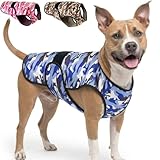
- Goldilocks Cooling Performance: Not too heavy, not too light; just right for summer comfort; dual-layer design made with true cooling microfiber, not mesh; outer layer evaporates while inner layer holds moisture for longer-lasting relief on hot days
- Soft and Durable: Premium quality microfiber feels soft against your dog’s skin and resists snagging better than single-layer alternatives; ideal for those seeking comfort and quality in a lightweight cooling vest
- Fast-Activating Cooling: No ice packs needed; just soak, wring out, and wear; vest activates instantly through evaporative cooling and can be rewetted throughout the day without refrigeration or inserts
- Adjustable and Harness-Friendly Fit: Secure Velcro chest straps ensure a snug, custom fit without restricting movement; can be worn under most walking harnesses and is available in six sizes from XS to XXL for small to large breeds
- Stylish Camo with UV Protection: Available in blue, pink, and green camo patterns; covers your dog’s back and chest for all-day sun protection with dense, tightly woven fabric to help block harmful UV rays
Recognize heat illness early
Watch your dog continuously rather than relying on a single temperature reading. Early warning signs can appear during a walk or shortly after returning home. A dog that seeks shade, stops playing or seems distressed is communicating that the activity should end.
| Signs that require immediate interruption of activity | Emergency signs |
|---|---|
| Heavy or relentless panting; unusually thick drool; seeking shade; whining; reluctance to play; slowing down or refusing to continue. | Vomiting or diarrhea; weakness; confusion; unsteadiness; abnormal gum or tongue color; difficulty breathing; seizures; collapse. |
Cornell and the AVMA list these symptoms among signs of heat illness. A dog does not need to show every sign, and a brief improvement after resting does not prove the danger has passed. Cornell University College of Veterinary Medicine American Veterinary Medical Association
Free tools Windows power users keep installed
One-click scans. No signup required.
What to do if you suspect heatstroke
Heatstroke is an emergency. Begin cooling while arranging immediate veterinary care; do not wait at home to see whether the dog recovers.
Best Value

- 【Water-Activated Dog Cooling Vest】 Keep your dog comfortable on warm days with this water-activated dog cooling vest. Simply soak or spray the vest with water, wring out excess moisture, and put it on your dog to help provide refreshing cooling comfort during summer walks, hiking, camping, running, and outdoor play
- 【3-Layer Breathable Cooling Fabric】 This dog cooling jacket is made with a 3-layer fabric design: a breathable mesh outer layer, a water-absorbing middle layer, and a soft inner lining. The lightweight dog cooling coat helps retain moisture for evaporative cooling while allowing airflow for comfortable wear
- 【Flip-Up UV Neck Collar】 Designed with a foldable 4 cm neck collar, this summer dog vest offers extra neck coverage when flipped up and a relaxed fit when folded down. The UV neck collar helps reduce direct sun exposure around your dog’s neck during outdoor activities
- 【Adjustable Fit with Leash Opening】 The adjustable side buckle design makes this cooling vest for dogs easy to put on, take off, and secure for a snug fit. A convenient leash opening allows you to connect a leash easily, making it practical for daily walking, travel, park visits, and active outdoor use
- 【Reflective Trim for Better Visibility】 Built with reflective trim details, this breathable mesh dog vest helps improve visibility in low-light conditions. The lightweight structure, secure buckle, and comfortable fit make it a practical dog cooling vest for small, medium, and large dogs in hot weather
- Stop exercise and move the dog out of the heat. Get into shade or an air-conditioned room as quickly as possible.
- Start cool-water cooling. Wet the dog with cool water and use air movement if available. Avoid delaying transport while gathering special equipment. Cornell recommends wetting the dog with cool water and using vehicle air conditioning on the way to the hospital. Cornell University College of Veterinary Medicine
- Call an emergency veterinary hospital and go immediately. Tell the staff the dog’s symptoms, the likely heat exposure and what cooling you have started so they can prepare.
- Continue cooling during transport without obstructing breathing. Keep the vehicle cool and the dog positioned safely. Do not postpone professional treatment because the dog appears more comfortable.
Guidance on water temperature differs among veterinary sources. VCA advises cool, not cold, water and cautions against ice or ice water; Cornell likewise emphasizes cool-water wetting. The key point is prompt, gentle cooling followed by urgent in-person veterinary evaluation, because heatstroke can damage multiple organs even after the dog’s breathing appears calmer. VCA Animal Hospitals American Veterinary Medical Association, Pet First Aid (2025)
A quick decision checklist for each outing
- Is the weather hot, humid, sunny or unusually different from recent days?
- Can you choose an early-morning or evening route with shade?
- Have you packed enough fresh water and a bowl?
- Can your dog stop, rest and return home quickly?
- Is the walking surface cool enough for paws?
- Does your dog have a short muzzle, advanced age, excess weight, thick coat, or heart or breathing disease that calls for a shorter plan?
- Is there a cool indoor space available if panting becomes excessive?
If several answers are unfavorable, skip the outdoor workout and provide low-key indoor activity instead. There is no published population-level rate in the cited guidance for heatstroke specifically caused by humid days, so a precise “safe” humidity cutoff cannot be supplied. Use your dog’s behavior, the actual conditions and your veterinarian’s advice rather than a single universal number.
Common mistakes that increase heat risk
- Waiting for visible collapse: heavy panting, drooling or refusal to continue are reasons to stop before a crisis.
- Assuming shade solves the problem: shade can move, and humid air still limits evaporative cooling.
- Replacing water with a cooling gadget: no accessory substitutes for reduced exertion, supervision and a cool environment.
- Exercising at the usual intensity: fitness does not make a dog immune to heatstroke; humidity and hard effort can combine dangerously.
- Leaving the dog in a car “just briefly”: cracked windows and shade do not make an unattended vehicle safe.
- Delaying veterinary care after home cooling: apparent improvement does not rule out internal injury.
Bottom line for humid weather
Protect your dog by avoiding overheating opportunities: choose cooler hours, keep activity short and gentle, carry water, provide dependable shade, protect paws from hot surfaces, and use air-conditioned indoor space when conditions are severe. At the first sign of heat illness, cool with water and seek emergency veterinary care immediately.
Quick Recap
Product prices and availability are accurate as of the date/time indicated and are subject to change. Any price and availability information displayed on Amazon at the time of purchase will apply.





Leave a Reply