If you can no longer afford your pet’s care, first ask a veterinarian, local shelter, rescue group or animal-welfare organization whether practical help could keep your pet safely with you. If that is not possible, arrange a careful direct placement or contact a shelter or rescue before bringing your pet in. Be honest about the animal’s health and behavior, check that a new home can meet its needs, and keep the pet safe until someone has explicitly accepted responsibility. Financial hardship alone does not make you an unfit owner, and you do not have to make this decision without asking for help.
Start with the problem you need to solve
“I can no longer keep my pet” can mean several different things: food is running short, a medication is unaffordable, a veterinary bill is beyond reach, housing has become unstable, or a temporary crisis has made daily care difficult. Identifying the immediate problem helps you ask for the right kind of support. It may also show whether the need is temporary or whether a permanent new home is necessary.
As an Amazon Associate I earn from qualifying purchases.
If your pet may be sick or needs urgent treatment
Call a veterinarian or emergency veterinary service promptly and explain what is happening, including what care you can and cannot afford. If you think your pet is sick, the ASPCA advises taking the animal to a local veterinarian immediately. A rehoming guide cannot determine how urgent a symptom is or replace professional veterinary advice.
Outdated Drivers Are Slowing You Down
One free scan finds every outdated or missing driver and matches the right update for your exact hardware.Free scan · exact hardware matchWindows Errors? Fix Them Before They Spread
Repair common Windows errors and clear accumulated junk for a smoother, more stable PC - no reinstall needed.Free scan · no reinstallAsk the veterinary practice treating your pet whether it offers payment arrangements. The ASPCA specifically recommends asking the hospital or private veterinarian about payment plans. You can also call a local shelter or rescue and ask whether it knows of organizations in your area that help with veterinary costs. Programs, eligibility and the kinds of expenses covered vary by community; do not assume that a national organization will pay an individual bill. The ASPCA says it cannot provide financial assistance for an individual’s veterinary bills, although it operates free or low-cost services in some communities.
#1 Best Overall
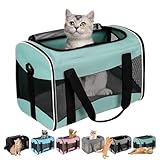
- [PRODUCT DIMENSIONS] Pet travel carrier size : 17x11x11 inches, recommended up to 15 lb pets, it is suitable for large, medium cats and small dogs. Please don't choose your airline cat carrying case based on weight, please refer to your pet's length and height when choosing a pet carrier size.
- [AIRLINE APPROVED] This cat carrier is designed with airline approved, it can fit comfortably under most flight seats, we can take our pets wherever we want. Dog travel carrier offers two attachment loop handles that can be used as a dual harness or as a luggage strap for balanced carry and secure transport.
- [EXCELLENT MATERIAL] Collapsible cat carrier is made of polyester fabric, supported by a steel ring, washable, wear-resistant and durable. The three sides and the top of this pet carrier are nylon mesh, scratch-resistant and not easy to damage, it can not only check your pet in real time, but also ensure enough air circulation.
- [SAFE AND COMFORTABLE] Dog travel bag has metal zippers on the top and side entrances, durable and not easy to deform, it allows your pets to enter and exit easily. The cat carrying case is equipped with an anti-escape safety buckle, which can effectively prevent pets from accidentally falling. It is suitable for car rides and vet rides.
- [PORTABLE AND FOLDABLE] Pet travel carrier comes with a detachable and hand washable wool pet bed, it can provide a comfortable sleeping space for your traveling pet. The cat travel case comes with an adjustable shoulder strap and handle for easy portability. When not in use, you can fold it up for storage.
If the shortfall is food, supplies or routine care
Tell a local shelter, rescue, veterinary clinic or animal-welfare group exactly what you need. Ask whether your area has a pet-food pantry, supply assistance, subsidized veterinary care or another local program. Some organizations list these services, but availability and eligibility are local. Be specific about whether the need is for food, medication, preventive care or another expense so the organization can direct you to the right resource.
If the crisis may be temporary
Ask a trusted person or a recognized temporary-care program whether they can care for your pet for a defined period. Temporary fostering may help during a personal crisis, but the options depend on where you live and on the program’s capacity. Before the pet moves, agree on the expected duration, who pays which costs, who can make veterinary decisions, how you will stay in contact and how the pet will return to you. A clear arrangement protects both the animal’s care and everyone’s expectations.
Use dated figures in context
The ASPCA reported results from a U.S. rehoming study in 2015. Among respondents who said they had given up a pet because of a pet-related issue, 26% said they could not afford medical care for the animal’s health problems. Among respondents with household incomes below $50,000, 40% identified free or low-cost veterinary care as the service that might have helped them most. These are findings reported from that study and its specific respondent groups—not current estimates of all pet owners or a measure of your individual options.
Choose a rehoming route that allows a careful match
If keeping your pet is not possible, consider both an owner-led placement and surrender to a shelter or rescue. Neither route is automatically right for every animal or situation. Your location, the pet’s needs, the organization’s services and available time all matter. Contact relevant organizations early: a direct placement takes time to find a suitable adopter, while an organization may have an intake process, limited capacity or a waiting list.
Rank #2
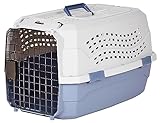
- Hard sided pet carrier with 2 doors for front and top entry; suitable for cat or medium size dog weighing 12 - 20 pounds
- Durable plastic construction with steel wire doors; screws keep the top and bottom sections securely connected
- Spring load latches ensure easy one-handed door opening and closing; top door swings open to the left or right and includes a top carry handle
- Plenty of air ventilation on the sides, top, and back of the carrier
- Note: Be sure to measure the size of the pet when choosing carrier size
Owner-led placement
Start with people and organizations that may already know you or the pet: family, friends, neighbors, your veterinarian, local animal-welfare networks and, where applicable, the pet’s original breeder or rescue. Animal Welfare Victoria says an owner may rehome directly with a family member, friend or suitable owner, and notes that a breeder or rescue may be able to take the animal back.
Some humane societies point owners toward supported self-rehoming listings, including Home To Home and Rehome by Adopt-a-Pet, as well as local rescue groups. Check each service’s current area, eligibility and process directly. A listing can connect you with potential adopters, but it does not verify that a particular person or household is suitable. You remain responsible for asking questions and deciding whether the home can meet your pet’s needs.
Surrender to a shelter or rescue
A shelter or rescue may offer formal intake, assessment or placement support. Services differ: some may accept owner surrenders for your location and species, while others may not have room or may require an appointment or advance review. Call before travelling or making plans around a particular facility. Ask about its process and what it can explain about likely outcomes; intake is an assessment, not a promise that the animal will be adopted.
What’s actually slowing this PC down?
Pick the symptom - the matching free tool is one click away.
How the options differ
| Consideration | Owner-led placement | Shelter or rescue surrender |
|---|---|---|
| Matching and support | You can describe your pet directly and assess a prospective home yourself. A supported listing service or local organization may offer advice, depending on availability. | The organization may conduct a formal intake, assessment or placement process. The specific support offered varies. |
| Timing | You need enough time to find and screen a suitable adopter; a listing does not ensure a quick match. | An appointment, application, waiting list or intake limit may affect timing. Contact the organization early. |
| Information handoff | You can pass records, routines and history directly to the new owner. | Staff will need accurate health and behavior information to assess the animal. |
| Costs and eligibility | Any service requirements or costs depend on the listing service and location. | Fees, reduced-fee arrangements and eligibility vary by organization and location. Confirm current details directly. |
Human Animal Support Services’ toolkit encourages shelters to ask whether an owner could rehome with support or whether temporary fostering could help. This describes a service model, not a promise that a particular shelter in your area offers it.
Rank #3

- High Quality Design:Sturdy steel cage structure and wooden support board maintain good spatial stability and shape. Breathable mesh windows on four sides,which can ensure good air circulation and views,make pets have a comfortable and safe travel.It can also be easy for you to check on your pets.There is a front pocket to store pet toys,treats,etc.
- Dimension and Weight:Made of durable tear-resistant fabric.Four easy entrances for pets. Dimensions: 17 inch x 11 inch x 11 inch (L*W*H), suitable for pets up to 16 lbs.Please don't choose your carrier based on weight only,consider your pet's length and height when choosing a carrier.
- Airline Approved & Safty:Can be placed under the seats of most airplanes(Four non-slip feet on the bottom to prevent movement), and comfortably on the seat next to you in a car or bus.It has a adjustable shoulder strap.Can also be fastened to the car seat with a safety belt or shoulder strap to keep your pet safe.
- Easy to Clean :You can clean the stains and dirt on the surface with a soft cloth.Soft mat inside the pet carrier is removable and washable.You can take it out and wash it easily to solve all stains.
- Easy to Collapsible & Lightweight:When not in use,fold it into a flat,space saving and easy to store.Only 2.2lbs,it's easier to carry around.It can also used as a toy of pet house,allowing pets to play in a safe space to relax and rest.
Prepare an honest, useful description of your pet
Whether you are speaking with a potential adopter or a receiving organization, share the full picture. Animal Welfare Victoria explains that organizations use an animal’s history, health and behavior to assess the animal, and states: “Being honest about your pet’s history helps organisations make the best decisions for both the animal and the community.”
Gather records and describe daily needs
Write down what you know before you make a listing or call. Include the pet’s age, breed or type, sex, vaccination and microchip status if known, veterinary history, current medication, training, behavior and daily routine. Note practical care needs as well, such as exercise and the animal’s compatibility with children or other animals. If a fact is unknown, say so rather than guessing.
Share relevant incidents accurately, including any previous aggression, bite or injury. Be clear about the circumstances and what you know; leaving out a concern can put people and animals at risk and make a suitable placement harder. If there was a recent bite or you are unsure what must be reported, ask the receiving organization, local animal control or a veterinarian how to proceed. Reporting and quarantine rules can depend on local law.
Quick wins for a faster PC:
Scan for outdated or missing drivers - takes under a minuteDriver Scan →Repair Windows errors before they cause bigger problemsFix Now →Fix the driver behind crashes, sound loss and screen glitchesFind Drivers →Use a factual listing
Use a recent photo and a plain description that reflects both your pet’s strengths and care requirements. State what the animal is used to, what support or routine it needs, and any known limits around children, other animals or particular situations. Avoid promising that the pet will suit every household. A prospective adopter needs enough truthful information to decide whether they can provide appropriate care.
Rank #4

- Pet Carrier: 17.5” L x 11” W x 11” H, Recommended max load of 16 lbs cats small dogs. Please do not choose your carrier based on weight--please reference your pet's length and height in selecting a pet carrier size.
- Fits for under-seat dimensions of most airlines. Every airline has a specific set of rules and regulations, please contact with airline before flying with your cats small dogs.
- Mesh windows for ventilation, top and side entry with locking zippers for safety. Carrying handles, adjustable shoulder strap which can also be used as seatbelt, and back strap can fasten the pet carrier to your luggage.
- Pet carrier comes with a removable base insert, which creates a solid surface for your pet to stand on, along with a removable & hand washable cozy fleece pet bed, which offers a cozy sleeping space for your traveling cats small dogs.
- "Toys for pets, of textile materials". Mostly used as a Toy of Fabric Pet Home for pets playing and relaxing.
Screen a prospective adopter before agreeing to a transfer
A friendly conversation is a start, not a complete match assessment. The Ottawa Humane Society recommends asking practical questions and being honest about the animal’s needs. Use the conversation to understand the prospective adopter’s home and plans, not to make assumptions based on a single answer.
Questions that reveal whether the home is prepared
- What are you expecting from this pet, and have you cared for a pet before?
- Who lives in the home, and are all household members ready for the animal?
- Are there other animals in the household? How do you plan to introduce them?
- Does anyone in the household have allergies or fears that could affect the pet’s care?
- How will you meet the animal’s daily exercise and other species-specific care needs?
- How will you manage the pet’s known medical, medication, behavior or training needs?
Ask follow-up questions when an answer leaves an important need unclear. Share the pet’s routine and discuss how the adopter plans to handle a change in food, care or household. Consider meeting in a safe setting, checking references where appropriate and requesting valid identification. These steps can help you make an informed decision, but they are not a guarantee of future outcomes.
Agree on the handoff
Before the pet moves, make a written record of the transfer and any shared expectations. Pass along available veterinary records, medication instructions, identification details and the daily routine. A written agreement can clarify what you and the new owner have discussed, but legal requirements and ownership-transfer rules are not uniform across jurisdictions; contact a local organization or relevant authority if you need advice about local requirements.
Free tools Windows power users keep installed
One-click scans. No signup required.
A rehoming fee is not proof that someone is a suitable adopter. The Ottawa Humane Society recommends asking for a fee, but practices and laws vary. Focus on careful screening, complete disclosure and whether the household can meet the animal’s needs rather than treating payment as a safety test.
Best Value

- AIRLINE APPROVED CARRIER - With airline-approved design, you can take your pet to go to everywhere. This pet carrier provides two connecting loop handles for balanced carrying as a dual seat belt or luggage strap to secure transport
- SAFETY DESIGN - The adjustable shoulder strap help you hands-free carrying and makes it more safe and convenient pet carrier bag for your travel
- DURABLE - This cat carrier is made of durable and lightweight polyester fabric. The four-side mesh will not only give a safe and comfortable travel for your pet, but also easy for you to check on your pet
- PORTABLE & FOLDABLE - This dog carrier is easy to carry and store, which has a padded shoulder strap and handles
- BOTH SIZES AND WEIGHTS - The mediun cat carrier is designed for small and medium pets within 15" x 9" x 9"(smaller than product) and 15 lbs. Please do not choose your carrier only based on weight. Reference your pets' length and height in selecting a carrier size.If carried on board, the maximum dimensions should not exceed 18IN*11IN*11IN.
Arrange shelter or rescue surrender before you go
Call the organization that may receive your pet and confirm that it accepts owner surrenders for your species and location. Do not assume that a facility can take an animal just because it is nearby or accepts other animals. Ask about capacity, any waiting list, appointments, applications, fees and the documents or supplies you should bring. Policies and fees can change, so verify them directly with the organization.
Questions to ask on the call
- Do you accept owner surrenders for this species and for someone who lives in my area?
- Do you have space, or is there a waiting list? How should I proceed if the pet’s needs are urgent?
- Do I need an appointment or application, and what are the next steps?
- What identification, veterinary records or other information should I bring?
- Are there fees, and are any reduced-fee arrangements available?
- What can you tell me about your intake assessment and possible outcomes?
- How should I handle a medical concern, medication or recent bite before intake?
Examples in guidance from organizations including Tacoma Humane Society, the Humane Society of Utah, Seattle Animal Shelter and the ASPCA’s New York City resources show that appointment rules, advance review and requested documents can differ. Some may ask for government identification or veterinary records, and fees may apply. Those examples are not universal rules: confirm the current procedure with the specific receiving organization.
Prepare the information the organization needs
Give staff the same accurate medical and behavior history you would give a potential adopter. Include what you know about medication, prior veterinary care, daily routine, training and compatibility with people or other animals. Tell them promptly about urgent needs or a recent bite so they can explain the appropriate next step. The Humane Society of Utah says it assesses health and behavior at its surrender appointment and cannot guarantee that an animal will be adopted.
Do these 3 things before closing this tab:
1Scan for outdated or missing drivers - takes under a minute2Repair Windows errors before they cause bigger problems3Fix the driver behind crashes, sound loss and screen glitchesPlan safe transport for your particular pet and follow the receiving organization’s instructions. For cats and some small pets, a suitable carrier may be relevant; it is not a universal transport solution for dogs or other species. Ask the organization what is appropriate for your animal before setting out.
Keep your pet safe until the transfer is confirmed
Continue caring for the animal, or use an agreed trusted temporary caregiver, until a person or organization has explicitly accepted responsibility. Do not leave the pet outside a shelter, at a closed facility or somewhere else unattended. Animal Welfare Victoria warns that abandonment can expose an animal to starvation, injury or death, and says it is an offence under Victorian law. Laws and obligations differ elsewhere, but abandoning an animal is not a safe way to solve a care or housing crisis.
If you cannot find a direct adopter and a shelter cannot accept the pet immediately, contact local animal control, a shelter, a rescue group or a veterinarian promptly and explain the situation. Ask what safe options are available while you wait. For advice about abandonment, ownership transfer, bite reporting or other obligations, contact an organization or authority in your jurisdiction; there is no single cross-jurisdiction rule that covers every situation.
Quick Recap
A short action plan
- Identify the immediate gap. Note whether the problem is food, supplies, veterinary care, medication, housing or a temporary crisis. Call a veterinarian or emergency veterinary service for professional direction if the pet may need urgent medical attention.
- Ask about help that could keep the pet at home. Contact the current veterinary practice, a local shelter, rescue or animal-welfare group about payment arrangements, subsidized care, food, supplies or temporary support. Check the local program’s eligibility and availability.
- If needed, contact possible adopters and organizations early. Start with trusted people, the original breeder or rescue where relevant, and local networks. Confirm any supported listing service’s current process. Call prospective receiving shelters or rescues before making travel plans.
- Share the whole picture and screen carefully. Prepare the pet’s health and behavior history, answer questions honestly, and ask how a prospective household will meet the animal’s needs.
- Transfer responsibility explicitly. Provide available records and routine information, document the handoff and keep the pet safe until the receiving person or organization has accepted responsibility.
Product prices and availability are accurate as of the date/time indicated and are subject to change. Any price and availability information displayed on Amazon at the time of purchase will apply.
The Tool Desk
Outbyte PC Repair FREERepair Windows errors before they cause bigger problemsFix Now →Outbyte Driver Updater FREEScan for outdated or missing drivers - takes under a minuteDriver Scan →



