
Quick wins for a faster PC:
Repair Windows errors before they cause bigger problemsFix Now →Scan for outdated or missing drivers - takes under a minuteDriver Scan →Clear out junk files and repair common Windows errorsFree Scan →Do not flush a pet fish, pour aquarium water into a storm drain, or release a fish outdoors. Call the shop that sold it first, then contact a qualified local keeper, aquarium society, school, shelter, aquatic business, or community rehoming group. If the fish is ill, suffering, or no safe home can be found, ask a veterinarian or local fish-surrender program for humane, species-appropriate guidance.
What to do first
Keep the fish in its aquarium while you arrange a safe solution. Do not put it in a toilet, sink, storm sewer, pond, river, lake, or other natural waterway. A fish that seems disposable can still carry pathogens, alter an ecosystem, or survive in a place where it does not belong. Aquarium water, plants, gravel, and equipment can also move organisms or disease.
As an Amazon Associate I earn from qualifying purchases.
Start with the simplest responsible route: call the original seller or another aquatic retailer and explain the species, size, number of fish, tank conditions, and reason for surrender. Ask whether the store accepts returns or can connect you with a new keeper. Acceptance is not guaranteed, so call before transporting the fish.
Why flushing or releasing a fish is unsafe
Sewer and stormwater systems can reach the environment
Flushing does not make a fish disappear harmlessly. Pipes may lead to a waterway or wet area where a species could survive. The Washington Invasive Species Council warns: “Don’t flush the contents down the toilet because those pipes may lead to a waterway or wet area where the species could survive.” The Province of Manitoba gives the direct instruction, “Never flush your fish!”
#1 Best Overall

- 4 Inch Small Net: Size: 4" L x 3.5" W; pocket depth: 2.5 inches. Its solid frame ensures good bearing capacity. Perfect for loading small fish without getting stuck.
- Fine Nylon Mesh: The well-woven soft nylon mesh reduces the risk of injuries to delicate fish during transfer. Especially suitable for shrimp, newborn fry, betta, etc.
- Sturdy Handle: Braided with 3 tough metal wires and wrapped with plastic coating, it won’t rust, bend or break easily. Totally 9.5 inches of length allows you to reach the depths of the small tank without getting wet.
- Versatile Use: Perfect net to securely catch or transfer fish or shrimp. Also excellent for skimming debris, wastes or leaves from aquariums, small ponds or pools to keep them clean.
- Easy to Store: The plastic wrap at the end of the handle makes for a comfortable grip. Simply clean the mesh and then hang it in a cool and ventilated place after use.
Storm drains are not treatment systems. In many communities they discharge directly or indirectly to creeks, wetlands, lakes, or coastal waters. Manitoba guidance therefore says never to release aquarium pets or their contents into water bodies, toilets, or storm sewers. Australia’s Department of Agriculture, Fisheries and Forestry likewise warns that aquarium fish can carry and transmit aquatic animal diseases and says not to dispose of fish in waterways or stormwater drains.
Release can harm native wildlife and ecosystems
The risk is not limited to whether your individual fish survives. A released fish may prey on native animals, compete for food or habitat, reproduce, or introduce parasites and other pathogens. Tropical species may die quickly in cold conditions, but that is not a safe-disposal method: a suffering animal and contaminated water still create welfare and biosecurity problems. The U.S. Fish & Wildlife Service identifies invasive-species risk, pathogen transmission, and poor survival of many tropical aquarium fish in local conditions as reasons to avoid release.
Never assume “natural” water is a safe destination
A backyard pond, drainage ditch, creek, or public lake is not an appropriate place to “give a fish freedom.” Water temperature, chemistry, predators, food supply, and legal restrictions may all be unsuitable. Releasing a fish can also expose wild populations to diseases that are difficult to detect or control.
Free tools Windows power users keep installed
One-click scans. No signup required.
Choose the right path for the fish
| Situation | First contact | What to ask for |
|---|---|---|
| Healthy fish and you can no longer keep it | Original seller or local aquatic retailer | Return, store placement, or a referral to a suitable keeper |
| Store cannot help | Responsible hobbyist, aquarium society, school, shelter, aquatic business, or community rehoming group | Confirm the recipient has the correct tank, filtration, temperature, diet, and legal ability to keep the species |
| Fish is sick, injured, or suffering | Veterinarian or knowledgeable aquatic professional | Diagnosis, treatment, and humane options appropriate to the species and condition |
| No safe home is available | Veterinarian, retailer, or local fish-surrender program | Humane surrender or euthanasia guidance; confirm eligibility and service area |
How to rehome a healthy fish
1. Gather the information a new keeper needs
Before calling, write down the fish’s common and scientific name if known, length, age, sex if known, number of fish, current water temperature, tank volume, filtration, diet, recent illnesses, and compatibility concerns. A clear photograph and a short video of the fish can help a prospective keeper identify it and judge its condition.
Rank #2
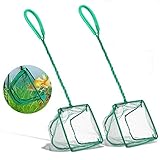
- 2 Pack Aquarium Fish Nets: This set includes two small fish nets designed for efficient use in aquariums. The compact size makes them ideal for handling smaller fish and managing your tank with ease.
- Small Mesh Fish Catch Nets: The fine mesh ensures fish are gently captured without injury. The mesh structure provides a delicate yet durable solution for safely handling fish, making it suitable for all fish tank types.
- Plastic Handle for Comfort: Each fish net features a plastic-coated handle that ensures a comfortable grip. This design helps maneuver the net effectively, whether transferring fish or cleaning the tank.
- Ideal for Various Aquatic Pets: The small net is versatile for different types of fish, including bettas and other small species. Its design is suitable for catching, transferring, or performing maintenance on your aquarium.
- Convenient and Practical: These nets are compact and lightweight, making them easy to store and use whenever needed. They help maintain a clean and organized aquarium environment.
Be candid about aggression, fin damage, jumping, breeding, special water chemistry, or a history of disease. Accurate information prevents a second surrender and helps the recipient prepare an appropriate quarantine or receiving tank.
2. Call the seller or an aquatic retailer
Explain that the fish is being surrendered, not offered for sale. Ask whether the business accepts returns, has a quarantine area, or knows a local rescue, society, or experienced hobbyist. Ask about transport instructions and hours before you arrive. A shop may decline because of space, disease-control policy, or local rules; that is a reason to try another option, not a reason to release the fish.
3. Contact community placements
Local aquarium societies and experienced hobbyists may know who can house a particular species. Schools, shelters, rest homes, aquatic businesses, and community groups are additional possibilities identified by animal and environmental agencies. Contact each organization first and describe the fish’s care requirements. A public-facing aquarium or classroom still needs suitable equipment, a maintenance plan, and permission to accept the animal.
4. Screen the proposed home
- Ask for the tank size, filtration, heater or chiller, and current occupants.
- Confirm the recipient understands the fish’s adult size, diet, social needs, and temperament.
- Check whether the species is restricted, listed as invasive, or subject to transfer rules where you live.
- Agree who supplies transport containers and what happens if the fish cannot adapt.
5. Transport it safely
Use a clean, leakproof fish bag or lidded container with enough water and air space for the journey. Keep the container upright, shaded, and away from temperature extremes. Do not add untreated tap water or medications during transport. Ask the receiving facility whether it wants the fish isolated on arrival; quarantine can protect an established collection from disease.
Rank #3

- 3 inch small fish net measures 3" L x 2.3" W with a pocket depth of 2.5 inches. Perfect for small fish without getting stuck
- Soft fine nylon netting reducing the risk of injury while transferring delicate fish, especially suitable for betta and guppy
- Handle won't rust while wrapped with plastic coating. 12 inches of handle length allows you to reach the small tank without getting wet
- Not only safely catch and transfer fish, but also can be applied as a skimmer for removing debris, waste or uneaten fish food
- Designed with a hole at its end. Simply clean the mesh, hang it through the hole in a cool and ventilated place after use
If the fish is sick or suffering
Do not give away a visibly diseased fish without disclosing the problem, and do not move it between waterways or aquariums in an attempt to “let nature take its course.” Contact a veterinarian, aquatic retailer with qualified staff, or relevant local agency. The appropriate response depends on species, symptoms, water quality, prognosis, and local rules.
When treatment is reasonable, a professional can help you stabilize water quality, isolate the fish, and decide whether recovery is likely. If the fish is suffering and cannot be rehomed, ask a veterinarian or local surrender program about humane euthanasia. New South Wales guidance says euthanasia should be arranged by someone competent with the particular species. That is why a single home method should not be presented as universally safe or humane.
An older New Jersey page has circulated a home-freezing method, but it is more than two decades old and is not a current universal recommendation. Do not rely on outdated internet instructions. Obtain current, local advice for the species and circumstances, and dispose of the body according to that guidance rather than flushing it or placing it in a waterway.
What’s actually slowing this PC down?
Pick the symptom - the matching free tool is one click away.
A specific surrender program in the United States
The U.S. Fish & Wildlife Service describes a free, humane Fish Surrender Program through its La Crosse Fish Health Center for fish that can no longer be cared for. It is not a promise of nationwide intake. Eligibility, species accepted, transport arrangements, and service area must be confirmed directly with the program before you rely on it. If you are outside its coverage, ask your local wildlife or fisheries agency, veterinarian, or aquatic retailer for an equivalent service.
Rank #4

- 8 Inch Large Net: Measure 8" L x 6" W with a pocket depth of 6.5 inches. Its solid frame ensures strong bearing capacity. Perfect for loading large fish up to 10 inches.
- Telescopic Handle: Thickened stainless steel handle – extremely stiff and sturdy. It won’t get bent or rusty and can extend up to 24.5". Easily reach the bottom of tanks up to 9-24 inches deep without wetting your hands.
- Fine Nylon Mesh: The well-woven soft nylon mesh reduces the risk of injuries to delicate fish during transfer. Suitable for betta, goldfish, angelfish, cichlids, catfish, etc.
- For Versatile Use: Perfect net to securely catch or transfer your fish. Also excellent for skimming debris, wastes or leaves from aquariums, small ponds or pools to keep them clean.
- Easy to Store: Designed with a practical hole at its end for easy hanging. Simply clean the mesh, dry the handle and hang it in a cool and ventilated place after use.
How to handle water, plants, gravel, and equipment
Tank water
Do not empty aquarium water into a toilet, storm drain, creek, pond, or lake. Disposal instructions vary by jurisdiction and by whether the tank has contained a disease, invasive species, or untreated chemicals. Ask your local water, wildlife, or biosecurity authority where it may be discharged. If an agency gives a household-drain instruction, follow that local direction rather than assuming every sewer route is equivalent.
Plants and algae
Never place live aquarium plants in natural water. Washington guidance advises disposing of plants in the trash or using specified high-heat composting, and warns against flushing tank contents. Because composting rules differ, use the method your local authority permits. Seal plants in a bag if they are going into household waste, and remove attached snails, eggs, or mud before disposal as directed locally.
Gravel, filter media, and decorations
Keep substrate, filter media, and decorations contained until you know the approved disposal or decontamination method. Items exposed to a diagnosed disease may require special handling. A local veterinarian, aquatic shop, or biosecurity office can tell you whether cleaning, disinfection, heat treatment, or disposal is appropriate.
Check the law before transferring or surrendering a fish
Rules vary by country, state, province, territory, and municipality. They may govern possession, transport, sale, donation, release, and disposal, with stricter provisions for invasive or disease-listed species. If the fish might be a listed invasive species, check your wildlife, fisheries, and biosecurity authorities before moving it to another person or facility.
Best Value

- 3 Inch Small Net: Measures 3" L x 2.5" W with a pocket depth of 2 inches. Its solid frame ensures good bearing capacity. Perfect for loading small fish without getting stuck.
- Fine Nylon Mesh: The well-woven soft nylon mesh reduces the risk of injuries to delicate fish during transfer. Especially suitable for shrimp, newborn fry, betta, etc.
- Telescopic Handle: The solid stainless steel handle won’t get rust or bent. It can extend up to 24". Easily reach the bottom of tanks up to 9-24 inches deep without wetting your hands.
- For Versatile Use: Perfect net to securely catch or transfer fish or shrimp. Also excellent for skimming debris, wastes or leaves from aquariums, small ponds or pools to keep them clean.
- Easy to Store: Designed with a hole at its end. Simply clean the mesh, dry the handle and hang it through the hole in a cool and ventilated place after use.
New South Wales states that releasing fish into public waters without a fish-stocking permit is illegal under its Fisheries Management Act. In England and Wales, government guidance updated 13 June 2025 says listed invasive alien animals must not be released and sets conditions for keeping or rehoming certain listed animals. These examples are jurisdiction-specific; they do not establish a single rule for every location.
Common mistakes to avoid
- “It is only one fish.” One fish or one bucket of water can still carry a pathogen or establish a non-native population.
- “The shop must take it back.” Retailers may decline, so arrange a backup contact before transporting the fish.
- “A pond is better than a tank.” Outdoor release can be illegal and harmful to both the fish and native wildlife.
- “The fish is dead, so flushing is fine.” Follow local disposal guidance; do not send a carcass or contaminated water through a toilet or storm drain.
- “Freezing is always humane.” Species and condition matter. Seek current professional guidance instead of using an old online recipe.
- “I can give it away without details.” Concealing disease, adult size, aggression, or care needs shifts the welfare problem to another owner.
A short call script
You can say: “I need to surrender a healthy [species], approximately [size], kept in [tank size and conditions]. Do you accept returns or know a qualified local keeper? I can provide photos and care information. If you cannot accept it, who should I contact next?” For a sick fish, add the symptoms, when they began, water-test results if available, and whether the fish is eating.
Final checklist before the fish leaves your care
- Confirm the recipient, retailer, veterinarian, or program has agreed to take the fish.
- Share the fish’s identity, history, diet, water parameters, and any disease concerns.
- Verify that the transfer is legal where both parties are located.
- Prepare a secure transport container and temperature-appropriate journey.
- Dispose of water, plants, and other tank materials only as local authorities direct.
- Keep written contact details in case the new keeper needs records or follow-up information.
Responsible surrender protects the fish, the receiving aquarium, and local waterways. Rehoming is the practical first choice for a healthy animal; professional or agency guidance is the safe next step when illness, suffering, legal restrictions, or a lack of suitable homes make rehoming impossible.
Recommended Free Tools
Quick Recap
Product prices and availability are accurate as of the date/time indicated and are subject to change. Any price and availability information displayed on Amazon at the time of purchase will apply.





Leave a Reply