Use the cat’s behavior to choose the safest method. A friendly stray can usually be coaxed into a secure carrier with food. A frightened, feral, or unsocialized cat should be handled through a local rescue or trap-neuter-return (TNR) group using a humane trap. If the cat is injured or seriously ill, call a veterinarian, animal-control service, or rescue for handling instructions before attempting capture. Once the cat is enclosed, cover the carrier or trap, keep it upright and steady in the passenger area of a car, and do not open it until veterinary or rescue staff take over.
Choose the safest plan before you approach
There is no single safe way to move every stray cat. The right method depends on whether the cat tolerates people, how urgent its medical condition appears, and whether you have suitable equipment and transport.
As an Amazon Associate I earn from qualifying purchases.
| What you observe | Safer option | Why |
|---|---|---|
| The cat approaches people, accepts food, and does not show defensive behavior. | Coax it into a secure, well-ventilated carrier. | You can avoid grabbing and let the cat enter voluntarily. |
| The cat hides, flees, hisses, swats, or cannot be approached. | Contact a local rescue or TNR group about a humane trap and coordinated capture. | Fearful cats can bite, scratch, or panic if cornered; experienced help reduces handling risk. |
| The cat is badly injured, very weak, breathing abnormally, or otherwise appears critically ill. | Call a veterinarian, animal-control service, or rescue immediately for handling advice. | An urgent case may require a trained responder and a clinic that is ready to receive the animal. |
| You have no carrier, trap, or car. | Ask a rescue, humane society, TNR group, or community network for equipment or a ride. | Borrowed equipment and an arranged destination are safer than improvising. |
Do not decide that a cat is safe to pick up merely because it looks calm. An unfamiliar animal may react suddenly when a hand reaches over its head or blocks its escape route. Observe first, then choose a method that avoids direct restraint whenever possible.
Think of the plan as a chain: safe approach, suitable enclosure, confirmed destination, secure vehicle, and controlled handoff. If any link is missing, pause and ask for help rather than improvising. A carrier that cannot latch, a trap with no appointment, or a ride in which the enclosure will slide can turn a well-intended rescue into an escape or injury.
#1 Best Overall
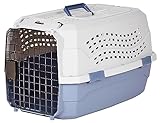
- Hard sided pet carrier with 2 doors for front and top entry; suitable for cat or medium size dog weighing 12 - 20 pounds
- Durable plastic construction with steel wire doors; screws keep the top and bottom sections securely connected
- Spring load latches ensure easy one-handed door opening and closing; top door swings open to the left or right and includes a top carry handle
- Plenty of air ventilation on the sides, top, and back of the carrier
- Note: Be sure to measure the size of the pet when choosing carrier size
Before approaching the cat
Make the area quiet and controlled
Move children, dogs, and other pets away. Ask bystanders not to chase, surround, or call loudly to the cat. Choose a location where a carrier or trap can be placed flat and where a vehicle can pull up without forcing the cat into traffic.
Keep the escape route in mind. Do not stand between the cat and its only hiding place, and do not form a semicircle of people around it. If the cat retreats, let it do so; a quiet, predictable area gives a rescue or TNR responder a better chance of working safely later.
Watch behavior from a distance
Look for signs that the cat is socialized enough to enter a carrier: it remains nearby when you stand still, watches without crouching defensively, and will eat in your presence. A cat that bolts, presses itself into a hiding place, growls, hisses, swats, or repeatedly tries to escape should be treated as fearful or unsocialized. Do not test its tolerance by reaching toward it.
Free tools Windows power users keep installed
One-click scans. No signup required.
Behavior can change once an enclosure appears. A cat that accepted food may still panic when a person advances or a door moves. Continue to use the least intrusive step: place the carrier, step back, and let the cat decide whether to approach. If it will not, that is information to call for a humane trap and experienced assistance, not a reason to escalate your handling.
Check for an urgent medical problem
Visible bleeding, a severe wound, inability to stand, obvious breathing difficulty, or extreme weakness warrants prompt professional guidance. Call the receiving veterinarian or a local rescue before attempting to move the cat. Describe where the cat is, what you can see, and whether it can be approached. Follow the instructions you receive; a risky capture can worsen an injury or expose you to a bite.
Do not assume that lying still means the cat is easy to handle. Pain, fear, or shock can produce a sudden defensive reaction. Keep people and pets back while you wait for instructions, and note landmarks so a responder can find the cat without a prolonged search.
Arrange the destination first
Confirm that the veterinarian or rescue can accept the cat and ask which entrance to use. Explain that the animal is a stray and whether it is friendly, fearful, trapped, or injured. A clinic may give specific directions for arrival and unloading. If a rescue or TNR group is coordinating a trap, agree on the capture time, destination, and who will handle the enclosure.
The Tool Desk
Outbyte Driver Updater FREEScan for outdated or missing drivers - takes under a minuteDriver Scan →Outbyte PC Repair FREERepair Windows errors before they cause bigger problemsFix Now →Ask what to do if capture takes longer than expected or happens outside normal hours. The receiving team may have a particular intake door or may direct you to wait for a volunteer. Having this information before bait is placed prevents a cat from remaining confined with no confirmed handoff.
Rank #2
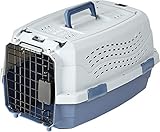
- Hard sided pet carrier with 2 doors for front and top entry; suitable for cat or extra-small dog breeds, such as chihuahuas and toy poodles (up to 11 pounds)
- Durable plastic construction with steel wire front door; screws keep the top and bottom sections securely connected
- Top door can swing open to the left or right for easy access and convenience
- Plenty of ventilation on sides, top, and back of the carrier
- Note: Be sure to measure the size of the pet when choosing carrier size
How to get a friendly stray cat into a carrier
This method is for a cat that can be safely approached and is willing to enter for food. It is not a reason to grab a cat that is resisting.
- Prepare the carrier before bringing it close. Use a secure, well-ventilated carrier with a door that latches reliably. Open the door fully and place the carrier on a stable surface. If the carrier has a removable top, follow the manufacturer’s normal configuration; do not use a damaged or collapsing container.
- Put a small amount of appealing food at the back. The cat should have to walk fully inside to reach it. Keep your hands out of the doorway and stand or sit to the side rather than blocking the entrance.
- Give the cat time. Stay quiet and still. Do not advance when the cat pauses, and do not shake food, poke inside, or push from behind. The objective is for the cat to enter voluntarily.
- Wait until the entire cat is inside. Do not close the door while the head, tail, or any limb remains outside. A partial closure can injure the animal and create a struggle at the opening.
- Close and latch the door in one controlled movement. Keep your fingers clear of the gap and verify that the latch is engaged. An oven mitt or sturdy glove may protect the hand while operating the door, but protective gear does not make it safe to grab the cat.
- Cover the closed carrier. Place a towel or light blanket over it without blocking ventilation. The cover reduces visual stimulation while you move the carrier.
Place the food as far back as the carrier allows without creating a spill that could interfere with the door. Keep the carrier level; tipping it toward the cat can frighten the animal and make the enclosure unstable. Once the cat enters, resist the urge to touch it, reassure it through the opening, or reposition the food.
If the cat backs out, do not chase it or repeatedly thrust the carrier toward it. Reset the carrier, allow the cat to settle, and reassess whether a rescue or TNR group should provide a humane trap instead. A second attempt should only happen if the cat’s behavior remains calm and the carrier can be positioned without cornering it.
What’s actually slowing this PC down?
Pick the symptom - the matching free tool is one click away.
What to do when the cat is too scared to handle
A fearful or feral cat generally needs a humane trap and a coordinated plan. Contact a local rescue, humane society, TNR organization, or animal-control service and explain the cat’s behavior. These groups may lend an appropriate trap, advise where to set it, or arrange a trained person to assist.
Equipment lending is often safer than buying an unfamiliar trap in a hurry. Tell the group whether the cat is accustomed to people, where it hides, whether other animals are nearby, and how quickly care is needed. The group can then match the enclosure and handling plan to the situation.
Coordinate the trap with the receiving appointment
Do not trap a cat without knowing where it will go and who will receive it. Ask the rescue or clinic whether the appointment is confirmed, how long the cat may remain enclosed, and who should transport it. Follow the organization’s instructions for bait, placement, monitoring, and pickup; local rules and procedures differ.
Agree in advance on who watches the trap and what happens after it closes. A trap should not be left unattended simply because the cat has been caught. The coordinating organization may have specific timing, weather, or neighborhood requirements, so follow its directions rather than applying a generic setup.
Do these 3 things before closing this tab:
1Clear out junk files and repair common Windows errors2Scan for outdated or missing drivers - takes under a minute3Repair Windows errors before they cause bigger problemsDo not improvise with unsafe containers
Cardboard boxes, laundry baskets, open bags, and makeshift cages can collapse, allow escapes, or leave hands exposed. If you do not have a suitable trap, ask to borrow one rather than buying or modifying equipment in a hurry.
Rank #3

- Hard sided pet carrier with 1 door for front entry; suitable for a cat, dog, or other small pet
- Durable molded plastic construction; locking door mechanism for secure closure
- Top handle for easy carrying
- Metal wire door and side panels provide ventilation
- Product Dimensions: 23.6 x 15.7 x 13 inches (LxWxH)
Keep handling to a minimum
Never reach into a trap to pet, restrain, or transfer the cat. A frightened animal can strike through openings, and opening the door creates an escape opportunity. Let the trained responder or veterinary team decide when and how the cat should be moved.
When injury or illness changes the procedure
An injured stray deserves prompt veterinary attention, but urgency does not make an unsafe capture acceptable. Call the veterinarian, rescue, or animal-control service and describe the signs you see. Ask whether they want you to attempt a carrier, wait for a responder with a trap, or bring the enclosure to a particular entrance.
- Keep people and pets away from the injured cat.
- Do not corner, chase, or pull the cat from a hiding place.
- Do not attempt a direct grab merely because the cat is lying still; pain and fear can trigger a bite or scratch.
- Tell the receiving team about visible wounds, breathing changes, inability to walk, and the cat’s exact location.
If professional help is on the way, maintain a quiet perimeter and watch from a safe distance so you can guide responders to the cat without forcing it to flee.
Quick wins for a faster PC:
Clear out junk files and repair common Windows errorsFree Scan →Scan for outdated or missing drivers - takes under a minuteDriver Scan →Prepare the carrier or trap for the journey
Check the enclosure
Before lifting, confirm that the carrier door or trap mechanism is fully closed and latched. Look for loose panels, broken hinges, sharp edges, or gaps large enough for the cat to escape. A secure, ventilated enclosure is essential; do not transport an animal in an open container.
Place the enclosure where you can lift it without twisting or dragging it. Keep the opening clear of bags, tools, and other objects that could press a latch. If anything is damaged, stop and obtain a sound carrier or trap before moving the cat.
Cover without blocking air
Drape a towel or blanket over the closed enclosure, leaving ventilation openings unobstructed. The cover limits visual stress and helps prevent the cat from reacting to movement outside. Do not wrap the enclosure so tightly that air cannot circulate.
A household towel is sufficient; the important points are that it stays in place, does not snag on the door, and leaves the ventilation areas open. Keep the cover on during loading, driving, and arrival unless staff instruct you otherwise.
Outdated Drivers Are Slowing You Down
One free scan finds every outdated or missing driver and matches the right update for your exact hardware.Free scan · exact hardware matchPC Slower Than It Used to Be?
A free scan shows the junk files, broken settings and background clutter dragging Windows down - then fixes them in one click.Free scan · Windows 10 & 11Lift and set down carefully
Keep the enclosure upright. Support its base with both hands, move slowly, and avoid swinging, tilting, or unnecessary jostling. Set it on a flat, stable surface before opening a car door or rearranging other items.
Rank #4
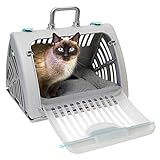
- DESIGNED SPECIFICALLY FOR CATS – PATENTED SIDE-OPENING DOOR - Original SportPet patented wide side-opening door allows cats to walk in naturally reducing fear, stress, and resistance. Ideal for anxious cats, vet visits, grooming, and everyday transport. Veterinarian recommended design for easier handling.
- HARD-SIDED CAT CARRIER WITH COMFORT BED INCLUDED - Includes 1 light gray hard-shell carrier with gray door plus an extra-comfy removable pet bed. Sturdy construction provides a safe, enclosed space cats prefer, while the soft bed adds comfort for travel or waiting rooms.
- TRAVEL-READY & VET VISIT ESSENTIAL - Perfect cat carrier for car travel, road trips, moving, and trips to the veterinarian. Smooth-closing secure door keeps pets safely contained while allowing fast, stress-free loading and unloading.
- EASY TO CLEAN & FOLD-FLAT STORAGE - Wide door opening makes cleaning quick after accidents. Carrier folds down flat for compact storage in closets, cabinets, or vehicles. Machine-washable & dryer-safe bed for hassle-free maintenance.
- IDEAL SIZE FOR LARGE CATS & SMALL PETS - Carrier dimensions: 18.5” L x 15.25” W x 14.25” H. Bed dimensions: 18” L x 13.75” W. Supports pets up to 25 lbs. Works great for large cats, small dogs, and small animals like rabbits, ferrets, and guinea pigs.
Transport the cat safely in a car
- Use the passenger area. Place the covered carrier or trap inside the cabin of a car, where you can keep it upright and monitor the journey without opening it. Do not put it in a trunk or an open truck bed.
- Prevent sliding. Position the enclosure on a level seat or the vehicle floor and secure it so braking or turning cannot tip it. Keep the door or trap opening away from objects that could press the latch.
- Drive smoothly. Avoid sudden acceleration, hard braking, sharp turns, loud music, and unnecessary stops. The goal is a short, calm trip, not an opportunity to inspect the cat.
- Keep the enclosure closed. Do not open the carrier or trap during the journey, even to offer reassurance or check a sound. A frightened cat can escape into the vehicle and panic, creating a danger for the animal and driver. The veterinary or rescue team should be the next people to open it.
- Go directly to the agreed destination. Do not leave the cat unattended in a parked car or make unrelated stops. If a delay or mechanical problem occurs, call the receiving organization for instructions.
Load the enclosure only after the vehicle is ready to leave, and make sure the route and entrance are known. Keep the cabin quiet and tell every passenger not to open the door. If another person is driving, designate one person to keep the enclosure from shifting while still leaving it closed.
If you do not have a car or equipment
Ask local rescue groups, TNR networks, humane societies, animal-control services, and trusted community networks whether someone can lend a humane trap, carrier, or vehicle. Confirm the arrangement directly rather than assuming a service is available. Tell the driver what type of enclosure will be used and make sure it can be kept upright and secured in the passenger area.
If a volunteer is transporting the cat, give them the destination, appointment time, your contact information, and a concise description of the cat’s behavior and condition. The enclosure should remain closed throughout the handoff and trip.
If the first organization cannot help, ask whether it knows another local contact. Availability varies by location, and a service may lend equipment but not provide transport, or provide a ride only to a confirmed appointment. Clarify those limits before capture.
Handoff at the veterinarian or rescue
Follow the facility’s arrival instructions. Keep the enclosure covered and closed until staff direct you otherwise. Tell the team where the cat was found, when you first observed it, whether it ate or drank, what behavior you saw, and how it entered the carrier or trap. Report any escape attempt, injury, or unusual breathing during transport. This information helps staff choose a safe way to open and examine the enclosure.
Ask where to wait if the clinic is busy and keep the enclosure away from other animals. Do not open it in a lobby, parking area, or sidewalk. If the cat was captured under a rescue or TNR plan, contact the coordinating group as soon as the handoff is complete so its records and next steps are clear.
Common mistakes and safer alternatives
| Mistake | Safer alternative |
|---|---|
| Picking up an unfamiliar cat because it appears quiet. | Observe behavior and use food in a carrier or obtain rescue guidance for a trap. |
| Chasing a cat toward a carrier. | Place the enclosure, step back, and let a friendly cat enter voluntarily; call for help if it will not. |
| Closing the door while part of the cat is outside. | Wait until the entire cat is inside, then latch the door in one movement. |
| Reaching into a trap or carrier. | Leave the enclosure closed and let trained staff handle opening or transfer. |
| Driving with the enclosure uncovered, loose, or in a trunk. | Cover it while preserving ventilation, keep it upright and secured in the passenger area. |
| Opening the enclosure to check on the cat during the trip. | Keep it closed and proceed directly to the veterinarian or rescue. |
| Capturing without a confirmed destination. | Arrange the appointment or receiving organization before capture. |
| Assuming a borrowed trap comes with the same instructions everywhere. | Ask the lending group how to bait, monitor, move, and return it. |
A quick decision checklist
- Are children and pets out of the area?
- Have you watched the cat long enough to judge whether it is approachable?
- Is there an injury or illness that requires a professional response?
- Is a receiving veterinarian or rescue ready for the cat?
- Do you have a secure carrier for a friendly cat, or coordinated access to a humane trap for a fearful cat?
- Is a safe passenger-area ride arranged?
- Can the enclosure remain closed, covered, upright, and steady until staff take over?
The safest rescue is the one that matches the cat’s behavior and your resources. Coax a genuinely friendly cat into a carrier; involve experienced rescue or TNR help for a fearful one; and obtain professional instructions first when injury, illness, missing equipment, or lack of transport makes a direct attempt unsafe.
Recommended Free Tools
Frequently Asked Questions
How do I get a stray cat into a carrier?
For a cat that is genuinely approachable, place a small amount of food at the back of a secure, well-ventilated carrier. Step aside, stay quiet, and wait until the entire cat is inside before closing and latching the door. Do not chase, push, or grab the cat. If it resists or becomes defensive, stop and ask a rescue or TNR group about a humane trap.
Best Value

- Multi-Scenario Safe Travel: Measuring 22.8" L x 14.6" W x 13.4" H, this premium hard shell cat carrier is fully airline approved. It serves perfectly as a cat carrier, dog carrier, cat crate and small dog crate, comfortably holding small pets up to 22 lbs. Suitable for air travel, car rides, vet visits, house moving and daily outdoor outings.
- Full Surround Ventilation: This hard cat carrier is designed with four-sided hollow ventilation to achieve smooth 360° air circulation. The breathable cat carrier hard shell maintains a fresh and cool interior environment, effectively alleviating pets’ travel anxiety and stress during long trips
- Impact Resistant & Durable: Made of high-strength impact-resistant plastic material, this pet carrier features an integral sturdy frame that resists cracking and deformation. It can withstand frequent carrying and bumpy transit, supporting long-term daily and travel use.
- Dual Door & Comfort Handle: Comes with top and front dual-door design, making it convenient to load and unload pets. Equipped with a built-in foldable ergonomic handle for effortless carrying. This portable pet carrier can be stacked neatly to save storage space when not in use.
- Reinforced Secure Lock & Integrated Food Bowl: Adopts reinforced hardware buckles and thickened connection structure to ensure tight closure and prevent accidental separation. This airline approved cat carrier and dog carrier is equipped with an integrated food bowl, great for long-distance travel and outdoor feeding on the go.
What if the stray cat is too scared to handle?
Do not corner or reach for it. Contact a local rescue, humane society, TNR organization, or animal-control service for advice, a borrowed humane trap, or trained help. Coordinate the capture with a confirmed destination and follow the organization’s instructions.
Can I pick up a stray cat that seems calm?
Avoid picking up an unfamiliar cat simply because it is quiet. A cat may bite or scratch when a hand approaches or its escape route is blocked. Use food and a carrier if it voluntarily enters, or obtain professional guidance for a fearful cat.
Should I open the carrier or trap during the drive?
No. Keep it closed throughout the trip, even if the cat cries or you want to check it. A frightened cat can escape into the vehicle and panic. Veterinary or rescue staff should be the next people to open the enclosure.
Where should the cat carrier go in the car?
Keep the covered, closed enclosure upright and secured in the passenger area, on a level seat or vehicle floor. Do not use a trunk or open truck bed, and prevent the carrier or trap from sliding or tipping.
What should I do if the stray cat is injured?
Call the receiving veterinarian, rescue, or animal-control service before attempting capture. Describe visible wounds, breathing changes, weakness, inability to walk, and the cat’s location. Keep people and pets away and follow the professional handling instructions.
What if I do not have a carrier, trap, or car?
Ask local rescues, humane societies, TNR groups, animal-control services, and trusted community networks about borrowing equipment or arranging a ride. Confirm the destination and transport details directly before capture.
Can I use a box, laundry basket, or open bag instead?
No. Improvised containers can collapse, expose hands to bites, or allow an escape. Borrow a secure carrier or humane trap and follow the lending organization’s instructions.
The Bottom Line
Match the method to the cat: coax a friendly stray into a secure carrier, arrange humane trapping and experienced help for a fearful cat, and call professionals first when injury, illness, or missing equipment makes capture risky. Keep every enclosure covered, upright, secured in the passenger area, and closed until the veterinarian or rescue takes over.
Quick Recap
Product prices and availability are accurate as of the date/time indicated and are subject to change. Any price and availability information displayed on Amazon at the time of purchase will apply.




