Safe socialization is not making an American Bulldog or pit bull-type dog greet every person or dog. It is a gradual process of teaching the individual dog that ordinary people, places, sounds, surfaces and carefully selected animals predict safety and good outcomes. Keep enough distance for the dog to remain relaxed, let it opt out, and stop before fear or arousal overwhelms it.
Breed labels cannot tell you whether a particular dog is safe or social. American Bulldogs and pit bull-type dogs are not behaviorally interchangeable, and each dog needs an individual plan. For lunging, snapping, a bite history, serious fear or a sudden behavior change, use management immediately and involve your veterinarian and an aggression-experienced behavior professional rather than arranging casual greetings.
As an Amazon Associate I earn from qualifying purchases.
What safe socialization actually means
Socialization builds positive, controlled familiarity. The dog learns that it can observe, investigate or move away from new experiences without being trapped. A successful session may involve calmly watching a delivery person from the hallway, walking over a new surface, hearing a bus at a distance or passing another dog without stopping. Direct contact is optional.
Windows Errors? Fix Them Before They Spread
Repair common Windows errors and clear accumulated junk for a smoother, more stable PC - no reinstall needed.Free scan · no reinstallCrashes, No Sound, or Screen Glitches?
Random freezes, missing sound and display glitches usually trace back to one bad driver. Find and replace yours safely.Free scan · under a minuteThe ASPCA describes all dogs, including pit bulls, as individuals and ties responsible ownership to humane training, socialization and supervision. It also notes that dog-directed and human-directed aggression are relatively independent patterns. A dog that is friendly with household people may still need careful dog management, and a dog that enjoys other dogs may be uncomfortable with strangers. Do not use the breed name as a behavior diagnosis or as a promise of either danger or sociability.
#1 Best Overall
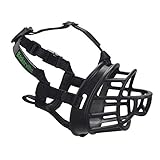
- DOGS CAN PANT AND DRINK: The Baskerville Ultra Muzzle PATENTED HUMANE DESIGN allows dogs to pant (when hot or stressed) and drink. SUITABLE FOR DAILY WALKS and longer periods of wear.
- SHAPE FOR CUSTOM FIT: Like a mouth-guard, the Ultra Muzzle can be HEAT SHAPED using warm water to fit DIFFERENT DOG NOSE SHAPES. See fitting guide for more info and to find the BEST SIZE for your dog.
- IDEAL FOR REACTIVE DOGS: you can TRAIN and REWARD treat your dog if they are reactive around other dogs, people or in new situations like the vet.
- STRONG & SAFE: Built with strong Thermo Plastic Rubber (TPR) the Ultra Muzzle is SAFE TO PREVENT BITES. Extra secure with LOCKABLE NECK STRAP CLIP, HEADSTRAP and COLLAR ATTACHMENT if needed.
- COMFORTABLE FIT: Comes in 6 sizes with PADDED STRAPS and NO METAL WORK ON DOGS FACE. Great for dog owners looking for SMALL, MEDIUM or LARGE sized dog muzzles.
Choose comfort over a greeting goal
Your objective is a dog that can remain regulated and make safe choices, not one that touches everyone. Looking at a person, then turning back to you, is useful social behavior. Walking past another dog on a loose leash can be a better outcome than a close hello. Socialization is working when the dog can recover quickly and still eat, play or respond to a familiar cue.
Recognize early stress
| What you see | What it may mean | What to do |
|---|---|---|
| Loose body, soft eyes, normal breathing, voluntary approach and easy disengagement | The dog is coping at that distance | Reward, keep the exposure brief and leave while it is still comfortable |
| Turning away, lip licking, yawning, crouching, tucked tail, freezing, hiding, refusing food or trying to escape | The experience is too intense or prolonged | Stop the interaction and increase distance; give the dog a quiet recovery period |
| Hard stare, stiff posture, raised hackles, growling, barking, lunging or snapping | Immediate safety and distance are required | Do not push closer; use your exit plan and arrange professional assessment if this repeats |
These signals are context-dependent. A single tail position is not a temperament test. Look at the whole body, the direction of movement and whether the dog can disengage when given space.
Prepare before the first outing
Check health and timing
For a puppy, ask your veterinarian when public exposure is appropriate for its vaccination schedule and the infectious-disease conditions where you live. The American Kennel Club identifies the first three months as an important socialization period while also advising owners to begin public outings when a veterinarian says it is safe. You can start with low-risk experiences at home while you wait for veterinary clearance.
The Tool Desk
Outbyte Driver Updater FREEScan for outdated or missing drivers - takes under a minuteDriver Scan →Outbyte PC Repair FREERepair Windows errors before they cause bigger problemsFix Now →For a dog of any age, have sudden changes in behavior evaluated medically. Pain, illness or medication effects can make a normally tolerant dog react. Do not interpret a new growl or snap as a training problem until your veterinarian has considered health causes.
Set up control and an exit
- Use a secure, well-fitted leash and equipment that you can handle without restricting breathing or causing pain.
- Pick a quiet location with clear sight lines, room to turn around and more than one route away.
- Bring very small, high-value food rewards, water and a familiar mat or toy if those help the dog settle.
- Tell household members exactly which doors, gates and rooms are off-limits during sessions.
- Have a second adult available for visitors or children; one person should handle the dog while the other manages the environment.
- Record triggers, distance, body language, recovery time and what helped. This gives a behavior professional usable information.
Do not begin with a crowded dog park, a busy festival or an uncontrolled greeting line. The AVMA recommends gradual exposure in positive, controlled circumstances and removing a dog from situations that increase bite risk.
Rank #2
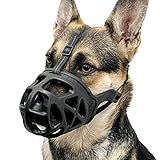
- The Only Muzzle You Need: Say goodbye to your old muzzle. The BARKLESS practical muzzle has features you need to prevent your dog from nipping, destroying, fighting and digging and eating everything while the basket-style design gives all-around mouth protection allowing your pet unrestricted drinking and panting. This muzzle for dogs make it the ideal choice for reactive dogs’ daily walks, occasional use, dog park socialization, grooming, vet visits, training, traveling, and walking
- Safe & Humane: Friendly dog muzzles are more pliable and softer, making them comfortable for the dog. Humane muzzle for dogs allow your dog to pant, drink and treat train while being worn with the uniquely designed bar spacing which forms the canine muzzle
- Easy to Use: Comfort-fit design for most sizes of breeds with adjustable head and neck straps allow you to quickly adjust the size to fit your dog, making it ideal for the puppy, small, medium, and large dogs. The twist on each side of the strap is part of a unique design, ensuring a better fit for your dog’s head shape. This is a thoughtful feature, not a defect, aimed at providing a more comfortable and secure fit
- Prevent Muzzle Slippage: An incorrect size, improper fit, or lack of muzzle training can cause the dog to remove the cage muzzle. Adjust the straps to ensure a snug fit—secure enough to keep the basket muzzle for dogs in place without causing discomfort. Check the head strap to prevent slippage. Refer to the included instructions to help your dog adjust to the dog muzzles to prevent biting
- Desensitizing Your Dog to a Muzzle: Many dogs may resist wearing cage muzzles for dogs initially, especially if they've never worn one before. To help them adjust, use gradual desensitization training—start with short periods and reward calm behavior. Over time, your dog will accept it as part of their routine
A gradual exposure protocol
Use the same sequence for people, traffic, household sounds, surfaces and other non-threatening novelties. Change only one major variable at a time.
- Find a workable starting distance. Begin far enough away that the dog can notice the trigger without freezing, barking or lunging. For a person, that might be across a room; for another dog, it may be across a street or behind a barrier.
- Let the dog observe. Do not lure it toward the novelty or hold it in place. Give it a few seconds to look, sniff and choose where to stand.
- Pair the sight or sound with something the dog values. Offer food, praise or play only while the dog remains comfortable. If it will not take food, the setup is too difficult, the reward is unsuitable or the dog is already over threshold.
- Allow an easy retreat. Walk away, step behind a visual barrier or end the session. Leaving is part of the lesson, not a failure.
- Repeat briefly. Several short exposures on different days are safer than one long session. Finish after a calm repetition rather than waiting for fatigue or a reaction.
- Increase difficulty in small increments. Move a little closer, add a little motion or visit a slightly busier place only when the dog has been relaxed at the easier level repeatedly. If the dog struggles, return to the last successful distance.
Never flood a fearful dog with a crowd, forced handling or continuous close contact. Punishing a growl, bark or retreat can remove a warning without removing the underlying fear and can make the next incident less predictable.
Socializing a puppy
A puppy’s early experiences should be broad but carefully managed. In addition to people, introduce household appliances, car rides, elevators, umbrellas, hats, different flooring, gentle grooming, being briefly alone and calm handling of paws and ears. Keep each experience easy enough that the puppy can eat, play and choose to move away.
People and handling
Invite a few calm adults rather than a stream of excited visitors. Ask each person to turn sideways, avoid looming, and let the puppy approach. A person can toss treats without reaching. Briefly touch a collar, shoulder or paw only when the puppy is relaxed, then reward and stop. Never pass a puppy from arm to arm or allow children to corner it for a hug.
Puppy classes
A supervised reward-based class can provide controlled exposure when the puppy’s veterinarian and trainer agree that the setting is safe. The trainer should mediate interactions, offer rest areas and prevent chasing or rough handling. A class is not appropriate if the puppy is terrified, repeatedly overwhelmed or medically unable to attend; use private coaching and home exercises instead.
Rank #3
- The Only Muzzle You Need: Say goodbye to your old muzzle. The BARKLESS practical muzzle has features you need to prevent your dog from nipping, destroying, fighting and digging and eating everything while the basket-style design gives all-around mouth protection allowing your pet unrestricted drinking and panting. This muzzle for dogs make it the ideal choice for reactive dogs’ daily walks, occasional use, dog park socialization, grooming, vet visits, training, traveling, and walking
- Safe & Humane: Friendly dog muzzles are more pliable and softer, making them comfortable for the dog. Humane muzzle for dogs allow your dog to pant, drink and treat train while being worn with the uniquely designed bar spacing which forms the canine muzzle
- Easy to Use: Comfort-fit design for most sizes of breeds with adjustable head and neck straps allow you to quickly adjust the size to fit your dog, making it ideal for the puppy, small, medium, and large dogs. The twist on each side of the strap is part of a unique design, ensuring a better fit for your dog’s head shape. This is a thoughtful feature, not a defect, aimed at providing a more comfortable and secure fit
- Prevent Muzzle Slippage: An incorrect size, improper fit, or lack of muzzle training can cause the dog to remove the cage muzzle. Adjust the straps to ensure a snug fit—secure enough to keep the basket muzzle for dogs in place without causing discomfort. Check the head strap to prevent slippage. Refer to the included instructions to help your dog adjust to the dog muzzles to prevent biting
- Desensitizing Your Dog to a Muzzle: Many dogs may resist wearing cage muzzles for dogs initially, especially if they've never worn one before. To help them adjust, use gradual desensitization training—start with short periods and reward calm behavior. Over time, your dog will accept it as part of their routine
Socializing an adult dog
Adult dogs can learn new associations, but progress is usually slower when they have a history of isolation, frightening encounters or rehearsed reactions. Start with what the dog can already tolerate, not with the situation you ultimately want. For example, an adult that reacts to dogs at 20 feet may begin by watching one from 100 feet, then leaving after a calm glance.
Recommended Free Tools
Do not assume an adult must become a dog-park participant. Many adult dogs are dog-selective or dog-tolerant rather than eager to play. A calm walk, parallel stroll or ability to pass without contact may be the appropriate lifelong goal.
Introducing an American Bulldog or pit bull-type dog to other dogs
When not to arrange a greeting
Do not set up close contact if your dog has recently barked, lunged, snapped, bitten, stiffened around dogs or shown serious fear. First prevent rehearsal, identify the trigger pattern and obtain an individualized plan. A muzzle or leash does not make a forced introduction safe.
Choose a planned meeting instead of a random encounter
The AKC notes that many adult dogs are selective or tolerant and do not need to greet every dog. If your dog enjoys canine company, choose one healthy, vaccinated, compatible dog whose handler is attentive. Meet outdoors in a spacious neutral area, begin far apart and walk in the same direction. Keep leashes loose enough to avoid constant restraint while retaining control, and allow either handler to call for more distance.
- Confirm that both dogs have no current illness, injury or known trigger that makes the meeting unsuitable.
- Start with parallel movement, not a face-to-face approach. Reward your dog for checking in and staying loose.
- Close the gap only while both dogs remain relaxed. If one dog stares, freezes, hides, vocalizes or pulls hard, widen the gap immediately.
- If both dogs choose to investigate, permit a brief curved approach and sniff, then cheerfully separate them.
- Repeat short interactions with movement breaks. End before either dog becomes frantic, tired or possessive.
Use a secure, fenced area only when both dogs have already shown reliable comfort. Remove food, chews and toys if they could create competition, and keep an adult within reach. Do not leave unfamiliar dogs together unsupervised.
Do these 3 things before closing this tab:
1Fix the driver behind crashes, sound loss and screen glitches2Clear out junk files and repair common Windows errors3Scan for outdated or missing drivers - takes under a minuteRank #4
- DOGS CAN PANT AND DRINK: The Baskerville Ultra Muzzle PATENTED HUMANE DESIGN allows dogs to pant (when hot or stressed) and drink. SUITABLE FOR DAILY WALKS and longer periods of wear.
- SHAPE FOR CUSTOM FIT: Like a mouth-guard, the Ultra Muzzle can be HEAT SHAPED using warm water to fit DIFFERENT DOG NOSE SHAPES. See fitting guide for more info and to find the BEST SIZE for your dog.
- IDEAL FOR REACTIVE DOGS: you can TRAIN and REWARD treat your dog if they are reactive around other dogs, people or in new situations like the vet.
- STRONG & SAFE: Built with strong Thermo Plastic Rubber (TPR) the Ultra Muzzle is SAFE TO PREVENT BITES. Extra secure with LOCKABLE NECK STRAP CLIP, HEADSTRAP and COLLAR ATTACHMENT if needed.
- COMFORTABLE FIT: Comes in 6 sizes with PADDED STRAPS and NO METAL WORK ON DOGS FACE. Great for dog owners looking for SMALL, MEDIUM or LARGE sized dog muzzles.
Passing dogs on leash
For a public walk, cross the street, step behind a parked car or turn around before your dog reacts. Feed while the other dog is visible at a safe distance, then stop feeding when it disappears. The goal is calm passage, not contact. The AKC’s leash-aggression guidance emphasizes building reinforcement for voluntary attention and orientation toward the handler rather than relying on physical control alone.
Meeting unfamiliar people and welcoming visitors
Ask strangers not to approach, stare at, touch or reach over your dog. You can say, “Please give us space; we are training.” Let the dog observe from behind a gate or at a distance, and reward calm disengagement. If the dog chooses to approach, the person should stand sideways, keep hands low and stop when the dog moves away.
Visitor procedure
- Before opening the door, put the dog behind a gate, in another room or on leash with an adult handler.
- Have the visitor enter and settle without calling the dog over.
- Bring the dog out only if it can remain relaxed. Keep the first interaction brief and provide a retreat area.
- Ask the visitor to ignore the dog unless the dog solicits contact. Never allow cornering, hugging, riding or teasing.
- Separate the dog again before excitement rises, during meals and whenever the visitor cannot actively supervise.
Children require adult management
Never leave a baby or young child alone with a dog. Young children cannot reliably interpret canine body language. Adults must prevent children from approaching a dog that is eating or sleeping, hugging an unfamiliar dog, taking toys or blocking a dog that is trying to leave. Do not assign a child responsibility for holding the leash, reading warning signs or breaking up play.
Independent reader supportYour contribution helps us test, update, and keep practical guides available for everyone.What to do when there is aggression or bite risk
Management comes first
List the situations that produce the reaction: particular dogs, people in uniform, doorways, food, handling, distance, locations or time of day. Until a professional assesses the case, prevent access to those triggers. Use closed doors, sturdy gates, separate rooms, secure leash handling and adult supervision. The VCA explains that risk level should determine the safety plan and recommends physical separation when an animal could be injured while no adult is supervising.
Free tools Windows power users keep installed
One-click scans. No signup required.
Never grab collars, reach between fighting dogs or place your hands near mouths. Aggression can be redirected toward the person intervening. Use your preplanned barriers and call for appropriate emergency help. After any bite, obtain medical care for the person and veterinary advice for the dog, and follow local reporting requirements.
Best Value
- DOGS CAN PANT AND DRINK: The Baskerville Ultra Muzzle PATENTED HUMANE DESIGN allows dogs to pant (when hot or stressed) and drink. SUITABLE FOR DAILY WALKS and longer periods of wear.
- SHAPE FOR CUSTOM FIT: Like a mouth-guard, the Ultra Muzzle can be HEAT SHAPED using warm water to fit DIFFERENT DOG NOSE SHAPES. See fitting guide for more info and to find the BEST SIZE for your dog.
- IDEAL FOR REACTIVE DOGS: you can TRAIN and REWARD treat your dog if they are reactive around other dogs, people or in new situations like the vet.
- STRONG & SAFE: Built with strong Thermo Plastic Rubber (TPR) the Ultra Muzzle is SAFE TO PREVENT BITES. Extra secure with LOCKABLE NECK STRAP CLIP, HEADSTRAP and COLLAR ATTACHMENT if needed.
- COMFORTABLE FIT: Comes in 6 sizes with PADDED STRAPS and NO METAL WORK ON DOGS FACE. Great for dog owners looking for SMALL, MEDIUM or LARGE sized dog muzzles.
Basket muzzles and muzzle training
A properly fitted basket muzzle can be an additional safety layer for some dogs with bite risk, but it is not a socialization shortcut. A dog must be gradually conditioned to wear it with reward-based steps, be able to breathe and drink normally, and remain supervised. Ask a veterinary behaviorist or aggression-experienced professional to select the design, fit and conditioning plan. Do not use a muzzle to force greetings, leave dogs together unattended or skip barriers and distance. Both VCA management guidance and AKC leash-aggression guidance support professional involvement when bite history or serious reactivity is present.
Choosing the right professional support
| Situation | Most appropriate starting support | Why |
|---|---|---|
| Puppy with no significant fear or aggression | Veterinary clearance plus a carefully supervised reward-based puppy class or private trainer | Controlled practice with coaching and rest breaks |
| Adult dog that is shy but can remain calm at a distance | Private reward-based trainer with a gradual exposure plan | Distance and pace can be tailored without group pressure |
| Repeated lunging, snapping, bite history, guarding or severe fear | Veterinary behaviorist or qualified behavior consultant/trainer experienced with aggression | Risk assessment, management and individualized behavior modification are needed |
| Sudden or escalating behavior change | Veterinary examination first, followed by behavior support | Pain or illness may be contributing |
Ask prospective professionals what credentials and aggression experience they have, how they prevent bites during sessions, what equipment they use and how they will measure progress. Avoid anyone who promises guaranteed friendliness, recommends flooding, or treats punishment as the answer to fear.
Troubleshooting common setbacks
The dog will not take food
Increase distance, reduce movement and shorten the session. A dog that cannot eat is often too stressed for learning. If food remains impossible even at a quiet distance, end the exposure and ask a professional to help identify a lower-intensity starting point.
Quick wins for a faster PC:
Fix the driver behind crashes, sound loss and screen glitchesFind Drivers →Clear out junk files and repair common Windows errorsFree Scan →Scan for outdated or missing drivers - takes under a minuteDriver Scan →The dog reacts after several good sessions
Look for a change in distance, location, fatigue, pain, weather, equipment or trigger behavior. Return to the last successful setup rather than testing the dog again at the difficult level. Record the event and discuss recurring patterns with your veterinarian or behavior professional.
A greeting begins well, then becomes rough
Separate calmly and provide a decompression break. Future meetings should be shorter, include more movement and omit toys or food if those create competition. Repeated escalation means the dogs may not be compatible for direct play.
Progress seems slow
Measure practical outcomes: recovery time, distance at which the dog can notice a trigger, ability to respond to its name, and number of calm passes. A dog that needs 30 feet instead of 10 feet is making useful progress even if it never seeks contact. Do not advance difficulty to meet a calendar deadline.
How to judge whether the plan is working
Keep a simple log with the date, trigger, starting distance, body-language notes, reward used, duration and recovery time. Improvement looks like softer movement, faster recovery, voluntary check-ins and fewer situations that require emergency exits. Regression is information: lower the difficulty, increase rest and reassess health and management.
Socialization may make daily life safer and less stressful, but it cannot guarantee that an individual American Bulldog or pit bull-type dog will enjoy unfamiliar dogs or tolerate every person. Some dogs will always need distance, selective companions, barriers or a muzzle as part of responsible management. Respecting those limits is a successful outcome, not a failure.
Quick Recap
Product prices and availability are accurate as of the date/time indicated and are subject to change. Any price and availability information displayed on Amazon at the time of purchase will apply.




