
What’s actually slowing this PC down?
Pick the symptom - the matching free tool is one click away.
Start beekeeping by learning locally, checking that your site and schedule can support a colony, and getting a mentor before you buy bees or a hive. Your first decisions should be shaped by local law, climate, equipment availability and the hive format your nearby beekeepers understand—not by a universal starter kit.
Bees require recurring care, protective equipment and a plan for seasonal changes. A colony can be rewarding, but it is livestock: you are responsible for its health, the safety of people nearby and compliance with apiary rules.
As an Amazon Associate I earn from qualifying purchases.
Where do I start?
The safest sequence is to learn, verify, prepare and then buy. The British Beekeepers Association (BBKA) states that “Keeping bees healthy and productive requires knowledge and skill.” Its beginner guidance is written for the UK and recommends contacting a local association, attending a taster day, taking an introductory course that combines theory with practical work, and finding a mentor before investing in equipment and bees. Read the full guidance at BBKA: Becoming a Beekeeper.
The Tool Desk
Outbyte Driver Updater FREEScan for outdated or missing drivers - takes under a minuteDriver Scan →Outbyte PC Repair FREEClear out junk files and repair common Windows errorsFree Scan →- Find local beekeepers. A club or association can show you live colonies, explain the hive formats used in your area and tell you which suppliers stock compatible parts.
- Attend a taster day. You will learn whether the noise, smell, lifting and close work around insects suit you before you commit money or time.
- Take a structured beginner course. Choose one with practical handling, not only videos or reading.
- Arrange a mentor. A mentor can help you recognize queen-right colonies, swarming preparation, disease signs and unsafe weather conditions.
- Confirm local rules and your site. Complete these checks before ordering bees or assembling a hive.
The University of Arkansas Cooperative Extension offers a free online short course covering hive parts, tools, protective clothing, bee biology and behavior, seasonal management, laws and regulations, honey harvest, disease, parasites and hive pests: Complete Beekeeping Short Course Online. It is useful background, but it cannot replace advice about your own climate, regulations or local bee populations.
#1 Best Overall

- 𝗔𝗟𝗟-𝗜𝗡-𝗢𝗡𝗘 𝗕𝗘𝗘𝗞𝗘𝗘𝗣𝗜𝗡𝗚 𝗞𝗜𝗧: Our beekeeping supplies tool kit includes 30 professional tools to meet every beekeeping scenario: stainless steel hive openers and honey scrapers are high-hardness and non-deformable; wooden-handled frame grips and wire tighteners reduce hand fatigue; natural plant-based calming pellets gently soothe bee colonies without causing harm, paired with a heat-insulated calming device for safer operation. Additionally, it comes with refined management tools such as a queen bee catcher, bee brush, and feeder—providing professional equipment support for every step from daily maintenance to honey harvesting.
- 𝗛𝗜𝗚𝗛-𝗤𝗨𝗔𝗟𝗜𝗧𝗬 & 𝗗𝗨𝗥𝗔𝗕𝗟𝗘 𝗠𝗔𝗧𝗘𝗥𝗜𝗔𝗟𝗦: All bee keeping supplies tools are crafted with high-standard materials: core tools are made of rust-resistant stainless steel, which is not easy to bend or warp and has a much longer service life than ordinary products; the beekeeping suit uses wear-resistant and breathable fabric, balancing protection and comfort; wooden handles are finely polished for a snug, non-slip grip. The entire kit undergoes strict quality inspections, capable of withstanding frequent use in complex outdoor environments.
- 𝗙𝗨𝗟𝗟-𝗕𝗢𝗗𝗬 𝗦𝗘𝗔𝗟𝗘𝗗 𝗣𝗥𝗢𝗧𝗘𝗖𝗧𝗜𝗢𝗡: The bee keeping supplies-all’s core full-body bee suit is crafted from thickened, high-density fabric, paired with a sealed design to create an all-around protective barrier that effectively shields against bee stings. The unisex cut fits both men and women, with elastic cuffs at the wrists and ankles—preventing bees from sneaking in while ensuring operational flexibility. The beekeeper suit's detachable fencing hood is equipped with a high-definition transparent face shield, balancing facial protection and clear visibility, keeping you comfortable even during long hours of work.
- 𝗣𝗢𝗥𝗧𝗔𝗕𝗟𝗘 𝗦𝗧𝗢𝗥𝗔𝗚𝗘 𝗕𝗔𝗚: Comes with a high-quality Oxford cloth storage tote bag featuring multiple partitioned pockets, allowing you to categorize and store tools and accessories—avoiding clutter and loss, and making access quick and easy. The tote bag is wear-resistant and easy to clean, not prone to mold in damp environments, effectively protecting tools from damage. Whether storing at home or carrying to outdoor apiaries, it keeps your tools neat and organized, significantly improving beekeeping efficiency and serving as a practical assistant for apiary management.
- 𝗕𝗘𝗚𝗜𝗡𝗡𝗘𝗥-𝗙𝗥𝗜𝗘𝗡𝗗𝗟𝗬 : No more hassle of selecting scattered tools—this bee keeping starter kit includes everything you need to start your beekeeping journey, from core operation tools to full-body protective gear. Specifically optimized for beginners, it’s easy to use without professional knowledge—whether it’s hive inspection, queen bee management, or honey harvesting, you’ll have the right specialized tool for every key task.
For a longer reference, Penn State Extension lists Beekeeping Basics (publication AGRS-093) as a 172-page guide covering colony biology, startup equipment, apiary selection, year-round management, pests and diseases, honey production and related topics: Penn State Beekeeping Basics. The BBKA also lists its BBKA Guide to Beekeeping for beginners.
Can your property support a colony?
Before buying anything, walk the proposed apiary at different times of day. Bees need reliable forage, a dry and stable place for the hive, and a flight path that does not funnel directly toward doors, paths or neighboring gardens. You also need room to stand behind or beside the hive while lifting boxes and inspecting frames.
Check the practical conditions
- Access: You must be able to reach the hive with boxes, feed and protective clothing, including after rain.
- Ground and drainage: A level, secure stand keeps boxes stable and reduces handling accidents.
- Sun and shelter: Avoid a location exposed to persistent wind or standing water. Ask local beekeepers how the prevailing weather affects their apiaries.
- People and animals: Consider children, visitors, pets, livestock and anyone who may be allergic to stings. Use boundaries, screening or a different location if bees would cross a busy area.
- Water: Provide a dependable water source before the colony establishes a preference for a neighbor’s pool, tap or birdbath.
- Forage: Nearby flowering plants help, but forage changes through the year. A mentor can identify local gaps and likely dearth periods.
Do not assume that a rural address is automatically suitable or that an urban garden is automatically unsuitable. Local association members can judge flight paths, forage and seasonal conditions far better than a generic checklist.
What laws and local permissions apply?
Rules differ by country, state, county, municipality and sometimes by land-use zone. In the United States, the USDA National Agricultural Library directs beekeepers to state and local offices for zoning, permits, apiary rules and hive-inspection requirements. Start with the authority that governs your exact address and ask whether registration, inspections, setback rules, nuisance provisions or movement paperwork apply. The USDA resource index is at USDA National Agricultural Library: Apiculture and Beekeeping.
In the UK, use your local association and national guidance as the starting point, then check council or landowner requirements. The BBKA’s advice to use local bees and queens is UK-specific; it should not be treated as a rule for every country. Keep written records of where bees came from, inspections, treatments and movements if your local authority or association requires them.
Rank #2

- Bee Suit with Gloves: Made from breathable fabric with a removable mesh hood for ventilation and visibility. Includes gloves for complete coverage and comfort
- Complete Beekeeping Tool Kit: This 31-piece kit covers honey harvesting, queen catching, hive reinforcement, inspection, and maintenance. Made from stainless steel, plastic, wood, polyester, nylon, and oxford fabric for long-lasting durability
- Practical Tools for Every Task: Includes bee smoker, bee frame holder, frame grip, honey gate, honey filter bag, queen cage, bee feeder, bee brush, hive tools, and more — everything you need for successful beekeeping
- Beekeeping Tool Organizer Bag: Made from durable oxford fabric, this tool bag features multiple pockets and ample storage space. Keeps your tools organized and easy to carry
- Beekeeping Essentials: Whether you're just starting out or have years of experience, this kit meets a wide range of beekeeping needs — from routine maintenance to full honey extraction. A dependable companion for beginners and pros alike
What equipment will you need?
Buy a compatible system rather than isolated bargains. Hive bodies, frames, foundation, roofs and floors must fit one another, and parts from different formats are not automatically interchangeable. The BBKA’s minimum list includes a suitable hive, protective clothing (a suit and wrist-covering gloves), smoker and fuel, hive tool, feeder and bees.
| Equipment | What it does | Buying decision |
|---|---|---|
| Hive body, floor, roof and stand | Provides the colony’s weatherproof home and working space. | Choose a format common in your area so parts and advice are available. |
| Frames and foundation | Give bees a guided surface for comb and make inspection possible. | Match frame dimensions to the hive body; confirm whether foundation is supplied. |
| Bee suit and veil | Protect the body and face during inspections. | Select a secure veil and closures that remain comfortable while bending and lifting. |
| Wrist-covering gloves | Protect hands and prevent gaps between sleeves and gloves. | Beginners often prefer gloves initially; handling skill improves with supervised practice. |
| Smoker and fuel | Produces cool smoke that helps manage bee behavior during work. | Learn to light and control it safely; carry enough fuel for the entire inspection. |
| Hive tool | Separates propolized boxes and lifts frames. | Keep one dedicated to the apiary and clean it between colonies when advised. |
| Feeder | Delivers feed when a colony needs support. | Use the type your mentor recommends for your hive and local conditions. |
| Bees | Establish the colony. | Source from a reputable local beekeeper and plan transport and installation with guidance. |
You may later add spare boxes and frames, an entrance reducer, a nuc box, a record system, cleaning supplies and honey-processing equipment. Do not buy an extractor or large harvest setup before you know whether your colony will produce surplus honey and what local members already share.
Crashes, No Sound, or Screen Glitches?
Random freezes, missing sound and display glitches usually trace back to one bad driver. Find and replace yours safely.Free scan · under a minuteWindows Errors? Fix Them Before They Spread
Repair common Windows errors and clear accumulated junk for a smoother, more stable PC - no reinstall needed.Free scan · no reinstallWhat kind of hive should you buy?
There is no universally best hive. Compare formats using the factors that affect your actual work:
- Local prevalence and mentor familiarity: A common format makes it easier to borrow equipment, find replacement parts and receive accurate advice.
- Part availability and interchangeability: Confirm that boxes, frames, floors and roofs remain available from more than one supplier.
- Weight and lifting: Full boxes can be heavy. Your ability to lift safely should influence the format and whether you plan smaller boxes or assistance.
- Climate and management fit: Weather, colony size and local practice affect which dimensions and configurations work well.
- Record-keeping and consistency: Standardizing your own equipment prevents mistakes during inspections.
For the UK, the BBKA says the National hive is the most common type while still recommending local advice. That statement does not make it the correct choice in another country. Ask your association which hive your mentor can inspect with you and which spare parts local suppliers actually carry.
How do you obtain your first bees?
Buy from a beekeeper who can explain the colony’s history, temperament and health status. Ask what type of colony you are receiving, how it will be transported, what equipment it occupies and what support is available after installation. A local nucleus colony can be easier for a beginner to manage than an unfamiliar package, but the right choice depends on regional practice and availability.
Rank #3
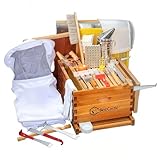
- Complete Beehive Starter Kit: Includes Wax Coated Assembled Deep Brood Box, Solid Bottom Board, Telescoping Top Cover, Inner Cover, Queen Excluder, and Entrance Reducer
- Beekeeping Supplies Tool Kit: Includes a Bee Smoker, Bee Frame Holder and Organizer Tote Bag, along with 19 Other Necessary Beekeeping Tools for Beekeepers
- Free Size Bee Suit: The Beehive Starter Kit Includes Leather Gloves and a Beekeeping Jacket and Pants.
- Beehive Frame and Foundation Sheet: 10pcs Unassembled Deep Brood Frames Made of Pine Wood and 10 Foundation Sheets Made of Black Food Grade Plastic Dipped in Beeswax.
- Beehive Material: BeeCastle Hives' Exterior Parts are Made of Cedarwood and Coated with Beeswax, Making Them More Durable than Other Beehive Boxes and Less Prone to Warping
For UK readers, the BBKA recommends local bees rather than imported bees and queens. Treat that as UK guidance, not a universal import policy. In any region, ask your association or extension educator about movement restrictions, registration and the diseases that must be reported.
Will you be stung?
Yes, an occasional sting is possible. The BBKA notes that temperament varies and that poor handling can contribute to more defensive behavior. Protective clothing reduces exposure but does not eliminate sting risk. Calm movements, correct smoke use, suitable weather and supervised practice matter as much as the suit.
Reduce avoidable stings
- Inspect only when weather and colony conditions are suitable according to your mentor.
- Check that the veil is closed and sleeves and gloves overlap before opening the hive.
- Work smoothly rather than crushing bees between boxes or frames.
- Keep smoke cool and controlled; never use materials that produce hazardous fumes.
- Have a clear exit route and an untrained helper should remain away from the flight path.
Learn the difference between a normal local reaction and a medical emergency from a healthcare professional. If someone develops breathing difficulty, swelling of the mouth or throat, dizziness or other signs of a severe allergic reaction, call emergency services immediately. Do not keep bees where a known high-risk person cannot be protected from exposure.
How do you inspect a colony?
Your mentor should demonstrate the first inspections. The purpose is not to rummage through every frame; it is to answer specific management questions while disturbing the colony as little as practical.
- Prepare outside the hive. Light the smoker, put on all protective equipment and decide what you need to record.
- Observe the entrance. Note unusual aggression, dead bees, traffic, robbing behavior or signs that warrant a closer look.
- Open gently. Use a small amount of smoke and avoid sudden movements.
- Check food and space. Confirm that stores and available comb match the season and colony strength.
- Look for the queen or evidence of her activity. You may not see the queen; eggs, young larvae and an organized brood pattern can provide useful evidence.
- Check for disease, pests and damage. Follow local identification and treatment guidance rather than guessing from photographs.
- Assess swarm preparation. Ask your mentor what queen cells, congestion or other local signs mean and what action is appropriate.
- Close the hive and record findings. Write the date, weather, colony condition, food, brood, concerns and agreed next step.
Never copy a calendar blindly. Inspection frequency depends on season, climate, colony development and local management. Your records turn separate visits into a useful history.
Rank #4
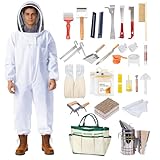
- Comprehensive Beekeeping Supplies: The POLLIBEE 35Pcs beekeeping starter kit is a practical set for your beekeeping needs, featuring essential items for honey harvesting, bee hive management, and more
- Full-Body Bee Suit: Designed for both men and women, this XL-sized bee suit helps reduce stinging risks and delivers comfortable wear, with a detachable mesh hood for clear visibility during hive inspections
- All-in-One Beekeeping Tools: This 35Pcs kit includes everything from a bee smoker and uncapping tools to a honey filter bag and frame holder. Easily manage your hives, and extract honey without missing a beat
- Durable Storage Solution: The sturdy Oxford storage bag comes equipped with multiple pockets, allowing you to keep your beekeeping supplies organized, clean, and easily accessible for quick use
- Ideal for Beginners & Pros: Whether you're a beginner or an experienced beekeeper, the POLLIBEE beekeeping starter kit works well for daily hive care to full honey extraction, supporting your beekeeping work
How does care change through the seasons?
Seasonal timing is geographic. The following pattern comes from BBKA guidance for the UK and is not a universal calendar.
Late spring and summer in the UK
BBKA describes late spring and summer as the busiest period, with weekly hive inspections. Colonies may expand rapidly, require additional space and prepare to swarm. The main honey crop usually comes off in summer in southern areas and later farther north. Local weather and forage can move these dates, so follow your association’s schedule.
Autumn and winter in the UK
After the active season, confirm that the colony has adequate food and that equipment is secure. BBKA describes winter checks as occasional and focused on disturbance and food stores. Avoid opening the hive unnecessarily in cold weather; observe from outside and act on specific concerns with mentor guidance.
Other climates
Warm winters, long dry seasons, tropical rainfall or severe cold change inspection and feeding decisions. Use a regional extension service or association calendar rather than transferring UK dates to North America or another climate. The Arkansas course is a useful foundation for seasonal management, but local instruction remains essential.
How do you prepare bees for winter?
Winter preparation begins while the colony is still active. The exact tasks depend on your climate and hive design, but the decisions are consistent:
Best Value

- COMPLETE BEEHIVE KIT: The complete bee starter kit consists of 1 deep brood box (19.88*16.25*9.56), 10 deep unassembled frames with foundation sheets, 1 beehive bottom board, 1 entrance reducer, 1 telescoping top cover, 1 inner cover, 1 plastic queen excluder
- BEEKEEPING SUPPLIES TOOLS KIT: This is a nice beekeeping starting kit that contains most of the beekeeping tools you will need. Such as bee smoker, honey gate, beekeeping gloves, uncapping tools and so on
- BEEKEEPING HAT WITH VEIL: This beekeeping veil features a 360° brim design. It is breathable and keeps bees out while keeping you breathing
- ASSEMBLED BEE BOX: The beehive box comes assembled. The frames and foundations come unassembled, but putting the wooden frames and foundations together is very easy and nails are provided
- MATERIALS: The beehives are made of cedar wood, with a dovetail joint design to make the beehive structure more sturdy. The beekeeping tools set is made of stainless steel, plastic and other materials, not easy to deform, strong and durable
- Confirm food stores. Learn from your mentor how to judge stores without excessive disturbance and what local thresholds trigger intervention.
- Check colony health. Treat diseases or parasites only with locally approved methods and timing.
- Secure the hive. Inspect the stand, roof, straps and protection from prevailing weather without blocking necessary ventilation.
- Prevent disturbance. Reduce exposure to wind, animals and accidental knocks.
- Record the plan. Note the last inspection, stores, treatments, equipment changes and the date for the next outside check.
Do not assume that adding insulation, reducing entrances or feeding is correct in every location. These interventions can help in one climate and create problems in another; use local advice.
What about disease, parasites and pests?
Healthy colonies require routine observation, not a one-time treatment. Beginner training should cover disease recognition, parasites, hive pests, hygienic equipment handling and legal reporting. The Arkansas Cooperative Extension course explicitly includes these subjects. Your mentor or extension educator can identify which conditions are common locally, which products are approved, how to read labels and when a colony must be reported or quarantined.
Do not move frames, bees or used equipment between apiaries without understanding biosecurity. Keep inspection notes so an emerging pattern is visible, and seek help early when brood, adult bees, stores or behavior look abnormal.
Do these 3 things before closing this tab:
1Clear out junk files and repair common Windows errors2Scan for outdated or missing drivers - takes under a minute3Repair Windows errors before they cause bigger problemsWhen can you harvest honey?
Honey is a surplus, not the colony’s guaranteed output. A new or weak colony may need all of its stores for growth and winter. Harvest only when your mentor confirms that the colony has adequate food and that the honey is ready under local practice. The equipment and timing for extracting, filtering and storing honey vary by hive system and regulations.
The sources used here do not establish a universal first-year yield. Weather, forage, colony strength, swarm losses, disease and management all affect production. Plan financially and emotionally for a year in which the main success is a healthy, overwintered colony rather than jars of honey.
How much does starting cost?
No broadly applicable startup budget is established by the guidance above. Costs vary with hive format, protective clothing, number of colonies, new versus used equipment, local suppliers, bees, transport, feed, treatments and whether an association lends tools. Ask your local club for a current equipment list and typical regional prices.
Budget for recurring costs as well as the initial hive: replacement frames and foundation, fuel, feed when needed, health treatments, protective-gear repairs, transport and possible mentoring or course fees. Buying a complete bundle can be convenient, but it may lock you into a format your local advisers do not use.
Quick wins for a faster PC:
Scan for outdated or missing drivers - takes under a minuteDriver Scan →Clear out junk files and repair common Windows errorsFree Scan →Fix the driver behind crashes, sound loss and screen glitchesFind Drivers →A realistic first-year plan
- Months before purchase: Contact an association, attend a taster day and complete a beginner course.
- Site and rules: Verify zoning, permits, inspections, neighbors, access, water and weather exposure.
- Equipment: Choose the locally supported hive format and obtain compatible protective gear, smoker, tool, feeder, stand, boxes and frames.
- Mentored installation: Receive bees when you can inspect them with help and have a written plan for the first checks.
- Active season: Inspect at the locally recommended interval, record findings and respond to swarm or health concerns promptly.
- End of season: Confirm food, health and weather protection; harvest only genuine surplus.
- Winter: Make occasional external checks for disturbance and food, following local guidance.
Questions to ask before you buy
- Which hive format do nearby mentors and suppliers support?
- Can I attend a practical inspection before purchasing bees?
- What registration, permit or inspection rules apply at my address?
- Where will replacement frames, foundation and boxes come from?
- Who will help me identify disease, parasites or swarm preparation?
- How will I protect neighbors, children, pets and visitors?
- What is the local winter-feeding and weather-protection practice?
- What happens if the colony is defensive, weak or diseased on arrival?
Common beginner mistakes and fixes
| Mistake | Why it causes trouble | Better approach |
|---|---|---|
| Buying bees before finding a mentor | You may miss early signs of swarming, disease or inadequate stores. | Arrange supervised practical help first. |
| Choosing a hive from an online picture alone | Parts may not fit and local advice may not apply. | Use the format common in your area and confirm dimensions. |
| Inspecting by a fixed worldwide calendar | Weather and colony development differ by region. | Follow a local seasonal schedule and your colony records. |
| Assuming a suit prevents all stings | Gaps, crushed bees and defensive colonies can still cause stings. | Combine correct clothing with calm, skilled handling. |
| Harvesting because honey is present | The colony may need those stores for growth or winter. | Take only confirmed surplus after a local assessment. |
| Waiting until winter to learn health checks | Cold-season intervention is harder and mistakes are costly. | Learn disease and parasite recognition during the active season. |
The decision in one sentence
Begin with a local association, practical training and a mentor; then choose a compatible hive, prepare a compliant and safe site, and manage the colony according to your region’s seasons rather than a generic internet calendar.
Quick Recap
Product prices and availability are accurate as of the date/time indicated and are subject to change. Any price and availability information displayed on Amazon at the time of purchase will apply.





Leave a Reply