
Some links on this page are affiliate links: if you buy through them we may earn a commission, at no extra cost to you.
The safest way to stop a dog crying, whining, barking, or howling when left alone is to identify the longest absence that still feels easy for that dog, then build duration with very short, calm departures. Return before distress begins, increase time in small steps, and use temporary care so the dog is not repeatedly pushed into panic.
Vocalizing that starts soon after you leave—especially with pacing, panting, drooling, destruction, escape attempts, or indoor elimination—can be separation-related anxiety rather than spite or disobedience. A veterinarian should assess new, severe, or illness-associated behavior; serious cases may need a veterinary behaviorist, qualified reward-based trainer, and sometimes medication alongside behavior work.
As an Amazon Associate I earn from qualifying purchases.
What crying or barking after you leave can mean
Dogs vocalize for many reasons, and the sound alone does not diagnose separation anxiety. The timing and the rest of the behavior matter. A dog that begins barking within minutes of departure and cannot settle is showing a different pattern from a dog that naps for an hour and then barks at noises outside.
| What you observe | What it may indicate | Useful next step |
|---|---|---|
| Crying, whining, barking, or howling soon after departure | Separation-related distress is possible | Record the first signs with a camera or audio device and begin below-threshold practice |
| Pacing, panting, drooling, frantic door or window work, destruction, escape attempts, or elimination while alone | Higher-intensity anxiety; risk of injury or panic | Stop testing long absences, arrange supervision, and seek veterinary or behavior help |
| Barking only at hallway, street, wildlife, or household sounds | Alert barking or environmental fear rather than separation distress | Identify and manage the trigger; a different behavior plan may be needed |
| Vocalizing after a long period of inactivity | Boredom, unmet exercise needs, or a learned attention pattern may contribute | Provide appropriate activity and assess the full daily routine |
| A sudden change in an adult or older dog | Pain, illness, sensory change, or age-related cognitive change is possible | Arrange a veterinary examination before treating it as a training problem |
The American Society for the Prevention of Cruelty to Animals (ASPCA) describes separation-anxiety behaviors as distress responses, not revenge. Treating them as misbehavior and punishing the dog can increase fear.
Popular on Amazon
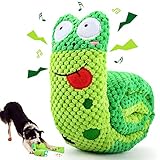
- Keep Your Dog Busy & Happy: Tired of your pup chewing on shoes? This interactive dog snuffle toy is designed to relieve boredom and separation anxiety. Hide their favorite kibble inside the plush folds, and watch them use their natural foraging instincts to sniff out the treats, keeping them mentally stimulated and entertained for hours
- 2-in-1 Treat Puzzle & Squeaker: More than just a standard plush toy. It features built-in squeakers that instantly grab your dog's attention, combined with hidden treat pockets that turn playtime into a rewarding brain game. Perfect for satisfying both their hunting and chewing instincts in one fun activity
- Promotes Healthy Digestion: Turn everyday snack time into a fun challenge! Acting as a smart slow feeder alternative, hiding treats inside the toy forces your dog to eat slower. This prevents choking, aids in better digestion, and rewards their hard work with a tasty payoff
- Safe, Soft & Durable Playtime: Crafted from premium, non-toxic plush fabric, this foraging toy is completely safe for your furry friend to cuddle, fetch, and gently chew. The soft texture naturally helps clean their teeth as they play. (Note: Designed for puppies and small to medium dogs; not recommended for aggressive chewers)
- Easy to Clean & Machine Washable: Dog toys can get slobbery quickly, but cleaning this one is completely hassle-free. Simply toss the snuffle toy into the washing machine on a gentle cycle, and it comes out looking and smelling fresh, ready for your dog's next treat-hunting adventure
First, find out exactly when distress starts
Do not rely only on damage you discover after returning. Set up a camera or audio recording that covers the dog’s resting area, exit door, and any window that may trigger barking. Note the time you leave, the first whine or bark, body language, whether the dog eats, and how long it takes to recover after you return.
Look for a pattern over several ordinary departures. The important training number is the longest absence during which the dog remains relaxed—not the longest time the dog can endure while already distressed. If the dog starts panting or vocalizing at 20 seconds, a useful starting absence may be only a few seconds. If the dog is calm for several minutes, practice can begin below that point rather than at the limit.
Monitoring also tells you whether a food toy is helping. A relaxed dog may investigate and eat. A panicked dog may ignore a favorite food, abandon it, or circle and vocalize. That response means the exercise is too difficult, not that the toy is unsuitable.
Rule out medical and environmental causes
Book a veterinary appointment when the behavior is new, rapidly worsening, unusually intense, or accompanied by vomiting, diarrhea, pain, weakness, breathing changes, appetite changes, excessive thirst, or other signs of illness. Pain and medical problems can make a dog unable to settle, and older dogs may develop sensory or cognitive changes that alter their response to being alone.
Also popular on Amazon

- Engaging Dog Toys: These toys are designed to keep your furry friend entertained and mentally stimulated. Perfect for small and medium-sized dogs, they come in fun and colorful shapes, including onions, potatoes, mushrooms, tomatoes, lemons, carrots, and a turkey
- High Quality and Safety: Crafted from high-quality materials, these toys are not only fun but also safe for your dog. The soft fabric is gentle on your dog's mouth, promoting their dental health and overall well-being
- Interactive Fun: Each toy is equipped with a squeaker and crinkle paper, making playtime even more engaging and exciting for your canine companion. The enticing sounds will keep them entertained for hours
- Durable Design: These dog toys are built to last. They can withstand your dog's chewing and playing, ensuring they remain a favorite for a long time
- Ideal for Teething: These plush dog toys are also great for teething, providing relief for their sore gums and preventing them from chewing on your furniture or belongings
Ask what happens immediately before the barking. If the dog reacts to delivery sounds, neighbors, traffic, wildlife, or a view through the window, block the view and reduce the sound while you investigate that trigger. If the dog is quiet when someone remains in the home but panics whenever one particular person leaves, separation-related distress becomes more likely. More than one cause can occur at once, so a veterinarian or behavior professional may need to address both.
Prepare the dog for easier departures
Meet basic needs without trying to exhaust the dog
Before a planned practice session, give the dog a toilet opportunity, age-appropriate physical exercise, and mental activity. A sniffing walk, short reward-based training session, or food puzzle can lower excess arousal. Exercise and enrichment support the plan, but they do not cure separation anxiety; a frightened dog can still panic after a strenuous outing.
Make the resting area safe
Remove hazards the dog could chew, swallow, or use to break through a door or window. Provide water and a comfortable resting place. Close blinds or use background sound if outside activity is a known trigger. Keep the setup consistent during training so the dog is not also learning a new room, new barrier, and new departure routine at the same time.
Practice calm behavior while you are still home
Ask for a settle on a mat or bed, reward quiet relaxation, and briefly move out of sight inside the home. Return before the dog becomes worried. This teaches that a person moving away does not automatically predict a long absence. Progress to walking toward the exit door, touching the handle, and opening and closing it while the dog remains calm.
Also popular on Amazon
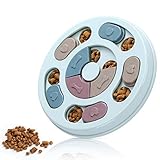
- 【Size】: L9.44" * W9.44"* H1.14" suitable for cats, puppies and small dogs.
- 【Interactive Dog Toys】This is a interactive puppy puzzle , which can easily become the closest companion and toy for your puppies and cats, and will release pressure for dogs. Find food by sliding parts to improve eating pleasure and IQ.
- 【Slow Feed Bowl】This encourages pets to eat at a slower speed, helps to slow down the feeding time to help the dog digest, and can provide your dog with a variety of healthy snacks.
- 【Slow Feede toys】 Use this educational game toy to exercise the dog’s brain, which will help meet the dog’s instinct needs, train the pet’s sense of smell, and let the dog enjoy feeding when using the nose or paw to move the slider, while providing spirit stimulate.
- 【Dog toys】No toy is indestructible. Do not leave toys with unsupervised pets. Remove and replace toy if damaged.
A threshold-based training plan
Use gradual desensitization and counterconditioning: expose the dog to an absence that is easy enough to stay under the anxiety threshold, and pair it with calm, rewarding experiences. ASPCA guidance describes beginning with one- to two-second absences, then slowly building to five- to ten-second absences before adding a stuffed food toy. Those numbers are examples, not a schedule that every dog can follow.
- Start with a calm baseline. Wait until the dog is relaxed, has toileted, and is not already aroused by visitors, play, or a household disruption.
- Rehearse an indoor separation. Ask for a settle, step out of sight for a moment, and return while the dog is still relaxed. Repeat only after the dog has returned to baseline.
- Move to the exit. Walk to the door, pick up keys, put on a coat, or perform another departure cue without leaving. Reward calm responses so these cues stop predicting an overwhelming absence.
- Take a one- or two-second absence. Step outside or just beyond the closed door and return before whining, barking, pacing, or scanning begins. Several easy repetitions are more useful than one difficult attempt.
- Increase duration in small, uneven increments. When the dog is consistently calm, add a few seconds. You may occasionally return to an easier duration; do not make every repetition longer. Wait a few minutes between repetitions, or until the dog is genuinely settled, rather than stacking departures while arousal rises.
- Add a high-value food activity only when the dog can remain calm. Offer a stuffed food puzzle toy immediately before a brief departure. If the dog refuses food, pants, vocalizes, or leaves the toy, shorten the next absence.
- Repeat across ordinary departure cues. Practice at different times and with realistic keys, shoes, doors, and lighting, while keeping each absence below the dog’s current threshold.
- Regress at the first sign of anxiety. If a duration produces distress, return to the last easy duration or make the next repetition much shorter. Do not try to make the dog endure the difficult interval until it stops.
There is no universally correct pace. A dog’s threshold can change with sleep, illness, weather, household noise, recent stress, and the length of earlier repetitions. Keep a simple log of duration, food taken, body language, and recovery so decisions are based on observed behavior rather than guesswork.
Use departures and reunions that keep arousal low
Leave without a dramatic goodbye. Avoid repeated reassurance that makes the departure itself exciting, and do not sneak away if doing so causes the dog to search in alarm. Use the same calm routine you have practiced.
When you return, enter quietly and put away items before giving prolonged attention. Wait for the dog to settle enough to interact calmly. This is not withholding affection; it prevents arrivals from becoming a high-arousal event that makes the next departure harder.
Also popular on Amazon
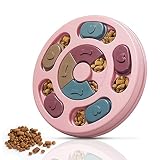
- 【Size】: L9.44" * W9.44"* H1.14" suitable for cats, puppies and small dogs.
- 【Interactive Dog Toys】This is a fun interactive puppy puzzle toy, which can easily become the closest companion and toy for your puppies and cats, and will release pressure for dogs. Find food by sliding parts to improve eating pleasure and IQ.
- 【Slow feeder】This slow feeder encourages pets to eat at a slower speed, helps to slow down the feeding time to help the dog digest, and can provide your dog with a variety of healthy snacks.
- 【Slow Feede toys】 Use this educational game toy to exercise the dog’s brain, which will help meet the dog’s instinct needs, train the pet’s sense of smell, and let the dog enjoy fun feeding when using the nose or paw to move the slider, while providing spirit stimulate.
- 【Dog toys】No toy is indestructible. Do not leave toys with unsupervised pets. Remove and replace toy if damaged.
Manage unavoidable absences while training
Training is undermined when a dog repeatedly experiences full-intensity panic. If the dog can tolerate only two minutes, do not leave for an eight-hour workday without arranging support. Temporary management is not a failure; it prevents rehearsal of the very response you are trying to change.
| Management option | When it can help | What to check |
|---|---|---|
| Family member or trusted friend | The dog is calmer with familiar company | Confirm the person can follow the same safety and reward-based plan |
| In-home sitter | The dog settles best in its own environment | Provide written instructions, emergency contacts, and access to the camera if appropriate |
| Workplace accompaniment | Permitted and safe for the dog and workplace | Do not use it if the setting creates additional fear or overstimulation |
| Another sitter’s home | The dog is comfortable in that home and with the caregiver | Introduce the location gradually rather than on the first long absence |
| Daycare | The dog enjoys group or supervised activity | Check temperament fit, supervision, rest opportunities, vaccination rules, and transport stress |
Choose the least stressful safe arrangement for that individual dog. A busy setting is not automatically better than staying home with one calm person.
The Tool Desk
Outbyte Driver Updater FREEScan for outdated or missing drivers - takes under a minuteDriver Scan →Outbyte PC Repair FREERepair Windows errors before they cause bigger problemsFix Now →How long can a dog be left alone?
There is no single safe duration for every dog. Age, health, toileting needs, exercise, temperament, previous experience, and the dog’s emotional response all matter. A dog with separation anxiety may panic within seconds, while another healthy adult dog may rest comfortably for longer.
The Royal Society for the Prevention of Cruelty to Animals gives four hours as a general maximum guideline so dogs can exercise, toilet, and spend time with people. It is a welfare guideline, not a treatment target, guarantee, or instruction to leave an anxious dog for four hours. For a dog already showing distress, use the observed calm threshold and arrange care for any longer absence.
Also popular on Amazon

- RUBBER MATERIAL: HIPPIH treat dispensing dog ball is made of extra-tough rubber with good elasticity, good for your sweet dog grinding and fresh their teeth. ( Blue color-2.75 in, Green color-3.14 in, suitable for medium and large dogs. Not suitable for miniature small dogs, such as Yorkshire Maltese, etc) NOTE: The dog puzzle ball must be wider than your dog's mouth
- STRONG TOOTH: HIPPIH blue dog ball can effectively help strong their teeth and won't hurt pets gums. The green one can put the food in to improve the interest of your cute dogs.
- IMPROVE INTELLIGENCE & IQ TRAINING: HIPPIH dog toy ball can easily attract your pet's attention, help pets intelligence improving and is convenient to train dogs. HIPPIH dog ball toys are perfect for interaction with your dog, promoting the bond between you and your dog.
- FOR AMUSEMENT: Perfect for fetch and interaction with your dog. You can add food or treats into the grooves and this keeps your dog entertained and active. HIPPIH IQ treat ball allow you have more interactive fun with your pets.
- BEST GIFT FOR PETS: HIPPIH dog toys ball can reduce the dog's destructive behavior, protect the home shoes, socks, sheets, sofa are not afraid of dog bite. Your naughty active dogs will be love it to kill the boring time. This dog rubber ball is best gift for your sweet dog.
Should you use a crate?
A crate can be appropriate when it is already a safe, positive resting place. It does not automatically treat separation anxiety. Before using it during an absence, observe whether the dog relaxes in the crate while you are home and during very brief separations.
Do not crate the dog alone if confinement causes heavy panting, drooling, frantic escape attempts, persistent barking or howling, pacing, or elimination. A distressed dog can injure its teeth, nails, or body trying to escape. Use a dog-proof room or baby-gated area instead if that produces calmer behavior, and never force a panicking dog to remain crated.
Do these 3 things before closing this tab:
1Scan for outdated or missing drivers - takes under a minute2Repair Windows errors before they cause bigger problems3Fix the driver behind crashes, sound loss and screen glitchesIntroduce or rebuild crate comfort separately: leave the door open, feed meals or treats inside, allow voluntary entry and exit, and increase closed-door time only while the dog remains relaxed. If the dog is calm loose but panics in the crate, the crate is the problem in that context, not the solution.
What not to do
- Do not yell, scold, or punish. The ASPCA states, Do not scold or punish your dog. Punishment after you return cannot teach what the dog should have done during your absence and can add fear to the departure routine.
- Do not use shock, spray, or other aversive corrections. The RSPCA recommends positive, reward-based training methods. A correction may suppress sound briefly while leaving the underlying panic unchanged or worse.
- Do not wait out a panic episode. Prolonged exposure above threshold can intensify fear and create a more difficult starting point for the next session.
- Do not jump from seconds to hours. Increase only after repeated calm responses, and return to an easier duration when anxiety appears.
- Do not assume destruction means spite. It may be an attempt to escape, a distress behavior, or a response to an environmental trigger.
- Do not rely on enrichment alone. A puzzle toy, exercise, or background noise can support management, but none replaces graduated behavior work or medical assessment when distress is severe.
When to involve a professional
Arrange help promptly for self-injury, frantic escape behavior, severe drooling or panting, repeated elimination linked to absences, rapid escalation, inability to complete even tiny below-threshold repetitions, or no meaningful progress despite careful practice. A veterinarian can check for medical contributors and discuss whether medication is appropriate.
Useful professionals include a board-certified veterinary behaviorist, a certified applied animal behaviorist, or a genuinely experienced reward-based trainer who routinely handles separation cases. Ask how they assess the dog’s threshold, how they prevent panic during treatment, and which methods they will use. Medication, when prescribed, generally supports behavior modification; it is not a substitute for a graduated plan and safe management.
A practical decision checklist
- Have you recorded the first minute or two after departure rather than guessed from damage?
- Can you identify the longest absence that remains calm?
- Are pain, illness, age-related change, outside triggers, and boredom being considered?
- Is the dog receiving a toilet opportunity, suitable exercise, and mental activity before practice?
- Are departures measured in seconds or small increments below threshold?
- Does the dog willingly eat and settle, or does it ignore food and show panic?
- Is the crate genuinely relaxing, or does a room or baby gate work better?
- Have you arranged a sitter, friend, family member, workplace option, another home, or daycare for absences the dog cannot yet handle?
- Are all responses reward-based, with no punishment or aversive equipment?
- Do the severity and progress justify veterinary behavior support?
Improvement cannot be assigned a reliable number of days or weeks. The pace depends on the dog’s threshold, history, environment, health, and consistency. Measure progress by calmer body language, longer relaxed absences, willingness to eat, and faster recovery—not by forcing a particular deadline.
Free tools Windows power users keep installed
One-click scans. No signup required.





Leave a Reply