
Some links on this page are affiliate links: if you buy through them we may earn a commission, at no extra cost to you.
You cannot—and should not—eliminate a kitten’s need to scratch. Scratching is normal feline behavior used for stretching, claw maintenance, visual and scent marking, and communication. The reliable solution is to redirect that behavior: place a stable scratcher beside the exact furniture target, match its orientation and texture to your kitten’s preference, reward every successful use immediately, and make the furniture temporarily less appealing.
Protect the couch or chair while the new habit forms, trim claws to limit damage, and avoid punishment. Hitting, yelling, or forcing paws onto a post can create fear without teaching the kitten what to do instead.
As an Amazon Associate I earn from qualifying purchases.
Crashes, No Sound, or Screen Glitches?
Random freezes, missing sound and display glitches usually trace back to one bad driver. Find and replace yours safely.Free scan · under a minutePC Slower Than It Used to Be?
A free scan shows the junk files, broken settings and background clutter dragging Windows down - then fixes them in one click.Free scan · Windows 10 & 11Why kittens scratch furniture
The American Humane Society describes scratching as “a completely normal and healthy behavior that most cats engage in.” Cornell University College of Veterinary Medicine calls it an “innate behavior,” comparable to grooming or burying waste. Those functions explain why simply trying to stop scratching usually fails.
- Stretching: A full-body pull against a vertical surface exercises the shoulders, back and legs, especially after sleeping.
- Claw care: Scratching helps maintain the outer layers of the claws.
- Marking: Scratches leave visible marks and scent from glands in the paws.
- Communication: A frequently used location can signal that an area is important to the cat.
Your goal is therefore not “no scratching.” It is “scratch these approved surfaces instead of the sofa, rug or table leg.” Redirecting meets the kitten’s normal needs while preserving the furniture.
Popular on Amazon
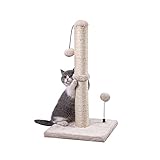
- Premium Quality Materials - This product is made of 100% natural sisal hemp.The base and top is a weighted MDF covering the carpet.Nature High Quality Sisal Safe Plush Long Lasting Usage Stable basement, never tip over easily.
- Protect your furniture - Grab sticks and plush toys combine to attract cats to play and grab, natural sisal is suitable for cats to grab, effectively preventing cats from grabbing furniture
- Designed for indoor use - Neutral colors work well with existing decor in your home.ideal for any living room, bedroom, or home office
- 22"Tall Cat Scratching Post -11.8 x 11.8 x 22 Inches,design for kitties or smaller cats.
- Easy Assemble - ust screw all parts together,Assemble needed, all tools and instructions included.Please contact us if you have any further questions.
Start by reading your kitten’s scratching pattern
Watch what happens immediately before and during an unwanted scratching episode. The target and the body position provide a practical specification for the replacement scratcher. Observe more than one episode if possible, because a kitten may use different surfaces at different times.
Record the orientation
- Vertical scratching: The kitten stands on the floor and reaches up a couch side, doorframe or chair back. Begin with a tall, stable post.
- Horizontal scratching: The kitten crouches over a rug, carpeted step or floor mat. Begin with a horizontal corrugated-cardboard pad.
- Mixed scratching: Offer one vertical and one horizontal option rather than guessing which style will win.
Orientation matters because scratching is also a stretch. A floor pad cannot substitute fully for the long upward pull a kitten gets from a properly tall post, while a post may not satisfy a kitten that prefers to rake a rug.
Free tools Windows power users keep installed
One-click scans. No signup required.
Record the material
Note whether the kitten chooses upholstery, carpet, wood, rope-like sisal or cardboard. A replacement that feels completely different may be ignored even when it is placed correctly. Offering more than one substrate lets the kitten show you a preference; you can reduce the selection later once use is consistent. Change one feature at a time when troubleshooting so you can tell whether texture, angle or location made the difference.
Watch the timing and location
Many kittens scratch after waking, so a scratcher near a favored bed or nap spot is useful. Also mark the exact couch corner, chair arm, rug edge or table leg being targeted. “Near the furniture” means immediately beside that spot at first, not across the room. If the kitten has several favored targets, treat each as a separate training location rather than assuming one distant post will serve them all.
Choose an outlet that can compete with the furniture
A scratcher works only if it is physically usable and rewarding to use. It must not slide, tip or collapse when the kitten leans its full weight into it. A post that moves during the first attempt can become frightening, and a pad that folds or skids may be abandoned.
| Outlet | Best match | Selection criteria | Limitations |
|---|---|---|---|
| Vertical sisal post | Kitten stretches up a sofa, chair back or doorframe | Heavy or anchored base; tall enough for a full-body stretch; sisal surface that does not wobble | May be ignored by a kitten that prefers floor-level scratching |
| Horizontal corrugated-cardboard pad | Kitten scratches rugs, carpet or other floor surfaces | Broad enough for the kitten to stand on; stays flat; cardboard texture is exposed | Does not provide the upright stretch some kittens seek |
| Additional texture or orientation | Preference is uncertain or mixed | Place a second option beside the first target; compare use rather than forcing a choice | More than one option requires more space and replacement when worn |
The “best” product is the one that matches the kitten’s behavior. A tall sisal post is a strong first choice for upright scratching; a horizontal cardboard pad is a strong first choice for rugs and other floor-level targets. Some kittens prefer carpet, wood or another texture, so adjust based on observation.
Quick wins for a faster PC:
Fix the driver behind crashes, sound loss and screen glitchesFind Drivers →Clear out junk files and repair common Windows errorsFree Scan →Scan for outdated or missing drivers - takes under a minuteDriver Scan →Check the practical specifications
- Height: The kitten should be able to extend its body rather than hunching beneath the top of the post.
- Base: A broad, heavy or anchored base should remain stable when the kitten pulls downward.
- Surface: The scratching material should be exposed and easy to engage, without loose pieces that could catch claws.
- Access: The outlet must be reachable without squeezing behind furniture or crossing an open area the kitten avoids.
- Condition: Replace or refresh a worn pad when it no longer offers the texture the kitten originally chose.
There is no single required number of scratchers. The useful number depends on how many rooms and targets the kitten uses. An additional outlet near a favored resting place can be more effective than moving the only post back and forth.
Place the scratcher at the exact target
Location is often more important than appearance. Put the vertical post directly beside the couch corner or chair arm, or lay the horizontal pad over the part of the rug the kitten normally attacks. If the target is a table leg, position a suitable scratcher against that leg without creating a hazard.
Add another outlet near a sleeping area if scratching follows naps. Keep the approved surface in the high-traffic location while the behavior is being learned. Once the kitten uses it reliably, move it only a small distance at a time toward the location you prefer. If use drops, return it to the last successful position and progress more slowly.
Do not place the only approved surface in a low-traffic corner simply because it looks tidier. During training, visibility and convenience matter more than décor. You can work toward a less conspicuous location after the kitten has a dependable habit.
What’s actually slowing this PC down?
Pick the symptom - the matching free tool is one click away.
Also popular on Amazon
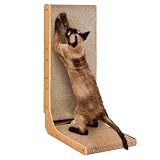
- HIGH QUALITY MATERIALS: The surface of the cat scratching board is made of non-toxic and high-density corrugated paper, which is durable enough to withstand cat scratching.
- INNOVATIVE DESIGN: Our cat scratcher for indoor cats features an L-shaped design. Please place it against wall and sofa to protect your furniture. The L-shaped cat scratcher provides more scratching area for cats to scratch in a variety of positions.
- MULTIFUNCTIONAL USE: Cats can scratch, relax and stretch on our cardboard cat scratcher. Our cat scratch pad also comes with a toy ball to play with. It provides a safe and comfortable environment for cats.
- FLEXIBLE SIZE OPTIONS: Available in multiple size options to suit different cat sizes and indoor spaces. Choose the right fit for your cat and home to create a comfortable and convenient scratching space.
- EASY INSTALLATION: Our cat scratching board adopts a simple installation method and comes with instructions and necessary tools. We also provide an installation video so that you can install it quickly and easily.
Teach the replacement behavior step by step
- Prepare the area. Secure the post or pad so it cannot slide or tip. Place it beside the furniture target and remove objects that block access.
- Make the outlet interesting. Play with a wand toy near the post, or place a treat beside it. Catnip may make some kittens investigate, although individual responses vary. Do not rely on attraction alone; stability and placement still matter.
- Interrupt calmly. When the kitten begins scratching furniture, use a quiet interruption and guide its attention toward the nearby approved surface. Avoid chasing, shouting or grabbing at the paws.
- Let the kitten make contact. Do not force the paws onto the post. HumanePro warns that this can frighten a kitten or make the post aversive. Allow the kitten to approach, stretch and scratch voluntarily.
- Reward immediately. The instant the kitten scratches the approved surface, give a small treat, calm praise, gentle petting or a short play session. UC Davis School of Veterinary Medicine states that “Rewarding a kitten after using the scratching post is important.” Immediate timing helps the kitten connect the reward with the surface rather than with an unrelated action.
- Repeat every time you can. Consistent redirection from everyone in the household prevents mixed messages. Reward spontaneous use too, not only use that follows an interruption.
- Move the outlet gradually, if desired. After the kitten uses it consistently at the target, shift it a small distance toward its permanent location. Pause at each new position until use remains dependable.
Keep your response low-key. The objective is to make the approved surface easy and rewarding, not to turn furniture scratching into an exciting chase. If the kitten walks away instead of using the post, let it go and try again at another natural scratching moment, such as after a nap.
There is no universal success rate or guaranteed number of days for this process. The pace depends on the kitten’s preferred texture, orientation and location, as well as how consistently the environment is managed.
Protect the furniture while the habit develops
Training is easier when the unwanted surface is temporarily less satisfying. Use a tightly fitted, removable cover on the couch or chair, or apply removable double-sided furniture-protection tape to the exact area being scratched. Check the tape’s directions and compatibility with the furniture finish before applying it.
Protection is a management tool, not the lesson itself. Keep the approved scratcher immediately adjacent so the kitten has a clear alternative. Remove the cover or tape only after the kitten is using the nearby outlet reliably; if scratching returns, restore the protection and review the outlet’s stability, texture and position.
Recommended Free Tools
Protect only the target area and keep the covering secure. A loose sheet can become a toy or an entanglement risk. Inspect tape and covers regularly, and stop using them if they damage the finish, shed pieces or interfere with the kitten’s claws. The deterrent should make the furniture less appealing while leaving the approved outlet comfortable and accessible.
For a sofa with several damaged corners, work on the most frequently used target first while placing additional approved outlets at the others. Once the kitten chooses the alternatives, protection can be phased out one area at a time.
Trim claws to reduce damage, not to stop scratching
Regular claw trims can reduce the sharpness of scratches and the amount of upholstery damage, but trimming does not remove the need to stretch, mark or maintain the claws. Continue providing an appropriate scratcher.
If you have not trimmed a kitten’s claws before, ask a veterinarian or professional groomer to demonstrate the technique. Use cat-specific clippers, handle one or two claws at a time if necessary, and stop if the kitten becomes distressed. Never use declawing as a furniture solution; the humane approach is environmental management, redirection and reinforcement.
Claw care and scratching training serve different purposes. Trimming manages the potential damage; the post or pad provides the normal behavior. Relying on trimming alone leaves the kitten without a place to stretch and mark.
What not to do
- Do not hit, yell or physically punish. Punishment can create fear and does not identify the correct scratching surface.
- Do not drag the kitten to the post. UC Davis advises discussing aversive or remote techniques with a veterinarian or behavior specialist rather than applying them on your own.
- Do not place the paws on the post. HumanePro notes that forced contact may make the post frightening or unpleasant.
- Do not put the only scratcher far from the target. A kitten choosing a nearby couch corner is unlikely to cross a room to find an outlet.
- Do not assume one design suits every kitten. Orientation and substrate preferences differ, so observe and adjust.
- Do not remove every outlet once the furniture looks better. Scratching remains a normal behavior, and removing the approved surface can send the kitten back to the couch or rug.
Troubleshoot the common failure points
The kitten ignores the post
Check the basics in order: Is it directly beside the target? Is it tall enough for a full stretch? Does the base remain steady under the kitten’s weight? Does the surface resemble the material the kitten already chooses? Add a horizontal cardboard pad if the kitten scratches floors, or add a vertical sisal post if it reaches up furniture. Try interactive play beside the outlet and reward any investigation or scratching.
Also popular on Amazon

- Scratching post provides a place for cats to sharpen their claws and keep nails healthy
- Includes a single pillar scratching post in neutral colors with a replaceable dangle toy
- Natural jute fiber provides an optimal scratching surface
- Sturdy wood base helps prevent the post from tipping
- Ideal for redirecting cats away from scratching household carpet or furniture; spot clean as needed
If the kitten approaches but does not scratch, leave the outlet in place and continue making voluntary contact rewarding. Avoid repeatedly moving it or changing texture, height and location all at once; that makes it harder to identify the useful change.
The kitten uses the post but still scratches the couch
Keep the post at the couch, add temporary tape or a cover to the remaining target, and reward every use. If the kitten is using one surface reliably, it may still need an outlet in another frequently visited location, such as near a bed. Do not move the successful post away too quickly.
Do these 3 things before closing this tab:
1Scan for outdated or missing drivers - takes under a minute2Clear out junk files and repair common Windows errors3Fix the driver behind crashes, sound loss and screen glitchesCheck whether the couch offers a different orientation or texture. A kitten may be using the post for stretching but returning to upholstery because it prefers that surface. Add a second, matching option while retaining the reliable one.
The post tips or slides
Stability is a functional requirement, not a cosmetic preference. Anchor the post or replace it with a heavier base. A kitten that has been startled by a falling post may avoid it, so reintroduce a secure outlet calmly and reward voluntary approach.
The kitten scratches only one material
Match that preference first. A kitten choosing upholstery may need a fabric-like or sisal option; one choosing a rug may prefer a horizontal cardboard pad or another floor-level texture. Keep alternatives available long enough to observe a consistent choice instead of changing several variables at once.
Scratching increases during excitement
Provide a short play session near the approved outlet before predictable high-energy periods. Redirect calmly when the kitten starts on furniture, then reward the approved scratch. Avoid turning the interruption into a chase game.
The kitten scratches after every nap
Place a stable outlet beside the bed or resting area, even if the main furniture target is elsewhere. Because scratching commonly follows waking, intercepting that routine at the resting spot can prevent a trip to the sofa. Reward use there just as you do at the original target.
When scratching may signal a larger problem
Arrange veterinary or veterinary-behavior help if scratching persists despite suitable outlets, correct placement, temporary furniture protection and consistent positive reinforcement. Professional guidance is especially important when scratching appears alongside anxiety, aggression, injuries, appetite changes, withdrawal or another sudden behavior change.
A veterinarian can look for medical or emotional contributors and a behavior professional can help design a safer plan for the household. Bring notes about the target locations, orientation, materials, timing and what you have tried; those details make the consultation more useful.
Independent reader supportYour contribution helps us test, update, and keep practical guides available for everyone.Maintain the habit after furniture is safe
Leave at least one stable, attractive scratching surface available even after the couch is no longer a target. Inspect posts and pads for wear, replace materials that no longer provide a satisfying texture, and keep outlets near favored resting areas. Continue occasional rewards for appropriate use, especially after rearranging furniture or introducing a new room.
Also popular on Amazon
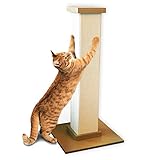
- 32″ height allows cats to stretch fully and tone muscles
- Sturdy 16″ by 16″ base eliminates tipping and wobbling
- Fibrous and durable woven sisal naturally inspires scratching
- Superior to carpeted posts that may snag nail
- Assembles with two included screws
If you want a scratcher in a different permanent location, move it gradually rather than removing the familiar outlet in one step. The behavior is normal and ongoing; successful training gives it an acceptable place to happen.
Recheck the setup whenever the kitten grows, the room layout changes or a new piece of furniture arrives. A taller kitten may need a higher post for a full stretch, and a new room may require an additional outlet. Treat these as routine adjustments rather than signs that training has failed.
Quick decision guide
- If the kitten reaches up furniture, start with a tall, stable vertical sisal post.
- If the kitten rakes rugs or floors, start with a horizontal corrugated-cardboard pad.
- If the preference is unclear, offer both orientations and observe which one earns voluntary use.
- Place the chosen outlet directly beside the target and near favored sleeping spots.
- Use a removable cover or suitable double-sided tape to protect the target temporarily.
- Reward every approved scratch immediately and never force the paws onto the surface.
- Move the outlet only in small steps after use is reliable, and restore protection if the unwanted behavior returns.
Frequently Asked Questions
How do I stop my kitten from scratching the sofa?
Put a stable scratcher directly beside the exact sofa area, matching the kitten’s preferred orientation and texture. Use a removable cover or suitable double-sided tape temporarily, calmly redirect attempts, and reward the instant the kitten scratches the approved surface.
What can I put on furniture to deter scratching?
A tightly fitted removable cover or removable double-sided furniture-protection tape can make the target less appealing while training occurs. Check compatibility with the finish, follow product directions, and keep an appealing scratcher immediately beside the protected area.
Should I buy a vertical post or a horizontal pad?
Match the product to the behavior. Choose a tall, stable vertical sisal post for upright scratching on sofas or chair backs, and a horizontal corrugated-cardboard pad for rugs and other floor-level scratching. Offer both if the preference is mixed or uncertain.
How do I get a kitten interested in a scratching post?
Place it at the exact target, secure it so it cannot wobble, and play with a wand toy or offer a treat beside it. Catnip may attract some kittens. Reward voluntary investigation and scratching immediately, but do not force the paws onto the post.
Will trimming my kitten’s claws stop furniture scratching?
No. Trimming can reduce sharpness and damage, but scratching remains normal for stretching, claw care and marking. Continue providing an appropriate, stable scratching outlet.
Is it okay to yell at or spray a kitten that scratches furniture?
Avoid physical punishment, yelling and improvised aversive methods. They can create fear without teaching the correct surface. Calm interruption, environmental protection, a nearby outlet and immediate rewards are safer and more effective.
The Tool Desk
Outbyte PC Repair FREEClear out junk files and repair common Windows errorsFree Scan →Outbyte Driver Updater FREEScan for outdated or missing drivers - takes under a minuteDriver Scan →How long should I leave the scratcher beside the couch?
Keep it there until the kitten uses it reliably, because there is no universal timeline. Then move it only a small distance at a time. If use drops, return it to the last successful position.
When should a veterinarian or behavior professional help?
Seek help when scratching persists despite suitable outlets, correct placement, protection and consistent reinforcement, or when it occurs with anxiety, aggression, injuries, appetite changes, withdrawal or another sudden behavior change.
The Bottom Line
Scratching is healthy, normal kitten behavior, so redirect rather than suppress it. Match a stable vertical or horizontal scratcher to the kitten’s preference, place it beside the target, reward voluntary use immediately, protect the furniture temporarily, and move the outlet only after the new habit is reliable.





Leave a Reply