
The Tool Desk
Outbyte Driver Updater FREEScan for outdated or missing drivers - takes under a minuteDriver Scan →Outbyte PC Repair FREEClear out junk files and repair common Windows errorsFree Scan →Some links on this page are affiliate links: if you buy through them we may earn a commission, at no extra cost to you.
When a puppy bites your ankles, stop moving, calmly offer a puppy-safe chew or tug toy, and reward the puppy for choosing it or walking beside you. If the biting continues, end access to you for about 20–30 seconds behind a door or baby gate, then return with a toy. This is usually normal play, exploration, teething, attention-seeking, or overtired behavior—not proof of aggression—but injury, fear, stiff body language, gripping, or persistent escalation needs professional help.
Why puppies chase and bite feet
Moving feet are exciting targets. Puppies investigate with their mouths, rehearse play by grabbing moving objects, and may discover that nipping makes a person stop, speak, or look at them. The behavior can also increase when a puppy wants attention, is overexcited, or has not had enough appropriate chewing outlets.
As an Amazon Associate I earn from qualifying purchases.
Recommended Free Tools
Play and exploration
Young dogs have few ways to interact with their environment. A walking ankle moves like a toy, and a puppy may follow, pounce, and mouth it as part of a play sequence. Consistent redirection teaches that human skin and clothing are not the game.
Teething discomfort
Chewing can help a puppy manage sore gums. PetMD identifies 12–16 weeks as a particularly active teething period (PetMD, 2026). During this stage, keep several puppy-safe chew options available and supervise their use; a soft rubber puppy toy or an age-appropriate chew can replace your feet without adding pressure to painful gums.
Popular on Amazon

- Teaches Healthy Chewing Habits - This puppy teething toy set includes two puppy chew toys and an edible chew treat perfect for every developmental phase
- Designed in Materials for Every Stage - These puppy chew toys for teething start with the soft material for teething puppies, then graduate to the tougher material for puppies with adult teeth
- Highly Digestible Chew Treat - Long-lasting bacon-flavored dog chew treat contains no artificial colors, flavors, or preservatives
- Made in the Usa - These chew toys for puppies are proudly made in New Jersey
- Trusted Chew Toys with Heart & Purpose - Every one of these small dog chew toys features a unique shape, individual texture, and gotta-have-it flavor created with purpose and love to give your dog what they need, when they need it
Overtired or overexcited behavior
A puppy that has missed a nap may become frantic rather than sleepy. Rapid chasing, repeated ankle attacks, and an inability to settle often mean the puppy needs a quiet break, not more vigorous play. Exercise, short training sessions, naps, and calm time should be balanced throughout the day.
What to do the instant teeth touch you
- Freeze. Stop walking and stop the game. Pulling your foot away or running can turn the moment into a chase.
- Keep your response calm. Avoid yelling, hitting, scruffing, muzzle-holding, or dramatic gestures. These can increase arousal, create fear, or make biting more exciting.
- Present an approved target. Offer a puppy-safe chew toy or a supervised tug toy at a comfortable distance from your hands and legs. Move the toy slowly enough that the puppy can choose it.
- Mark the choice with a reward. Praise quietly and give a treat when the puppy takes the toy, looks up at you, sits, or releases your clothing. The reward should arrive immediately after the alternative behavior.
- Resume only when the puppy is settled. Start walking slowly or restart play after the puppy has four paws on the floor and is focused on the toy or handler.
For a puppy that bites while you are walking, the American Kennel Club recommends holding a high-value treat beside your leg so the puppy can follow the treat rather than your feet. Reward a few calm steps, then gradually increase the distance and duration before offering another treat.
If redirection does not work
Some puppies abandon the toy and return straight to your ankles. End the interaction without a lecture.
- Stop moving and make the toy unavailable.
- Calmly step behind a door or baby gate for approximately 20–30 seconds.
- Return quietly with a toy and offer an easy behavior such as looking at you, sitting, or touching the toy.
- Reward the alternative and continue only while the puppy can remain gentle.
This brief separation removes the attention and movement that may be reinforcing the biting. It is not a punishment session: do not chase the puppy to catch it, drag it by the collar, or send it angrily to a crate. If you use a crate or pen, it must remain a safe haven. A separate gate or door is preferable for a short, calm withdrawal of your attention.
Also popular on Amazon
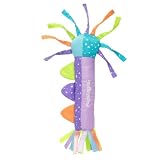
- Teething Stick for Puppies: Satisfies the need to chew during the teething phase
- Chew the Right Way: Helps redirect puppy energy away from furniture, shoes, and household treasures
- Icy Relief: Soak + freeze for a cool, soothing chew that helps comfort teething pups and refreshes them on hot days
- Colorful & Fun: Soft, stuffed polyester shell with playful fringe that entertains pups while they gnaw
- Play It Safe: No toy is indestructible. Do not leave toys with unsupervised pets. Discard and replace if damaged.
Choosing the right response for the situation
| Option | When to use it | What the puppy learns | Management needed |
|---|---|---|---|
| Toy redirection | The puppy is playful, can focus, and has not become frantic | Chewing and tugging appropriate items earns interaction | Keep a puppy-safe chew or tug toy within reach |
| Reward an alternative | The puppy can look, sit, take a toy, or walk beside you | Calm behavior makes treats, play, and movement continue | Use small, high-value treats and short repetitions |
| Brief separation behind a gate or door | The puppy repeatedly returns to skin or clothing after redirection | Biting makes access to the person stop | Leave for about 20–30 seconds and return calmly |
| Nap or quiet period | The puppy is overtired, frantic, or unable to settle | Rest is part of the daily routine | Provide a quiet, safe area and reduce stimulation |
Prevent ankle attacks before they start
Stage the environment
- Place toys at the rooms where biting usually begins, including near doors and along common walking routes.
- Use baby gates to separate a puppy from busy foot traffic when you cannot actively train.
- Wear sturdy clothing and shoes during high-risk periods, but treat clothing as management rather than a training solution.
- Remove loose items that invite tugging and keep the puppy’s approved alternatives more accessible than your socks.
Build a predictable daily rhythm
Alternate play, short reward-based training, meals, toilet breaks, exercise suited to the puppy, socialization, and quiet sleep. A puppy that is physically and mentally occupied in appropriate ways has fewer opportunities to invent an ankle game. When excitement rises, lower the intensity before the puppy loses control rather than waiting for a hard bite.
Teach walking beside you
- Begin in a quiet room with the puppy on the floor and a treat beside your leg.
- Reward the puppy for orienting toward you and taking one calm step.
- Add two or three steps, rewarding before the puppy reaches your feet.
- Practice in a hallway, then a low-distraction outdoor area.
- Increase distance, duration, and distractions one at a time. If biting returns, make the exercise easier.
Keep sessions brief. The goal is not to lure a puppy indefinitely but to reinforce a pattern: staying near the handler, checking in, and choosing a reward instead of chasing moving feet.
Quick wins for a faster PC:
Fix the driver behind crashes, sound loss and screen glitchesFind Drivers →Clear out junk files and repair common Windows errorsFree Scan →Provide supervised chewing and tug
A puppy tug toy can be useful for redirection when an adult controls the start and stop of play. Let the puppy take the toy, pause if teeth reach hands, and restart only when the toy is in the mouth. Select products sized for the puppy, inspect them for damage, and follow the manufacturer’s supervision and age guidance. Never leave a puppy alone with a toy that can break apart or be swallowed.
How to tell normal puppy mouthing from a safety problem
Normal play nipping is usually intermittent, occurs during excitement or interaction, and can be interrupted by a toy, food, a pause, or rest. The puppy’s body may remain loose, and the intensity should gradually become easier to manage with consistent responses.
Also popular on Amazon

- Dog Dental Chew Toy With Massaging Textures - Ridges and nubs on this puppy teething toy soothe sore gums while helping clean teeth to support oral care and dental hygiene
- Teaches Healthy Chewing Habits- This Nylabone puppy chew is specially made in soft material for teething puppies with gentle chewing styles (not intended for powerful puppies or puppies with adult teeth)
- Freezer-Friendly Teething Chew - Chill this freezable teething puppy toy for extra-soothing teething relief
- Puppy Enrichment Toys Made in the USA - Our puppy chew toys for teething pain relief are proudly made in New Jersey
- Trusted Durable Chew Toys With Heart & Purpose - Our dog chew toys feature unique shapes, engaging textures, and gotta-have-it flavors. Created with purpose and love to give your dog what they need, when they need it!
Arrange veterinary or qualified behavior help if any of these occur:
- A bite breaks skin, causes repeated bruising, or the puppy clamps and will not release.
- The puppy grips, shakes its head, or shows sustained body tension.
- There is deep growling, fear, avoidance, cowering, or a sudden change from the puppy’s usual behavior.
- Biting happens outside play and cannot be interrupted safely.
- The behavior does not moderate despite consistent redirection, reward-based training, rest, and management.
Pain or illness can change behavior, so a veterinarian should assess a puppy whose biting is sudden, unusually intense, or accompanied by other physical signs. A qualified positive-reinforcement trainer or veterinary behaviorist can then help identify triggers and design a plan that everyone in the household can follow.
Free tools Windows power users keep installed
One-click scans. No signup required.
A practical household plan
Agree on one response
Every person should freeze, offer the same type of toy, and reward the same replacement behaviors. If one person runs and squeals while another calmly redirects, the puppy receives mixed information and the chase may be reinforced.
Track triggers
For several days, note the time, location, activity, puppy’s sleep, and what happened immediately before each episode. Patterns often reveal a predictable trigger such as the evening rush, a particular hallway, missed rest, or a game that becomes too intense. Change one factor at a time and observe whether the puppy can stay below its biting threshold.
Also popular on Amazon
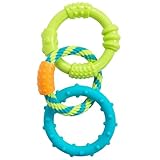
- Dog Chew Toy: Floppy three-ring design for flinging, tugging, and moderate chewing; perfect for teething puppies and small dogs up to 30 lbs
- Supports Dental Health: Textured surfaces and woven rope massage gums and help keep teeth clean
- Built for Play: Made of durable Orka material that floats in water for playtime at the pool or beach
- Keeps Them Busy: Satisfies natural chewing instincts and redirects attention towards positive play (and away from shoes)
- Product Dimensions: 8.5 x 4 x 1 inches (LxWxH)
Reinforce calm moments
Do not wait for teeth to appear before paying attention. Quietly reward a puppy that lies down, watches feet without chasing, carries a toy, or walks past you calmly. These small payments make the behaviors you want more likely when the puppy is excited later.
Independent reader supportYour contribution helps us test, update, and keep practical guides available for everyone.Common mistakes that prolong the problem
Turning your feet into a moving target
Fast steps, waving arms, and pulling away can reward the chase. Freeze first, then redirect.
Windows Errors? Fix Them Before They Spread
Repair common Windows errors and clear accumulated junk for a smoother, more stable PC - no reinstall needed.Free scan · no reinstallCrashes, No Sound, or Screen Glitches?
Random freezes, missing sound and display glitches usually trace back to one bad driver. Find and replace yours safely.Free scan · under a minuteUsing punishment
Physical corrections, shouting, scruffing, and muzzle-holding do not teach what to do instead and can add fear or conflict. A calm removal of attention followed by a clear alternative is safer and more informative.
Giving a toy too late
If the puppy is already gripping skin, waving a toy wildly may increase excitement. Place toys within reach and offer them at the first sign of stalking, staring at feet, or crouching to pounce.
Also popular on Amazon

- 6 Different Shapes of Dog Chew Toys: These puppy toys come in 6 different shapes to keep your furry friend happy and engaged. The unique designs feature molar bumps to clean various teeth, massage gums, and control tartar and plaque.
- Safe and Effective Puppy Teeth Cleaning: Made from 100% non-toxic natural rubber, these puppy chew toys are safe for your pet to chew on. Their uneven surface design thoroughly cleans your dog's teeth and massages gums for optimal dental care. Great for teething puppies!
- Interactive Toys for Small Breed Puppies: These fun toys are perfect for playing outside and make great dog training toys for small dogs. Playing together helps you bond with your furry friend and is beneficial for their physical and mental health.
- Ideal Gifts for Dogs: These puppy teething toys are perfect for puppies and small dogs. They can help reduce destructive chewing caused by boredom and anxiety while providing great entertainment. These toys make the perfect birthday or Christmas gifts for pet owners looking to give their furry friend something special.
- Satisfaction Choice & Kindly Reminder: Our dog chew toys will be great for your puppy. Meanwhile, we suggest only use under supervision if your dog is extremely aggressive chewer, and not for large breed
Skipping sleep
More exercise is not always the answer. An overtired puppy may need a quiet nap and reduced stimulation rather than another chase game.
Expecting a fixed cure date
Progress depends on age, teething, sleep, reinforcement history, environment, and the consistency of every handler. Improvement may be uneven. Continue the plan and seek help if intensity, fear, or injury makes home management unsafe.
What’s actually slowing this PC down?
Pick the symptom - the matching free tool is one click away.
When to call a professional
Contact your veterinarian promptly for injuries or a sudden behavior change. For ongoing training, choose a reward-based trainer experienced with puppies; ask what methods are used and how biting cases are handled. A veterinary behaviorist is appropriate when fear, aggression-like signals, pain, or serious injury are involved.
Dr. Jerry Klein, Chief Veterinarian of the American Kennel Club, advises: “However, if you haven’t been able to moderate the behavior by the time they’re 6 months old, it’s a good idea to consult an experienced dog trainer or animal behavior specialist.” That age is a checkpoint, not a promise that every puppy should be finished teething or perfectly gentle; seek assistance sooner when safety is at risk.





Leave a Reply