
Quick wins for a faster PC:
Repair Windows errors before they cause bigger problemsFix Now →Fix the driver behind crashes, sound loss and screen glitchesFind Drivers →Some links on this page are affiliate links: if you buy through them we may earn a commission, at no extra cost to you.
Put on a properly fitted Elizabethan collar (E-collar or cone) immediately. The cone should extend slightly beyond your dog’s muzzle and prevent the mouth from reaching the sore. Keep it on whenever your dog is unsupervised, including overnight if necessary. A soft collar, donut, shirt or recovery suit is suitable only if your dog genuinely cannot reach the hot spot.
- Rinse the area with sterile saline or clean water if it needs cleaning, then gently blot it dry.
- Do not use hydrogen peroxide, rubbing alcohol, tea tree oil, essential oils, vinegar, harsh household products or human pain medication.
- Do not cut matted fur with scissors or force your dog to let you examine a painful sore.
- Arrange veterinary advice promptly if the lesion is spreading, large, very painful, foul-smelling, heavily infected-looking, recurrent, near the eye, ear, anus or genitals, or accompanied by illness.
A hot spot—also called acute moist dermatitis or pyotraumatic dermatitis—can enlarge quickly. Preventing licking is the first treatment step, but it will not stop the problem from returning unless the underlying itch, pain, parasite, allergy, ear disease, anal-sac problem or moisture-related irritation is addressed.
As an Amazon Associate I earn from qualifying purchases.
Why licking makes a hot spot worse
Hot spots usually begin with an itch, irritation or painful trigger. The dog scratches, chews or licks the area; that self-trauma damages the skin, adds moisture and friction, and creates even more irritation. The result is a fast-moving itch–trauma–lick cycle.
Saliva does not safely clean an open sore. Repeated tongue contact can remove fragile healing tissue, keep the area wet and reopen it each time a crust starts to form. This is why a cone is not merely a comfort measure or an optional accessory: topical treatment cannot work well if the dog immediately licks it away or re-injures the skin. See VCA’s veterinary guidance on hot spots and its wound-care dos and don’ts.
Popular on Amazon

- SCRATCH & BITE RESISTANT - This inflatable dog donut collar is a perfect cone for dogs after surgery. Inflated dog neck donut works like a plump barrier around your canine's neck, can effectively prevent your pets from biting and licking injured area or surgical site. With this collar on, the unique and cute donut shape makes it like a pet ornament instead of a dog surgery collar, your pet must be a million times happier with this.
- NON-STICK FABRIC - Unlike other common velvet inflatable dog collars for after surgery donut, the outside of this dog soft cone is made of upgraded non-stick fabric, then you won't have to keep cleaning pet's hair frequently. Also it is easy to clean if needed, just unzip to take off the outer cloth. Soft cones for dogs after surgery keeps your dog comfortable, can even act as a neck pillow which helps him/her fall asleep quickly and forget the pain of the wound.
- NO STRESS - We all know how pets hate the cumbersome cone, poor dogs and cats would keep tripping on it and could not get around. This inflatable cone e collar for dogs WON'T let that happen, the inner air bag provides full support for the neck while keeping it lightweight. It does not block dog’s vision like traditional Elizabethan collar, which allows your doggie chase butterflies, hummers and grass hoppers all with wearing its collar.
- ADJUSTABLE &PERFECT FIT - In case you are concerned of the dog neck pillow from slipping down or getting taken off, we designed a fixed position on the inner part of the dog head cone, just thread your pet's everyday collar through the strips to fix it. Furthermore, a velcro strap is equipped on the opening of the collar, which can allow you to adjust the the tightness to ensure a perfect neck fit. Please remember to put the strap side at the back of your dog’s neck in case of biting.
- WARM PROMPT - If your pet wants to escape when he/she put on the collar for the first time, we hope you can work with your dog to acclimate him/her. And due to differences in dog breeds, body sizes, and growing environments, this blow up dog cone collar may not be suitable for dogs with long noses, long legs, long tails, and long bodies. Any more questions, we are here to assist you, we sincerely wish your pet a speedy recovery.
What to do right now
-
Fit a real barrier before cleaning the sore
Use a hard plastic E-collar if it is the only device that reliably blocks access. The front edge should extend slightly beyond the muzzle. It should be comfortable and secure without being tight, and it should not slide off when your dog moves its head.
Check the neck and skin under the collar every day for rubbing or irritation. Make sure your dog can breathe, eat and drink. Raising food and water bowls can make meals easier. Cones can restrict vision, amplify sounds and catch on furniture, so supervise your dog around stairs, doors, tight spaces, furniture and outdoors while it adjusts. VCA explains how to fit and use an Elizabethan collar.
Recommended: Crashes or Glitches? A Free Driver Scan Usually Finds the Culprit →Recommended: Fix Windows Errors and Clear Junk Files in Minutes - Free Scan →Special offer. See more information about Outbyte and uninstall instructions. Please review EULA and Privacy policy.Keep the cone on whenever you are not watching your dog continuously. Removing it “for just a few minutes” is a common way for a dog to reopen a sore. If you must remove it briefly for eating or another necessity, stay within arm’s reach and replace it immediately afterward.
-
Do not force an examination
Hot spots can be surprisingly painful. If your dog growls, snaps, cries, struggles intensely or will not allow gentle handling, stop. This is not stubbornness; pain can make even a normally friendly dog defend itself. Clipping and cleaning may need to be performed by a veterinary team, sometimes with sedation. Do not put your face near the lesion or attempt to restrain a distressed dog yourself.
-
Photograph and measure the area for monitoring
Take a clear photograph in good light and make a rough note of its size and location. If your veterinarian recommends brief home monitoring, a daily photograph can help you see whether the area is expanding, drying or developing new discharge. Photos are a practical monitoring aid, not a way to diagnose the lesion.
-
Rinse conservatively when necessary
If veterinary care is not immediately available and your dog permits gentle handling, rinse the surface with sterile saline or clean water. Let the liquid run over the area rather than scrubbing it. Gently blot it dry with clean material; do not rub.
The Tool Desk
Outbyte PC Repair FREERepair Windows errors before they cause bigger problemsFix Now →Outbyte Driver Updater FREEFix the driver behind crashes, sound loss and screen glitchesFind Drivers →Special offer. See more information about Outbyte and uninstall instructions. Please review EULA and Privacy policy.For an uncertain open wound, the safest interim approach is usually water or saline until a veterinarian advises otherwise. Do not improvise antiseptic concentrations. Some veterinary protocols use chlorhexidine, but products and concentrations matter, and chlorhexidine must not get into the eyes or ears. It may irritate tissue or impair wound healing in some circumstances, and the dog should not lick it after application. See the veterinary information on topical chlorhexidine and Merck’s antiseptic precautions.
Also popular on Amazon
Sale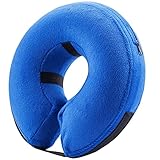 BENCMATE Inflatable Dog Cone Collar Alternative, Soft Dog Cone for Small Medium Large Dogs and Cats, Neck Recovery ECollar Donut Collar After Surgery (Medium, Blue)
- PROTECTIVE AND GENTLE CARING - Bencmate dog cone collar is a perfect dog cone alternative after surgery. Inflated dog donut collar works like a plump barrier around your canine's neck, The dog cone collar after surgery is designed to protect your pets from injuries, rashes, and post-surgery wounds, it prevents your pets from biting and licking their injured area or surgical site and promote recovery from surgery or wounds. The soft material also provides gentle caring for your pets.
- UPGRADED FABRICS &COMFORTABLE — We offer two fabric options to choose from. One is a plush, soft-touch fabric for extra comfort (solid colors option), and the other is an anti-stick, scratch-resistant, and stretchy fabric (colorful option). Cleaning is also very convenient and simply unzip to remove the outer cover. After surgery, dogs can wear this soft dog cone for a comfortable fit, and it also doubles as a neck pillow to help them fall asleep quickly and relieve wound pain.
- FREEDOM FROM RESTRAINT — Pets wearing traditional Elizabethan collars often stumble and trip because their vision is blocked. With the Bencmate dog donut collar with inner air bag provides full neck support, and the soft outer material keeps your pet supremely comfortable without obstructing their sight. Unlike conventional E-collars that block a dog's vision, this collar allows them to eat, drink, sleep, and play with ease while staying fully protected.
- ADJUSTABLE AND EASY STORING - Designed fixation straps on the inside of the dog cone collar. Simply thread your dog collar through the strap to secure it in place. The dog cone collar features scratch & bite-resistant non-stick fabric and a clean hook-and-loop closure, making it slightly easier to put on and take off., allowing you to easily adjust the tightness for a perfect, please put the closure at the back of dog’s neck to prevent biting. Deflating and storing is also handy, store it in a small space for space-saving, and there is a zipper opening on one side.
- BENCMATE sincerely recommends you measure your pet’s neck circumference before purchasing to get a perfect size. ②If the collar is a bit large for your dog and easily falls off, please try to loop the daily collar with the recovery collar, it would be helpful to prevent the collar from falling off.
-
Keep it dry and uncovered unless your veterinarian says otherwise
Do not leave wet fur, a damp shirt or an improvised wrap against the sore. Moisture can prolong the problem. Bandages can trap discharge, slip, cause pressure injury or cut off circulation. Use a bandage only if a veterinary professional has shown you how or specifically instructed you to use one; it must remain clean, dry and loose enough not to impair circulation. For most owners, a correctly fitted cone is a safer physical barrier than a homemade bandage.
-
Arrange veterinary advice
Even when you can stop the licking, the visible sore may not be the primary disease. Ask your veterinary practice how soon the lesion should be examined and send a photograph if the practice offers that service. Do not assume that a small red patch will remain small.
How to tell whether it is really a hot spot
A typical hot spot appears suddenly and may look like a red, moist, inflamed or raw patch. The hair may be missing or stuck together with fluid. Depending on its stage, it may have crusting, blood, pus, an unpleasant odor or marked tenderness. Dogs often lick, chew, scratch or rub it, and the margins can expand over a short period.
Free tools Windows power users keep installed
One-click scans. No signup required.
However, not every red bald patch is a hot spot. Similar-looking conditions include:
- Ringworm, which commonly produces bald, scaly areas with broken hairs and can spread to people and other animals; see the Merck Veterinary Manual overview of ringworm.
- Mange or other parasitic skin disease.
- Superficial or deep pyoderma, yeast dermatitis or another infection.
- An abscess, foreign body, insect bite or puncture wound.
- An ear problem causing scratching behind or beneath the ear.
- Anal-sac disease causing licking or chewing around the rump and tail.
A true hot spot is a description of a rapidly self-traumatized skin lesion, not a guarantee that the cause or depth is known. It may involve bacterial overgrowth or surface infection, but a deeper infection or an entirely different skin disease can look similar. If ringworm is possible, wash your hands after handling the area and ask your veterinarian about protecting people and other animals.
Can you treat a hot spot at home?
Home care should be considered limited interim care, not a diagnosis. Some veterinarians, including Cornell’s canine health guidance, allow cautious home care for a new, small lesion in an otherwise healthy dog without a history of recurrent hot spots. Other veterinary guidance recommends examination because hot spots can enlarge quickly and resemble deeper disease. There is no universally validated “24-hour” rule or size cutoff that makes home treatment safe.
Brief monitoring may be reasonable only when all of the following are true:
What’s actually slowing this PC down?
Pick the symptom - the matching free tool is one click away.
Also popular on Amazon
- PROTECTIVE AND GENTLE CARING - Bencmate dog cone collar is a perfect dog cone alternative after surgery. Inflated dog donut collar works like a plump barrier around your canine's neck, The dog cone collar after surgery is designed to protect your pets from injuries, rashes, and post-surgery wounds, it prevents your pets from biting and licking their injured area or surgical site and promote recovery from surgery or wounds. The soft material also provides gentle caring for your pets.
- UPGRADED FABRICS &COMFORTABLE — We offer two fabric options to choose from. One is a plush, soft-touch fabric for extra comfort (solid colors option), and the other is an anti-stick, scratch-resistant, and stretchy fabric (colorful option). Cleaning is also very convenient and simply unzip to remove the outer cover. After surgery, dogs can wear this soft dog cone for a comfortable fit, and it also doubles as a neck pillow to help them fall asleep quickly and relieve wound pain.
- FREEDOM FROM RESTRAINT — Pets wearing traditional Elizabethan collars often stumble and trip because their vision is blocked. With the Bencmate dog donut collar with inner air bag provides full neck support, and the soft outer material keeps your pet supremely comfortable without obstructing their sight. Unlike conventional E-collars that block a dog's vision, this collar allows them to eat, drink, sleep, and play with ease while staying fully protected.
- ADJUSTABLE AND EASY STORING - Designed fixation straps on the inside of the dog cone collar. Simply thread your dog collar through the strap to secure it in place. The dog cone collar features scratch & bite-resistant non-stick fabric and a clean hook-and-loop closure, making it slightly easier to put on and take off., allowing you to easily adjust the tightness for a perfect, please put the closure at the back of dog’s neck to prevent biting. Deflating and storing is also handy, store it in a small space for space-saving, and there is a zipper opening on one side.
- BENCMATE sincerely recommends you measure your pet’s neck circumference before purchasing to get a perfect size. ②If the collar is a bit large for your dog and easily falls off, please try to loop the daily collar with the recovery collar, it would be helpful to prevent the collar from falling off.
- There is one very small, newly noticed, apparently superficial area.
- Your dog is otherwise acting normally and eating and drinking.
- The lesion is not near the eye, ear canal, anus, genitals, a joint or a surgical site.
- There is no deep swelling, extensive ulceration, heavy bleeding, foul discharge or severe pain.
- Your dog permits gentle observation without a bite risk.
- A cone or other barrier reliably prevents licking, chewing and scratching.
- You can obtain veterinary advice promptly if it worsens or fails to clearly improve.
If any of those conditions is missing, arrange an examination rather than experimenting with several products. A lesion that appears small beneath wet or matted hair may be much larger than it first looks.
When your dog should see a veterinarian promptly
Contact a veterinarian promptly if the hot spot:
- Is rapidly enlarging or developing new areas.
- Is large, deeply ulcerated, very moist, heavily crusted or increasingly red.
- Has pus, increasing heat, swelling, bleeding or a foul odor.
- Is very painful, or your dog will not allow you to touch or inspect it.
- Appears in multiple locations.
- Is near the eye, ear, anus, genitals or a surgical incision.
- Is behind an ear or on the cheek and your dog also has ear odor, discharge or head shaking.
- Is on the rump or near the tail and your dog is scooting or repeatedly licking the anus.
- Keeps coming back.
- Has not clearly improved after a short period of strict licking prevention and appropriate care.
Seek emergency care for breathing difficulty, facial swelling, collapse, uncontrolled bleeding, severe generalized illness or suspected poisoning. A small uncomplicated hot spot is not usually an emergency, but it can still need prompt treatment if it is painful or expanding.
Should you shave or trim the fur?
Veterinary treatment often includes clipping the hair over and around the lesion. Removing wet or matted fur allows the entire area to be examined, makes cleaning possible and helps the skin dry. The visible patch may be only the center of a larger hidden lesion.
Do not use scissors on a hot spot. Inflamed skin can be fragile, and matted hair may be stuck directly to it. Scissors can cut the skin before you realize where the fur ends and the wound begins. If the fur is tightly matted, the sore is painful or you cannot clearly see its edges, ask the veterinary team to clip it. An experienced groomer may be appropriate for a minor, non-painful case only after veterinary advice; painful or uncertain lesions belong with the veterinary team.
What the veterinarian may do
The veterinary visit is not limited to looking at the red patch. The clinician may:
- Examine the lesion and the rest of the skin, ears, paws and body for additional clues.
- Clip the surrounding hair, often creating a margin around the visible lesion.
- Gently clean away discharge, debris and crust.
- Assess whether the problem is surface-level or extends deeper into the skin.
- Use cytology or other skin tests to look for bacteria, yeast or inflammatory cells.
- Investigate triggers such as fleas, allergies, ear disease, anal-sac disease, parasites, pain, foreign material, mats or trapped moisture.
- Prescribe treatment based on the findings, such as a topical antimicrobial, anti-inflammatory or anti-itch medication, and pain relief when appropriate.
- Use sedation if pain, fear or severe matting makes clipping and cleaning unsafe.
For recurrent disease, suspected resistance or a decision about systemic antibiotics, culture and susceptibility testing may be particularly important. Merck’s information on canine pyoderma describes how testing helps distinguish surface disease from deeper infection and guides treatment.
Do hot spots always need antibiotics?
No. Older advice often treats oral antibiotics as the default, but current guidance is more selective. The 2025 ISCAID antimicrobial-use guidelines for canine pyoderma classify hot spots as surface pyoderma and identify topical antimicrobial treatment as the preferred approach for that type of disease.
Also popular on Amazon
- PROTECTIVE AND GENTLE CARING - Bencmate dog cone collar is a perfect dog cone alternative after surgery. Inflated dog donut collar works like a plump barrier around your canine's neck, The dog cone collar after surgery is designed to protect your pets from injuries, rashes, and post-surgery wounds, it prevents your pets from biting and licking their injured area or surgical site and promote recovery from surgery or wounds. The soft material also provides gentle caring for your pets.
- UPGRADED FABRICS &COMFORTABLE — We offer two fabric options to choose from. One is a plush, soft-touch fabric for extra comfort (solid colors option), and the other is an anti-stick, scratch-resistant, and stretchy fabric (colorful option). Cleaning is also very convenient and simply unzip to remove the outer cover. After surgery, dogs can wear this soft dog cone for a comfortable fit, and it also doubles as a neck pillow to help them fall asleep quickly and relieve wound pain.
- FREEDOM FROM RESTRAINT — Pets wearing traditional Elizabethan collars often stumble and trip because their vision is blocked. With the Bencmate dog donut collar with inner air bag provides full neck support, and the soft outer material keeps your pet supremely comfortable without obstructing their sight. Unlike conventional E-collars that block a dog's vision, this collar allows them to eat, drink, sleep, and play with ease while staying fully protected.
- ADJUSTABLE AND EASY STORING - Designed fixation straps on the inside of the dog cone collar. Simply thread your dog collar through the strap to secure it in place. The dog cone collar features scratch & bite-resistant non-stick fabric and a clean hook-and-loop closure, making it slightly easier to put on and take off., allowing you to easily adjust the tightness for a perfect, please put the closure at the back of dog’s neck to prevent biting. Deflating and storing is also handy, store it in a small space for space-saving, and there is a zipper opening on one side.
- BENCMATE sincerely recommends you measure your pet’s neck circumference before purchasing to get a perfect size. ②If the collar is a bit large for your dog and easily falls off, please try to loop the daily collar with the recovery collar, it would be helpful to prevent the collar from falling off.
Under veterinary direction, the guideline’s hot-spot example includes clipping and cleaning followed by an antiseptic such as 2%–4% chlorhexidine, or a topical antibiotic with or without a topical glucocorticoid, generally once or twice daily for seven days. This is an example of veterinary-directed treatment—not an instruction to buy a product, mix a concentration or apply medication near an eye or ear.
Do these 3 things before closing this tab:
1Repair Windows errors before they cause bigger problems2Scan for outdated or missing drivers - takes under a minute3Clear out junk files and repair common Windows errorsSystemic antimicrobials are generally reserved for deep pyoderma or selected superficial cases in which topical treatment is not feasible or has failed. The decision depends on the lesion’s depth and extent, the dog’s health, test results, recurrence and the practicality of applying topical treatment. Do not expect or request oral antibiotics automatically; unnecessary antimicrobial use can contribute to adverse effects and resistance.
What not to put on a hot spot
Several common home remedies can irritate damaged tissue, delay healing or poison a dog that licks them:
- Hydrogen peroxide or rubbing alcohol: these can damage healthy tissue and slow wound healing.
- Tea tree oil, essential oils, vinegar and herbal preparations: concentrated products can irritate skin or be toxic when absorbed or licked.
- Bleach, hot sauce and harsh household products: they are not wound treatments and can cause chemical injury or poisoning.
- Human pain relievers: do not give ibuprofen, naproxen, aspirin, acetaminophen or another human painkiller unless a veterinarian specifically instructs you. Dogs process these drugs differently, and toxicity can affect the stomach, liver or kidneys. The FDA explains the risks of human pain relievers in animals.
- Human topical pain creams or NSAID gels: a small amount licked from the skin can be dangerous. See the Merck Veterinary Manual guidance on human topical-agent poisoning.
- Zinc oxide or diaper-rash creams: repeated licking or ingestion can cause gastrointestinal illness and some products contain additional unsafe ingredients.
- Random antibiotic, antifungal or steroid combinations: the wrong active ingredient, depth of application, location or ingestion risk can make the situation worse.
Cornell’s owner guidance discusses selected use of generic 1% hydrocortisone or Neosporin for certain healthy dogs with apparently uncomplicated lesions. That is not a universal recommendation. Ingredients vary, some dogs react to topical products, and a dog that can lick the area may ingest the medication. Ask your veterinarian before using either, especially on an open, deep, infected-looking or sensitive-location lesion.
Independent reader supportYour contribution helps us test, update, and keep practical guides available for everyone.Why recurrent hot spots need an underlying-cause workup
Stopping the licking treats the self-trauma, not necessarily the reason your dog started licking. Repeated hot spots should prompt a search for the trigger rather than repeated courses of random creams.
Windows Errors? Fix Them Before They Spread
Repair common Windows errors and clear accumulated junk for a smoother, more stable PC - no reinstall needed.Free scan · no reinstallCrashes, No Sound, or Screen Glitches?
Random freezes, missing sound and display glitches usually trace back to one bad driver. Find and replace yours safely.Free scan · under a minute- Fleas or flea allergy: a flea may not be visible, and one bite can trigger intense itching in a sensitive dog. Consistent, veterinarian-recommended flea prevention matters; see Merck’s flea-allergy information.
- Environmental or food allergy: allergies can drive itch and secondary skin infection. No history or physical finding alone reliably distinguishes environmental atopy from food allergy. An appropriate workup may include skin testing, itch control, treatment of infection and parasites, follow-up and, when indicated, a structured diet trial. The AAHA allergic-skin-disease guidelines outline this stepwise approach.
- Ear disease: a sore behind or beneath the ear may be produced by scratching an infected or inflamed ear. Ear odor, discharge and head shaking are important clues.
- Anal-sac disease: licking near the tail or anus, scooting or a sore on the rump can point to an anal-sac problem rather than a simple skin irritation.
- Moisture and coat problems: swimming, rain, bathing, humidity, dense fur and mats can trap moisture and irritate skin. Moisture may contribute, but it is not necessarily the only cause.
- Parasites, insect bites or foreign material: these can create a local itch that starts the cycle.
- Pain: arthritis, a wound or another localized painful problem can lead to repetitive licking.
- Behavioral licking: anxiety, boredom or compulsive behavior can play a role, but medical causes should be investigated first.
How to prevent the next hot spot
- Use veterinarian-recommended flea and parasite prevention consistently, even when you do not see fleas.
- Dry your dog’s coat thoroughly after swimming, bathing or rain. Pay attention to dense coats, skin folds and areas behind the ears.
- Brush long or thick coats regularly and deal with mats before they trap moisture against the skin.
- Check behind the ears, under the collar, around the tail and between skin folds during routine grooming.
- Ask your veterinarian about recurrent ear odor, head shaking, scooting, anal licking or persistent paw licking instead of treating each resulting sore separately.
- Keep nails trimmed to reduce damage from scratching.
- Keep a correctly sized cone available at home so access can be blocked immediately if a new lesion appears.
- Do not indiscriminately shave a thick-coated dog. Focus on appropriate grooming and drying, and ask your veterinarian about a coat plan for recurrent disease.
- Complete prescribed treatment and return for reassessment if the lesion comes back or does not follow the expected course.
Frequently asked questions
Frequently Asked Questions
Can I use a donut collar instead of a cone?
Sometimes, but only if your dog cannot physically reach the hot spot while wearing it. Donut and soft collars often fail for sores on the hindquarters, tail base, legs and feet. Put the collar on, observe your dog trying to reach the lesion, and use a hard E-collar if the dog can get around it. The barrier must stay on whenever the dog is unsupervised.
Can I cover a hot spot with a shirt, sock or recovery suit?
A shirt or recovery suit may work for some locations and some dogs, but it can also trap moisture or be maneuvered around. A sock is not a reliable solution for most hot spots and can become wet or tight. Use a cone as the default unless your veterinarian recommends another barrier and you can keep the covering clean and dry.
Can I shave the hot spot myself?
Do not cut into a painful or matted lesion with scissors. Inflamed skin can be fragile and the true edges may be hidden under wet fur. Veterinary clipping is safer, particularly when the area is painful, large, infected-looking or difficult to see.
Also popular on Amazon

- SCRATCH & BITE RESISTANT - This inflatable dog donut collar is a perfect cone for dogs after surgery. Inflated dog neck donut works like a plump barrier around your canine's neck, can effectively prevent your pets from biting and licking injured area or surgical site. With this collar on, the unique and cute donut shape makes it like a pet ornament instead of a e collars for dogs after surgery, your pet must be a million times happier with this.
- NON-STICK FABRIC - Unlike other common velvet inflatable dog collars for after surgery donut, the outside of this large dog cone is made of upgraded non-stick fabric, then you won't have to keep cleaning pet's hair frequently. Also it is easy to clean if needed, just unzip to take off the outer cloth. Soft cones for dogs after surgery keeps your dog comfortable, can even act as a neck pillow which helps him/her fall asleep quickly and forget the pain of the wound.
- NO STRESS - We all know how pets hate the cumbersome cone, poor dogs and cats would keep tripping on it and could not get around. This inflatable ecollar dog collar post surgery WON'T let that happen, the inner air bag provides full support for the neck while keeping it lightweight. It does not block dog’s vision like traditional Elizabethan collar, which allows your doggie chase butterflies, hummers and grass hoppers all with wearing its collar.
- ADJUSTABLE &PERFECT FIT - In case you are concerned of the pet cone for dogs from slipping down or getting taken off, we designed a fixed position on the inner part of the dog recovery collar, just thread your pet's everyday collar through the strips to fix it. Furthermore, a velcro strap is equipped on the opening of the collar, which can allow you to adjust the the tightness to ensure a perfect neck fit. Please remember to put the strap side at the back of your dog’s neck in case of biting.
- WARM PROMPT - If your pet wants to escape when he/she put on the collar for the first time, we hope you can work with your dog to acclimate him/her. And due to differences in dog breeds, body sizes, and growing environments, this comfortable dog cone may not be suitable for dogs with long noses, long legs, long tails, and long bodies. Any more questions, we are here to assist you, we sincerely wish your pet a speedy recovery.
Can I use Neosporin or hydrocortisone?
Do not assume either is appropriate. Cornell discusses selected use of generic 1% hydrocortisone or Neosporin for certain healthy dogs with apparently uncomplicated lesions, but this is not universal advice. Ingredients, lesion depth, location, allergies and the risk of licking all matter. Ask your veterinarian first and prevent licking of any topical product unless the veterinarian says otherwise.
Recommended Free Tools
How long should a hot spot take to improve?
There is no universal healing timetable because the depth, cause, treatment and success of licking prevention vary. It should not continue expanding while it is being managed. If it is not clearly improving after a short period of strict access prevention and appropriate care, or if it worsens at any point, contact your veterinarian rather than relying on a fixed 24-hour or size rule.
Are hot spots contagious?
A typical self-traumatized hot spot is not automatically contagious, but a similar-looking lesion may be ringworm or another transmissible disease. Ringworm can spread to people and animals. Because appearance alone cannot reliably identify the cause, ask your veterinarian if there are multiple lesions, scaling, unusual hair loss or affected people or pets in the household.
What if the hot spot is behind the ear or near the anus?
Arrange veterinary care promptly. A sore behind the ear may be driven by an ear infection, especially with odor, discharge or head shaking. A sore near the anus or tail may be related to anal-sac disease, particularly with scooting or repeated anal licking. Treating only the skin patch may not resolve the underlying problem.
What if the cone does not stop my dog from licking?
Check that the cone extends beyond the muzzle and cannot slide off. If your dog can still reach the area, switch to a larger or more protective hard cone and contact your veterinarian. Do not rely on repeated verbal correction or remove the barrier when you leave; consistent physical prevention is what breaks the cycle.
Can I give Benadryl or another antihistamine for the itching?
Ask a veterinarian before giving any antihistamine. Products differ in active ingredients and may contain additional substances that are unsafe for dogs; medical conditions and other medications also affect the choice. Do not use an antihistamine as a substitute for examining a painful, spreading or recurrent lesion, and do not give a dose based on a human label.
The Bottom Line
Stop access first: fit a cone that extends beyond your dog’s muzzle, rinse only with saline or clean water if needed, blot the area dry and avoid household remedies or human medication. A small, early lesion may sometimes be monitored briefly with veterinary guidance, but rapid spread, severe pain, discharge, odor, sensitive location, recurrence or any sign of illness calls for prompt veterinary care. The lasting solution is finding and treating the trigger—not just stopping the licking.





Leave a Reply