Supporting a cat with chronic kidney disease (CKD) at home comes down to four things: follow the individualized plan your veterinarian sets, keep your cat eating and hydrated, build a routine you can sustain, and report changes early so treatment can be adjusted. CKD is generally progressive and has no definitive cure. The aim of care is to manage complications, slow progression where possible, and protect quality of life.
“Unfortunately, CKD is a progressive disease with no definitive cure, so the goal of treatment is to slow its progression and maintain a good quality of life for the cat.”
Cornell Feline Health Center, “Chronic Kidney Disease” (updated January 2025)
This guide covers what you can do day to day. It is not a substitute for a treatment plan. Which foods, drugs and fluids suit your cat depends on their stage, blood pressure, urine protein and other findings, so those decisions belong with your veterinary team.
What’s actually slowing this PC down?
Pick the symptom - the matching free tool is one click away.
#1 Best Overall

- Hill's Prescription Diet k/d Kidney Care with Chicken Dry Cat Food is specially formulated by Hill’s nutritionists and veterinarians to help protect your cat's vital kidney function.
- This dry cat kibble has clinically proven nutrition to improve and lengthen quality of life
- Formulated with ActivBiome+ Kidney Defense, a proprietary blend of prebiotics shown to activate the gut microbiome to help protect kidney function
- Contains wholesome ingredients with more essential amino acids than daily requirements* supports your cat’s natural ability to build lean muscle (*compared to AAFCO minimum)
- Developed with Enhanced Appetite Trigger (E.A.T), which is clinically tested to stimulate appetite & increase food intake. Prescription Diet k/d Kidney Care with Chicken Dry Cat Food is made with chicken and has an irresistible taste that cats love.
Keep food intake at the center
Eating well is the priority. Cornell notes that cats with CKD can develop significant problems after relatively short periods without food, so a cat that stops eating is a reason to call your veterinarian rather than wait.
Therapeutic renal diets
Your veterinarian may recommend a therapeutic renal diet. These foods commonly adjust protein, phosphorus, sodium, vitamins, fiber and antioxidants. Cornell describes dietary modification as an important part of CKD care.
Rank #2

- Hill's Prescription Diet k/d Kidney Care Chicken & Vegetable Stew Canned Cat Food is specially formulated by Hill’s nutritionists and veterinarians to help protect your cat's vital kidney function.
- This wet cat food has clinically proven nutrition to improve and lengthen quality of life
- Formulated with ActivBiome+ Kidney Defense, a proprietary blend of prebiotics shown to activate the gut microbiome to help protect kidney function
- Contains wholesome ingredients with more essential amino acids than daily requirements* to support a cat’s natural ability to build lean muscle (*compared to AAFCO minimum)
- Available in multiple wet forms & flavors to entice even the pickiest of eaters, this canned food has tasty bite-sized chunks in gravy and is made with wholesome ingredients like chicken & vegetables that cats love.
Switching foods without losing calories
- Transition gradually instead of swapping the bowl overnight.
- Never let the cat go without food while you try to change diets. A cat eating enough of a less ideal food is usually better off than one refusing a perfect one. Talk this through with your vet.
- Ask about textures and flavors your cat may accept, including wet versus dry formats.
What shapes the right food choice
The 2026 International Cat Care (iCatCare) Veterinary Society consensus guideline says food choice should account for body weight and muscle condition, the cat’s preferences, and the caregiver’s circumstances, including finances and lifestyle. A plan you can afford and keep up is more useful than an ideal one you abandon. No brand is endorsed here; work with your veterinarian to find a suitable food your cat will actually eat.
Make water easy to reach
- Offer several clean water sources in different spots around the home, and keep them fresh.
- Use wet food, which contributes water to the cat’s daily intake.
- Consider running water. Cornell says many cats prefer fountains. A cat water fountain is an optional environmental aid, not a CKD treatment and not a requirement. If your cat drinks happily from bowls, you do not need one.
If you remain concerned about hydration despite these steps, ask your veterinarian whether further intervention is needed.
Quick wins for a faster PC:
Fix the driver behind crashes, sound loss and screen glitchesFind Drivers →Clear out junk files and repair common Windows errorsFree Scan →Scan for outdated or missing drivers - takes under a minuteDriver Scan →Rank #3

- Reduced phosphorus and sodium helps protect vital kidney function
- Formulated with ActivBiome+ Kidney Defense, a proprietary blend of prebiotics shown to activate the gut microbiome to help protect kidney function
- Developed with Enhanced Appetite Trigger (E.A.T), which is clinically tested to stimulate appetite & increase food intake when fed dry food
- Supports the cat's natural ability to build and maintain muscle mass daily with high levels of essential amino acids and L-carnitine
- Convenient and easy way to try the breadth of the Prescription Diet k/d portfolio through a variety of flavor and texture options to help you discover what satisfies your cat’s evolving tastes.
Home fluids: only if prescribed and taught
Some cats, particularly those with more advanced disease, may need subcutaneous (under-the-skin) fluids at home. This is not a universal routine. Your veterinarian should decide whether it is appropriate, demonstrate the technique, and monitor both benefit and the possible risk of overhydration. The 2016 ISFM guideline discusses fluid use case by case with careful monitoring, and Cornell describes owners learning administration under veterinary guidance. Volume and frequency vary by cat, so follow only the amounts your own vet gives you.
Medications and supplements
Depending on findings such as blood pressure, anemia, urine protein, phosphorus, potassium, nausea and appetite, your veterinarian may recommend medications or other supportive therapies. Do not start any medicine or supplement on your own. Cornell also notes that some supportive treatments have not been fully validated, which is another reason to check before adding anything.
Rank #4

- Cat kibble featuring a reduced amount of high-quality protein for the unique nutritional needs of cats with kidney conditions
- Restricted phosphorus to offer your cat kidney support
- Purina Pro Plan Veterinary Diets kidney cat food containing omega-3 fatty acids, a source of EPA and DHA
- Great-tasting cat kibble
- Each serving of this prescription cat food provides your cat with antioxidants
Work with your vet on monitoring
Staging helps your veterinarian choose management. Cornell notes that it includes substaging by urine protein and blood pressure. Ask which signs and measurements matter for your cat and what change should prompt you to get in touch.
The 2026 iCatCare guideline says monitoring should be individualized to the cat’s condition, temperament and caregiver limitations. As examples only, it describes reassessment every 2–4 weeks after diagnosis or a significant change, and every 3–6 months for stable CKD. These are not a schedule for every cat. The guideline also notes that monitoring need not always mean examining the cat, and that caregiver reports can help when clinic visits are distressing.
Best Value
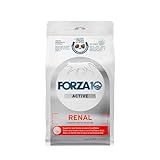
- TRUSTED ITALIAN NUTRITION: Pet food brand for dogs and cats, offering a wide range of recipes crafted with high-quality ingredients and veterinary expertise. Forza10 products are designed to support overall health and well-being, helping pets thrive at every stage of life.
- SUPPORTS HEALTHY KIDNEYS: Specially formulated pet food helps maintain kidney function and supports overall renal and cardiac health. Made with high-quality protein and essential nutrients to promote well-being while providing a taste pets enjoy.
- INGREDIENTS: Formulated with hydrolyzed protein and potato protein for controlled phosphorus and adapted protein content. Enriched with cranberries, dried dandelion, and dried clover extract to support kidney health. Free from GMOs, by-products, wheat, soy, artificial colors, or preservatives.
- WHAT'S INCLUDED: 1 bag, 3.3 pounds, providing complete, high-quality nutrition for your pet.
- EXPLORE MORE: Discover our full range of premium cat and dog food recipes, crafted with veterinary expertise and high-quality ingredients. Visit the Forza10 store to find the perfect meals to support your pet’s health and well-being
What to track at home
Because reports from you can be part of monitoring, a simple log makes visits and calls more useful. The sources support individualized monitoring rather than one universal checklist, so use these as conversation topics and let your vet say which matter most:
- Appetite and how much of each meal is eaten
- Body weight and muscle condition
- Drinking
- Urination
- Vomiting
- Behavior and energy
- How hard the treatment routine is for the cat and for you
Quality of life and caregiver capacity
The 2026 consensus guidance emphasizes the home environment, mental wellbeing, caregiver support and individualized treatment goals. A routine only helps if it can be kept up. If pilling, fluids or food changes are stressing your cat or overwhelming you, say so. Your vet can often adjust the plan, and your cat’s comfort is part of the goal.
Context: how common is CKD in older cats?
The iCatCare Veterinary Society’s 2026 guideline reports CKD prevalence of 28–81% among cats older than 12 years across the studies it reviewed. That is a wide range from varied studies, not a single population estimate, and it says nothing about an individual cat’s outlook. Prognosis varies by stage and response to care, so no lifespan can be promised. The guideline also recommends screening cats aged 7 years and older.
About the sources
The main current source is the 2026 iCatCare consensus guideline, an expert panel document based on literature and expert opinion. Cornell Feline Health Center (updated January 2025) provides owner-facing advice. The 2016 ISFM guideline supplies background on hydration and renal diets; where it differs from the 2026 guideline, the newer one takes precedence.
Quick Recap
Product prices and availability are accurate as of the date/time indicated and are subject to change. Any price and availability information displayed on Amazon at the time of purchase will apply.




