
Some links on this page are affiliate links: if you buy through them we may earn a commission, at no extra cost to you.
For a healthy dog, blend the new food into the current food over about 5–10 days instead of changing meals all at once. Start with roughly 75% old food and 25% new, move to 50/50, then 25% old and 75% new, and serve only the new food once appetite and stools remain normal. If stools soften, stop increasing the new food; return to the last ratio your dog tolerated, or temporarily use the original diet until stools firm before restarting more slowly.
Why a gradual food change matters
Your dog’s digestive tract must adapt to differences in ingredients, fat, fiber, moisture, calorie density, texture and protein sources. An abrupt switch can be followed by diarrhea, vomiting, reduced appetite, gas, constipation or refusal to eat because the adjustment happens faster than the digestive system can accommodate.
As an Amazon Associate I earn from qualifying purchases.
Do these 3 things before closing this tab:
1Scan for outdated or missing drivers - takes under a minute2Repair Windows errors before they cause bigger problems3Fix the driver behind crashes, sound loss and screen glitchesA gradual blend gives you two advantages. It gives your dog time to adapt, and it makes the cause of a problem easier to identify. If you change food, treats and supplements together, you cannot tell which change triggered a reaction. Keep the rest of the diet as steady as possible while the new food is introduced.
The schedule below is a starting framework, not a guarantee that every dog will have perfect stools. A dog with a sensitive stomach may need each stage held for several days, making the entire transition 10–14 days rather than seven.
Popular on Amazon

- DOGS WITH DIGESTIVE CONCERNS: Royal Canin Gastrointestinal dog food is a veterinary-exclusive dog dry food for digestive health concerns
- LOW FAT DOG FOOD: Specialized sensitive digestion dog food that is low in fat and easy to digest
- PREBIOTICS FOR DOGS: Sensitive digestion dog food made with prebiotics to help support good bacteria in the gut
- FIBER FOR DOGS: Low fat dog food contains a blend of dietary fibers to help support healthy digestion for optimal stool quality
- HIGHLY FLAVORFUL: Dog kibble texture is highly flavorful and appeals to dogs, including those with picky appetites
A practical seven-day transition schedule
The American Kennel Club describes a progression on days 1, 3, 5 and 7. The Animal Medical Center advises that 10 days is appropriate for most healthy pets. Combining those recommendations gives you a flexible plan: use the seven-day version when your dog remains comfortable, and lengthen each stage when stools soften or your dog has a history of digestive sensitivity.
| Transition period | Current food | New food | What to do |
|---|---|---|---|
| Days 1–2 | About 75% | About 25% | Mix the small amount of new food through the usual meals and watch appetite, stool and energy. |
| Days 3–4 | About 50% | About 50% | Move up only if stools and appetite remain normal. |
| Days 5–6 | About 25% | About 75% | Hold this ratio longer if your dog develops softer stools or extra gas. |
| Day 7 onward | 0% | 100% | Complete the change only when your dog is eating willingly and stools remain acceptable. |
The percentages describe the blend in each meal. Keep the total amount appropriate for your dog and the feeding directions for the foods you are using; do not assume that equal volume means equal calories when two formulas have different calorie densities. If you normally serve one cup at a meal, the first stage would be approximately three-quarters of a cup of the old food and one-quarter cup of the new food, measured consistently each time.
How to carry out the change step by step
- Choose a starting day. Begin when you can observe your dog for several days. Avoid starting immediately before travel, boarding or another major routine change.
- Keep the old food available. Do not discard it until the transition is complete and your dog is reliably eating the replacement.
- Measure the first blend. Prepare about 75% of the familiar food and 25% of the new food for every meal during days 1 and 2.
- Mix thoroughly. Combining the foods makes it less likely that your dog will eat only the preferred pieces and leave the rest. If the new food has a different texture, mix it in a way your dog accepts rather than presenting two separate piles.
- Observe before advancing. Check each bowel movement, appetite, vomiting, gas, energy and willingness to drink. Advance to the next ratio only when the overall pattern remains normal.
- Increase in stages. Use the 50/50 blend on days 3 and 4, then 25% old and 75% new on days 5 and 6.
- Finish cautiously. Serve 100% new food from day 7 onward only if your dog is comfortable. A sensitive dog may need the same stage repeated for two or more days before moving on.
- Change one thing at a time. Keep treats, chews and supplements unchanged where possible so a digestive response can be attributed to the food transition.
How to adjust the pace for a sensitive dog
Seven days is not a deadline. If your dog has previously developed diarrhea during food changes, hold each ratio for several days and use a 10–14-day transition. For example, you might remain at 75% old and 25% new until stools are consistently normal, then spend several days at 50/50 before increasing the new portion again.
Advance by the dog’s response rather than by the calendar. A single mildly soft stool does not automatically mean the new food is unsuitable, but it is a reason not to increase the new proportion at the next meal. If softness continues, step back to the last well-tolerated ratio. Do not keep pushing forward in the hope that the digestive system will “catch up.”
If the replacement is being used for a medical reason, ask the veterinarian who recommended it how slowly to transition. Some dogs need a therapeutic diet introduced under supervision, and the correct pace can depend on the underlying condition.
Also popular on Amazon
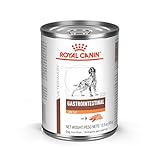
- DOGS WITH DIGESTIVE CONCERNS: Royal Canin Gastrointestinal low fat dog food loaf is a veterinary-exclusive dog wet food for digestive health concerns
- LOW FAT DOG FOOD: Specialized sensitive digestion wet dog food that is low in fat and easy to digest
- PREBIOTICS FOR DOGS: Royal Canin gastrointestinal dog food made with prebiotics to help support healthy bacteria in the gut
- FIBER FOR DOGS: Low fat dog food contains a blend of dietary fibers to help support healthy digestion for optimal stool quality
- HIGHLY FLAVORFUL: Pate dog food loaf is highly flavorful and appeals to dogs, including those with picky appetites
What to monitor during the transition
Use a simple written log or phone note. Record the food ratio, approximate meal time and any changes in:
Recommended Free Tools
- Stool consistency: Note whether stools are formed, soft, watery, unusually frequent, bloody or black and tar-like.
- Stool frequency: An increase can be an early sign that the change is moving too quickly.
- Appetite: Record whether your dog eats the complete meal, leaves the new food or refuses food.
- Vomiting: Note how often it occurs and whether your dog can keep water down.
- Gas and abdominal comfort: New or marked gas, obvious discomfort or a painful abdomen warrants slowing down and may require veterinary advice.
- Energy and behavior: Lethargy, weakness or an unwillingness to engage normally is more concerning than a mildly soft stool by itself.
- Water intake: A dog that will not drink, or cannot keep water down, needs prompt professional guidance.
Monitoring helps distinguish a minor adjustment from a worsening illness and gives your veterinarian a useful timeline if you need to call.
What to do if stools soften or diarrhea starts
Stop increasing the new food as soon as stools become noticeably softer. Cornell University College of Veterinary Medicine advises returning to the original diet until stools firm, then restarting the transition more slowly. In practice, that means using the last ratio your dog tolerated, or going back to the original food if diarrhea has begun, and waiting for improvement before trying a smaller increase.
Do not add rich treats, table scraps, fatty chews or other new foods while diarrhea is active. Those additions can worsen digestive upset and make the trigger impossible to identify. Keep fresh water available and observe your dog’s energy and drinking.
A mildly soft stool can reflect a pace that was too fast, but diarrhea can also have causes unrelated to the food change. Do not attempt to diagnose an allergy, pancreatitis, parasites or another disease from transition symptoms alone. If signs persist, become severe or are accompanied by other warning signs, contact a veterinarian.
Also popular on Amazon

- DOGS WITH SENSITIVE STOMACHS: Royal Canin Gastrointestinal is a veterinary-exclusive dry dog food for adult dogs with long- or short-term digestive sensitivities
- DIGESTIVE SUPPORT: Highly digestible proteins, enhanced omega-3 fatty acids like EPA+DHA, and a fiber blend help support digestive health
- MICROBIOME SUPPORT: Includes selected prebiotics to help support a healthy gastrointestinal microbiome
- HIGH ENERGY CONTENT: 14% more energy content (compared to Royal Canin Gastrointestinal Moderate Calorie Dry Dog Food) supports underweight dogs or dogs with a reduced appetite
- HIGHLY PALATABLE: Helps satisfy decreased appetites with highly palatable dog kibble
Vomiting, refusal to eat and other warning signs
One isolated episode of mild digestive upset is different from repeated vomiting or a dog that appears ill. Stop advancing the food change and seek veterinary advice if your dog:
- vomits repeatedly or has significant vomiting;
- refuses food, especially when that refusal continues beyond a meal or is paired with other signs;
- develops marked or persistent diarrhea;
- becomes lethargic or weak;
- shows abdominal pain or unusual discomfort;
- will not drink or cannot keep water down;
- passes blood, or has black, tarry stool.
Cornell’s diarrhea guidance states: “If a pet stops eating, is lethargic, the diarrhea is black or tarry in quality, there is associated vomiting, or the diarrhea doesn’t resolve in 48-72 hours then veterinary care should be sought.” That 48–72-hour window is not a reason to wait when severe signs appear earlier.
When to call the veterinarian sooner
Puppies, senior dogs and dogs with existing gastrointestinal, kidney, liver, pancreatic, allergy or other medical conditions deserve a lower threshold for professional advice. They may become dehydrated or destabilized more quickly, and a diet change may interact with a condition or treatment.
Call the veterinarian before changing food when the new diet is intended to manage a diagnosed disease, when your dog has had recurrent digestive episodes, or when the dog is already losing weight or eating poorly. A veterinarian can determine whether a prescription therapeutic gastrointestinal diet is appropriate and how it should be introduced.
The Tool Desk
Outbyte PC Repair FREEClear out junk files and repair common Windows errorsFree Scan →Outbyte Driver Updater FREEScan for outdated or missing drivers - takes under a minuteDriver Scan →For a generally healthy adult dog, contact the veterinary practice if diarrhea does not resolve within roughly 48–72 hours, even if the diet change seemed to be the obvious trigger. Persistent signs need assessment rather than repeated experiments with different foods.
Also popular on Amazon

- DOGS WITH DIGESTIVE CONCERNS: Royal Canin Gastrointestinal dog food is a veterinary-exclusive dog dry food for digestive health concerns
- LOW FAT DOG FOOD: Specialized sensitive digestion dog food that is low in fat and easy to digest
- PREBIOTICS FOR DOGS: Sensitive digestion dog food made with prebiotics to help support good bacteria in the gut
- FIBER FOR DOGS: Low fat dog food contains a blend of dietary fibers to help support healthy digestion for optimal stool quality
- HIGHLY FLAVORFUL: Dog kibble texture is highly flavorful and appeals to dogs, including those with picky appetites
Choosing the replacement food
There is no single best formula for every dog. The right choice depends on why you are changing, your dog’s life stage, nutritional needs, medical history and response to the food.
Start with the reason for the change
If the change is elective, compare complete-and-balanced foods appropriate for your dog’s life stage and consider calorie density, texture and palatability. If the change is medically motivated, the veterinary indication comes first. A food that looks appealing on an ingredient list may not provide the specific nutrient profile or digestibility your dog’s condition requires.
Consider protein and ingredient constraints when relevant
Ingredient or protein restrictions matter when a veterinarian has identified a medical reason to use them. Do not assume that a digestive reaction during a transition proves a food allergy. Food refusal, diarrhea or vomiting can occur for many reasons, and diagnosis may require a structured veterinary plan.
Use therapeutic diets under veterinary guidance
Cornell describes therapeutic gastrointestinal diets as being formulated for easy digestion and gastrointestinal support. If digestive signs persist or the change is part of treatment, ask a veterinarian whether such a diet is indicated and which product, feeding amount and transition speed fit your dog.
Do not rely on homemade bland diets long term
Chicken-and-rice or another bland homemade meal may be suggested in some short-term situations, but Cornell notes that these diets are not nutritionally complete for prolonged feeding. Do not use one as a permanent replacement without guidance from a veterinarian or veterinary nutritionist.
Also popular on Amazon

- DOGS WITH DIGESTIVE CONCERNS: Royal Canin Gastrointestinal dog food is a veterinary-exclusive dog dry food for digestive health concerns
- LOW FAT DOG FOOD: Specialized sensitive digestion dog food that is low in fat and easy to digest
- PREBIOTICS FOR DOGS: Sensitive digestion dog food made with prebiotics to help support good bacteria in the gut
- FIBER FOR DOGS: Low fat dog food contains a blend of dietary fibers to help support healthy digestion for optimal stool quality
- HIGHLY FLAVORFUL: Dog kibble texture is highly flavorful and appeals to dogs, including those with picky appetites
Making the new food more acceptable
Palatability can determine whether a transition succeeds. Introduce the food in the planned ratio rather than allowing your dog to skip meals while waiting for a preferred option. Keep mealtimes calm and predictable, and avoid compensating with rich treats if the dog hesitates.
If your dog consistently refuses the new food, stop advancing the ratio and call the veterinarian, particularly when the change is medically required. Refusal may reflect taste or texture, but it can also accompany nausea or illness.
Quick wins for a faster PC:
Clear out junk files and repair common Windows errorsFree Scan →Scan for outdated or missing drivers - takes under a minuteDriver Scan →Common mistakes that cause avoidable upset
- Changing overnight: Replacing every meal with the new formula on the first day removes the adjustment period.
- Advancing because the calendar says so: The schedule must yield to stool quality, appetite and energy.
- Changing several variables at once: New treats, supplements or chews obscure the cause of a reaction.
- Ignoring calorie differences: The same cup measurement may not represent the same calories in two formulas; follow each food’s feeding guidance rather than assuming equal volume is equivalent.
- Continuing after diarrhea begins: Increasing the new food during active diarrhea can prolong the problem. Pause or step back.
- Using rich treats during an upset: Extra fat or unfamiliar ingredients can aggravate diarrhea.
- Discarding the old food immediately: Keeping some available lets you return to a tolerated diet if the transition needs to be slowed.
- Assuming every problem is an intolerance: Severe, recurrent or prolonged signs require veterinary assessment.
A decision guide for the first week
- Stools normal, appetite normal, energy normal: Move to the next planned ratio.
- Stools mildly soft but your dog otherwise acts normally: Hold the current ratio. If softness continues, step back to the last ratio that produced normal stools.
- Diarrhea begins: Stop increasing the new food, return to the original diet or last tolerated blend until stools firm, avoid rich treats and restart more slowly only after improvement.
- Repeated vomiting, refusal to eat or drink, lethargy, weakness, pain, blood or black stool: Stop advancing and seek prompt veterinary advice.
- Diarrhea continues for about 48–72 hours: Arrange veterinary care even if the transition appears to be the trigger.
After the transition is complete
Once your dog is eating 100% of the new food with normal appetite and stools, continue observing for several days. Keep the food, treats and feeding routine consistent so later changes are easier to interpret. Store the food as directed, use the package’s feeding guidance and revisit the plan with your veterinarian if body condition, stool quality or appetite changes.
A careful transition reduces the chance of digestive upset, but it cannot prevent every reaction. The safest approach is to increase the new food only when your dog is tolerating the current ratio, return to a tolerated diet when stools deteriorate, and involve a veterinarian whenever symptoms are severe, persistent or occurring in a higher-risk dog.





Leave a Reply