
Quick wins for a faster PC:
Fix the driver behind crashes, sound loss and screen glitchesFind Drivers →Clear out junk files and repair common Windows errorsFree Scan →Scan for outdated or missing drivers - takes under a minuteDriver Scan →Put a sturdy scratcher beside the furniture your cat already uses, match its surface and orientation to your cat’s preference, and invite exploration with play or catnip. Do not grab your cat’s paws or punish scratching. If a vertical post seems uncomfortable, offer a horizontal scratcher; apparent pain or persistent difficulty warrants veterinary or qualified behavior advice.
Why your cat scratches
Scratching is normal cat behavior, not deliberate destruction. Cats scratch to stretch their bodies, play, maintain their claws, and leave visual and scent signals. The practical goal is therefore redirection: make an appropriate surface easier and more appealing to use than the sofa, doorframe, or rug.
As an Amazon Associate I earn from qualifying purchases.
- Stretching: A vertical scratch lets a cat extend its shoulders, back, and legs.
- Claw maintenance: Scratching helps remove older outer claw material.
- Play and arousal: Scratching can happen during energetic play or when a cat is excited.
- Communication: Scratches leave visible marks and scent cues from glands in the paws.
Because these motives are built into normal behavior, trying to eliminate scratching usually fails. Redirect it to surfaces you have selected for the cat.
Step 1: Identify the scratching preference your cat already shows
Watch the cat for several days before buying or repositioning equipment. The existing target tells you more than a product label does.
#1 Best Overall
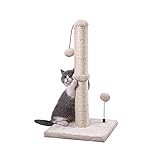
- Premium Quality Materials - This product is made of 100% natural sisal hemp.The base and top is a weighted MDF covering the carpet.Nature High Quality Sisal Safe Plush Long Lasting Usage Stable basement, never tip over easily.
- Protect your furniture - Grab sticks and plush toys combine to attract cats to play and grab, natural sisal is suitable for cats to grab, effectively preventing cats from grabbing furniture
- Designed for indoor use - Neutral colors work well with existing decor in your home.ideal for any living room, bedroom, or home office
- 22"Tall Cat Scratching Post -11.8 x 11.8 x 22 Inches,design for kitties or smaller cats.
- Easy Assemble - ust screw all parts together,Assemble needed, all tools and instructions included.Please contact us if you have any further questions.
Record the orientation
- Vertical: The cat reaches upward on a sofa side, wall edge, or doorframe.
- Horizontal: The cat scratches a rug, carpet, cardboard pad, or the floor.
- Slanted: The cat uses an angled surface or alternates between floor and wall.
A cat that repeatedly scratches flat surfaces may ignore a tall post, while a cat that reaches high may find a low pad unsatisfying. Offer an alternative orientation rather than assuming every cat wants the same design.
Note the texture
Look at what the claws contact: sisal-like rope, cardboard, carpet, wood, upholstery, or another rough material. The ASPCA recommends testing several materials, including cardboard, carpet, wood, sisal, and upholstery. Texture is an individual preference, so a cat’s current choice is the best starting point.
Map the location and timing
Mark the exact places where scratching occurs and when it happens. Cats may scratch beside a sleeping area, near a doorway, or next to a favored piece of furniture. These locations are useful evidence for placement; a scratcher hidden in a remote room may be ignored even if its construction is excellent.
Recommended Free Tools
Run a small preference test
If the cat’s preference is unclear, offer two safe options that differ in only one important way. For example, put a horizontal cardboard pad beside a vertical sisal post, or place two similarly shaped scratchers with different coverings near the usual target. Watch for voluntary approaches, rubbing, stretching, claw contact, and repeat use. Do not move both items repeatedly while the cat is investigating; give the cat a clear chance to choose. This comparison helps identify whether orientation or texture is the larger barrier.
Step 2: Choose a stable scratcher that fits a full stretch
A scratcher must stay still while the cat leans, pulls, and twists. Wobbling or collapsing can make the object frightening and teach the cat that it is unreliable.
Use practical dimensions, not a universal promise
The Humane Society of the United States’ 2023 guide says most cats prefer a stable post at least 32 inches tall. ASPCA general cat-care guidance recommends a sturdy, stable post at least three feet high, covered with a rough material such as sisal, burlap, or tree bark. These are practical recommendations, not measurements proven to suit every cat. The usable surface should let your cat extend its body when scratching vertically; a very small post may force the cat to stop halfway through a stretch.
For a horizontal pad, check that the scratching area is broad enough for the cat to stand and pull without stepping off. For a slanted design, make sure the angle remains steady rather than tipping as weight shifts. In every orientation, inspect the base, fasteners, and covering before allowing unsupervised use.
Outdated Drivers Are Slowing You Down
One free scan finds every outdated or missing driver and matches the right update for your exact hardware.Free scan · exact hardware matchWindows Errors? Fix Them Before They Spread
Repair common Windows errors and clear accumulated junk for a smoother, more stable PC - no reinstall needed.Free scan · no reinstallRank #2
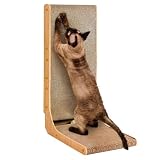
- HIGH QUALITY MATERIALS: The surface of the cat scratching board is made of non-toxic and high-density corrugated paper, which is durable enough to withstand cat scratching.
- INNOVATIVE DESIGN: Our cat scratcher for indoor cats features an L-shaped design. Please place it against wall and sofa to protect your furniture. The L-shaped cat scratcher provides more scratching area for cats to scratch in a variety of positions.
- MULTIFUNCTIONAL USE: Cats can scratch, relax and stretch on our cardboard cat scratcher. Our cat scratch pad also comes with a toy ball to play with. It provides a safe and comfortable environment for cats.
- MULTIPLE SIZES: We offer three sizes of cat scratching pad for you to choose from. The smallest size is specially for kittens. No matter what size your cat is, it enables your cat to scratch and play to its heart's content!
- EASY INSTALLATION: Our cat scratching board adopts a simple installation method and comes with instructions and necessary tools. We also provide an installation video so that you can install it quickly and easily.
Compare the main options
| Option | Best first test when your cat… | What to check | Evidence-based limitation |
|---|---|---|---|
| Vertical post | Reaches up on furniture or a doorframe | Stable base, rough surface, enough height for a full stretch | Some cats may find vertical scratching uncomfortable |
| Horizontal pad | Scratches rugs, floors, or cardboard | Pad does not slide; scratching area is large enough for the cat’s stance | May not satisfy a cat that seeks a high stretch |
| Slanted scratcher | Uses an angle or changes between floor and wall | Angle remains steady and surface does not tip | Preference varies; test rather than assume |
| Sisal or burlap | Chooses coarse, fibrous surfaces | Fibers are firmly attached and do not unravel into loose hazards | Not every cat likes rope-like texture |
| Cardboard, carpet, wood, or upholstery | Targets one of these textures already | Material remains secure and the unit stays in place | A familiar texture still needs suitable orientation and stability |
Start with the closest match to the observed behavior. If you are uncertain, place two different orientations or textures side by side for a short comparison and watch which one receives voluntary use.
Prioritize construction over appearance
A decorative tower is not useful if the scratching section is too short or the whole unit shifts. Test the base with your hand and check that the covering is attached firmly. Replace or repair a unit when it becomes unstable, collapses, or sheds loose material. There is no universally winning brand or model; orientation, surface, usable dimensions, and stability matter more than a product name.
Step 3: Put the scratcher beside the current target
Placement often determines success more than appearance. Put the new scratcher immediately beside the couch corner, doorway, rug, or other object the cat already scratches. This lets the cat encounter the approved surface at the moment the scratching impulse occurs.
- Position the scratcher at the target: Keep it close enough that a reaching or turning cat can contact it without crossing the room.
- Secure it: Test the base with your hand. If it shifts under moderate pressure, improve the footing or choose a heavier design.
- Reduce access to the target temporarily: Cover or rearrange the scratched area while the approved surface remains directly beside it. Do not remove the only available scratch outlet before a usable alternative is in place.
- Repeat in other active areas: If scratching happens in several parts of the home, add suitable surfaces in those locations rather than expecting one distant post to serve every situation.
The Humane Society guide also emphasizes introduction and placement near existing scratching sites. Once the cat consistently uses the approved surface, you can gradually adjust its position if necessary, moving it only a little at a time.
The Tool Desk
Outbyte PC Repair FREERepair Windows errors before they cause bigger problemsFix Now →Outbyte Driver Updater FREEFix the driver behind crashes, sound loss and screen glitchesFind Drivers →Think of placement as part of the training rather than a final decorating decision. A post near a sleeping area can catch the natural stretch that follows a nap; one near a doorway can meet a cat’s tendency to scratch during transitions. If the cat uses several targets, provide several nearby outlets instead of moving one post from room to room.
Step 4: Invite investigation without forcing contact
Make the scratcher interesting, then let the cat decide how to approach it. ASPCA advises using catnip or a fishing-rod-style toy to encourage investigation. Move the toy around the surface so the cat can discover the texture through play, but do not pin the cat against the post.
- Place the scratcher beside the established target and leave a clear approach path.
- During a calm play session, guide an interactive toy near and across the scratcher.
- If your cat responds to catnip, apply a small amount to the surface according to the product directions. Catnip is optional and can be a low-cost lure, not a requirement for learning.
- Pause and allow the cat to sniff, rub, climb, or scratch in its own way.
- Keep the environment quiet enough that approaching the scratcher does not feel like a trap.
Some cats will investigate a toy and return later to scratch, while others will use the surface immediately. Either response is acceptable; the important feature is voluntary contact. Avoid crowding the cat, blocking its exit, or turning every approach into an intense training event.
Rank #3

- Scratching post provides a place for cats to sharpen their claws and keep nails healthy
- Includes a single pillar scratching post in neutral colors with a replaceable dangle toy
- Natural jute fiber provides an optimal scratching surface
- Sturdy wood base helps prevent the post from tipping
- Ideal for redirecting cats away from scratching household carpet or furniture; spot clean as needed
Never hold the cat and drag its claws over the material. ASPCA states: “Do not hold your cat by the scratching post and force her to drag her claws on it.” The organization warns that this can frighten the cat and teach it to avoid the post completely. Physical coercion and frightening tactics can therefore create the very avoidance you are trying to fix.
Step 5: Adjust one variable at a time when the post is ignored
Ignoring a scratcher does not prove that your cat cannot learn to use one. It usually means that the orientation, texture, stability, location, or physical comfort does not match the behavior.
| What you observe | Likely mismatch to test | Adjustment |
|---|---|---|
| The cat scratches the floor but never the upright post | Orientation | Add a horizontal pad in the same area as the floor scratching. |
| The cat reaches high on furniture and stops low on the post | Insufficient usable height | Try a taller, stable post that allows a full stretch; the Humane Society recommendation is at least 32 inches and ASPCA recommends at least three feet. |
| The cat sniffs the post but returns to the sofa | Texture or location | Match the sofa-side texture more closely and keep the scratcher directly beside the sofa corner. |
| The post moves when touched | Stability | Use a heavier base or a securely fixed unit. A surface that wobbles is less likely to be trusted. |
| The cat uses the post briefly, then stops | Surface wear, position, or changing preference | Keep the familiar post available, inspect its condition, and test another orientation or texture nearby. |
| The cat avoids all vertical scratching or appears uncomfortable | Possible pain | Offer a horizontal surface and arrange a veterinary assessment if discomfort persists or is apparent. |
Change one feature at a time when possible. If you replace the texture, move the post, and change its orientation simultaneously, you will not know which adjustment helped. Keep a brief note of what changed and what the cat did next. This prevents repeatedly returning to an option the cat already rejected.
Keep a worn favorite when your cat likes it
A torn or frayed scratcher is not automatically a failed one. Cats may prefer the familiar scent, marks, and texture of a well-used surface. International Cat Care notes that retaining a favored worn post can be useful. Keep it available while introducing a replacement, and place the new item beside it so the cat can transfer its behavior voluntarily.
Replace a scratcher when it is no longer stable or when loose material creates a safety problem, but do not discard a structurally sound favorite simply because it looks used. Familiarity can be part of its appeal.
Protect furniture while the new habit develops
Redirection works best when the approved surface is easier to reach than the forbidden one. Keep the scratcher beside the target rather than across the room. Temporarily cover or make the target less attractive while preserving access to an appropriate scratch surface. Once the cat is choosing the approved option reliably, make any location change gradually.
Do not punish a cat for scratching furniture. Shouting, startling, or physically moving the paws can create fear around both you and the scratcher. Calmly interrupt access to the target, then make the approved surface available nearby.
Rank #4

- Scratching post provides a place for cats to sharpen their claws and keep nails healthy
- Includes a single pillar scratching post with a replaceable dangle toy
- Natural jute fiber offers an optimal scratching surface
- Sturdy base helps prevent the post from tipping
- Ideal for redirecting cats away from scratching household carpet or furniture; spot clean as needed
When a horizontal scratcher is the better choice
Some cats naturally prefer horizontal scratching, and some may find vertical scratching painful. International Cat Care highlights the possibility that a vertical post can cause discomfort for certain cats and recommends testing a horizontal surface in that situation. A horizontal pad is also a sensible first option when your cat’s existing behavior is concentrated on rugs, cardboard, or floors.
If the cat appears painful, stops using a previously preferred surface, or remains reluctant to stretch and scratch despite appropriate options, arrange a veterinary consultation. A veterinarian can assess physical causes before you treat the problem as a training failure.
Common setup mistakes to avoid
- Choosing a short post because it fits the room: A cat that wants a full vertical stretch may abandon it.
- Accepting wobble: Even slight movement can make the surface unreliable.
- Putting the only scratcher out of sight: Distance matters when the cat is already focused on a nearby target.
- Assuming one texture suits every cat: Cardboard, carpet, wood, upholstery, sisal, and other surfaces can produce different responses.
- Removing a familiar worn post too soon: Keep a safe favorite during the transition.
- Changing everything at once: Separate adjustments so you can identify the useful change.
- Forcing the paws onto the surface: This can create fear and complete avoidance.
- Treating discomfort as stubbornness: Offer a horizontal option and seek veterinary help when pain is possible.
Costs and shopping priorities
You do not need a particular brand or an elaborate tower to begin. The defensible shopping category is a cat scratching post or pad selected for the cat’s observed orientation, preferred material, adequate usable size, and stability. A horizontal cardboard pad may be the most appropriate choice for a floor-scratching cat; a tall sisal post may suit a cat that reaches up. Catnip or an interactive toy can be an optional, relatively low-cost invitation to investigate, but neither is essential. Spend first on a surface the cat can use safely and comfortably, not on decorative features unsupported by the cat’s behavior.
When to involve a behavior professional
Seek additional help when environmental changes do not improve the situation, when scratching is accompanied by significant fear or conflict, or when you cannot provide a safe setup. ASPCA identifies certified applied animal behaviorists and board-certified veterinary behaviorists as qualified sources of guidance. A behavior professional can evaluate the home layout, the cat’s preferences, and any interaction between discomfort, stress, and scratching.
A simple setup checklist
- Observe whether the existing scratching is vertical, horizontal, or slanted.
- Match the first test surface to the material already being used.
- Choose a stable unit that will not tip or slide.
- For vertical scratching, select enough usable height for a full stretch; source recommendations are at least 32 inches from the Humane Society’s 2023 guide and at least three feet from ASPCA general-care guidance.
- Place the scratcher directly beside the current target.
- Add options in other areas where scratching occurs.
- Use catnip or interactive play only as an invitation to investigate.
- Allow the cat to approach and scratch voluntarily.
- Never drag the paws over the surface or use frightening punishment.
- Keep a familiar worn post if it remains safe and attractive.
- Test a horizontal surface if vertical scratching is ignored or appears uncomfortable.
- Consult a veterinarian for suspected pain and a qualified behavior professional for persistent problems.
What success looks like
Success is not making a cat stop scratching. It is giving the cat a stable, appealing outlet in the places and orientations that fit its natural behavior, then protecting those choices from disruption. Observe what your cat already does, place the closest match beside that target, encourage curiosity without restraint, and adjust based on the cat’s response.
Frequently Asked Questions
Where should I put a scratching post first?
Put it immediately beside the furniture, rug, doorway, or other object your cat already scratches. After use becomes reliable, move it only a little at a time if you need a different location.
Do these 3 things before closing this tab:
1Repair Windows errors before they cause bigger problems2Scan for outdated or missing drivers - takes under a minute3Clear out junk files and repair common Windows errorsHow tall should a vertical scratching post be?
The Humane Society of the United States’ 2023 guide says most cats prefer a stable post at least 32 inches tall. ASPCA general-care guidance recommends at least three feet. Treat these as practical recommendations and make sure your cat can fully stretch.
Best Value
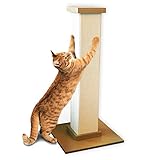
- 32″ height allows cats to stretch fully and tone muscles
- Sturdy 16″ by 16″ base eliminates tipping and wobbling
- Fibrous and durable woven sisal naturally inspires scratching
- Superior to carpeted posts that may snag nail
- Assembles with two included screws
What if my cat prefers scratching the floor?
Offer a stable horizontal pad in the same area, using a material that resembles the current target, such as cardboard or carpet. A vertical post is not required for every cat.
Which scratching material is best?
There is no universal winner. Test the texture your cat already chooses, including cardboard, carpet, wood, upholstery, sisal, or another rough surface, and keep the covering firmly attached.
Should I put my cat’s paws on the post?
No. Do not hold the cat and drag its claws over the surface. ASPCA warns that forced contact can frighten a cat and teach it to avoid the post.
Free tools Windows power users keep installed
One-click scans. No signup required.
Can catnip teach a cat to scratch?
Catnip is an optional lure, not a requirement. Apply a small amount according to the product directions, or use a fishing-rod-style toy to invite investigation while allowing the cat to approach voluntarily.
Why did my cat stop using a previously accepted post?
Check whether the surface is worn, the post has moved, its location changed, or the cat now prefers another orientation or texture. Keep a safe familiar post available and test one adjustment at a time.
Could a scratching problem indicate pain?
Yes. Some cats may find vertical scratching uncomfortable. Offer a horizontal surface and arrange a veterinary assessment if the cat appears painful, stops using a formerly preferred surface, or remains reluctant to stretch and scratch.
When should I seek behavior help?
If appropriate environmental changes do not help, or scratching involves substantial fear or conflict, consult a certified applied animal behaviorist or a board-certified veterinary behaviorist.
The Bottom Line
Match the scratcher to your cat’s existing orientation and texture preference, place it beside the current target, and make it stable enough for a full stretch. Invite exploration with play or catnip, never force the paws, keep a safe worn favorite, and switch to a horizontal option or seek veterinary help if vertical scratching appears uncomfortable.
Quick Recap
Product prices and availability are accurate as of the date/time indicated and are subject to change. Any price and availability information displayed on Amazon at the time of purchase will apply.





Leave a Reply